Posted on Leave a comment

🌿 7 Hidden Amazon Wildlife Stories That Prove Every Creature Has a Superpower

Image
Image
Image
Image
Image

🌿 7 Hidden Amazon Wildlife Stories That Prove Every Creature Has a Superpower

Category: Wildlife | Nature | Amazon Rainforest
Tags: Amazon Rainforest, Amazon wildlife, rainforest animals, wildlife facts, biodiversity, jungle creatures, South America, conservation, rare animals, nature stories

Meta Description:
Discover seven fascinating Amazon wildlife stories featuring orchid bees, squirrel cuckoos, spectacled caimans, giant centipedes, tamarins, sloths, and more.


7 Hidden Amazon Wildlife Stories That Prove Every Creature Has a Superpower

The Amazon Rainforest is one of the last great wildernesses on Earth, home to an astonishing variety of life. Every layer of the forest—from the towering canopy to the muddy riverbanks—is filled with species that have evolved remarkable ways to survive.

Some animals rely on teamwork, others on camouflage, and a few possess abilities so unusual that they seem almost unbelievable. Here are seven fresh stories from the Amazon that highlight nature’s incredible ingenuity.


1. The Bird That Hunts Like a Squirrel

Alt Text: Squirrel cuckoo climbing through branches in the Amazon canopy.

The squirrel cuckoo earns its name from the way it moves.

Instead of flying long distances, it often runs and leaps through branches with quick, agile movements that resemble a squirrel.

Its long tail helps it balance while searching for caterpillars, insects, tree frogs, and small lizards hidden among the leaves.


2. The River Guardian With Watchful Eyes

Alt Text: Spectacled caiman floating quietly in an Amazon river.

The spectacled caiman spends much of its life almost completely submerged.

Only its eyes and nostrils remain above the water, allowing it to watch for fish and other prey while staying hidden.

Young caimans often remain close to their mothers, who protect them during their vulnerable early months.


3. The Slow Traveler That Saves Energy

Alt Text: Three-toed sloth hanging upside down in a rainforest tree.

The three-toed sloth moves slowly for a good reason.

Its leaf-based diet provides relatively little energy, so conserving energy is essential.

Specialized muscles and curved claws allow the sloth to hang comfortably upside down for hours while digesting its food.

Algae sometimes grow on its fur, providing additional camouflage among moss-covered branches.


4. The Bee That Collects Perfume

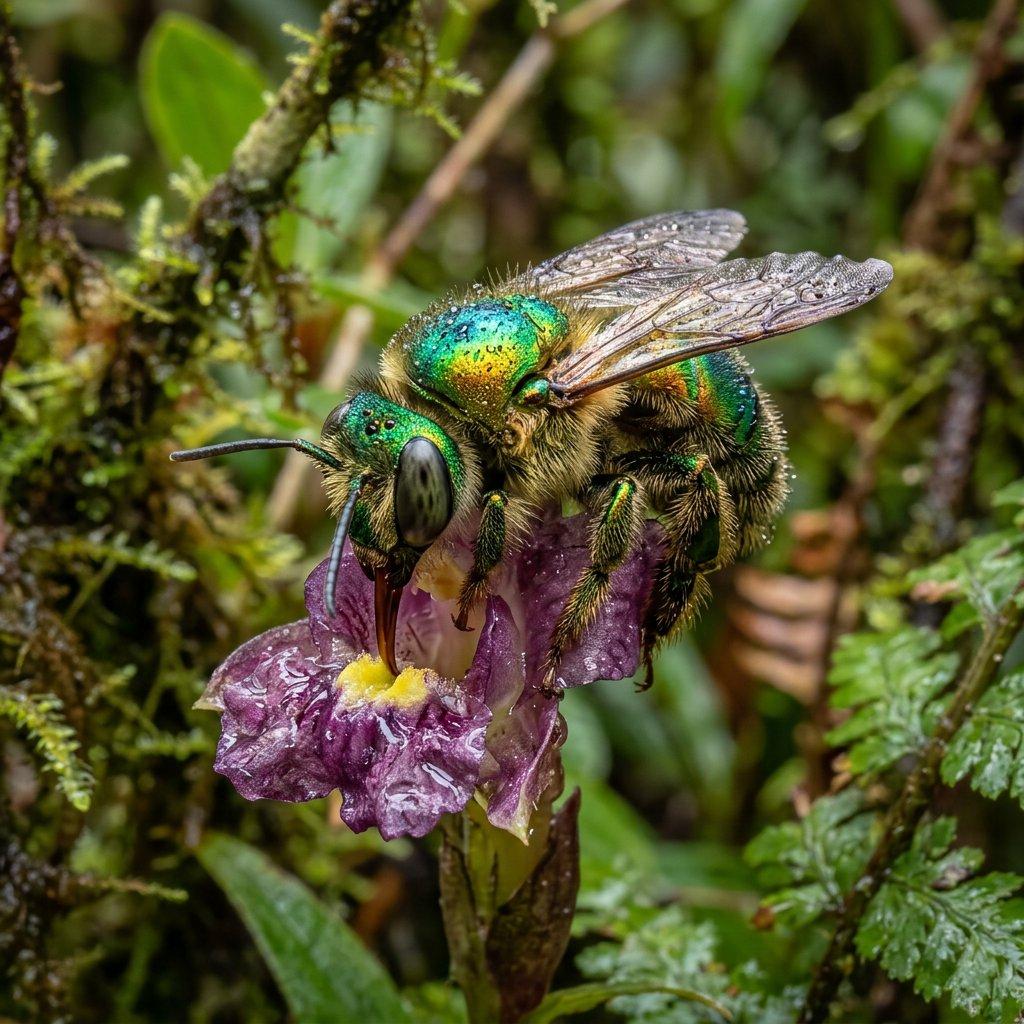
Alt Text: Metallic green orchid bee visiting a tropical flower.

Male orchid bees gather fragrant chemicals from orchids and other flowers.

Rather than using these scents for food, they store them in special pockets on their hind legs.

Scientists believe these perfumes help attract females during courtship, making orchid bees some of the rainforest’s most unusual pollinators.


5. Tiny Monkeys That Care for One Another

Alt Text: Family of tamarins grooming each other on a tree branch.

Tamarins are highly social primates.

Group members frequently groom one another to strengthen social bonds.

In many species, fathers and older siblings help carry babies for much of the day, allowing mothers more time to feed.

This cooperative care greatly increases the survival of young tamarins.


6. The Night Hunter Beneath the Leaves

Alt Text: Giant Amazon centipede crossing the rainforest floor at night.

The Amazon giant centipede becomes active after sunset.

Using highly sensitive antennae, it searches through leaf litter for insects and other small animals.

Despite its intimidating appearance, it usually avoids larger animals and spends daylight hours hidden beneath logs, rocks, or fallen branches.


7. The River That Connects Every Living Thing

Alt Text: Peaceful Amazon River glowing in golden evening light.

The Amazon River is the lifeblood of the rainforest.

Its seasonal floods transport nutrients, nourish forests, create fish breeding grounds, and provide water for countless animals.

Many species depend on these annual floods to complete their life cycles, making the river one of the world’s most important natural systems.


A Rainforest Still Full of Discoveries

Researchers continue to uncover new Amazon species every year, including insects, amphibians, fish, fungi, and flowering plants.

Even familiar animals often surprise scientists with previously unknown behaviors, proving that the rainforest still holds countless mysteries.


Why Protecting Biodiversity Matters

Every Amazon species has a purpose.

Bees pollinate flowers.

Sloths support tiny ecosystems in their fur.

Caimans help regulate aquatic food webs.

Monkeys disperse seeds that become future forests.

Protecting biodiversity means preserving these intricate relationships that keep the rainforest healthy.


Final Thoughts

The Amazon Rainforest is filled with extraordinary wildlife that rarely makes headlines.

From perfume-collecting bees and acrobatic birds to caring monkey families and patient river predators, every species contributes to one of Earth’s richest ecosystems.

The more we explore the Amazon, the more we realize that even its smallest creatures have remarkable stories to tell.


WordPress Image SEO

ImageFile NameAlt Text
1squirrel-cuckoo-amazon.jpgSquirrel cuckoo moving through branches in the Amazon canopy
2spectacled-caiman-river.jpgSpectacled caiman floating quietly in an Amazon river
3three-toed-sloth-tree.jpgThree-toed sloth hanging from a rainforest tree branch
4orchid-bee-flower.jpgMetallic green orchid bee collecting fragrance from a flower
5tamarin-family-grooming.jpgFamily of tamarins grooming each other in the rainforest
6amazon-giant-centipede.jpgGiant Amazon centipede walking across the rainforest floor
7amazon-river-golden-hour.jpgGolden sunset over the Amazon River surrounded by rainforest
Posted on Leave a comment

🌿 7 Incredible Amazon Animal Stories Hidden Deep in the World’s Largest Rainforest

Image
Image
Image
Image

🌿 7 Incredible Amazon Animal Stories Hidden Deep in the World’s Largest Rainforest

Category: Wildlife | Nature | Amazon Wildlife

Tags: Amazon rainforest, Amazon animals, wildlife stories, rainforest animals, biodiversity, South America, jungle wildlife, rare animals, wildlife facts, conservation

Meta Description:
Discover seven all-new true stories from the Amazon Rainforest, featuring cave-building armadillos, acrobatic spider monkeys, colorful birds, pollinating bats, and other remarkable wildlife.


7 Incredible Amazon Animal Stories Hidden Deep in the World’s Largest Rainforest

The Amazon Rainforest contains more wildlife than any other place on Earth. While animals like jaguars and anacondas often dominate documentaries, countless other creatures quietly perform extraordinary feats every day.

Some are expert climbers. Others become gardeners of the forest or pollinators under the cover of darkness. Each species plays a unique role in keeping the Amazon alive.

Here are seven fresh stories about remarkable Amazon wildlife that deserve more attention.


1. The Bright Orange Bird That Dances for Love

Alt Text: Male Guianan cock-of-the-rock displaying brilliant orange feathers on a rainforest branch.

One of the Amazon’s most spectacular birds is the Guianan cock-of-the-rock.

During breeding season, dozens of males gather in special display areas called leks.

Each bird performs energetic dances, bows, wing movements, and loud calls in hopes of attracting a female.

The brightest and healthiest males often receive the most attention, making these gatherings one of the rainforest’s most colorful wildlife spectacles.


2. The Underground Builder of the Rainforest

Alt Text: Giant armadillo emerging from a freshly dug burrow.

The giant armadillo is more than a powerful digger.

Its deep burrows later become shelters for many other rainforest animals, including reptiles, mammals, and insects.

Scientists have recorded dozens of species using abandoned armadillo burrows for protection from predators and extreme weather.

Without realizing it, the giant armadillo creates homes for an entire neighborhood of wildlife.


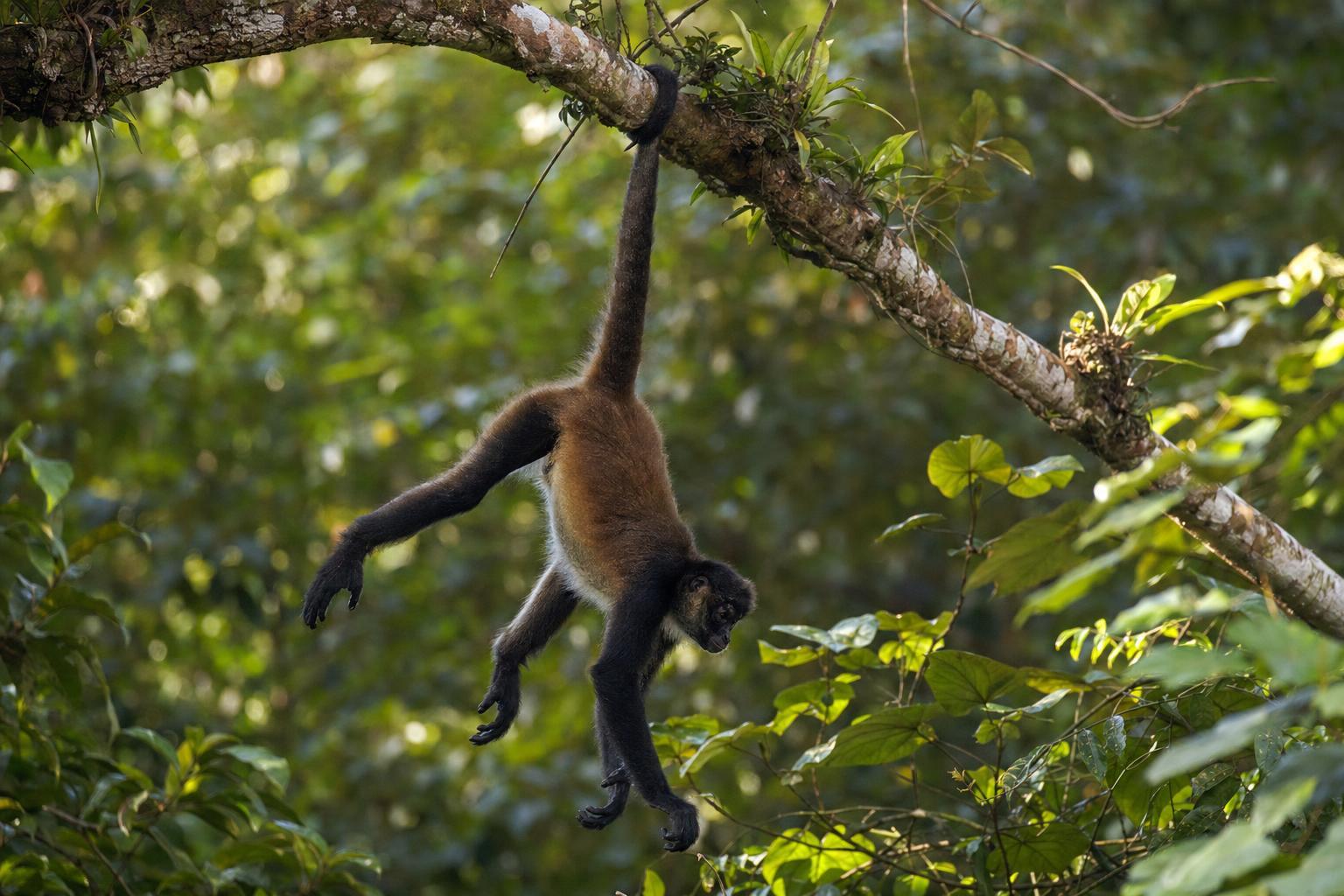
3. The Monkey That Travels Like an Acrobat

Alt Text: Black spider monkey swinging through the Amazon canopy.

The black spider monkey rarely touches the ground.

Using its incredibly strong prehensile tail as a fifth limb, it swings effortlessly between distant branches.

Its diet consists mainly of ripe fruit, making it one of the rainforest’s most important seed dispersers.

Every day, spider monkeys help plant future forests simply by moving through the canopy.


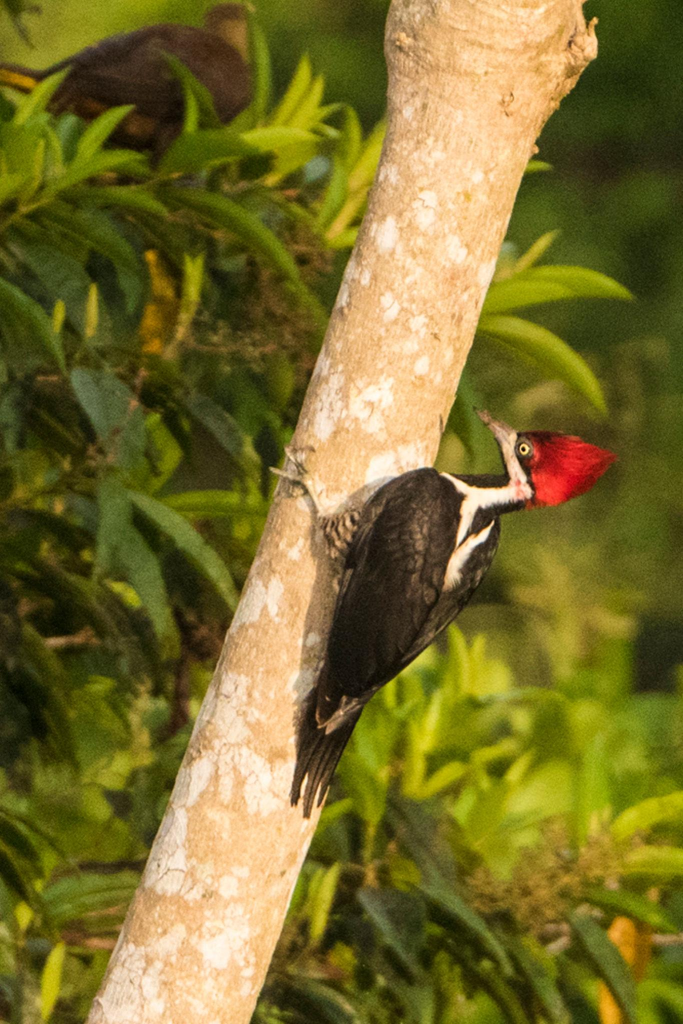
4. The Woodpecker That Listens Before It Drills

Alt Text: Ringed woodpecker searching tree bark for insects.

The ringed woodpecker doesn’t peck randomly.

It taps gently on tree trunks, listening for hollow sounds that reveal insects hidden beneath the bark.

Once it locates prey, it chisels precisely into the wood and uses its long sticky tongue to capture insects deep inside.

Its careful technique conserves energy while maximizing success.


5. The Bat That Pollinates Flowers at Night

Alt Text: Long-nosed bat feeding on nectar from a rainforest flower.

While bees work during daylight, many Amazon flowers depend on nectar-feeding bats after sunset.

Long-nosed bats hover briefly while drinking nectar.

As they move between flowers, pollen sticks to their fur and is transferred from bloom to bloom.

Without these nighttime pollinators, numerous rainforest plants would struggle to reproduce.


6. The Frog That Produces Natural Glue

Alt Text: Giant monkey frog resting on a rainforest branch.

The giant monkey frog has smooth green skin and spends most of its life high in the trees.

Its skin secretes sticky protective substances that help defend against harmful microbes and predators.

Scientists continue studying compounds from amphibian skin because they may provide valuable insights into future medicines.


7. Waterfalls Create Miniature Ecosystems

Alt Text: Remote Amazon waterfall surrounded by lush rainforest.

Amazon waterfalls are more than beautiful landscapes.

The cool mist supports mosses, orchids, insects, frogs, and tiny fish adapted specifically to fast-flowing water.

These isolated habitats often contain species found nowhere else.

Every waterfall becomes its own miniature ecosystem, adding another layer of biodiversity to the rainforest.


The Amazon Never Stops Teaching Us

Researchers continue discovering new behaviors and species throughout the Amazon.

Advanced tools like environmental DNA sampling, drones, and camera traps are helping scientists study animals that were once nearly impossible to observe.

Even today, the rainforest remains one of Earth’s greatest frontiers of scientific discovery.


Protecting a Living Treasure

Each Amazon species contributes to the health of the forest.

Birds spread seeds.

Bats pollinate flowers.

Monkeys regenerate forests.

Armadillos create homes for other wildlife.

Protecting these interconnected relationships helps preserve one of the most important ecosystems on the planet.


Final Thoughts

The Amazon Rainforest is filled with extraordinary animals whose stories often remain untold.

From dancing birds and acrobatic monkeys to hardworking armadillos and nighttime pollinators, every species plays a remarkable role in maintaining the balance of this incredible natural world.

The more we learn about these hidden creatures, the more we appreciate the importance of protecting their rainforest home.


WordPress Image SEO

ImageFile NameAlt Text
1guianan-cock-of-the-rock.jpgMale Guianan cock-of-the-rock displaying bright orange feathers
2giant-armadillo-burrow.jpgGiant armadillo emerging from its rainforest burrow
3black-spider-monkey.jpgBlack spider monkey swinging through the Amazon canopy
4ringed-woodpecker.jpgRinged woodpecker searching tree bark for insects
5amazon-long-nosed-bat.jpgLong-nosed bat pollinating rainforest flowers at night
6giant-monkey-frog.jpgGiant monkey frog resting on a rainforest branch
7amazon-waterfall.jpgHidden waterfall surrounded by dense Amazon rainforest vegetation
Posted on Leave a comment

🌿 7 Rare Amazon Animal Stories That Reveal Nature’s Hidden Genius

Paca standing beside a rainforest stream
https://images.openai.com/static-rsc-4/XR4fv3LgtaqV_HFazJsSg5J1N7eukv1dt5CugQfjMhICfPKR7nvuXIhI3rJYpliF2sgUzMZRalRoLpwpB3K2OGgK3Ukxz6VoQICxhABTwpGGnXgLb3tdL1ekWynKLXKIpoRiOybbtCJhCuwq03qVqlJ2okafnq8_7TEmiV02JD_qLPiH6XUVEnfVqHSlYuxB?purpose=fullsize
https://images.openai.com/static-rsc-4/SIBjFfYGWv5U49vSJqBAUusrP9uFduxtH_O3u8MKr06kiSMQf4upSn0vBwp3Y51MkgkbGKUPpwsbig7XU3S9QSa-7J8y9elaT-aSRa3FJnmaqv_5PRVMD6P4hwyXTSjQGGoE0laHyNZwr0OCwPzjACUw6_9Q9RDS-dVRbEyqwAGvDJEMhP6AG5-wHFmXhy7m?purpose=fullsize
https://images.openai.com/static-rsc-4/86RG7ePCzoehqqp56gVaUiz4CH6oNEtkU751PXwxNdHrpj2rT8S2eJ81QoNBW5SjG9lqxTXkiYXDIFaE16MX1qpFC-ovbz9Az_D_RyAa1-Tqtk2gPVisqPzXZxBaJ3_13ICZtP-m0NFbShBdIhZtA4J2lkGqQwmERuWVIS0iLHzBxmsEu0F6inlOOgZT_0p-?purpose=fullsize

4

🌿 7 Rare Amazon Animal Stories That Reveal Nature’s Hidden Genius

Category: Wildlife | Nature | Amazon Rainforest

Tags: Amazon animals, rainforest wildlife, strange animal stories, Amazon biodiversity, wildlife facts, South America, jungle creatures, exotic animals, rainforest ecosystem, nature

Meta Description:
Explore seven fascinating new stories from the Amazon Rainforest, featuring owl butterflies, pacas, anhingas, coral snakes, leaf frogs, and other incredible animals with amazing survival strategies.


7 Rare Amazon Animal Stories That Reveal Nature’s Hidden Genius

The Amazon Rainforest is home to millions of living creatures, many of which are rarely seen by people. While famous species like jaguars and macaws often dominate wildlife documentaries, countless lesser-known animals possess extraordinary adaptations that help them survive in one of the world’s most competitive ecosystems.

From butterflies that frighten predators to birds that hunt underwater, these remarkable creatures demonstrate the endless creativity of evolution.

Here are seven completely fresh Amazon wildlife stories for nature enthusiasts.


1. The Butterfly That Pretends to Have Giant Eyes

Alt Text: Owl butterfly displaying large eye-like patterns on its wings.

When an owl butterfly closes its wings, enormous circular markings become visible.

These patterns resemble the eyes of a large owl.

Many birds hesitate for just a moment when they encounter these markings, giving the butterfly enough time to escape.

When it opens its wings, brilliant blue colors flash before disappearing again as it lands.

This clever illusion has helped owl butterflies survive for millions of years.


2. The Tiny Monkey That Drinks Tree Sap

Alt Text: Tamarin feeding on tree sap in the Amazon rainforest.

Many Amazon tamarins enjoy fruit and insects, but tree sap is also an important part of their diet.

Using sharp lower teeth, they carefully cut small holes into tree bark.

As sap slowly flows out, they return again and again to feed.

This reliable food source is especially valuable when ripe fruit becomes scarce during certain seasons.


3. The Forest Rodent That Can Outswim Predators

Alt Text: Paca standing beside a rainforest stream.

The paca is a shy nocturnal rodent that spends much of its life near rivers.

If threatened, it immediately dives into the water.

Pacas are excellent swimmers and can remain underwater for surprisingly long periods before quietly surfacing far from danger.

Their spotted coats blend beautifully with patches of sunlight filtering through the forest, providing additional camouflage.


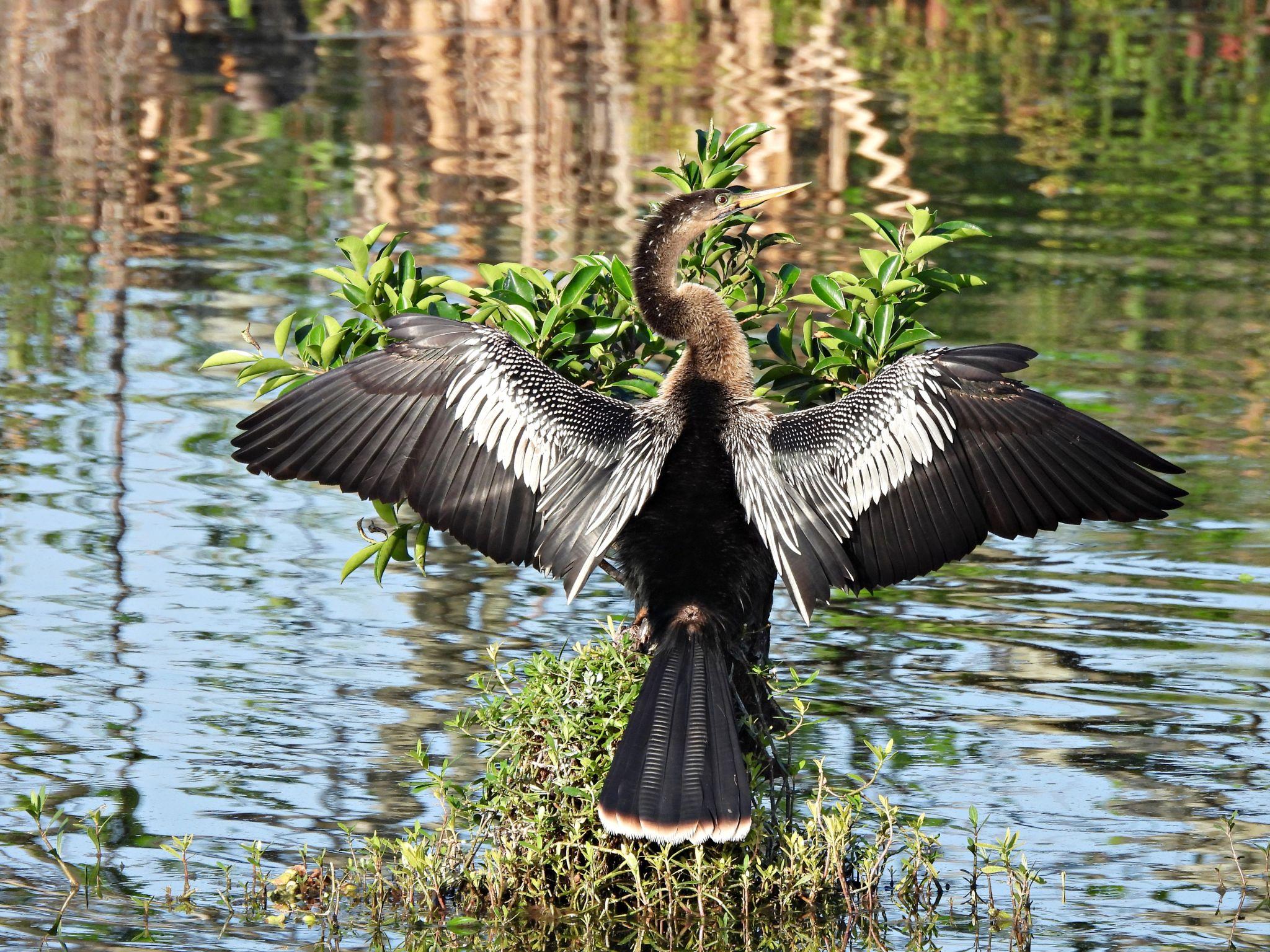
4. The Bird That Hunts Like a Spear

Alt Text: Anhinga drying its wings beside an Amazon river.

The anhinga is often called the “snake bird” because its long neck rises above the water while the rest of its body remains submerged.

Unlike ducks, its feathers absorb water, reducing buoyancy and allowing it to dive easily.

Swimming underwater, it silently approaches fish before striking with its sharp bill.

After hunting, it spreads its wings in the sun to dry before flying again.


5. The Beautiful Snake That Warns Everyone

Alt Text: Brightly banded coral snake crossing the rainforest floor.

The Amazon coral snake displays vivid bands of red, black, and yellow.

These bold colors warn predators that it should be left alone.

Interestingly, several harmless snake species have evolved similar color patterns, gaining protection by resembling the coral snake.

This fascinating survival strategy is known as Batesian mimicry.


6. The Frog That Sleeps Like a Leaf

Alt Text: Green leaf frog resting on a tropical leaf.

Many Amazon leaf frogs spend the daytime sleeping on broad leaves.

Their bright green bodies blend almost perfectly with surrounding vegetation.

At night they become active, feeding on insects throughout the rainforest.

Some species even fold leaves into protective shelters where their eggs develop safely above streams.


7. Rain Changes Everything

Alt Text: Fresh rainforest canopy covered in water droplets after tropical rain.

Heavy rain transforms the Amazon within minutes.

Temporary pools appear across the forest floor.

Frogs begin calling almost immediately.

Insects emerge in huge numbers.

Birds take advantage of the sudden abundance of food, while fish enter newly flooded areas searching for fallen fruit and seeds.

Each rainstorm briefly reshapes the rainforest into an entirely different world.


Nature’s Endless Innovation

The Amazon contains countless examples of animals solving survival challenges in extraordinary ways.

Camouflage, mimicry, teamwork, specialized diets, and seasonal adaptations allow millions of species to share the same environment.

Scientists continue discovering new behaviors every year, reminding us how much remains unknown.


Why Conservation Matters

Healthy Amazon forests protect not only iconic wildlife but also thousands of lesser-known species that quietly maintain ecosystem balance.

Every conserved forest supports pollinators, seed dispersers, predators, amphibians, reptiles, birds, and mammals working together in one of Earth’s greatest natural systems.


Final Thoughts

The Amazon Rainforest is filled with hidden stories waiting to be discovered.

Butterflies imitate owls.

Birds become underwater hunters.

Rodents escape by diving into rivers.

Tiny frogs disappear among leaves.

These remarkable adaptations show that the greatest wonders of the rainforest often belong to animals few people have ever heard of.

Posted on Leave a comment

🌳 7 Incredible Amazon Animal Stories Hidden Deep in the Rainforest

https://images.openai.com/static-rsc-4/BT_y9Pw5rdhF9QdFgg7n8EDMUmyyQHfZ810XQobU4emIJztwHBn95H5XDTrF5Bos9_etfm9aVnnMr9WqZasHG44IWuHOctdCgMJYrR8hKNbjrSVmwqGLaxE4aJHchFMv7kEpvRTQ13eoNfKOqFzVolEoHLRHUip6CIx1XQM8FlVsDfLa2qR3sxMXgroBYFUU?purpose=fullsize
https://images.openai.com/static-rsc-4/B0tA8JuNesh5ay_TL-yzTcEq1fpG8cALKauUmtgOtdUJ0JfOThSfsTcHwnMGcyT0lxwpipoNvZmZmFeJdCUdGt3fexr_jzn1zH2H5uZOFga94Vk6cuqorIZnJASAWkGW4W50_TYd8B4s5xwkNRGm4M8KJglJHDqKoWy-iuRh3mdr-7XTGa_WawSFRbMNLg2D?purpose=fullsize
https://images.openai.com/static-rsc-4/69NfjJ8kYkvay8v9vXjMzgcy6xC_K2WhrSalxc4L70mjvy-l9HNEX7n0zHRiNSnri0M00YQPnMG8Q6S2zZgaEM0fu0EZ451upULeSJJSqblxVyIYE5jzkyEouVL8X9JVieicVR_DtqIFHv0by0IiWCkO00Bd7QO6uhvF5T39BA2hutulIcCfLiOncl8N3BmH?purpose=fullsize

6

🌳 7 Incredible Amazon Animal Stories Hidden Deep in the Rainforest

Category: Wildlife | Nature | Rainforest Stories

Tags: Amazon rainforest, Amazon wildlife, wildlife facts, strange animal stories, jungle animals, rare rainforest animals, South America, biodiversity, conservation, nature, exotic animals

Meta Description:
Discover seven fresh Amazon wildlife stories featuring the Brazil nut’s secret partner, the elusive bush dog, giant centipedes, saddleback tamarins, and other remarkable rainforest animals.


7 Incredible Amazon Animal Stories Hidden Deep in the Rainforest

The Amazon Rainforest is often called the greatest wildlife sanctuary on Earth. While iconic species like jaguars and macaws receive worldwide attention, hundreds of remarkable animals quietly shape the rainforest every day.

Some help grow giant trees. Others hunt in family groups or survive using extraordinary adaptations developed over millions of years.

Here are seven completely different stories from the Amazon that reveal just how amazing this ecosystem truly is.


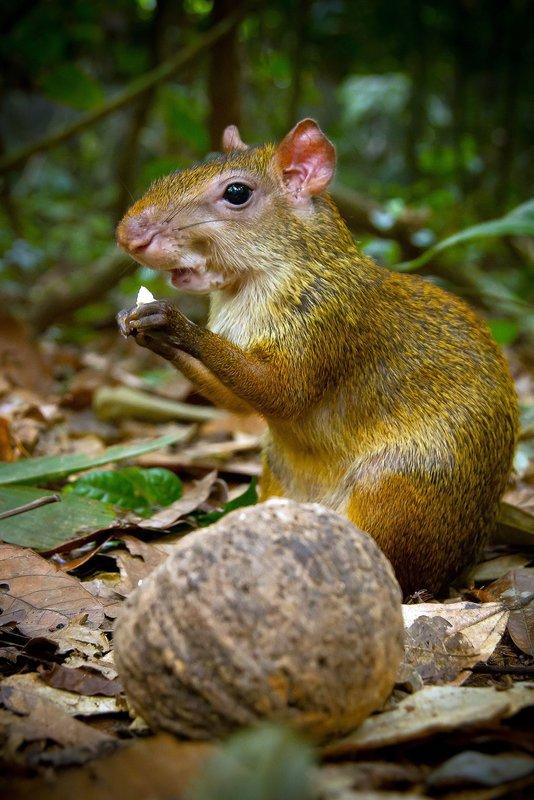
1. The Small Rodent That Plants Giant Forests

Alt Text: Agouti carrying a Brazil nut across the Amazon forest floor.

The agouti may resemble a large guinea pig, but it performs one of the Amazon’s most important jobs.

Brazil nut trees produce extremely hard fruits that very few animals can open.

Agoutis use their powerful front teeth to crack open the shell. Instead of eating every seed, they bury many of them as food stores for later.

Some hidden seeds are forgotten and eventually grow into enormous Brazil nut trees that can live for centuries.

Without agoutis, natural regeneration of these giant trees would be greatly reduced.


2. The Bat That Helps Keep Animals Healthy

Alt Text: Common vampire bat drinking from a shallow puddle in the rainforest.

The common vampire bat often has a frightening reputation, but its social behavior is surprisingly complex.

Individuals that successfully feed sometimes share food with hungry colony members that were unsuccessful the previous night.

Scientists have documented long-term social bonds within colonies, where bats remember helpful companions and return the favor later.

This cooperative behavior is one reason vampire bats are frequently studied by animal behavior researchers.


3. The Bird With a Voice Like a Trumpet

Alt Text: Southern screamer standing beside an Amazon wetland.

The southern screamer is impossible to ignore once it begins calling.

Its loud, trumpet-like voice echoes across wetlands and flooded forests, allowing pairs to communicate over great distances.

Unlike many large birds, screamers mainly eat aquatic plants and spend much of their lives near marshes and shallow lakes.

Their powerful calls help strengthen pair bonds and defend territories.


4. The Mysterious Wild Dog Few People Ever See

Alt Text: Bush dog exploring a rainforest trail.

The bush dog is one of South America’s rarest carnivores.

Short-legged and compact, it looks unlike any other wild dog.

Bush dogs hunt cooperatively in small packs, often pursuing rodents and other small mammals through dense vegetation.

Because they are shy and inhabit remote forests, even experienced wildlife researchers may spend years without seeing one in the wild.


5. The Giant Centipede That Rules the Forest Floor

Alt Text: Giant Amazon centipede crawling across leaf litter.

The Amazon giant centipede is among the rainforest’s most efficient nighttime predators.

Using dozens of legs, it moves rapidly across fallen leaves searching for insects, spiders, frogs, and other small prey.

Its speed and powerful venom allow it to capture animals much larger than many people would expect from an invertebrate.

Despite its fearsome appearance, it plays an important role by helping regulate populations of smaller forest animals.


6. The Tiny Monkey That Never Travels Alone

Alt Text: Saddleback tamarin family moving together through the Amazon canopy.

The saddleback tamarin lives in close family groups.

Members constantly communicate with whistles, chirps, and scent markings while moving through the forest.

Adults cooperate to carry babies, giving mothers valuable time to feed and rest.

Their teamwork allows the group to stay alert for predators while searching for fruit, insects, and tree sap.


7. A Tree That Depends on Animals to Survive

Alt Text: Massive Brazil nut tree rising above the Amazon rainforest canopy.

The towering Brazil nut tree cannot thrive alone.

Its flowers rely on large native bees for pollination.

Its seeds depend on agoutis for dispersal.

Healthy forests provide habitat for both species, creating a remarkable ecological partnership.

This relationship shows that even the tallest trees in the Amazon depend on much smaller animals for their future.


Why the Amazon Is a Web of Connections

The Amazon is more than a collection of individual species—it is a network of relationships.

Small rodents help forests grow.

Bees pollinate towering trees.

Predators maintain balanced ecosystems.

Family groups cooperate to raise young.

Every animal contributes to the health of the rainforest in ways scientists are still discovering.


Conserving the Amazon’s Wildlife

Protecting the Amazon means preserving these intricate natural relationships.

Conservation efforts support healthy forests, clean rivers, and thriving wildlife populations while also benefiting local communities and the global climate.

Every protected habitat helps safeguard thousands of extraordinary species that cannot be found anywhere else.


Final Thoughts

The Amazon continues to surprise researchers with new discoveries and fascinating behaviors. Whether it’s a rodent planting future forests, a shy wild dog hunting in packs, or tiny monkeys sharing parenting duties, each species plays an important role in this extraordinary ecosystem.

These hidden stories remind us that some of nature’s greatest wonders are often the least well known.


Posted on Leave a comment

🌿 7 Little-Known Amazon Animal Stories That Are Stranger Than Fiction

https://images.openai.com/static-rsc-4/ikrPwb04n2101zNaDA9vQ5_auCwxqD2hPY5OYt9dyMHqheZ9M8Vat8YOhTYFFkoEMsWhqr4vCvBU7cxHfy_0OO5M1tZG5w7DfyBW05_5rfUZ4BoPTYh69Kn9EDvbdWd-pYK4iR2lK6BSkzLnnQPvyxeaxZTn2BfO-QjReUQ7LQpmvEaUKtrgv7QUdglSkd0H?purpose=fullsize
https://images.openai.com/static-rsc-4/pUTOZbMxJqGOOjwzzmIDECR1U2sNQUlQv387GiL7ufK47AnMicwrKSTbkITV8SvkVvCpiXrJsSoUh74YzEMRMzG5bG1WmXnrESK044hNdUOtzO_LZ90jtj3ejTokCqZLHtWhagylxvfbolCZHDKBIJvaY16jh7zXyN22sjRCRo0kGSsLQSrD01lclTvSfVjT?purpose=fullsize
https://images.openai.com/static-rsc-4/H3nlBozAcX8q2MnB_kqIranAeXfoalIa9OOh1aF_RU9moU2Zf42hTnwi0U9OjPbj1I6pioWNNUvU4DB0Tbrs-vEiDc5cMmgC5Yf5S8Brd2AefjRWvEPdx7sZPoJW4MOWa4Y_SG6ix_5sdItOqyzWBJHw1ye75hSGAna2gG3UMw3p8SzHKFE7tkMoZJeu11k0?purpose=fullsize

7

🌿 7 Little-Known Amazon Animal Stories That Are Stranger Than Fiction

Category: Wildlife | Nature | Animal Stories

Tags: Amazon rainforest, Amazon wildlife, strange animals, rainforest biodiversity, wildlife facts, jungle creatures, South America, rare animals, exotic wildlife, animal adaptations, nature lovers

Meta Description:
Discover seven fresh and fascinating stories about hidden Amazon wildlife, including the red-faced uakari monkey, lily-walking birds, colorful lanternflies, and mysterious rainforest creatures.


7 Little-Known Amazon Animal Stories That Are Stranger Than Fiction

The Amazon Rainforest is the largest tropical forest on Earth, home to an astonishing variety of wildlife. While famous animals like jaguars and macaws often capture attention, many lesser-known species live extraordinary lives hidden deep within the jungle.

Some have unusual appearances that puzzle scientists, while others possess survival skills found nowhere else in nature.

Here are seven completely new Amazon animal stories perfect for wildlife enthusiasts.


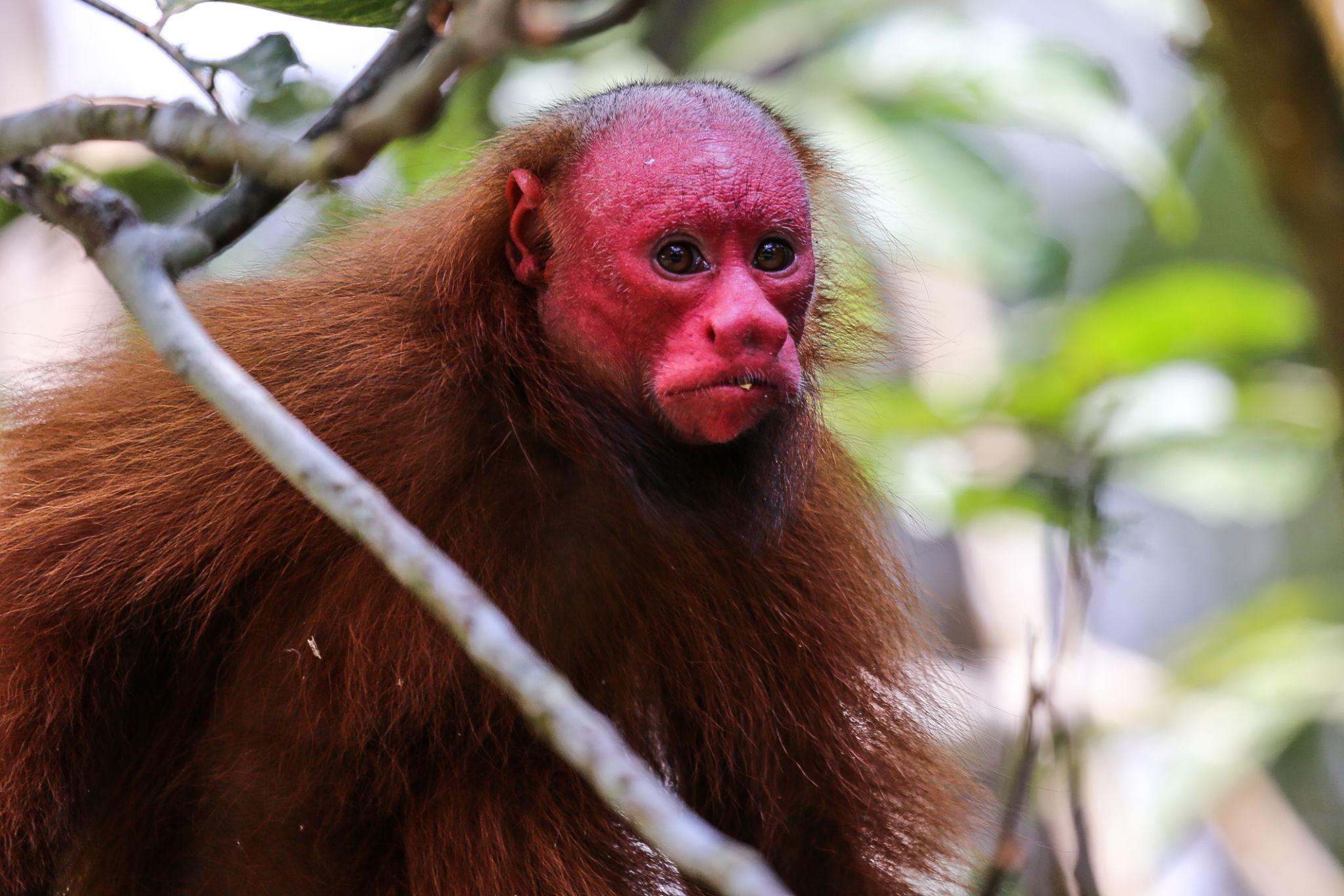
1. The Monkey With the Bright Red Face

Alt Text: Red-faced bald uakari monkey sitting on a rainforest branch.

The bald uakari is instantly recognizable because of its vivid crimson face.

Unlike many monkeys with furry faces, the uakari’s bare skin helps other monkeys judge its health. A bright red face usually signals a healthy individual, while a pale face may indicate illness.

Living mainly in seasonally flooded forests, these monkeys travel through the treetops searching for seeds, fruit, and nuts that many other animals cannot crack open.

Their powerful jaws allow them to feed on foods that would be inaccessible to most primates.


2. The Baby Bird That Pretends to Be a Broken Branch

Alt Text: Young potoo chick perfectly camouflaged on a tree stump.

Even as chicks, potoos rely on camouflage.

Instead of begging loudly for food, young potoos stretch upward and remain almost completely motionless, resembling broken tree branches.

This remarkable disguise helps them avoid hawks, snakes, and climbing mammals while their parents quietly hunt insects during the night.


3. The Bird That Walks Across Floating Plants

Alt Text: Jacana bird walking effortlessly across floating lily pads.

The Amazon jacana seems to walk on water.

Its secret lies in its extraordinarily long toes, which spread its weight across floating vegetation.

This adaptation allows the bird to walk over lily pads without sinking while searching for insects, seeds, and aquatic invertebrates.

During the breeding season, male jacanas take on the unusual responsibility of incubating eggs and raising the chicks.


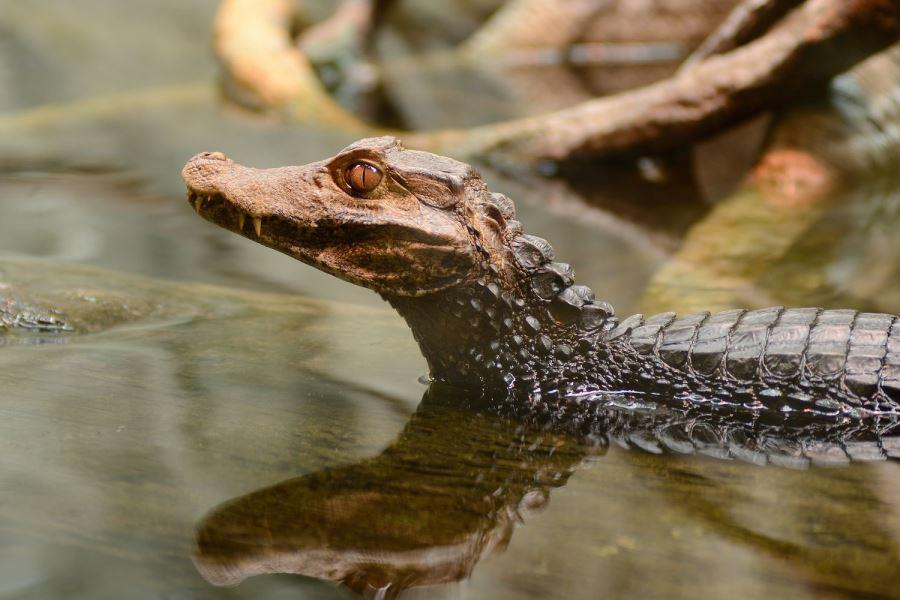
4. The Quiet Crocodilian of Blackwater Streams

Alt Text: Dwarf caiman resting in a shaded Amazon creek.

The Cuvier’s dwarf caiman is one of the smallest crocodilian species in the Amazon.

Unlike its much larger relatives, it prefers narrow forest streams and blackwater creeks hidden beneath dense vegetation.

Its armored body provides excellent protection, allowing it to feed on fish, crustaceans, and amphibians in secluded waterways.

Because of its secretive lifestyle, many people never realize these fascinating reptiles are nearby.


5. The Monkey With a Magnificent Mustache

Alt Text: Emperor tamarin displaying its long white mustache.

The emperor tamarin is famous for its spectacular white mustache.

Despite its regal appearance, this tiny monkey is energetic and playful.

It travels in family groups, communicating with whistles and chirps while searching for fruit, insects, tree sap, and nectar.

Group members cooperate by sharing food and helping care for young monkeys.


6. The Insect That Looks Like It Belongs on Another Planet

Alt Text: Colorful lanternfly resting on tree bark in the Amazon rainforest.

Amazon lanternflies are among the rainforest’s most unusual insects.

Many species display vivid colors, intricate wing patterns, and elongated heads that make them resemble miniature fantasy creatures.

Although once believed to glow at night, scientists have found that lanternflies do not produce light. Their striking appearance likely helps confuse predators or mimic toxic insects.


7. A Forest That Disappears Underwater Every Year

Alt Text: Flooded igapó forest with trees standing in calm Amazon water.

During the rainy season, large areas of the Amazon become igapó forests—blackwater forests flooded for months at a time.

Fish weave between submerged trunks.

River turtles feed on fallen fruit.

Birds perch above water where dry forest once stood.

Many Amazon animals have evolved specifically for this seasonal transformation, making the flooded forest one of the planet’s most extraordinary ecosystems.


Why Scientists Keep Returning to the Amazon

Every scientific expedition uncovers new information about Amazon wildlife. From unusual behaviors to entirely new species, the rainforest continues to surprise researchers.

Modern technologies such as camera traps, satellite mapping, and environmental DNA sampling are revealing hidden animals that were once almost impossible to study.


Conserving a Global Treasure

The Amazon is more than a rainforest—it is one of Earth’s greatest reservoirs of biodiversity. Protecting its forests, rivers, and wetlands helps preserve thousands of species found nowhere else on the planet.

Healthy ecosystems also support local communities, regulate regional climates, and contribute to the global environment.


Final Thoughts

From red-faced monkeys and mustached tamarins to birds that walk across floating plants, the Amazon is filled with wildlife unlike anywhere else on Earth.

These incredible animals remind us that even after centuries of exploration, the rainforest still holds countless mysteries waiting to be discovered.


WordPress Image SEO

ImageFile NameAlt Text
1bald-uakari-red-face.jpgRed-faced bald uakari monkey perched in the Amazon rainforest
2potoo-chick-camouflage.jpgYoung potoo chick blending into a tree branch
3amazon-jacana-lily-pads.jpgJacana bird walking across floating lily pads
4dwarf-caiman-blackwater.jpgCuvier’s dwarf caiman resting in a blackwater Amazon creek
5emperor-tamarin-mustache.jpgEmperor tamarin showing its long white mustache
6amazon-lanternfly.jpgColorful Amazon lanternfly resting on rainforest tree bark
7igapo-flooded-forest.jpgSeasonal flooded igapó forest in the Amazon rainforest
Posted on Leave a comment

🌿 7 Amazing Amazon Animal Stories That Sound Like Science Fiction—But Are Real

Image
Image
Image
Image
Image
Image
Image
Image

🌿 7 Amazing Amazon Animal Stories That Sound Like Science Fiction—But Are Real

Category: Wildlife | Nature | Animal Stories

Tags: Amazon animals, Amazon rainforest, wildlife facts, strange animals, jungle wildlife, South America, biodiversity, rainforest ecosystem, rare animals, nature lovers, exotic wildlife

Meta Description:
Discover seven brand-new stories about extraordinary Amazon animals, including tool-using monkeys, tree-climbing porcupines, giant butterflies, and other fascinating rainforest creatures.


7 Amazing Amazon Animal Stories That Sound Like Science Fiction—But Are Real

The Amazon Rainforest is often described as the most extraordinary ecosystem on Earth. While famous animals such as jaguars and anacondas attract most of the attention, thousands of lesser-known species have evolved remarkable survival strategies that are just as fascinating.

Some use tools to solve problems. Others spend nearly their entire lives in the treetops. A few have formed surprising relationships with other species.

Here are seven completely new Amazon wildlife stories that reveal why this rainforest remains one of nature’s greatest wonders.


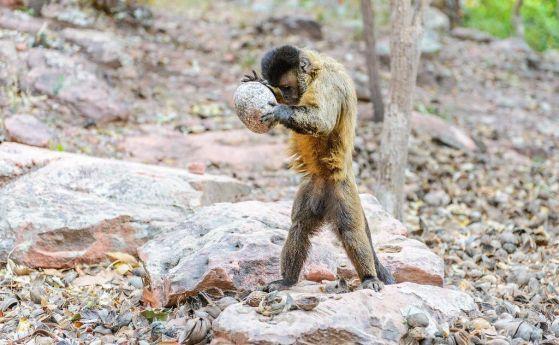
1. The Monkey That Uses Stone Tools

Alt Text: Capuchin monkey using a stone to crack open a hard nut.

Capuchin monkeys are among the most intelligent animals in the Amazon.

Researchers have observed wild capuchins selecting smooth stones to crack open hard nuts and seeds that would otherwise be impossible to eat.

Young monkeys spend years watching older family members before mastering this skill themselves. This learned behavior is passed from one generation to the next, making it a form of animal culture.

Their clever problem-solving abilities have made capuchins one of the most studied primates in South America.


2. The Loud Bird That Sounds Like a Trumpet

Alt Text: Horned screamer standing in an Amazon wetland.

The horned screamer is impossible to ignore.

Its powerful, trumpet-like calls can carry for several kilometers across wetlands and flooded forests.

Despite its large size, the bird mainly feeds on aquatic plants rather than fish or other animals.

The small horn-like projection on its head gives the species its unusual name, making it one of the Amazon’s most distinctive birds.


3. The Tiny Fish Surrounded by Giant Myths

Alt Text: Small candiru fish swimming in clear Amazon water.

Few Amazon fish have inspired as many legends as the candiru.

Although stories about this tiny catfish have often been exaggerated, it is a real species that lives in Amazon rivers.

Candiru are specialized parasites that feed primarily by attaching to the gills of larger fish for short periods.

Scientists emphasize that many popular tales about the fish are folklore rather than typical behavior, highlighting how myths can grow around unusual wildlife.


4. The Porcupine That Lives in the Trees

Alt Text: Tree porcupine climbing through rainforest branches.

Unlike ground-dwelling porcupines, the Amazon tree porcupine spends most of its life high above the forest floor.

Its curved claws and strong tail help it move carefully among branches while feeding on leaves, flowers, and fruit.

Its sharp quills provide excellent protection from predators, allowing it to live a surprisingly peaceful life in the canopy.


5. The Butterfly That Flashes Like Blue Metal

Alt Text: Blue morpho butterfly flying through a sunny rainforest clearing.

The Blue Morpho butterfly is famous for its brilliant metallic-blue wings.

Interestingly, the color is not created by blue pigment.

Instead, microscopic structures on the wings reflect light, producing an iridescent glow that changes with the viewing angle.

When the butterfly closes its wings, the bright blue disappears, revealing a dull brown underside that blends into the forest.


6. An Unexpected Friendship on the Riverbank

Alt Text: Butterfly resting on the head of a spectacled caiman.

In the Amazon, photographers occasionally capture butterflies landing on resting caimans.

The reptiles remain remarkably calm while the butterflies drink minerals from moisture on their skin.

Although these encounters are brief, they demonstrate how even vastly different species can interact peacefully in nature under the right conditions.


7. Hidden Lakes Full of Life

Alt Text: Peaceful oxbow lake surrounded by dense Amazon rainforest.

As Amazon rivers slowly change course, they leave behind crescent-shaped lakes known as oxbow lakes.

These isolated waters become safe nurseries for fish, turtles, birds, and aquatic plants.

Many young fish spend their early lives here before eventually entering larger rivers.

Without these quiet lakes, countless Amazon species would lose important breeding and feeding habitats.


The Amazon’s Endless Discoveries

Scientists continue to uncover new species and behaviors throughout the Amazon Rainforest. Advances in camera traps, acoustic monitoring, and DNA analysis reveal that even familiar animals often have surprising habits still unknown to science.

The Amazon remains one of the last places on Earth where major wildlife discoveries happen regularly.


Why Conservation Is Essential

Healthy forests, rivers, and wetlands are vital for the survival of Amazon wildlife. Protecting these habitats benefits not only famous species but also lesser-known animals that quietly keep the ecosystem functioning.

Every conserved forest helps preserve an irreplaceable natural heritage for future generations.


Conclusion

The Amazon is a world of surprises. Monkeys pass tool-making skills to their young, butterflies create dazzling colors without pigments, tree porcupines spend their lives in the canopy, and isolated lakes become nurseries for countless animals.

These stories remind us that the rainforest is far more than a collection of famous creatures—it is a living laboratory filled with extraordinary adaptations, hidden relationships, and discoveries waiting around every corner.


WordPress Image SEO

ImageFile NameAlt Text
1amazon-capuchin-tool-use.jpgCapuchin monkey using a stone to crack open a hard nut
2amazon-horned-screamer.jpgHorned screamer standing in a flooded Amazon wetland
3amazon-candiru-fish.jpgSmall candiru fish swimming underwater in the Amazon River
4amazon-tree-porcupine.jpgTree porcupine climbing high in the Amazon rainforest canopy
5amazon-blue-morpho.jpgBlue morpho butterfly displaying brilliant iridescent wings
6spectacled-caiman-butterfly.jpgButterfly resting on the head of a spectacled caiman
7amazon-oxbow-lake.jpgTranquil oxbow lake surrounded by lush Amazon rainforest
Posted on Leave a comment

🌎 7 Astonishing Amazon Animal Stories You’ve Probably Never Read Before

https://images.openai.com/static-rsc-4/vTAvuOmgpRpXd9OY3Gr9iQWRBFUPVH6_GZxg9-YZjgh85tv5f-wbV9u5mrd8dpcEA9p1U2L8D8tXpYwV-AYEQFCZ6O8waP0cWvnjg9NEd5NfxEDg6lVZ66fqNX4PDF5AXewt3QiaEByS3CN2fkwe83JERzSAHVCRUSfUSfPFpPUjIyc8mMFrcuRMis4Om2Yu?purpose=fullsize
https://images.openai.com/static-rsc-4/bWQF0LZfb3fQ4dnPIA7UE86UG6R9F4dJ5yGLmdfT-FISbOAthsmxtteNpteTAYW90rUbcADxk4vImBO_gHBMpF4_58FPFXI3CeOZscQQ0gNdkiXEh7bT89jgugioh3tFy5RnP88EBxoKN94Q3qTqofTMUvpk6n8uJLzGBtFr8Dc5Y8t6anShc7dEluenUYka?purpose=fullsize
https://images.openai.com/static-rsc-4/8b-_bo0T2nRpm8jIOxnFi98F3UlGoL-84dRbPtvyXWmA1u8wT6hXI8aGat0kLUCnrCBNZuuo1_K5qoOxSLBzGIQf8SVrfJaGzbGMqYb-SQsqKygfVmT_APnxE4oShH3xtdA2qeSvlRamxmk1HYE-sGZeF1Bstgxc2IvduyB9WCK74qpwtdl2ehtAkVbqHG9N?purpose=fullsize

5

🌎 7 Astonishing Amazon Animal Stories You’ve Probably Never Read Before

Category: Wildlife | Nature | Rainforest Animals

Tags: Amazon rainforest, Amazon wildlife, rare animals, jungle stories, wildlife facts, rainforest biodiversity, South America, nocturnal animals, exotic wildlife, conservation, animal behavior

Meta Description:
Explore seven unique and little-known stories from the Amazon Rainforest, featuring cave-dwelling birds, giant armadillos, kinkajous, giant river turtles, and other extraordinary creatures.


7 Astonishing Amazon Animal Stories You’ve Probably Never Read Before

The Amazon Rainforest is often associated with jaguars, piranhas, and colorful parrots, but many of its most fascinating residents remain hidden from public view. Deep inside the jungle live animals with extraordinary lifestyles, unusual adaptations, and behaviors that continue to amaze scientists.

From birds that navigate in complete darkness to mammals that spend their nights searching for fruit in the treetops, these lesser-known species reveal just how remarkable the Amazon truly is.

Here are seven brand-new stories about amazing Amazon animals.


1. The Bird That Uses Sound Like a Bat

Alt Text: Oilbird flying inside a dark cave in the Amazon.

Most birds rely on sharp eyesight.

The oilbird is different.

Living inside dark caves, it uses clicks to navigate by echolocation—similar to bats and dolphins.

At night, oilbirds leave their caves to feed on oily fruits growing throughout the rainforest.

This unusual ability makes the oilbird one of the very few bird species known to navigate using sound echoes.


2. The Giant Armadillo That Builds Homes for Other Animals

Alt Text: Giant armadillo digging a burrow in the Amazon rainforest.

The giant armadillo is the largest armadillo species in the world.

With enormous claws, it digs deep burrows while searching for ants and termites.

After the armadillo moves on, many other animals—including reptiles, mammals, and birds—use these abandoned burrows as shelter.

Scientists consider the giant armadillo an “ecosystem engineer” because its digging benefits dozens of other rainforest species.


3. The Lizard With a Helmet

Alt Text: Helmeted basilisk resting on a branch beside an Amazon stream.

The helmeted basilisk is easily recognized by the large crest on its head that resembles a helmet.

Besides its striking appearance, it is an excellent climber and swimmer.

When danger approaches, it can leap into rivers and remain underwater for several minutes before resurfacing at a safe distance.

This remarkable escape strategy helps it avoid predators in the dense rainforest.


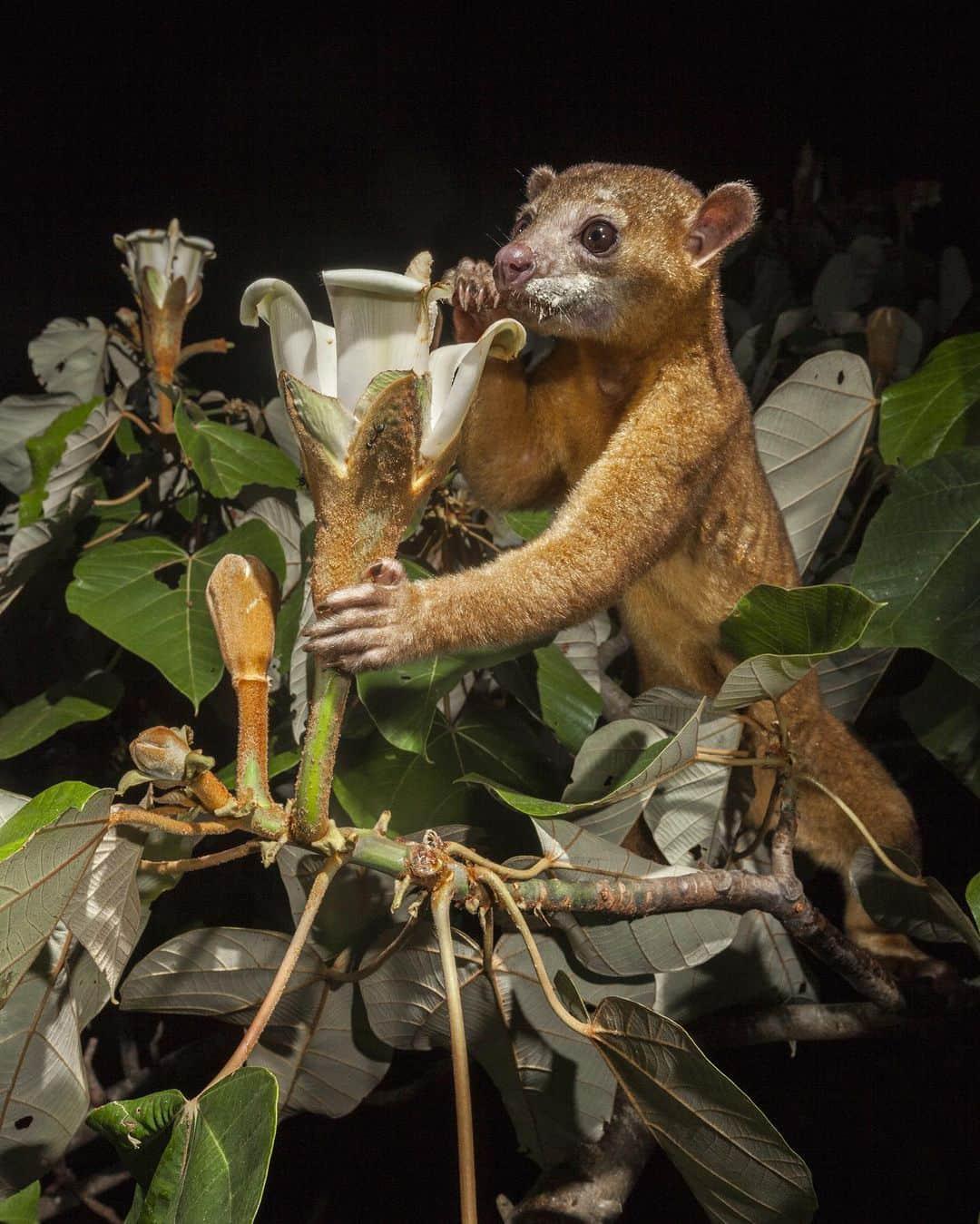
4. The Honey-Loving Night Acrobat

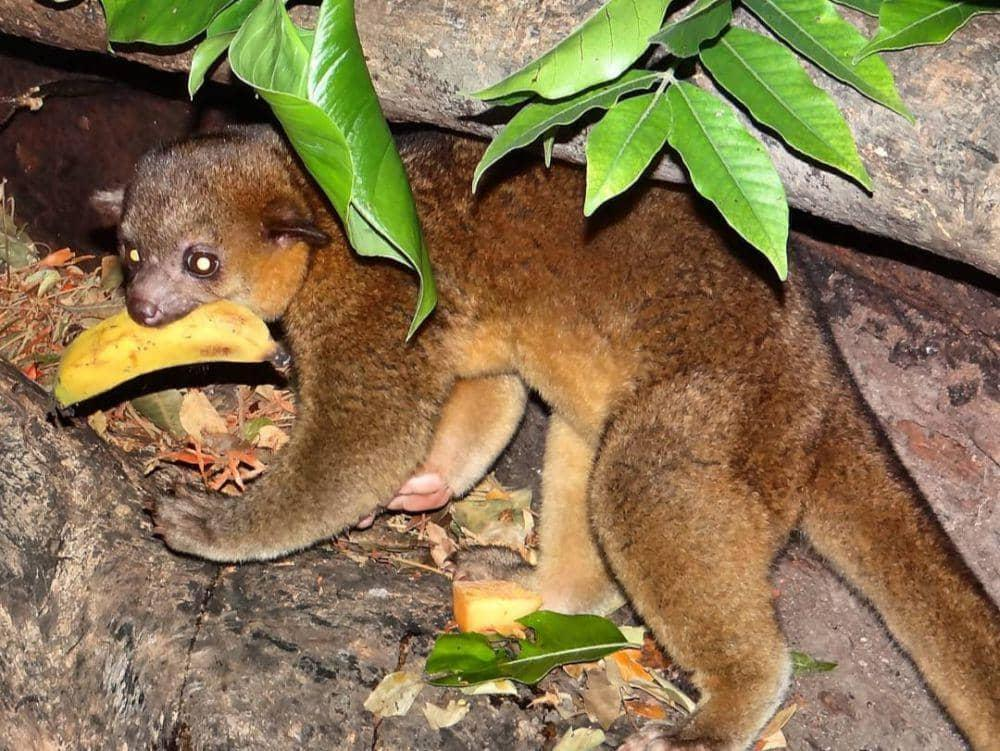
Alt Text: Kinkajou eating ripe fruit in the Amazon canopy at night.

Often mistaken for a monkey, the kinkajou is actually related to raccoons.

It spends nearly its entire life in the treetops.

Using a long prehensile tail for balance, it climbs effortlessly between branches while searching for fruit, nectar, and honey.

Because it is active almost entirely at night, many people never realize these gentle mammals live high above the forest floor.


5. The Creature That Looks Like a Tiny Monster

Alt Text: Tailless whip scorpion walking across a rainforest log.

Despite its frightening appearance, the tailless whip scorpion is harmless to humans.

It has long sensory legs that act like antennae, allowing it to explore its surroundings in darkness.

Instead of using venom, it catches insects with strong, spiny front limbs.

This unusual hunter plays an important role by helping control insect populations throughout the rainforest.


6. The Turtle That Travels Miles to Lay Eggs

Alt Text: Giant South American river turtle nesting on a sandy riverbank.

Every year, female giant river turtles leave the safety of the water to lay eggs on sandy riverbanks.

Many return to the same nesting beaches where they were born decades earlier.

After digging deep nests, they carefully cover the eggs before returning to the river.

Weeks later, hundreds of tiny hatchlings emerge together and race toward the water, increasing their chances of survival.


7. The Rainforest Comes Alive After Dark

Alt Text: Moonlight shining over the Amazon rainforest canopy.

When the sun disappears, the Amazon transforms.

Owls begin hunting.

Tree frogs call from hidden branches.

Kinkajous search for fruit.

Oilbirds leave their caves.

Countless insects fill the air with sound.

Scientists estimate that a large percentage of Amazon wildlife is primarily nocturnal, meaning much of the rainforest’s activity happens while humans are asleep.

The jungle never truly rests.


The Amazon Still Holds Countless Secrets

Researchers continue discovering new species across the Amazon every year. From tiny insects to colorful frogs and previously unknown fish, the rainforest remains one of the last great frontiers of biological exploration.

Many regions are so remote that scientists have explored only a small portion of their wildlife.


Why Protecting the Amazon Matters

The Amazon supports millions of plants and animals while helping regulate Earth’s climate and freshwater systems.

Conservation efforts protect not only iconic species but also lesser-known animals like oilbirds, giant armadillos, and giant river turtles—creatures that play vital roles in keeping rainforest ecosystems healthy.


Final Thoughts

The Amazon Rainforest is filled with extraordinary wildlife that often goes unnoticed. Birds that navigate by sound, mammals that build homes for other species, nighttime fruit hunters, and ancient turtles all demonstrate nature’s incredible diversity.

Every journey into the Amazon reveals another amazing story, reminding us that the world’s largest rainforest still has countless mysteries waiting to be discovered.

Posted on Leave a comment

🦋 7 Incredible Amazon Animal Stories That Nature Lovers Rarely Hear About

https://images.openai.com/static-rsc-4/mvFYcsHdhPxfvkNnLvkU0mHZuqH5oEeGom8R8peZRjrSf5oo5_gj4Wc99OXsZobH0V2ntOunsxN8DgfD8OMuRewK_fF2P6fpdleW6wJZAi0WqX6DdmDxVvJO6NFqidSjrWrG-ga6wND9zoFmthsLvruUXH-E_ixvPazQCm6ImQE1h9W1FZ7ayLXgvZnPkgfC?purpose=fullsize
https://images.openai.com/static-rsc-4/2bdWxHfLU4Y3lR96q3bjsPTAH82Uk3-_WFoYhpM8PSCx3s6D7vl3vjmgzXqi4DoWS0ZBQTq5H3b34WMQUNwpIu5-QmIq8TS_P5_JacpfBl9O1qihWt72LINEjEgvt1ly0E36tGhl-Ii1b7lIZ4-HjzxjfkjlQt3bM2P-aEua5WYGu74FckN6v_qFT_NG3npC?purpose=fullsize
https://images.openai.com/static-rsc-4/edhvObPCFLA1XBpIuMZ9M_e59mSZ3qTb1dXFbuUQESN3KYujJyUmv_rs9ui87DF_l2FqFXGkRX2RPwgpmlfYrakU6fLuRJ_9xE6CYZ-mqaIKXa_iwKSSXyGpDJPNyhtQqvwJAXZ63FudDtLYnjhmDXTQsKsUPGMhpyC9i8MEpQTN-7pk2rjKxjK2w_lsuOrd?purpose=fullsize

6

🦋 7 Incredible Amazon Animal Stories That Nature Lovers Rarely Hear About

Category: Wildlife | Nature | Amazon Rainforest

Tags: Amazon rainforest, Amazon wildlife, rare Amazon animals, strange animal stories, tropical rainforest, wildlife facts, South America, jungle animals, biodiversity, nature, conservation, exotic wildlife

Meta Description:
Discover seven fresh and fascinating stories about little-known Amazon animals, from giant butterflies and tree-climbing anteaters to vine snakes and fishing spiders that defy expectations.


7 Incredible Amazon Animal Stories That Nature Lovers Rarely Hear About

The Amazon Rainforest is famous for jaguars, anacondas, and colorful parrots, but these iconic animals represent only a tiny fraction of the incredible wildlife living beneath its towering canopy.

Hidden among vines, rivers, and flooded forests are animals with remarkable survival skills that rarely make headlines. Some imitate leaves, others walk on water, while a few have developed lifestyles unlike anything else in the natural world.

Here are seven completely different Amazon animal stories that reveal another side of the world’s largest tropical rainforest.


1. The Butterfly With Wings Larger Than Many Birds

Alt Text: Blue Amazon birdwing butterfly resting on a tropical rainforest flower.

The Amazon Birdwing is one of the largest butterflies on Earth.

Females can have wingspans exceeding 25 centimeters (10 inches), making them larger than some small birds.

Their brilliant blue and green colors flash through the rainforest canopy as they search for flowering plants.

Besides their beauty, these butterflies are important pollinators, helping countless rainforest plants reproduce.

Their presence is often considered a sign of a healthy forest ecosystem.


2. The Spider That Hunts on Water

Alt Text: Fishing spider standing on the surface of a calm Amazon stream.

Unlike most spiders, the Amazon fishing spider spends much of its life near water.

Sensitive hairs on its legs detect tiny ripples created by insects, tadpoles, or even small fish.

When prey approaches, the spider races across the water’s surface before grabbing it with lightning-fast precision.

Some species can even dive underwater for short periods to escape predators.


3. The Monkey That Rarely Comes Down

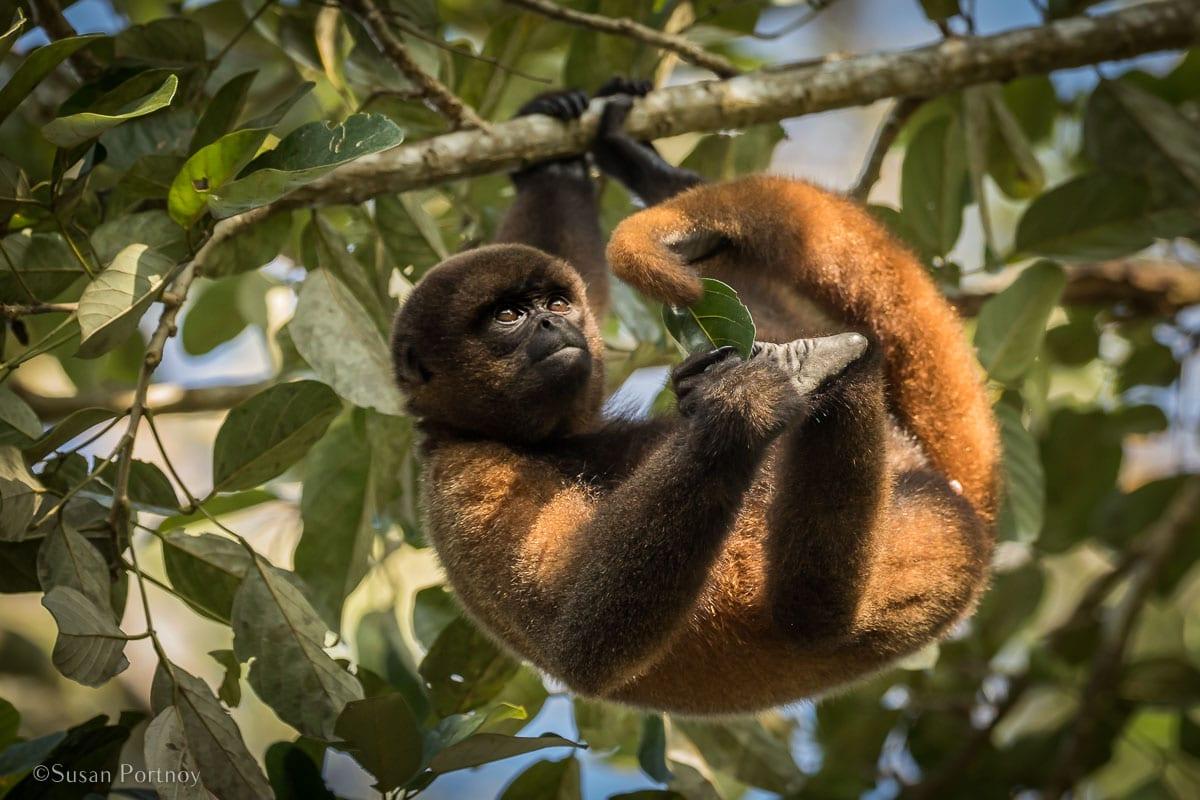
Alt Text: Brown woolly monkey moving through the upper Amazon rainforest canopy.

The woolly monkey spends nearly its entire life high in the treetops.

Its powerful tail acts like a fifth limb, wrapping securely around branches while it climbs, feeds, and rests.

Large family groups travel together searching for ripe fruit.

As they move through the forest, they unknowingly spread thousands of seeds, helping new trees grow across the rainforest.


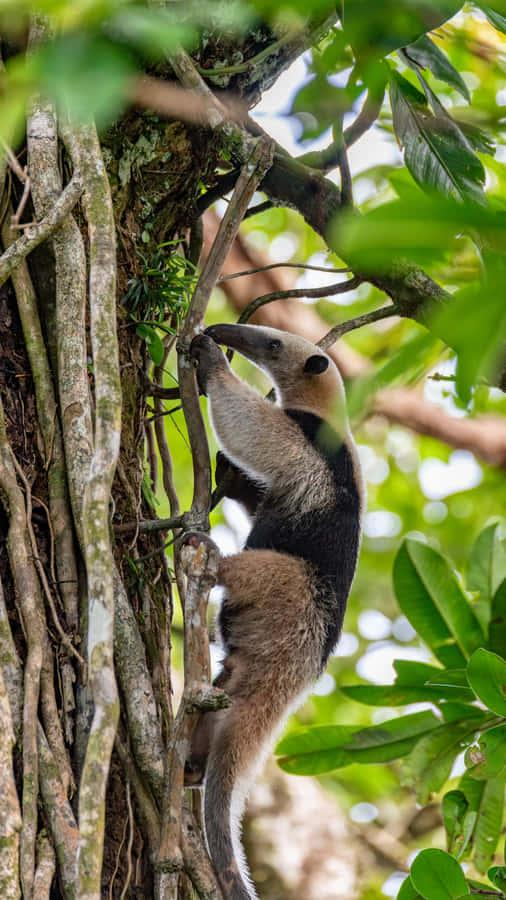
4. The Anteater That Loves Climbing

Alt Text: Southern tamandua climbing a moss-covered rainforest tree.

Unlike its giant relative that spends most of its time on the ground, the tamandua is an excellent climber.

Using strong claws and a prehensile tail, it moves effortlessly through trees searching for ants and termites.

Its sticky tongue can reach deep inside insect nests, capturing hundreds of insects within minutes.

When threatened, the tamandua stands upright and uses its powerful claws to defend itself.


5. The Snake That Looks Exactly Like a Vine

Alt Text: Green vine snake perfectly camouflaged among rainforest vines.

The green vine snake is one of nature’s greatest illusionists.

Its incredibly slender body blends perfectly with hanging vines.

Even its pointed head resembles a fresh leaf.

Instead of chasing prey, it waits patiently until a small lizard, bird, or frog comes within striking distance.

Its camouflage is so effective that many animals pass within centimeters without noticing it.


6. The Scarlet Bird That Paints the Sky Red

Alt Text: Scarlet ibis flying above an Amazon wetland at sunset.

The Scarlet Ibis is one of South America’s most colorful birds.

Its brilliant red feathers come from pigments found in the crustaceans it eats.

Large flocks gather in wetlands during sunrise and sunset, creating breathtaking displays against the tropical sky.

Besides their beauty, these birds help control populations of small aquatic animals while contributing to the health of wetland ecosystems.


7. The Forest That Becomes an Underwater World

Alt Text: Flooded Amazon rainforest with trees rising from calm water.

Every rainy season, parts of the Amazon transform dramatically.

Rivers overflow, flooding vast areas of forest.

Fish swim among tree trunks.

River dolphins weave through submerged branches.

Turtles search for fruit that falls directly into the water.

This seasonal flooding creates one of Earth’s most unique ecosystems, allowing aquatic and forest animals to interact in extraordinary ways.

Many Amazon species have evolved specifically to survive this annual transformation.


A Rainforest Full of Surprises

Scientists estimate that the Amazon is home to more than three million species, many of which remain poorly studied.

Every year, researchers discover new frogs, insects, spiders, fish, orchids, fungi, and even mammals in remote regions of the forest.

The Amazon continues to remind us that nature still holds countless mysteries waiting to be explored.


Protecting These Extraordinary Animals

Healthy rivers, wetlands, and forests are essential for the survival of Amazon wildlife.

Conservation projects, scientific research, and partnerships with Indigenous communities are helping protect habitats from deforestation and other environmental threats.

Every protected area helps preserve one of the richest collections of life on Earth.


Conclusion

The Amazon Rainforest is filled with remarkable creatures that rarely appear in documentaries or travel guides. From giant butterflies and tree-climbing anteaters to fishing spiders and perfectly camouflaged vine snakes, each species has evolved unique adaptations for life in one of the world’s most complex ecosystems.

These fascinating stories remind us that the greatest wonders of the Amazon are often hidden in plain sight—waiting for curious explorers to discover them.

Posted on Leave a comment

🌿 7 Hidden Amazon Animal Stories That Seem Too Strange to Be Real

https://images.openai.com/static-rsc-4/1ne3fW-hEf9NI-qd7NZICQyeO5zWAHKNyHrwAooEOl-OdMZzcCg7QqG2f9EYCNycGHBSsvDkFqHyEutsKY1cldF0LVwqVUON54zFoWondoVIrc0rgiqOM7L6HN9VRAg_yhj_1xXUBmNWpu9bU6ke1eletgpDLboESW3b0d9biER8eZKoq-42m0ckq905_GOb?purpose=fullsize
https://images.openai.com/static-rsc-4/GMrD8TS7KvXHANavIHp9gnWCHnsaovn3T5dPGKXAhjvMIE1lQkazWS3o7FZmFhvJ5zVk0ASpbG1TISAZnRizA2_rMn2AqXMKok8c1NSU3cxlrNrtLEgWGnc49UJGKj_EkaMQg9MYTpzbxCmPuXOj8H7kd2ScB94rHcyNEGe182y4q7rxuTgrbcg_o49YHDhk?purpose=fullsize
https://images.openai.com/static-rsc-4/ZWHIDwMhWRjtnL-xanoY3CXKFGgYZGEJt2UYSPA7mga8GRecc9zlm4mTJ9Twr9or3o6vM-7EXSWIR5FGSTUX2qmbbuWoNm-pCOrplHr52Ho8nsmmBbd_PStwZmziyH_CPFRi7mKLXkKNez3TpTSHDGcAE9QMIHzpaNy7fQEcd6vxlmwkOPXVsuEq1fdtaUys?purpose=fullsize

4

🌿 7 Hidden Amazon Animal Stories That Seem Too Strange to Be Real

Category: Wildlife | Nature | Amazon Rainforest

Tags: Amazon wildlife, Amazon rainforest, strange animals, jungle creatures, rare animals, rainforest biodiversity, wildlife facts, South America, exotic animals, nature stories, Amazon ecosystem

Meta Description:
Journey deep into the Amazon Rainforest and discover seven little-known animal stories, from the bizarre matamata turtle to the tiny pygmy marmoset and the remarkable army ants that reshape the forest floor.


7 Hidden Amazon Animal Stories That Seem Too Strange to Be Real

The Amazon Rainforest is often called the most biologically diverse place on Earth. While jaguars, macaws, and anacondas are famous worldwide, countless lesser-known animals quietly live extraordinary lives hidden beneath the rainforest canopy.

Some are masters of disguise. Others survive by working together in enormous colonies. A few have evolved appearances so unusual that they seem almost prehistoric.

Here are seven fresh and fascinating stories about Amazon animals that deserve far more attention.


1. The Turtle That Looks Like a Pile of Leaves

Alt Text: Matamata turtle camouflaged among leaves underwater in the Amazon.

If you saw a matamata turtle underwater, you might mistake it for a pile of dead leaves.

Its rough shell, flattened head, and ragged skin flaps help it blend perfectly with the riverbed. Instead of chasing prey, the turtle waits patiently until a fish swims close.

Then, in a split second, it opens its huge mouth and creates a powerful suction that pulls the fish inside.

This unique hunting technique allows the matamata to catch prey without swimming fast.


2. The Bird With an Extraordinary Hairdo

Alt Text: Male umbrella bird displaying its large feathered crest.

The Amazon Umbrellabird is famous for its dramatic appearance.

The male has a large feathered crest that hangs over its head like an umbrella. It also possesses a long inflatable throat pouch that produces deep booming calls during the breeding season.

These sounds travel long distances through the dense rainforest, helping females locate potential mates.

Although its appearance may seem unusual, the umbrellabird plays an important role by spreading the seeds of rainforest fruits.


3. The Army That Never Stops Marching

Alt Text: Massive column of Amazon army ants moving across the rainforest floor.

Army ants don’t build permanent nests.

Instead, millions of ants travel together in enormous moving colonies that constantly search for food.

As they march across the forest floor, insects, spiders, frogs, and even small reptiles flee their path.

Interestingly, many birds follow these swarms—not to eat the ants, but to catch the insects escaping from them.

This creates one of the Amazon’s most fascinating examples of animals benefiting from each other’s behavior.


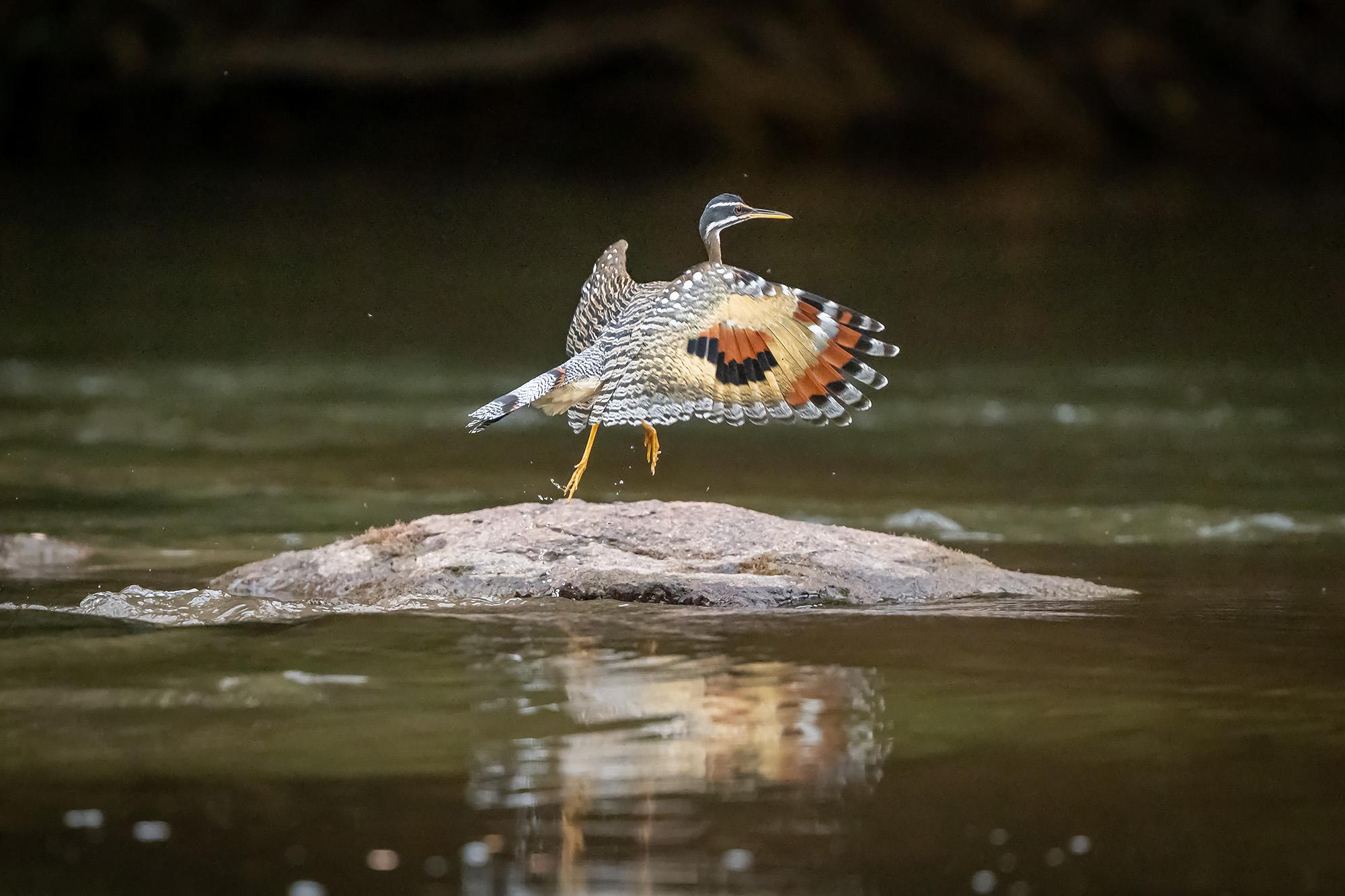
4. The Bird That Opens Wings Like a Butterfly

Alt Text: Sunbittern displaying colorful patterned wings beside an Amazon stream.

The sunbittern appears fairly ordinary until it feels threatened.

Suddenly, it spreads its wings to reveal spectacular patterns resembling enormous butterfly eyes.

This startling display often surprises predators long enough for the bird to escape.

Unlike many rainforest birds, the sunbittern spends much of its time walking quietly beside streams searching for insects, small fish, and frogs.


5. The World’s Smallest Monkey

Alt Text: Tiny pygmy marmoset clinging to a rainforest tree branch.

The pygmy marmoset is the smallest monkey on Earth.

Adults weigh little more than an apple and can comfortably sit in the palm of a human hand.

Despite their tiny size, these monkeys are incredibly agile.

They leap between branches, feed on tree sap, insects, and fruit, and communicate using high-pitched whistles that are often too faint for humans to hear.

Living in close family groups helps protect them from predators.


6. The Insect That Disappears Into Leaves

Alt Text: Leaf-mimicking katydid resting on rainforest vegetation.

Some Amazon katydids have evolved wings that look exactly like damaged leaves.

Their wings display:

  • Fake leaf veins
  • Brown spots resembling decay
  • Tiny holes that imitate insect damage

Even experienced researchers sometimes overlook them.

This extraordinary camouflage allows the insects to avoid hungry birds, reptiles, and mammals.


7. Every Fallen Tree Creates New Life

Alt Text: Fallen tree in the Amazon rainforest covered with moss, fungi, and insects.

When a giant rainforest tree falls, its story isn’t over.

Within days, fungi begin breaking down the wood.

Beetles tunnel inside.

Ant colonies move in.

Tiny frogs hide beneath damp bark.

Young plants sprout from the decaying trunk, using its nutrients to begin new life.

Ecologists call these fallen logs “nurse trees” because they support hundreds of species during decomposition.

In the Amazon, even death becomes the beginning of another thriving ecosystem.


The Endless Wonders of the Amazon

Scientists believe that thousands of Amazon species remain undiscovered. Every expedition into remote forests reveals new insects, fish, fungi, amphibians, or plants that have never before been documented.

Modern tools such as camera traps, drones, and environmental DNA sampling continue to uncover hidden wildlife, proving that the Amazon still holds countless secrets waiting to be explored.


Why Conservation Matters

The remarkable animals of the Amazon depend on healthy forests and clean rivers. Habitat loss, illegal logging, mining, and climate change threaten many of these unique species.

Protecting the rainforest safeguards not only its wildlife but also one of the planet’s most important ecosystems—one that helps regulate climate, store carbon, and support millions of people.


Conclusion

The Amazon Rainforest is a place where nature constantly challenges our imagination. A turtle disguised as leaves, a monkey no larger than a squirrel, birds with dazzling displays, and insects that vanish into foliage all demonstrate the incredible creativity of evolution.

These hidden stories remind us that some of the most extraordinary wildlife on Earth is still waiting quietly beneath the emerald canopy of the Amazon.

Posted on Leave a comment

Born Different: 7 Animals With Stunning Color Mutations That Made Them Look Like Another Species

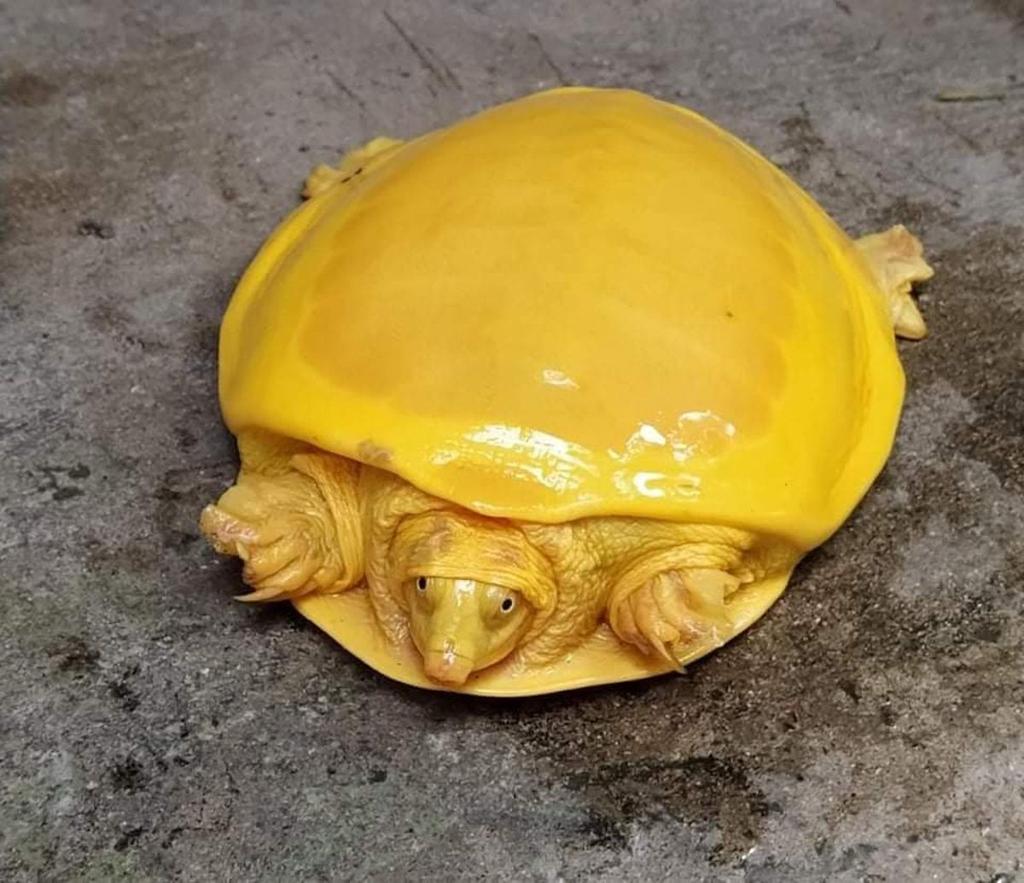
Rare yellow turtle displaying unusual bright shell and skin coloration.

Born Different: 7 Animals With Stunning Color Mutations That Made Them Look Like Another Species

Image
Image
Image
Image

Born Different: 7 Animals With Stunning Color Mutations That Made Them Look Like Another Species

Nature usually follows familiar patterns. Zebras wear black-and-white stripes. Lobsters appear dark green or brown. Penguins arrive in classic tuxedo colors.

But sometimes, nature surprises everyone.

Across the world, a tiny number of animals are born with unusual pigments that transform their appearance completely. Some turn pure white. Others become golden, blue, pink, or nearly black. These color differences can make them look like entirely different species.

Scientists often link these unusual appearances to rare genetic mutations affecting pigment production. While these animals may look magical, their strange colors can bring both advantages and challenges in the wild.

Here are seven remarkable examples of animals born unlike the rest of their species.


1. The White Alligator That Looked Like a Mythical Creature

Image
Image
Image

At first glance, a white alligator barely looks real.

Most alligators develop dark olive skin that helps them hide in muddy water. But a rare genetic condition called leucism reduces normal pigmentation, leaving the animal with pale or nearly white skin.

Unlike complete albinism, leucistic animals may still retain some normal eye coloration.

White alligators face major survival challenges in the wild. Their bright appearance makes camouflage difficult, leaving them easier to spot by predators and prey alike.

Because of this, many documented white alligators live under protected conditions rather than surviving independently in nature.

Image Alt Text: Rare white alligator resting near water with pale scales and light eyes.


2. The Pink Grasshopper That Looks Digitally Edited

Image
Image
Image
Image

Imagine walking through a green field and spotting a bubblegum-pink grasshopper.

It sounds impossible—but pink grasshoppers are real.

Their unusual appearance is often linked to a rare pigment condition called erythrism, which causes excessive red or pink coloration.

While ordinary grasshoppers blend easily into vegetation, pink individuals stand out dramatically.

Scientists believe these unusual insects may appear only once in hundreds of thousands of individuals, making every sighting memorable.

Unfortunately, visibility can also become a disadvantage because camouflage is essential for survival.

Image Alt Text: Bright pink grasshopper sitting on a green leaf in natural sunlight.


3. The Blue Lobster That Defies Ocean Expectations

Image
Image
Image
Image
Image
Image
Image

Blue lobsters have become internet celebrities—but they are genuinely rare.

Most lobsters carry dark shell colors that help them remain hidden along the ocean floor. In rare cases, genetic changes cause an overproduction of certain proteins linked to shell pigmentation.

The result is a brilliant electric-blue shell.

Some estimates suggest blue lobsters appear only once in millions of individuals.

Fishermen occasionally discover them and choose to donate them to aquariums rather than sell them.

Their unusual appearance has helped turn them into symbols of rare natural beauty.

Image Alt Text: Rare blue lobster with vivid shell coloration underwater.


4. The Golden Zebra That Lost Its Signature Stripes

Image
Image
Image
Image
Image
Image
Image
Image
Image
Image
Image
Image
Image
Image
Image
Image
Image
Image
Image
Image
Image
Image
Image
Image
Image
Image
Image
Image
Image
Image
Image
Image
Image
Image
Image
Image

Zebras are famous for one thing: bold black stripes.

But a few rare individuals are born with reduced dark pigmentation, creating pale gold or blond coloring.

These animals still retain stripe patterns—but the colors appear softer and much lighter than usual.

Researchers believe unusual pigment expression during development may alter stripe intensity.

Because zebras depend partly on visual group patterns, scientists continue studying whether these color differences affect social behavior.

To observers, however, they look almost unreal.

Image Alt Text: Rare golden zebra standing in grassland with pale stripe coloration.


5. The Dark Penguin Wearing a Reverse Tuxedo

Image
Image
Image

Penguins are icons of black-and-white contrast.

Yet some are born with melanism, a condition that produces excessive dark pigment.

Instead of white bellies and balanced patterns, these individuals appear dramatically darker.

Scientists have observed melanistic penguins in several species, creating birds that almost look redesigned.

Color changes may influence heat absorption and recognition within colonies, although research continues.

Their appearance reminds us that even one of the world’s most recognizable animals can break its own rules.

Image Alt Text: Dark-colored penguin with unusual black plumage standing among normal penguins.


6. The Snow-White Deer That Became a Local Legend

Image
Image
Image

White deer have inspired legends for centuries.

Many owe their appearance to albinism or leucism—conditions that reduce normal pigment production.

With bright coats and striking appearances, these deer often become local celebrities whenever spotted.

But life can be difficult.

Reduced camouflage and, in some cases, vision sensitivity may create additional survival pressures.

Even so, their graceful appearance continues to fascinate photographers and wildlife enthusiasts.

Image Alt Text: White deer standing quietly inside a forest clearing.


7. The Yellow Turtle That Looked Like It Was Painted

Image
Image
Image

Most turtles rely on muted greens, browns, and dark patterns.

Occasionally, however, a turtle emerges with unusually bright yellow coloring caused by pigment abnormalities.

These turtles immediately attract attention because their shells and skin can appear almost glowing.

Scientists view such cases as valuable opportunities to understand how genes influence coloration across reptile species.

To the public, they simply look unforgettable.

Image Alt Text: Rare yellow turtle displaying unusual bright shell and skin coloration.


Why Do These Strange Colors Happen?

Unusual animal colors usually result from changes in pigment-producing cells or inherited genetic variations.

Some common causes include:

  • Albinism – little or no melanin production
  • Leucism – reduced overall pigmentation
  • Melanism – excess dark pigment
  • Erythrism – increased red or pink coloration
  • Unique genetic mutations affecting color proteins

While these differences can make animals famous, survival in the wild often becomes harder because camouflage plays such an important role.

Still, every rare-colored animal offers a reminder that nature never repeats itself perfectly.

Sometimes the most extraordinary creatures are not new species at all—they are simply familiar animals born in colors nobody expected.