Posted on Leave a comment

🌿 7 Amazing Amazon Rainforest Animals With Unbelievable Survival Secrets

Image
Image
Image
Image

🌿 7 Amazing Amazon Rainforest Animals With Unbelievable Survival Secrets

Category: Wildlife | Nature | Amazon Rainforest

Tags: Amazon Rainforest, Amazon wildlife, rainforest animals, wildlife stories, jungle animals, biodiversity, South America, nature facts, exotic animals, conservation

Meta Description:
Discover seven fascinating Amazon animals with extraordinary survival strategies, including the pink toe tarantula, kinkajou, arapaima, giant silk moth, and red fan parrot.


7 Amazing Amazon Rainforest Animals With Unbelievable Survival Secrets

The Amazon Rainforest shelters more wildlife than any other ecosystem on Earth. Scientists estimate that one in every ten known species lives somewhere within this vast network of forests, rivers, and wetlands. Beyond its famous jaguars and anacondas lies an incredible collection of lesser-known animals, each with remarkable adaptations for survival.

From spiders that climb trees to giant fish that breathe air, these seven true stories highlight the hidden wonders of the Amazon.


1. The Tarantula That Lives Above the Forest Floor

Alt Text: Pink toe tarantula climbing a moss-covered rainforest branch.

Unlike many tarantulas that dig burrows, the pink toe tarantula spends much of its life high in the trees.

Its sticky foot pads help it climb smooth bark and branches with ease. During the day it hides inside silk-lined shelters made from curled leaves or tree hollows.

Instead of spinning webs to trap prey, it waits patiently before quickly catching insects, small frogs, or tiny lizards that wander within reach.


2. The Parrot That Becomes a Colorful Fan

Alt Text: Red fan parrot displaying its colorful neck feathers.

The red fan parrot, also known as the hawk-headed parrot, usually appears calm and slender.

However, when excited or threatened, it raises long neck feathers into an impressive circular fan decorated with brilliant shades of red and blue.

This dramatic display helps intimidate rivals while making the bird one of the most spectacular parrots in the Amazon.


3. The Tiny Frog With Brilliant Warning Colors

Alt Text: Brightly colored poison dart frog resting on a rainforest leaf.

Many poison dart frogs advertise their defenses with vivid colors.

Their bright patterns warn predators to stay away, reducing the need for escape or combat.

Interestingly, frogs raised in captivity often lose their natural toxicity because their wild diet of certain ants and mites provides the compounds used for chemical defense.


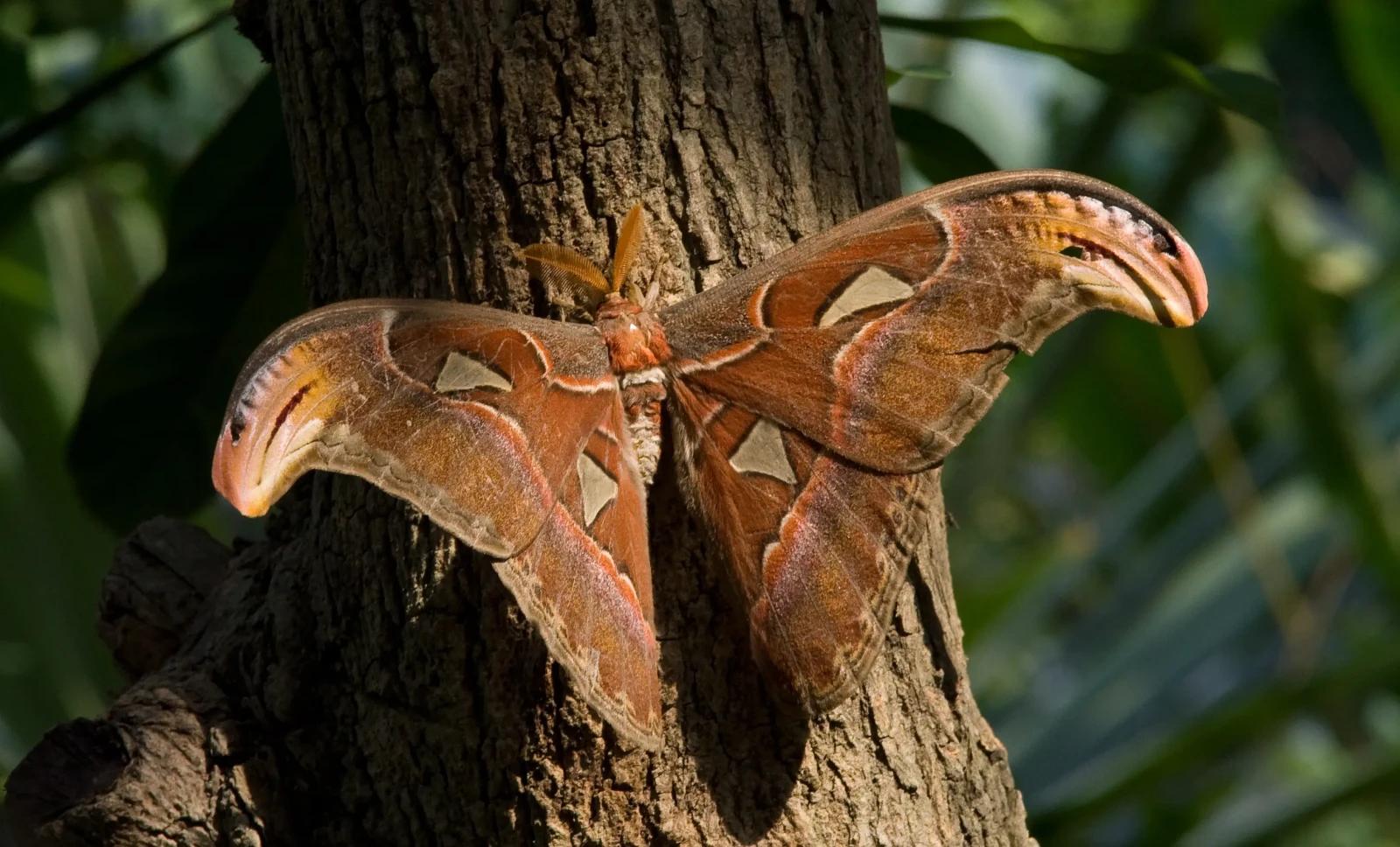
4. The Giant Moth That Never Eats

Alt Text: Giant silk moth resting on tree bark in the Amazon.

Some giant silk moths emerge from their cocoons with one important mission—finding a mate.

Adult moths lack functional mouthparts and cannot feed.

They survive entirely on energy stored while they were caterpillars, often living for only a week before completing their life cycle.

Despite their short adult lives, their enormous wings make them among the Amazon’s most beautiful insects.


5. The Nighttime Fruit Lover

Alt Text: Kinkajou eating ripe fruit high in the rainforest canopy.

The kinkajou is sometimes called the “honey bear,” although it is not closely related to bears.

This agile mammal spends almost every night searching the canopy for ripe fruit, nectar, and flowers.

Its long prehensile tail acts as a balancing aid while climbing, and its long tongue easily reaches nectar hidden deep inside blossoms.

By feeding on fruit, kinkajous help spread seeds throughout the rainforest.


6. The Giant Fish That Breathes Air

Alt Text: Arapaima surfacing in the Amazon River.

The arapaima is one of the largest freshwater fish in the world, capable of growing more than 3 meters (10 feet) long.

Unlike most fish, it must regularly surface to breathe air using a specialized swim bladder that functions much like a lung.

This adaptation allows it to survive in warm, oxygen-poor waters where many other fish would struggle.


7. Life Continues After Sunset

Alt Text: Moonlight shining through the Amazon rainforest canopy.

When darkness falls, the Amazon becomes even more active.

Owls begin hunting.

Frogs call from hidden pools.

Bats pollinate flowers.

Moths fill the air.

Nocturnal mammals quietly search for fruit beneath the moonlit canopy.

Nearly half of the rainforest’s wildlife becomes most active after sunset, revealing a completely different world from the daytime forest.


Why the Amazon Continues to Fascinate Scientists

The Amazon remains one of Earth’s greatest scientific frontiers.

Every year researchers identify new insects, amphibians, fish, fungi, and plants. Improved technologies such as environmental DNA sampling and camera traps continue revealing species that had escaped human observation for centuries.


Conserving the World’s Greatest Rainforest

Every Amazon species contributes to a complex web of life.

Fish disperse seeds.

Mammals pollinate flowers.

Birds spread fruits.

Insects recycle nutrients.

Protecting the rainforest safeguards these essential ecological relationships and preserves one of the planet’s richest centers of biodiversity.


Final Thoughts

The Amazon Rainforest is a place where survival has inspired extraordinary adaptations.

Tree-climbing tarantulas, air-breathing fish, colorful parrots, giant moths, and nocturnal fruit lovers all demonstrate nature’s remarkable creativity.

As scientists continue exploring this vast wilderness, countless more stories are waiting to be discovered.


WordPress Image SEO

ImageFile NameAlt Text
1pink-toe-tarantula.jpgPink toe tarantula climbing a rainforest tree branch
2red-fan-parrot.jpgRed fan parrot displaying colorful neck feathers
3poison-dart-frog.jpgBright poison dart frog resting on a tropical leaf
4giant-silk-moth.jpgGiant silk moth resting on Amazon rainforest bark
5kinkajou-fruit.jpgKinkajou eating ripe fruit high in the Amazon canopy
6arapaima-surfacing.jpgGiant arapaima surfacing to breathe in the Amazon River
7amazon-night-canopy.jpgMoonlight filtering through the Amazon rainforest canopy
Posted on Leave a comment

🌿 7 Hidden Amazon Animal Stories That Even Experienced Wildlife Lovers Rarely Know

https://images.openai.com/static-rsc-4/4N8MFPtifcpWevy4_bA4zglG5MBGxLnqVlkAPtzD1cWbk6Rh8zr0VRrGoOy_1oEx_vKlRDBBpeGUM_Y3XFy_rF3NORS8BebnlUQLMMSByQh0bLbYd1H-rFtJAYEDU1xfWLYLIVDri_G7HhSUs6XKZDj3eazeN4s_sIKwYjxzTSH9fJcfe9ENON27bRkd4krg?purpose=fullsize
https://images.openai.com/static-rsc-4/SKBWWPPR1ffr56SaYjvCAsAfMfhDuWSgIfq8qilo7beXp-0ExdP5boZ5TA3Irxk-DPDwTouRl7Rgxj4wTRVYVnhXH34fpPKz1K6bKjhMXI6vCP4OAegoVJS7-mMfkKpIuVTfVHe5T-e4lsULN7amGOg25mCBN_KPSp7p0SzU8Y3d0DFwDVuxGmNBP1G7r_27?purpose=fullsize
https://images.openai.com/static-rsc-4/wKGdrPl829Ljd3xApd9v1ffzJnJsdlSvL_MC2SehZs0pYaBntBV4_xYJlBC2IwjdgzERKcBdm5CxLSWh4Qw9AsnDHbPpsDZ984wQ9pD8wooC9aHv1sKoScdqrA-kNw1Y1_6jrywSdlWdlE4T-xEr0D6fUSa77YfPuNodmaQlgi12ONvUXndFKauT5OJiKiN7?purpose=fullsize

4

🌿 7 Hidden Amazon Animal Stories That Even Experienced Wildlife Lovers Rarely Know

Category: Wildlife | Nature | Amazon Rainforest

Tags: Amazon rainforest, hidden wildlife, rare Amazon animals, wildlife stories, rainforest biodiversity, jungle animals, South America, exotic wildlife, nature facts, conservation

Meta Description:
Explore seven fresh stories about little-known Amazon wildlife, including transparent butterflies, tiny squirrels, freshwater stingrays, camouflaged frogs, and remarkable rainforest spiders.


7 Hidden Amazon Animal Stories That Even Experienced Wildlife Lovers Rarely Know

Every year, millions of visitors dream of seeing the Amazon Rainforest. Most hope to spot jaguars, giant snakes, or colorful macaws. Yet many of the rainforest’s most fascinating animals are far smaller, quieter, and easier to overlook.

These hidden species have evolved extraordinary survival strategies that demonstrate just how inventive nature can be. From transparent wings to underwater camouflage, their stories reveal a side of the Amazon that few people ever experience.


1. The Tiny Spider That Builds a Mystery

Alt Text: Small Amazon spider beside a unique silk “Silkhenge” web structure.

In 2013, scientists exploring the Amazon discovered a strange web unlike anything they had seen before.

Nicknamed “Silkhenge,” the tiny structure looked like a miniature fence surrounding a delicate silk tower.

For years, researchers debated its purpose before discovering it protected spider eggs from predators and parasites.

The discovery reminded scientists that even in the modern age, the Amazon still holds surprises hidden in plain sight.


2. The Butterfly You Can Almost See Through

Alt Text: Glasswing butterfly with transparent wings resting on a leaf.

The glasswing butterfly appears almost invisible in flight.

Most of its wings are transparent because they lack the colorful scales found on other butterflies.

This unusual adaptation makes it extremely difficult for birds to detect as it glides through patches of sunlight in the forest.

Its nearly invisible wings are one of nature’s most elegant forms of camouflage.


3. One of the World’s Smallest Squirrels

Alt Text: Tiny Amazon dwarf squirrel climbing a tree trunk.

The Amazon dwarf squirrel is only about the size of a human hand.

Despite its tiny body, it moves rapidly through the treetops searching for seeds, fruit, insects, and fungi.

Its small size allows it to reach slender branches that larger mammals cannot safely climb.

This gives it access to valuable food sources hidden high in the canopy.


4. The Frog That Looks Like Dead Leaves

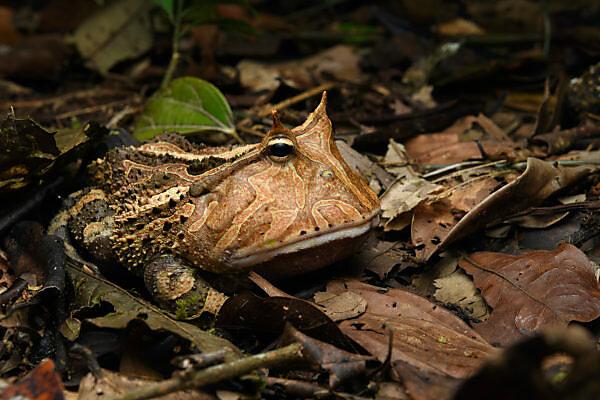
Alt Text: Horned frog perfectly camouflaged among brown rainforest leaves.

The Amazon horned frog spends much of its life buried beneath fallen leaves.

Its broad head and earth-colored skin make it almost impossible to distinguish from the forest floor.

Rather than chasing prey, it waits patiently for insects, small reptiles, or rodents to wander close enough for a lightning-fast strike.

Patience is its greatest hunting tool.


5. The Colorful Toucan With a Smaller Beak

Alt Text: Aracari toucan eating berries in the Amazon canopy.

Aracaris belong to the toucan family but have slimmer bodies and shorter beaks than their larger relatives.

They travel through the canopy in noisy groups searching for fruit, insects, and small animals.

As they eat fruit, they carry seeds throughout the forest, helping regenerate new trees over large distances.

Without birds like aracaris, many rainforest plants would struggle to spread naturally.


6. The Stingray That Lives Far From the Ocean

Alt Text: Freshwater stingray resting on the sandy bottom of an Amazon river.

Many people are surprised to learn that stingrays also live in freshwater.

Amazon freshwater stingrays spend their lives in rivers rather than the sea.

Their flattened bodies allow them to hide beneath sand while waiting for fish and small invertebrates.

They are highly adapted to freshwater habitats and represent one of the Amazon River’s most unusual predators.


7. The Giant Tree That Supports an Entire Community

Alt Text: Massive kapok tree rising above the Amazon rainforest canopy.

The towering kapok tree can reach more than 60 meters (200 feet) in height.

Its enormous branches provide nesting sites for birds, resting places for monkeys, and pathways for countless insects.

Epiphytic orchids, bromeliads, mosses, and vines all grow upon its trunk and branches.

Rather than supporting just one species, a single mature kapok tree becomes an entire ecosystem in itself.


Every Discovery Leads to Another

Despite centuries of exploration, scientists continue finding new Amazon species every year.

Improved technology, including drones, camera traps, and DNA analysis, reveals animals that were previously impossible to study.

The rainforest remains one of Earth’s greatest natural laboratories.


Protecting Hidden Wildlife

Many lesser-known Amazon animals receive far less public attention than famous species.

Yet each one contributes to pollination, seed dispersal, pest control, or nutrient cycling.

Conserving the Amazon means protecting not only its iconic wildlife but also the countless small creatures that quietly keep the ecosystem functioning.


Final Thoughts

The Amazon’s greatest treasures are often its least famous inhabitants.

Transparent butterflies, mysterious spiders, tiny squirrels, and freshwater stingrays demonstrate that extraordinary adaptations come in every size.

As scientists continue exploring this remarkable rainforest, countless more hidden stories are waiting to be discovered

Posted on Leave a comment

🌳 7 Incredible Amazon Animal Stories Hidden Deep in the Rainforest

https://images.openai.com/static-rsc-4/BT_y9Pw5rdhF9QdFgg7n8EDMUmyyQHfZ810XQobU4emIJztwHBn95H5XDTrF5Bos9_etfm9aVnnMr9WqZasHG44IWuHOctdCgMJYrR8hKNbjrSVmwqGLaxE4aJHchFMv7kEpvRTQ13eoNfKOqFzVolEoHLRHUip6CIx1XQM8FlVsDfLa2qR3sxMXgroBYFUU?purpose=fullsize
https://images.openai.com/static-rsc-4/B0tA8JuNesh5ay_TL-yzTcEq1fpG8cALKauUmtgOtdUJ0JfOThSfsTcHwnMGcyT0lxwpipoNvZmZmFeJdCUdGt3fexr_jzn1zH2H5uZOFga94Vk6cuqorIZnJASAWkGW4W50_TYd8B4s5xwkNRGm4M8KJglJHDqKoWy-iuRh3mdr-7XTGa_WawSFRbMNLg2D?purpose=fullsize
https://images.openai.com/static-rsc-4/69NfjJ8kYkvay8v9vXjMzgcy6xC_K2WhrSalxc4L70mjvy-l9HNEX7n0zHRiNSnri0M00YQPnMG8Q6S2zZgaEM0fu0EZ451upULeSJJSqblxVyIYE5jzkyEouVL8X9JVieicVR_DtqIFHv0by0IiWCkO00Bd7QO6uhvF5T39BA2hutulIcCfLiOncl8N3BmH?purpose=fullsize

6

🌳 7 Incredible Amazon Animal Stories Hidden Deep in the Rainforest

Category: Wildlife | Nature | Rainforest Stories

Tags: Amazon rainforest, Amazon wildlife, wildlife facts, strange animal stories, jungle animals, rare rainforest animals, South America, biodiversity, conservation, nature, exotic animals

Meta Description:
Discover seven fresh Amazon wildlife stories featuring the Brazil nut’s secret partner, the elusive bush dog, giant centipedes, saddleback tamarins, and other remarkable rainforest animals.


7 Incredible Amazon Animal Stories Hidden Deep in the Rainforest

The Amazon Rainforest is often called the greatest wildlife sanctuary on Earth. While iconic species like jaguars and macaws receive worldwide attention, hundreds of remarkable animals quietly shape the rainforest every day.

Some help grow giant trees. Others hunt in family groups or survive using extraordinary adaptations developed over millions of years.

Here are seven completely different stories from the Amazon that reveal just how amazing this ecosystem truly is.


1. The Small Rodent That Plants Giant Forests

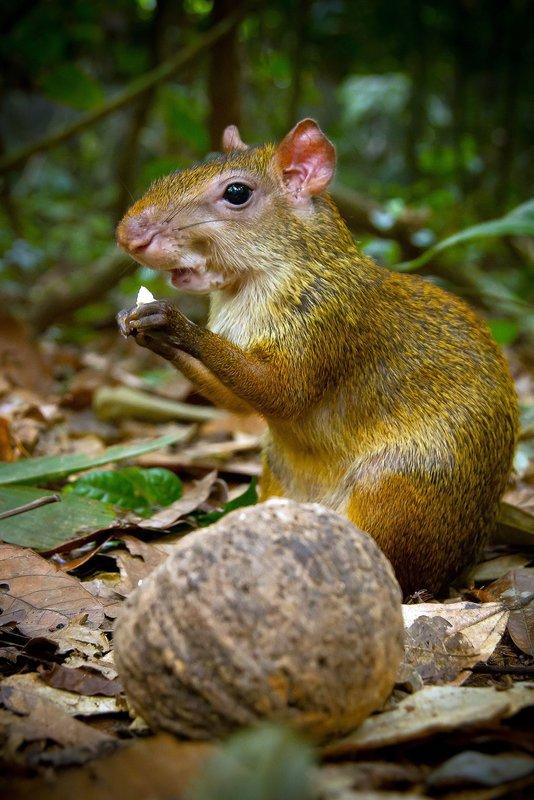
Alt Text: Agouti carrying a Brazil nut across the Amazon forest floor.

The agouti may resemble a large guinea pig, but it performs one of the Amazon’s most important jobs.

Brazil nut trees produce extremely hard fruits that very few animals can open.

Agoutis use their powerful front teeth to crack open the shell. Instead of eating every seed, they bury many of them as food stores for later.

Some hidden seeds are forgotten and eventually grow into enormous Brazil nut trees that can live for centuries.

Without agoutis, natural regeneration of these giant trees would be greatly reduced.


2. The Bat That Helps Keep Animals Healthy

Alt Text: Common vampire bat drinking from a shallow puddle in the rainforest.

The common vampire bat often has a frightening reputation, but its social behavior is surprisingly complex.

Individuals that successfully feed sometimes share food with hungry colony members that were unsuccessful the previous night.

Scientists have documented long-term social bonds within colonies, where bats remember helpful companions and return the favor later.

This cooperative behavior is one reason vampire bats are frequently studied by animal behavior researchers.


3. The Bird With a Voice Like a Trumpet

Alt Text: Southern screamer standing beside an Amazon wetland.

The southern screamer is impossible to ignore once it begins calling.

Its loud, trumpet-like voice echoes across wetlands and flooded forests, allowing pairs to communicate over great distances.

Unlike many large birds, screamers mainly eat aquatic plants and spend much of their lives near marshes and shallow lakes.

Their powerful calls help strengthen pair bonds and defend territories.


4. The Mysterious Wild Dog Few People Ever See

Alt Text: Bush dog exploring a rainforest trail.

The bush dog is one of South America’s rarest carnivores.

Short-legged and compact, it looks unlike any other wild dog.

Bush dogs hunt cooperatively in small packs, often pursuing rodents and other small mammals through dense vegetation.

Because they are shy and inhabit remote forests, even experienced wildlife researchers may spend years without seeing one in the wild.


5. The Giant Centipede That Rules the Forest Floor

Alt Text: Giant Amazon centipede crawling across leaf litter.

The Amazon giant centipede is among the rainforest’s most efficient nighttime predators.

Using dozens of legs, it moves rapidly across fallen leaves searching for insects, spiders, frogs, and other small prey.

Its speed and powerful venom allow it to capture animals much larger than many people would expect from an invertebrate.

Despite its fearsome appearance, it plays an important role by helping regulate populations of smaller forest animals.


6. The Tiny Monkey That Never Travels Alone

Alt Text: Saddleback tamarin family moving together through the Amazon canopy.

The saddleback tamarin lives in close family groups.

Members constantly communicate with whistles, chirps, and scent markings while moving through the forest.

Adults cooperate to carry babies, giving mothers valuable time to feed and rest.

Their teamwork allows the group to stay alert for predators while searching for fruit, insects, and tree sap.


7. A Tree That Depends on Animals to Survive

Alt Text: Massive Brazil nut tree rising above the Amazon rainforest canopy.

The towering Brazil nut tree cannot thrive alone.

Its flowers rely on large native bees for pollination.

Its seeds depend on agoutis for dispersal.

Healthy forests provide habitat for both species, creating a remarkable ecological partnership.

This relationship shows that even the tallest trees in the Amazon depend on much smaller animals for their future.


Why the Amazon Is a Web of Connections

The Amazon is more than a collection of individual species—it is a network of relationships.

Small rodents help forests grow.

Bees pollinate towering trees.

Predators maintain balanced ecosystems.

Family groups cooperate to raise young.

Every animal contributes to the health of the rainforest in ways scientists are still discovering.


Conserving the Amazon’s Wildlife

Protecting the Amazon means preserving these intricate natural relationships.

Conservation efforts support healthy forests, clean rivers, and thriving wildlife populations while also benefiting local communities and the global climate.

Every protected habitat helps safeguard thousands of extraordinary species that cannot be found anywhere else.


Final Thoughts

The Amazon continues to surprise researchers with new discoveries and fascinating behaviors. Whether it’s a rodent planting future forests, a shy wild dog hunting in packs, or tiny monkeys sharing parenting duties, each species plays an important role in this extraordinary ecosystem.

These hidden stories remind us that some of nature’s greatest wonders are often the least well known.


Posted on Leave a comment

🦋 7 Incredible Amazon Animal Stories That Nature Lovers Rarely Hear About

https://images.openai.com/static-rsc-4/mvFYcsHdhPxfvkNnLvkU0mHZuqH5oEeGom8R8peZRjrSf5oo5_gj4Wc99OXsZobH0V2ntOunsxN8DgfD8OMuRewK_fF2P6fpdleW6wJZAi0WqX6DdmDxVvJO6NFqidSjrWrG-ga6wND9zoFmthsLvruUXH-E_ixvPazQCm6ImQE1h9W1FZ7ayLXgvZnPkgfC?purpose=fullsize
https://images.openai.com/static-rsc-4/2bdWxHfLU4Y3lR96q3bjsPTAH82Uk3-_WFoYhpM8PSCx3s6D7vl3vjmgzXqi4DoWS0ZBQTq5H3b34WMQUNwpIu5-QmIq8TS_P5_JacpfBl9O1qihWt72LINEjEgvt1ly0E36tGhl-Ii1b7lIZ4-HjzxjfkjlQt3bM2P-aEua5WYGu74FckN6v_qFT_NG3npC?purpose=fullsize
https://images.openai.com/static-rsc-4/edhvObPCFLA1XBpIuMZ9M_e59mSZ3qTb1dXFbuUQESN3KYujJyUmv_rs9ui87DF_l2FqFXGkRX2RPwgpmlfYrakU6fLuRJ_9xE6CYZ-mqaIKXa_iwKSSXyGpDJPNyhtQqvwJAXZ63FudDtLYnjhmDXTQsKsUPGMhpyC9i8MEpQTN-7pk2rjKxjK2w_lsuOrd?purpose=fullsize

6

🦋 7 Incredible Amazon Animal Stories That Nature Lovers Rarely Hear About

Category: Wildlife | Nature | Amazon Rainforest

Tags: Amazon rainforest, Amazon wildlife, rare Amazon animals, strange animal stories, tropical rainforest, wildlife facts, South America, jungle animals, biodiversity, nature, conservation, exotic wildlife

Meta Description:
Discover seven fresh and fascinating stories about little-known Amazon animals, from giant butterflies and tree-climbing anteaters to vine snakes and fishing spiders that defy expectations.


7 Incredible Amazon Animal Stories That Nature Lovers Rarely Hear About

The Amazon Rainforest is famous for jaguars, anacondas, and colorful parrots, but these iconic animals represent only a tiny fraction of the incredible wildlife living beneath its towering canopy.

Hidden among vines, rivers, and flooded forests are animals with remarkable survival skills that rarely make headlines. Some imitate leaves, others walk on water, while a few have developed lifestyles unlike anything else in the natural world.

Here are seven completely different Amazon animal stories that reveal another side of the world’s largest tropical rainforest.


1. The Butterfly With Wings Larger Than Many Birds

Alt Text: Blue Amazon birdwing butterfly resting on a tropical rainforest flower.

The Amazon Birdwing is one of the largest butterflies on Earth.

Females can have wingspans exceeding 25 centimeters (10 inches), making them larger than some small birds.

Their brilliant blue and green colors flash through the rainforest canopy as they search for flowering plants.

Besides their beauty, these butterflies are important pollinators, helping countless rainforest plants reproduce.

Their presence is often considered a sign of a healthy forest ecosystem.


2. The Spider That Hunts on Water

Alt Text: Fishing spider standing on the surface of a calm Amazon stream.

Unlike most spiders, the Amazon fishing spider spends much of its life near water.

Sensitive hairs on its legs detect tiny ripples created by insects, tadpoles, or even small fish.

When prey approaches, the spider races across the water’s surface before grabbing it with lightning-fast precision.

Some species can even dive underwater for short periods to escape predators.


3. The Monkey That Rarely Comes Down

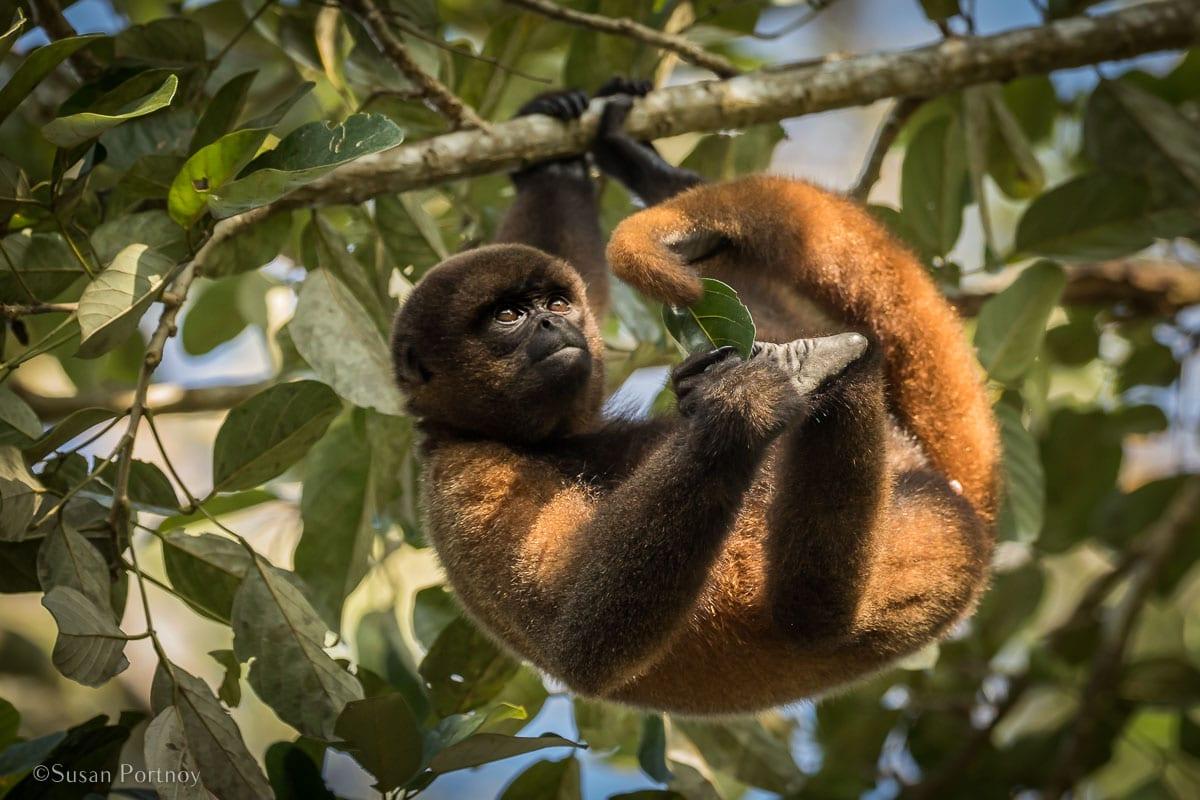
Alt Text: Brown woolly monkey moving through the upper Amazon rainforest canopy.

The woolly monkey spends nearly its entire life high in the treetops.

Its powerful tail acts like a fifth limb, wrapping securely around branches while it climbs, feeds, and rests.

Large family groups travel together searching for ripe fruit.

As they move through the forest, they unknowingly spread thousands of seeds, helping new trees grow across the rainforest.


4. The Anteater That Loves Climbing

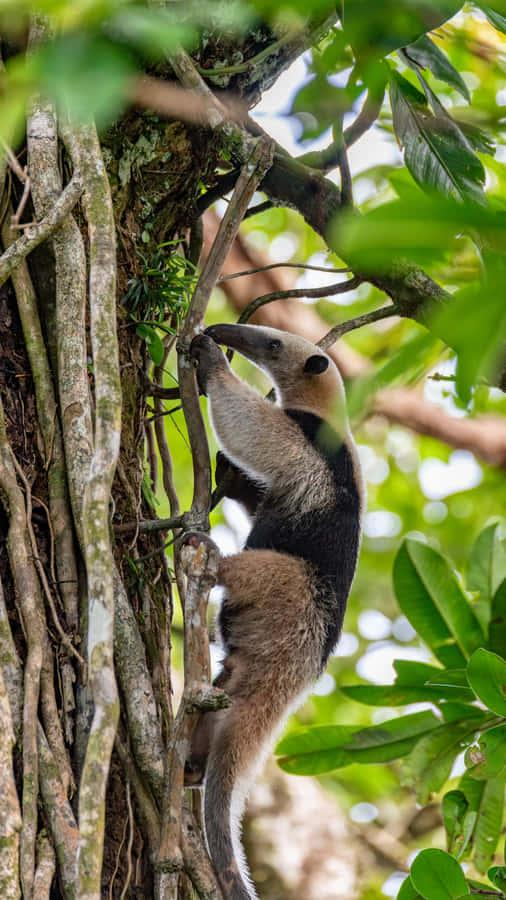
Alt Text: Southern tamandua climbing a moss-covered rainforest tree.

Unlike its giant relative that spends most of its time on the ground, the tamandua is an excellent climber.

Using strong claws and a prehensile tail, it moves effortlessly through trees searching for ants and termites.

Its sticky tongue can reach deep inside insect nests, capturing hundreds of insects within minutes.

When threatened, the tamandua stands upright and uses its powerful claws to defend itself.


5. The Snake That Looks Exactly Like a Vine

Alt Text: Green vine snake perfectly camouflaged among rainforest vines.

The green vine snake is one of nature’s greatest illusionists.

Its incredibly slender body blends perfectly with hanging vines.

Even its pointed head resembles a fresh leaf.

Instead of chasing prey, it waits patiently until a small lizard, bird, or frog comes within striking distance.

Its camouflage is so effective that many animals pass within centimeters without noticing it.


6. The Scarlet Bird That Paints the Sky Red

Alt Text: Scarlet ibis flying above an Amazon wetland at sunset.

The Scarlet Ibis is one of South America’s most colorful birds.

Its brilliant red feathers come from pigments found in the crustaceans it eats.

Large flocks gather in wetlands during sunrise and sunset, creating breathtaking displays against the tropical sky.

Besides their beauty, these birds help control populations of small aquatic animals while contributing to the health of wetland ecosystems.


7. The Forest That Becomes an Underwater World

Alt Text: Flooded Amazon rainforest with trees rising from calm water.

Every rainy season, parts of the Amazon transform dramatically.

Rivers overflow, flooding vast areas of forest.

Fish swim among tree trunks.

River dolphins weave through submerged branches.

Turtles search for fruit that falls directly into the water.

This seasonal flooding creates one of Earth’s most unique ecosystems, allowing aquatic and forest animals to interact in extraordinary ways.

Many Amazon species have evolved specifically to survive this annual transformation.


A Rainforest Full of Surprises

Scientists estimate that the Amazon is home to more than three million species, many of which remain poorly studied.

Every year, researchers discover new frogs, insects, spiders, fish, orchids, fungi, and even mammals in remote regions of the forest.

The Amazon continues to remind us that nature still holds countless mysteries waiting to be explored.


Protecting These Extraordinary Animals

Healthy rivers, wetlands, and forests are essential for the survival of Amazon wildlife.

Conservation projects, scientific research, and partnerships with Indigenous communities are helping protect habitats from deforestation and other environmental threats.

Every protected area helps preserve one of the richest collections of life on Earth.


Conclusion

The Amazon Rainforest is filled with remarkable creatures that rarely appear in documentaries or travel guides. From giant butterflies and tree-climbing anteaters to fishing spiders and perfectly camouflaged vine snakes, each species has evolved unique adaptations for life in one of the world’s most complex ecosystems.

These fascinating stories remind us that the greatest wonders of the Amazon are often hidden in plain sight—waiting for curious explorers to discover them.

Posted on Leave a comment

🐍 7 Unbelievable Amazon Animal Stories That Most People Have Never Heard Before

https://images.openai.com/static-rsc-4/eaSov1HF1lDHOrdQai0MoFH95pOGgcXSFjN0UU4lQ8bbmqshM4NiuKi3A3JkHpD6nB4bDchBdEV4LAZ9YbflSvEiHDDE0J8t2LYSSABjL1wxtAxuhtUByt2-6Y8X-SWXJgZpAr8NUl5I91g-5qHTHCaDfDlX29f-1e2K-gYwkQXSvPtgibCQXe_co_qv4p-L?purpose=fullsize
https://images.openai.com/static-rsc-4/Mhgpu-PiSqnQl1Y6Q6lnHOXuudNyk-hXA0HHK65q_nfaGGizk2FRajcm7sp5DaOh0GurjZhzNiNHs5ro5mVajR3lV5bU8cSrqMjRVbpgn8HksEO9S9xbLS9aoWokOh0GQ1JxuPqZwmXAWni7Hv-sdZL0g66Fybp8fXJSPjEi6u4LBVm0QA4yspMQKoA0Hzxf?purpose=fullsize
https://images.openai.com/static-rsc-4/If504vdT1a513liV5eJFgWU1CDDUOzd0F0Io2xySp1NnsJP1gyYWtN_8li-roAO4AyhOaqtEye--b4T9CmBhUIPQyj1tU8sYxZvOHSPeDBKDRI_Ww7ZO06NrLczqQRqsgTMureR9kHC6dwsjtZYGKk5QlM-IJiMNXWQRHQZEoMSvzruJ1BHLe_AJsy65Ftci?purpose=fullsize

4

🐍 7 Unbelievable Amazon Animal Stories That Most People Have Never Heard Before

Category: Wildlife | Nature | Animal Stories

Tags: Amazon animals, Amazon rainforest, strange wildlife, jungle animals, rainforest creatures, unusual animals, wildlife facts, Amazon biodiversity, South America, nature stories, exotic animals, conservation

Meta Description:
Explore seven completely different and fascinating stories about Amazon animals, including the invisible potoo bird, the electric eel, the water-running basilisk, and other extraordinary rainforest creatures.


7 Unbelievable Amazon Animal Stories That Most People Have Never Heard Before

The Amazon Rainforest is often described as Earth’s greatest natural treasure. It stretches across nine South American countries and shelters an incredible variety of wildlife. While jaguars, anacondas, and macaws usually steal the spotlight, many lesser-known animals possess abilities that seem almost supernatural.

From birds that disappear in plain sight to fish capable of producing powerful electric shocks, the Amazon is filled with astonishing creatures whose stories deserve to be told.

Here are seven remarkable Amazon animal stories that reveal the rainforest’s hidden wonders.


1. The Bird That Becomes Part of a Tree

Alt Text: Potoo bird perfectly camouflaged against a broken tree branch.

The Common Potoo is one of the world’s greatest masters of camouflage.

During daylight hours, it stands completely motionless on dead tree branches with its head pointed upward. Its gray feathers blend perfectly with rough tree bark, making it almost impossible to spot.

Instead of building elaborate nests, the potoo lays a single egg in a shallow depression on a broken branch. Both parents guard the egg while remaining nearly invisible.

At night, however, this quiet bird comes alive, catching moths and flying insects with its enormous mouth.

Its haunting nighttime calls have inspired countless Amazon legends about mysterious forest spirits.


2. The Lizard That Runs Across Water

Alt Text: Green basilisk lizard sprinting across the surface of a rainforest stream.

Nicknamed the “Jesus Christ Lizard,” the green basilisk performs one of nature’s most astonishing feats.

When threatened, it doesn’t dive into the water.

Instead, it runs across the surface.

Its long toes spread out with every step, trapping pockets of air that allow the lizard to stay above water for several meters before finally swimming away.

Young basilisks are especially fast and use this remarkable skill to escape birds, snakes, and other predators.


3. The Ant Whose Sting Is Compared to a Bullet

Alt Text: Bullet ant climbing along a rainforest branch.

The bullet ant is famous for delivering one of the most painful insect stings known to science.

Despite its fearsome reputation, the ant rarely attacks unless its nest is disturbed.

These large ants help maintain rainforest ecosystems by scavenging insects, dispersing seeds, and recycling nutrients.

Their colonies are organized with remarkable efficiency, proving that even one of the jungle’s most intimidating insects plays an important ecological role.


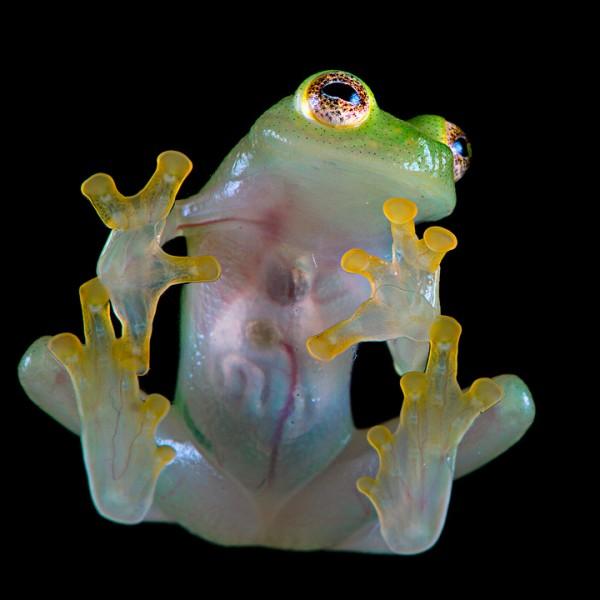
4. The Frog With Transparent Skin

Alt Text: Glass frog resting on a rainforest leaf with its transparent underside visible.

Glass frogs seem almost magical.

Their undersides are so transparent that many internal organs can be seen through the skin.

This unique feature provides excellent camouflage when they rest on leaves above streams.

Male glass frogs display exceptional parental care by guarding eggs laid on leaves until the tadpoles hatch and fall safely into the water below.


5. The Fish That Generates Electricity

Alt Text: Electric eel swimming underwater in a slow-moving Amazon river.

The electric eel isn’t actually an eel—it’s a type of knifefish.

Its body contains specialized cells capable of producing electric discharges reaching hundreds of volts.

These shocks are used for three important purposes:

  • Finding prey in muddy water
  • Defending against predators
  • Stunning fish before eating them

Scientists continue studying electric eels to better understand bioelectricity and nerve function.


6. The Giant Caiman That Rules the River

Alt Text: Black caiman resting quietly on a muddy Amazon riverbank at sunset.

The Black Caiman is one of the largest predators in the Amazon.

Adult males can exceed five meters (16 feet) in length.

Despite their intimidating appearance, black caimans spend much of the day resting quietly before becoming active after sunset.

Healthy populations of black caimans help keep fish and other aquatic animal populations balanced, making them an essential part of the river ecosystem.


7. A Forest Where Every Creature Has a Job

Alt Text: Mist rising above the dense green Amazon rainforest canopy at sunrise.

The Amazon works like a giant living machine.

Tiny insects pollinate flowers.

Birds spread seeds across vast distances.

Frogs control insect populations.

Predators keep herbivore numbers balanced.

Even fallen trees become homes for fungi, insects, reptiles, and countless microorganisms.

Every species, no matter how small, contributes to keeping the rainforest healthy.

Scientists believe that losing even a few key species can affect many others, showing how closely connected Amazon wildlife truly is.


Why the Amazon Continues to Surprise Scientists

Every year, researchers discover previously unknown frogs, insects, fish, plants, and microorganisms in remote parts of the Amazon. Many areas remain difficult to explore because of dense vegetation, seasonal flooding, and limited access.

These discoveries remind us that the Amazon still holds countless secrets. Protecting this extraordinary ecosystem ensures that future generations will continue uncovering new species and learning from one of the richest habitats on Earth.


Conclusion

The Amazon Rainforest is more than a collection of exotic animals—it is a world of remarkable adaptations, hidden behaviors, and fascinating survival strategies. Whether it’s a bird disappearing into a tree, a lizard sprinting across water, or a fish generating electricity, each species tells a unique story about the power of evolution and the resilience of nature.

These incredible animals remind us that some of the world’s greatest mysteries are still alive, thriving beneath the green canopy of the Amazon.


WordPress Image SEO

ImageFile NameAlt Text
1amazon-potoo-camouflage.jpgPotoo bird blending perfectly into a tree branch in the Amazon rainforest
2amazon-basilisk-lizard-water.jpgGreen basilisk lizard running across a rainforest stream
3amazon-bullet-ant.jpgBullet ant walking along a rainforest branch
4amazon-glass-frog.jpgTransparent glass frog resting on a green leaf
5amazon-electric-eel.jpgElectric eel swimming through murky Amazon waters
6amazon-black-caiman.jpgBlack caiman resting beside an Amazon river at dusk
7amazon-rainforest-misty-canopy.jpgMist rising over the lush Amazon rainforest canopy at sunrise