Posted on Leave a comment

🐍 7 Unbelievable Amazon Animal Stories That Most People Have Never Heard Before

https://images.openai.com/static-rsc-4/eaSov1HF1lDHOrdQai0MoFH95pOGgcXSFjN0UU4lQ8bbmqshM4NiuKi3A3JkHpD6nB4bDchBdEV4LAZ9YbflSvEiHDDE0J8t2LYSSABjL1wxtAxuhtUByt2-6Y8X-SWXJgZpAr8NUl5I91g-5qHTHCaDfDlX29f-1e2K-gYwkQXSvPtgibCQXe_co_qv4p-L?purpose=fullsize
https://images.openai.com/static-rsc-4/Mhgpu-PiSqnQl1Y6Q6lnHOXuudNyk-hXA0HHK65q_nfaGGizk2FRajcm7sp5DaOh0GurjZhzNiNHs5ro5mVajR3lV5bU8cSrqMjRVbpgn8HksEO9S9xbLS9aoWokOh0GQ1JxuPqZwmXAWni7Hv-sdZL0g66Fybp8fXJSPjEi6u4LBVm0QA4yspMQKoA0Hzxf?purpose=fullsize
https://images.openai.com/static-rsc-4/If504vdT1a513liV5eJFgWU1CDDUOzd0F0Io2xySp1NnsJP1gyYWtN_8li-roAO4AyhOaqtEye--b4T9CmBhUIPQyj1tU8sYxZvOHSPeDBKDRI_Ww7ZO06NrLczqQRqsgTMureR9kHC6dwsjtZYGKk5QlM-IJiMNXWQRHQZEoMSvzruJ1BHLe_AJsy65Ftci?purpose=fullsize

4

🐍 7 Unbelievable Amazon Animal Stories That Most People Have Never Heard Before

Category: Wildlife | Nature | Animal Stories

Tags: Amazon animals, Amazon rainforest, strange wildlife, jungle animals, rainforest creatures, unusual animals, wildlife facts, Amazon biodiversity, South America, nature stories, exotic animals, conservation

Meta Description:
Explore seven completely different and fascinating stories about Amazon animals, including the invisible potoo bird, the electric eel, the water-running basilisk, and other extraordinary rainforest creatures.


7 Unbelievable Amazon Animal Stories That Most People Have Never Heard Before

The Amazon Rainforest is often described as Earth’s greatest natural treasure. It stretches across nine South American countries and shelters an incredible variety of wildlife. While jaguars, anacondas, and macaws usually steal the spotlight, many lesser-known animals possess abilities that seem almost supernatural.

From birds that disappear in plain sight to fish capable of producing powerful electric shocks, the Amazon is filled with astonishing creatures whose stories deserve to be told.

Here are seven remarkable Amazon animal stories that reveal the rainforest’s hidden wonders.


1. The Bird That Becomes Part of a Tree

Alt Text: Potoo bird perfectly camouflaged against a broken tree branch.

The Common Potoo is one of the world’s greatest masters of camouflage.

During daylight hours, it stands completely motionless on dead tree branches with its head pointed upward. Its gray feathers blend perfectly with rough tree bark, making it almost impossible to spot.

Instead of building elaborate nests, the potoo lays a single egg in a shallow depression on a broken branch. Both parents guard the egg while remaining nearly invisible.

At night, however, this quiet bird comes alive, catching moths and flying insects with its enormous mouth.

Its haunting nighttime calls have inspired countless Amazon legends about mysterious forest spirits.


2. The Lizard That Runs Across Water

Alt Text: Green basilisk lizard sprinting across the surface of a rainforest stream.

Nicknamed the “Jesus Christ Lizard,” the green basilisk performs one of nature’s most astonishing feats.

When threatened, it doesn’t dive into the water.

Instead, it runs across the surface.

Its long toes spread out with every step, trapping pockets of air that allow the lizard to stay above water for several meters before finally swimming away.

Young basilisks are especially fast and use this remarkable skill to escape birds, snakes, and other predators.


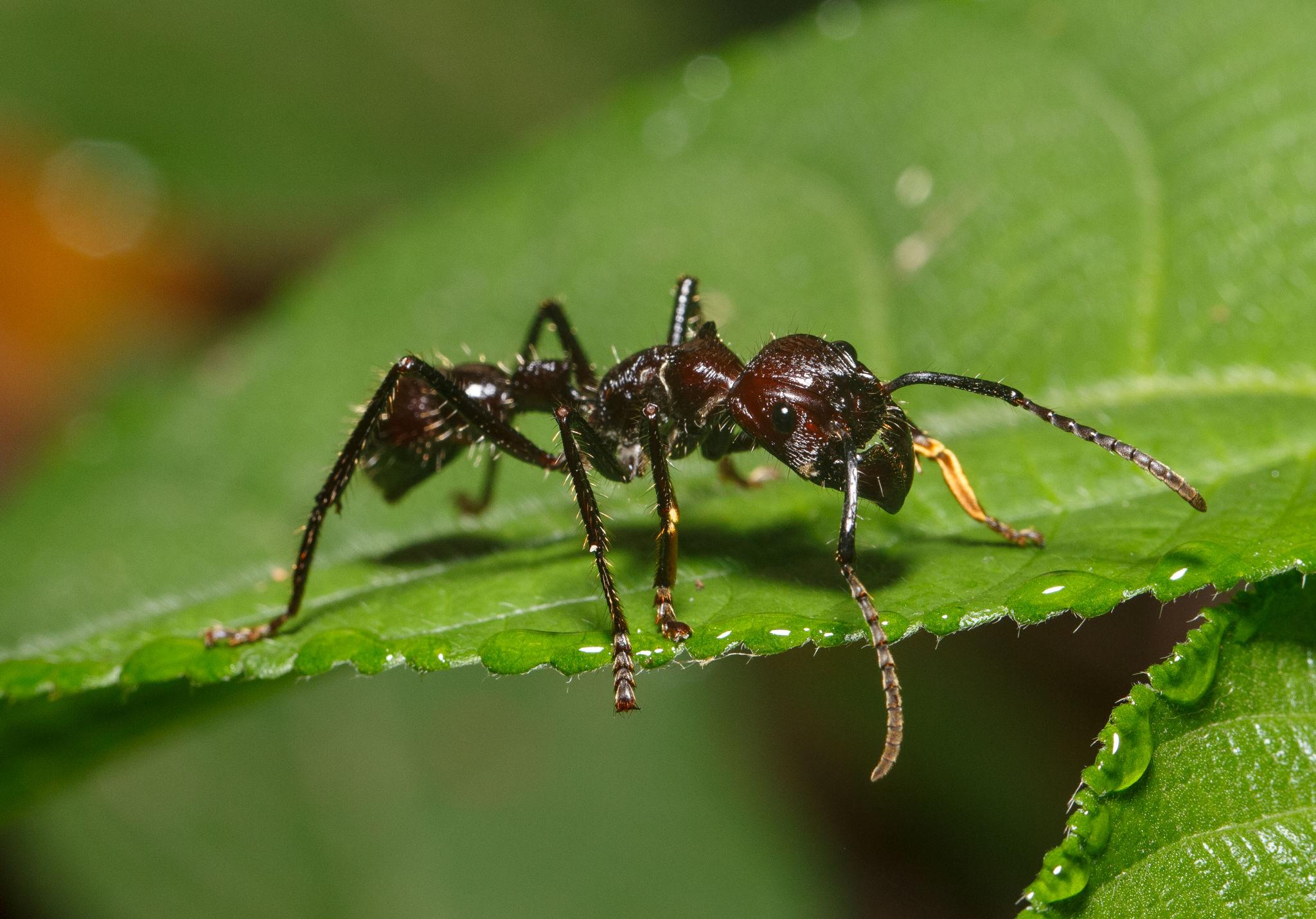
3. The Ant Whose Sting Is Compared to a Bullet

Alt Text: Bullet ant climbing along a rainforest branch.

The bullet ant is famous for delivering one of the most painful insect stings known to science.

Despite its fearsome reputation, the ant rarely attacks unless its nest is disturbed.

These large ants help maintain rainforest ecosystems by scavenging insects, dispersing seeds, and recycling nutrients.

Their colonies are organized with remarkable efficiency, proving that even one of the jungle’s most intimidating insects plays an important ecological role.


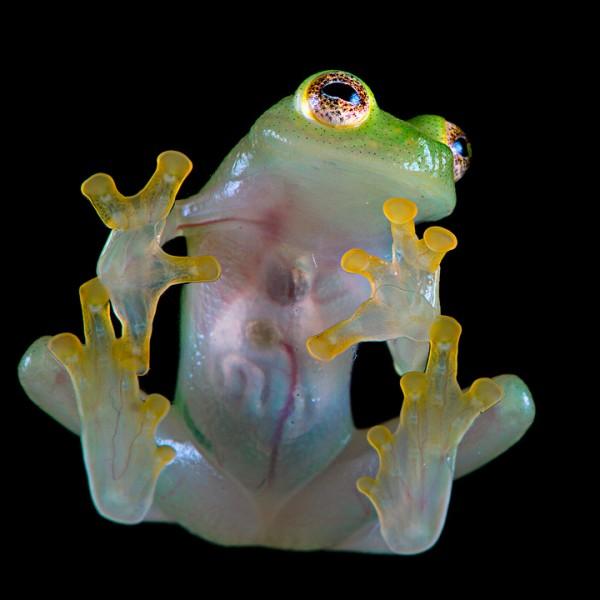
4. The Frog With Transparent Skin

Alt Text: Glass frog resting on a rainforest leaf with its transparent underside visible.

Glass frogs seem almost magical.

Their undersides are so transparent that many internal organs can be seen through the skin.

This unique feature provides excellent camouflage when they rest on leaves above streams.

Male glass frogs display exceptional parental care by guarding eggs laid on leaves until the tadpoles hatch and fall safely into the water below.


5. The Fish That Generates Electricity

Alt Text: Electric eel swimming underwater in a slow-moving Amazon river.

The electric eel isn’t actually an eel—it’s a type of knifefish.

Its body contains specialized cells capable of producing electric discharges reaching hundreds of volts.

These shocks are used for three important purposes:

  • Finding prey in muddy water
  • Defending against predators
  • Stunning fish before eating them

Scientists continue studying electric eels to better understand bioelectricity and nerve function.


6. The Giant Caiman That Rules the River

Alt Text: Black caiman resting quietly on a muddy Amazon riverbank at sunset.

The Black Caiman is one of the largest predators in the Amazon.

Adult males can exceed five meters (16 feet) in length.

Despite their intimidating appearance, black caimans spend much of the day resting quietly before becoming active after sunset.

Healthy populations of black caimans help keep fish and other aquatic animal populations balanced, making them an essential part of the river ecosystem.


7. A Forest Where Every Creature Has a Job

Alt Text: Mist rising above the dense green Amazon rainforest canopy at sunrise.

The Amazon works like a giant living machine.

Tiny insects pollinate flowers.

Birds spread seeds across vast distances.

Frogs control insect populations.

Predators keep herbivore numbers balanced.

Even fallen trees become homes for fungi, insects, reptiles, and countless microorganisms.

Every species, no matter how small, contributes to keeping the rainforest healthy.

Scientists believe that losing even a few key species can affect many others, showing how closely connected Amazon wildlife truly is.


Why the Amazon Continues to Surprise Scientists

Every year, researchers discover previously unknown frogs, insects, fish, plants, and microorganisms in remote parts of the Amazon. Many areas remain difficult to explore because of dense vegetation, seasonal flooding, and limited access.

These discoveries remind us that the Amazon still holds countless secrets. Protecting this extraordinary ecosystem ensures that future generations will continue uncovering new species and learning from one of the richest habitats on Earth.


Conclusion

The Amazon Rainforest is more than a collection of exotic animals—it is a world of remarkable adaptations, hidden behaviors, and fascinating survival strategies. Whether it’s a bird disappearing into a tree, a lizard sprinting across water, or a fish generating electricity, each species tells a unique story about the power of evolution and the resilience of nature.

These incredible animals remind us that some of the world’s greatest mysteries are still alive, thriving beneath the green canopy of the Amazon.


WordPress Image SEO

ImageFile NameAlt Text
1amazon-potoo-camouflage.jpgPotoo bird blending perfectly into a tree branch in the Amazon rainforest
2amazon-basilisk-lizard-water.jpgGreen basilisk lizard running across a rainforest stream
3amazon-bullet-ant.jpgBullet ant walking along a rainforest branch
4amazon-glass-frog.jpgTransparent glass frog resting on a green leaf
5amazon-electric-eel.jpgElectric eel swimming through murky Amazon waters
6amazon-black-caiman.jpgBlack caiman resting beside an Amazon river at dusk
7amazon-rainforest-misty-canopy.jpgMist rising over the lush Amazon rainforest canopy at sunrise
Posted on Leave a comment

Amazon’s Hidden Legends: 7 Incredible Animal Stories That Prove the Rainforest Is Stranger Than Fiction

Amazon’s Hidden Legends: 7 Incredible Animal Stories That Prove the Rainforest Is Stranger Than Fiction

Image
Image
Image
Image

Category: Wildlife / Amazon Rainforest / Strange Animal Stories

Tags: Amazon rainforest, Amazon wildlife, strange animals, rainforest creatures, exotic wildlife, Amazon stories, nature facts, biodiversity, South America, wildlife adventure

Featured Image Alt Text:
A collection of unusual Amazon rainforest animals, including an electric eel, mata mata turtle, harpy eagle, potoo bird, bullet ant, vampire bat, and arapaima fish.

When most people think of the Amazon Rainforest, they imagine towering trees, winding rivers, and endless greenery. But beneath the dense canopy lies a world unlike any other on Earth—a place where fish can generate electricity, turtles disappear into the riverbed, birds become invisible against tree trunks, and insects deliver one of the most painful stings known to science.

Amazon’s Hidden Legends: 7 Incredible Animal Stories That Prove the Rainforest Is Stranger Than Fiction

Stretching across nine South American countries, the Amazon is the largest tropical rainforest in the world. It contains about 10% of all known species on Earth, and scientists continue to discover new animals every year. Every river, swamp, and forest floor hides creatures with extraordinary adaptations that help them survive in one of the planet’s most competitive environments.

Here are seven fascinating stories about some of the Amazon’s most remarkable animals.


1. The Electric Eel That Hunts With Lightning

At first glance, the electric eel looks like an ordinary fish. But hidden inside its long body are specialized organs capable of producing powerful electric discharges.

Large electric eels can generate shocks of more than 800 volts, making them one of the strongest electricity-producing animals on Earth.

They use weaker electrical pulses to navigate muddy water and locate prey, then unleash powerful shocks to stun fish or defend themselves from predators.

Researchers have even observed electric eels leaping from the water to deliver defensive shocks directly to potential threats.

Far from being aggressive hunters of humans, they generally avoid people unless disturbed.

Alt Text: Electric eel swimming through dark Amazon River water.


2. The Mata Mata Turtle That Looks Like a Floating Log

The mata mata turtle is one of the strangest reptiles in the world.

Instead of a smooth shell, it has rough edges, ridges, and a flattened body that resemble decaying leaves or pieces of bark. Its long neck is covered with loose skin flaps that help it blend perfectly into muddy river bottoms.

Rather than chasing prey, the mata mata waits patiently until a fish swims close. It then opens its enormous mouth so quickly that water rushes in, pulling the unsuspecting fish inside.

This feeding technique requires almost no pursuit at all.

Alt Text: Mata mata turtle resting on a muddy Amazon riverbed.


3. The Potoo Bird That Becomes a Tree Branch

Spotting a potoo during the day is almost impossible.

When resting, this unusual bird stretches upward, closes its eyes to narrow slits, and remains perfectly still.

Its gray and brown feathers match the bark of dead trees so well that predators often overlook it completely.

At night, however, the potoo transforms into an active hunter, catching flying insects with its enormous mouth.

Its haunting nighttime calls have inspired many Amazonian legends.

Alt Text: Potoo bird camouflaged against a tree trunk.


4. The Bullet Ant With One of Nature’s Most Painful Stings

Tiny but unforgettable, the bullet ant has earned worldwide attention for its extremely painful sting.

The sensation has been compared by researchers and naturalists to intense, long-lasting pain that can persist for many hours.

Despite its fearsome reputation, the bullet ant is not aggressive. It usually stings only when threatened or when its nest is disturbed.

Its powerful defense helps protect colonies hidden among tree roots and forest vegetation.

Alt Text: Bullet ant walking along the Amazon rainforest floor.


5. The Harpy Eagle—King of the Rainforest Sky

One of the largest and most powerful eagles in the world lives high above the Amazon canopy.

The harpy eagle possesses enormous talons capable of grasping prey such as monkeys and sloths from treetops.

Unlike soaring eagles that hunt over open landscapes, harpy eagles weave skillfully through dense forest, using short bursts of flight to surprise prey.

Their striking feather crest and impressive size have made them symbols of strength throughout South America.

Alt Text: Harpy eagle perched on a rainforest branch.


6. Vampire Bats That Share Their Meals

Vampire bats are often misunderstood.

Although they feed on small amounts of blood from mammals or birds, they rarely pose a threat to healthy humans.

One of their most remarkable behaviors is social cooperation.

If a bat fails to find food during the night, another successful bat may regurgitate part of its meal to help its hungry companion survive.

Scientists consider this one of the most fascinating examples of food sharing among wild mammals.

Alt Text: Common vampire bat hanging beneath a tree branch.


7. Arapaima—The Giant Fish That Breathes Air

The arapaima is among the world’s largest freshwater fish.

Some individuals grow over 3 meters (10 feet) long and weigh hundreds of pounds.

Unlike most fish, arapaimas must regularly surface to breathe atmospheric air because they possess a modified swim bladder that functions much like a lung.

Their enormous scales also provide remarkable protection against predators.

For local communities, the arapaima has long been an important part of Amazonian life and culture.

Alt Text: Giant arapaima surfacing in the Amazon River.


Why the Amazon Produces Such Extraordinary Wildlife

Life in the Amazon is incredibly competitive.

Animals must survive predators, flooding, seasonal droughts, and fierce competition for food.

Over millions of years, evolution produced astonishing solutions.

Some animals became invisible.

Others evolved powerful defenses.

Some learned to generate electricity.

Others developed incredible camouflage or unique social behaviors.

Each adaptation represents countless generations of natural selection shaping life to fit one of Earth’s most diverse ecosystems.


Protecting the World’s Greatest Rainforest

The Amazon supports millions of species, stores vast amounts of carbon, and helps regulate global climate.

Yet the forest faces growing threats from deforestation, habitat fragmentation, illegal mining, wildfires, and climate change.

Protecting the Amazon means preserving not only its trees but also the extraordinary animals that depend on them.

Many scientists believe thousands of Amazonian species remain undiscovered.

Future explorers may reveal even stranger creatures hidden beneath the rainforest canopy.


A World Unlike Any Other

The Amazon is more than a forest.

It is a living museum of evolution.

An electric fish that hunts with lightning.

A turtle disguised as a fallen leaf.

A bird that vanishes against tree bark.

An ant with a legendary sting.

An eagle powerful enough to hunt monkeys.

Bats that share food with hungry friends.

A giant fish that breathes air.

These remarkable animals remind us that the greatest wildlife stories are often true.

The deeper scientists explore the Amazon, the clearer one fact becomes: nature still holds countless surprises, waiting patiently beneath the green canopy of the world’s largest rainforest.

Image Alt Text Summary

  1. Electric eel swimming in the Amazon River.
  2. Mata mata turtle camouflaged on the riverbed.
  3. Potoo bird blending into a tree trunk.
  4. Bullet ant walking across the rainforest floor.
  5. Harpy eagle perched high in the Amazon canopy.
  6. Vampire bat hanging beneath a forest branch.
  7. Giant arapaima surfacing to breathe in the Amazon River.