Posted on Leave a comment

🌿 7 Hidden Amazon Wildlife Stories That Prove Every Creature Has a Superpower

Image
Image
Image
Image
Image

🌿 7 Hidden Amazon Wildlife Stories That Prove Every Creature Has a Superpower

Category: Wildlife | Nature | Amazon Rainforest
Tags: Amazon Rainforest, Amazon wildlife, rainforest animals, wildlife facts, biodiversity, jungle creatures, South America, conservation, rare animals, nature stories

Meta Description:
Discover seven fascinating Amazon wildlife stories featuring orchid bees, squirrel cuckoos, spectacled caimans, giant centipedes, tamarins, sloths, and more.


7 Hidden Amazon Wildlife Stories That Prove Every Creature Has a Superpower

The Amazon Rainforest is one of the last great wildernesses on Earth, home to an astonishing variety of life. Every layer of the forest—from the towering canopy to the muddy riverbanks—is filled with species that have evolved remarkable ways to survive.

Some animals rely on teamwork, others on camouflage, and a few possess abilities so unusual that they seem almost unbelievable. Here are seven fresh stories from the Amazon that highlight nature’s incredible ingenuity.


1. The Bird That Hunts Like a Squirrel

Alt Text: Squirrel cuckoo climbing through branches in the Amazon canopy.

The squirrel cuckoo earns its name from the way it moves.

Instead of flying long distances, it often runs and leaps through branches with quick, agile movements that resemble a squirrel.

Its long tail helps it balance while searching for caterpillars, insects, tree frogs, and small lizards hidden among the leaves.


2. The River Guardian With Watchful Eyes

Alt Text: Spectacled caiman floating quietly in an Amazon river.

The spectacled caiman spends much of its life almost completely submerged.

Only its eyes and nostrils remain above the water, allowing it to watch for fish and other prey while staying hidden.

Young caimans often remain close to their mothers, who protect them during their vulnerable early months.


3. The Slow Traveler That Saves Energy

Alt Text: Three-toed sloth hanging upside down in a rainforest tree.

The three-toed sloth moves slowly for a good reason.

Its leaf-based diet provides relatively little energy, so conserving energy is essential.

Specialized muscles and curved claws allow the sloth to hang comfortably upside down for hours while digesting its food.

Algae sometimes grow on its fur, providing additional camouflage among moss-covered branches.


4. The Bee That Collects Perfume

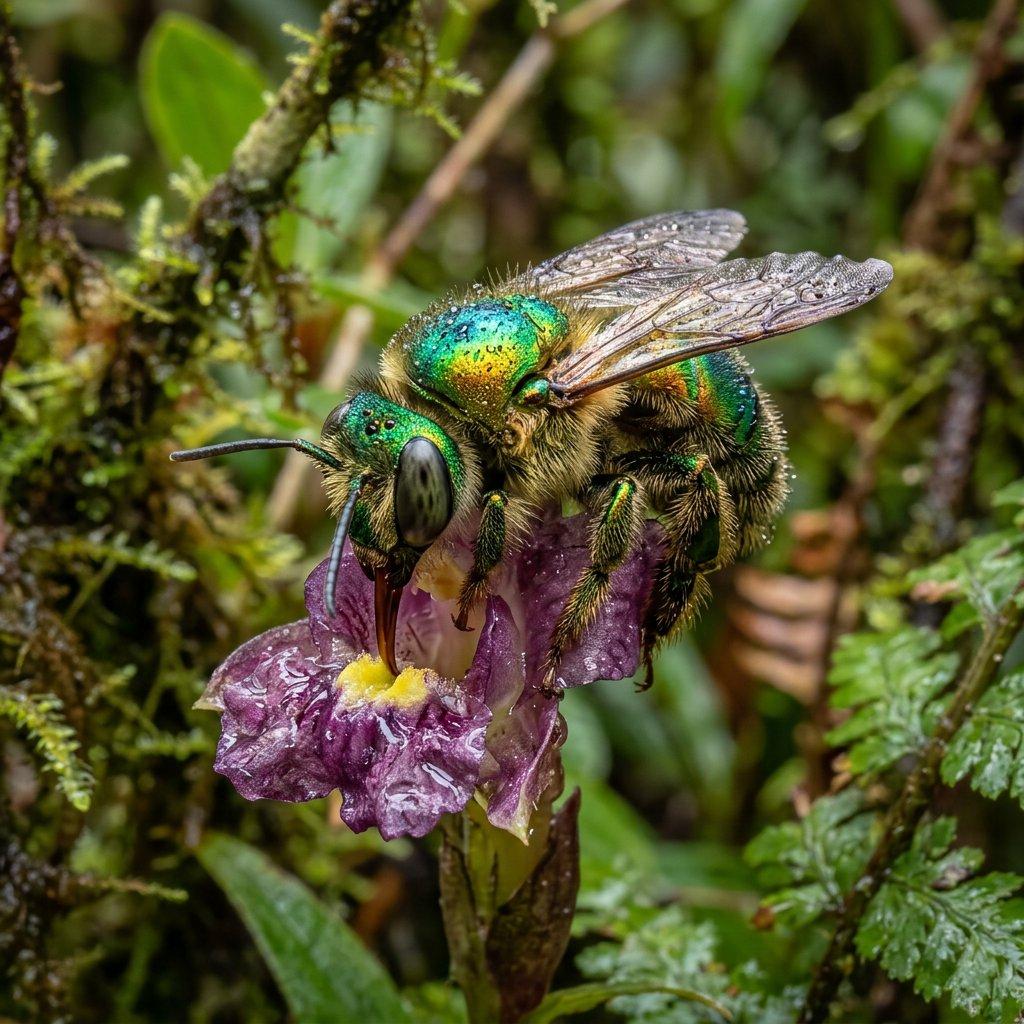
Alt Text: Metallic green orchid bee visiting a tropical flower.

Male orchid bees gather fragrant chemicals from orchids and other flowers.

Rather than using these scents for food, they store them in special pockets on their hind legs.

Scientists believe these perfumes help attract females during courtship, making orchid bees some of the rainforest’s most unusual pollinators.


5. Tiny Monkeys That Care for One Another

Alt Text: Family of tamarins grooming each other on a tree branch.

Tamarins are highly social primates.

Group members frequently groom one another to strengthen social bonds.

In many species, fathers and older siblings help carry babies for much of the day, allowing mothers more time to feed.

This cooperative care greatly increases the survival of young tamarins.


6. The Night Hunter Beneath the Leaves

Alt Text: Giant Amazon centipede crossing the rainforest floor at night.

The Amazon giant centipede becomes active after sunset.

Using highly sensitive antennae, it searches through leaf litter for insects and other small animals.

Despite its intimidating appearance, it usually avoids larger animals and spends daylight hours hidden beneath logs, rocks, or fallen branches.


7. The River That Connects Every Living Thing

Alt Text: Peaceful Amazon River glowing in golden evening light.

The Amazon River is the lifeblood of the rainforest.

Its seasonal floods transport nutrients, nourish forests, create fish breeding grounds, and provide water for countless animals.

Many species depend on these annual floods to complete their life cycles, making the river one of the world’s most important natural systems.


A Rainforest Still Full of Discoveries

Researchers continue to uncover new Amazon species every year, including insects, amphibians, fish, fungi, and flowering plants.

Even familiar animals often surprise scientists with previously unknown behaviors, proving that the rainforest still holds countless mysteries.


Why Protecting Biodiversity Matters

Every Amazon species has a purpose.

Bees pollinate flowers.

Sloths support tiny ecosystems in their fur.

Caimans help regulate aquatic food webs.

Monkeys disperse seeds that become future forests.

Protecting biodiversity means preserving these intricate relationships that keep the rainforest healthy.


Final Thoughts

The Amazon Rainforest is filled with extraordinary wildlife that rarely makes headlines.

From perfume-collecting bees and acrobatic birds to caring monkey families and patient river predators, every species contributes to one of Earth’s richest ecosystems.

The more we explore the Amazon, the more we realize that even its smallest creatures have remarkable stories to tell.


WordPress Image SEO

ImageFile NameAlt Text
1squirrel-cuckoo-amazon.jpgSquirrel cuckoo moving through branches in the Amazon canopy
2spectacled-caiman-river.jpgSpectacled caiman floating quietly in an Amazon river
3three-toed-sloth-tree.jpgThree-toed sloth hanging from a rainforest tree branch
4orchid-bee-flower.jpgMetallic green orchid bee collecting fragrance from a flower
5tamarin-family-grooming.jpgFamily of tamarins grooming each other in the rainforest
6amazon-giant-centipede.jpgGiant Amazon centipede walking across the rainforest floor
7amazon-river-golden-hour.jpgGolden sunset over the Amazon River surrounded by rainforest
Posted on Leave a comment

🌿 7 Hidden Amazon Animal Stories That Feel Like Discoveries From Another World

https://images.openai.com/static-rsc-4/IeP5MvfD6MgDPTxCQtbjlQ5pyyxKF5Y73unzeT2pCbm8mtQ_Cj9rN_OTlMO9rAdiGbl4TyBRaGk8zbFkrSKNzyCOg5jJ1_YCQg4jcpfILOONVhni19vIwzwZHEirdJ0DkHmGsfYBJdeBnlji_umlHk4z87I6GaCdqP8U5eATvy17pIGsCK6EzAVl_W6X_U15?purpose=fullsize
https://images.openai.com/static-rsc-4/z3T9CT6woV01SzzALmQXHFxhShwZvSaSENqW0Jf2BHSO-UOPTZiJpFQagRWgs9Ch3GntOPYwf1JD9EdM0dJUT2nUbOQrV7pSfsdbf_-P_n-XTbqx5NV84LsVF7wGD4kq_wDBYb9_eEgj1CjvnFH5tinecjLMfs1hhIgdTG0MPnHUFP4elXsX3yrc3bUcdJh7?purpose=fullsize
https://images.openai.com/static-rsc-4/v10l2en_kAfulGuTPw2elx_0KtaaJgtgeqSs6cjp9951uS7Kg1-7hydzlGhQoxOetVuLJIGxX-UOsWTUXbxjM_bGREDQoTR-USdxpih842gzvUpqLl2uUyeV5R-C7SNLcdD9vWwKLF9XD4BbVzEhOineNjrubZ-sIrXxaDddk2ItooRMIOaFdulXQYmjRnVk?purpose=fullsize

4

🌿 7 Hidden Amazon Animal Stories That Feel Like Discoveries From Another World

Category: Wildlife | Nature | Amazon Rainforest

Tags: Amazon Rainforest, Amazon wildlife, rainforest animals, jungle creatures, biodiversity, wildlife stories, South America, nature facts, exotic animals, conservation

Meta Description:
Explore seven incredible Amazon wildlife stories featuring the giant armadillo, bushmaster snake, tiger heron, umbrellabird, basilisk, and other extraordinary rainforest creatures.


7 Hidden Amazon Animal Stories That Feel Like Discoveries From Another World

The Amazon Rainforest is home to an astonishing variety of life. Covering millions of square kilometers across South America, it shelters countless species that remain hidden beneath dense canopies, flooded forests, and winding rivers.

Many of the Amazon’s most fascinating residents are rarely seen. Some emerge only at night, others disappear perfectly into the vegetation, and a few possess unusual features unlike anything found elsewhere in nature.

Here are seven brand-new wildlife stories that reveal the extraordinary diversity of the Amazon.


1. The Giant Armadillo That Builds Homes for Other Animals

Alt Text: Giant armadillo digging a large burrow in the Amazon rainforest.

The giant armadillo is one of the rainforest’s most powerful diggers.

Using enormous claws, it creates deep burrows that provide shelter not only for itself but also for many other species after the armadillo leaves.

Researchers have discovered reptiles, mammals, amphibians, and insects using abandoned burrows as safe refuges from predators and extreme weather.

In many ways, giant armadillos act as ecosystem engineers.


2. The Snake That Almost Never Needs to Chase

Alt Text: Bushmaster snake camouflaged among fallen rainforest leaves.

The bushmaster is the longest venomous snake in the Americas.

Despite its impressive size, it rarely pursues prey.

Instead, it relies on excellent camouflage and patiently waits for rodents or other small animals to approach.

Its leaf-like coloration allows it to blend almost perfectly into the forest floor.


3. The Bird With a Giant Feathered Umbrella

Alt Text: Male umbrellabird displaying its large crest.

The Amazonian umbrellabird has one of the strangest appearances in the bird world.

A large crest of feathers arches over its head like an umbrella, while an elongated throat wattle hangs below its beak.

Males use these features during elaborate courtship displays to attract females in the dense rainforest.


4. The Monkeys That Can Be Heard Before They Are Seen

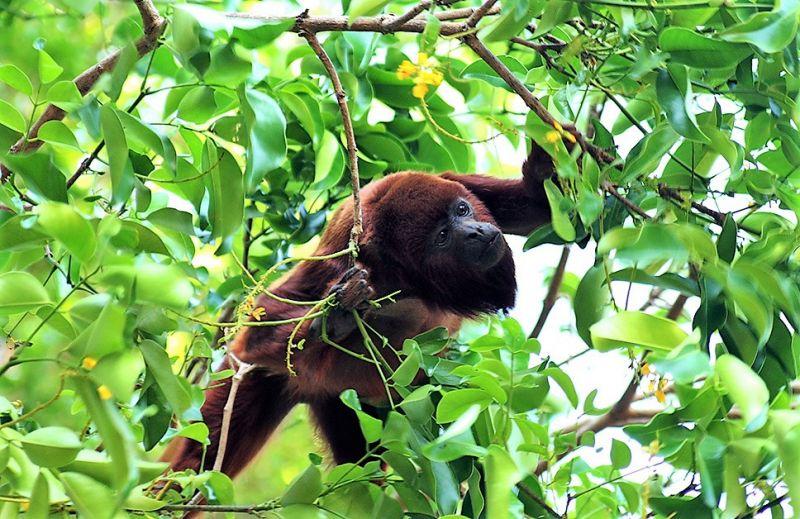
Alt Text: Red-handed howler monkey sitting high in the rainforest canopy.

The red-handed howler monkey possesses an enlarged throat structure that amplifies its deep calls.

These powerful vocalizations can travel several kilometers through the forest, allowing neighboring groups to communicate territory boundaries without direct confrontation.

At dawn, their haunting roars become one of the defining sounds of the Amazon.


5. The Lizard That Can Run Across Water

Alt Text: Helmeted basilisk resting on a rainforest branch.

The helmeted basilisk is famous for its remarkable ability to sprint across the surface of water.

Specialized toes spread outward as it runs, helping distribute its weight and preventing it from sinking immediately.

This extraordinary adaptation allows the lizard to escape predators with surprising speed.


6. The Patient Hunter Along the Riverbank

Alt Text: Tiger heron standing motionless beside an Amazon river.

The rufescent tiger heron is a master of patience.

Rather than chasing fish, it stands perfectly still beside rivers and streams, waiting for the ideal moment to strike.

Its striped plumage blends beautifully with reeds and shadows, making it difficult for prey to detect.


7. Floodwaters Create an Entirely Different Forest

Alt Text: Flooded Amazon forest glowing during sunset.

Every year, rising rivers transform vast sections of the Amazon into flooded forests.

Fish swim among tree trunks.

Turtles feed on fallen fruit.

River dolphins enter areas that were once dry land.

This seasonal flooding creates one of the most dynamic ecosystems on Earth and supports countless species adapted to changing water levels.


The Amazon Still Holds Countless Mysteries

Despite centuries of exploration, scientists continue discovering new Amazon species every year.

Remote habitats, advanced technology, and ongoing research reveal that many parts of the rainforest remain surprisingly unexplored.

The Amazon is still one of Earth’s greatest frontiers of biological discovery.


Why Conservation Matters

Each species in the rainforest plays an important role.

Monkeys disperse seeds.

Birds control insects.

Predators maintain ecological balance.

Burrowing animals create habitat for others.

Protecting the Amazon means preserving these extraordinary relationships for future generations.


Final Thoughts

The Amazon is more than a forest—it is a living network of remarkable species and incredible adaptations.

From giant burrowing armadillos and water-running lizards to umbrella-headed birds and booming monkeys, every corner of the rainforest contains another fascinating story waiting to be told.


WordPress Image SEO

ImageFile NameAlt Text
1giant-armadillo-burrow-amazon.jpgGiant armadillo digging a burrow in the Amazon rainforest
2bushmaster-snake-camouflage.jpgBushmaster snake hidden among rainforest leaf litter
3amazon-umbrellabird-display.jpgMale Amazonian umbrellabird displaying its feathered crest
4red-handed-howler-monkey.jpgRed-handed howler monkey resting in the rainforest canopy
5helmeted-basilisk-water-runner.jpgHelmeted basilisk perched on a branch near water
6tiger-heron-amazon-river.jpgRufescent tiger heron standing beside an Amazon river
7flooded-amazon-forest-sunset.jpgSeasonal flooding transforms part of the Amazon rainforest

Posted on Leave a comment

🌿 7 Incredible Amazon Animal Stories That Feel Like Nature’s Greatest Mysteries

https://images.openai.com/static-rsc-4/IK_H1g4CfK2M2FZKeq6qulH822F7cKrn9rwX8yUsQgk4xrAz8u1jYKbctyzTnPaIoXCj7mbsXbLHhs3IGFcF3oFvNcVoLIspI2e95I1K6BhG0kNvFL_w8wDpfK-4oiEwmfkwMGC_4heNuV2fQYNAaw4pDgxC94uNDN6TW2whYGy76_iEpVM3a-GNwgaAL52J?purpose=fullsize
https://images.openai.com/static-rsc-4/1Ruo9UsXC96tz24LvMBHsVc4Ndd4nsRGCbmaeopePEIlOOnqlVzem_K6OLiJutAKDmv19ymEl6w2z6dinjsMoJUsPr5w4dvKSoRyuSxxZtD3-uyfz8IYq3y2GfKtUlNIVpuVGQeEmEptUN8LDLZApNXCXGyKm7gi2Sv3TSWATBj9Yzib41Ftnq5BribwTS2F?purpose=fullsize
https://images.openai.com/static-rsc-4/1g3XKHnHiT4GAr770yy06E43EMhEZp0F3SIrbNvXBZLo84D-d1Ca_wtQPBLXjlBCktd11bVJpEi2HS9Xu-VLG4WgWPBd63lmld3dzjbi-bu5wOEUOAzDKNEWAkqE33FPJ3sbUlaPwlt8KlyycNswHrPCdJ2MUvxJrXYABX7bCklh0s6JL6tMGgNv4e9eLHpb?purpose=fullsize

4

🌿 7 Incredible Amazon Animal Stories That Feel Like Nature’s Greatest Mysteries

Category: Wildlife | Nature | Amazon Rainforest

Tags: Amazon Rainforest, Amazon wildlife, rainforest animals, strange animal stories, wildlife facts, biodiversity, jungle creatures, South America, conservation, exotic animals

Meta Description:
Discover seven fascinating Amazon wildlife stories featuring giant river turtles, birdwing butterflies, coatis, poison frogs, owls, and other remarkable rainforest creatures.


7 Incredible Amazon Animal Stories That Feel Like Nature’s Greatest Mysteries

The Amazon Rainforest is often called the most biologically diverse place on Earth. It stretches across millions of square kilometers and contains ecosystems so complex that scientists are still discovering new species every year.

While jaguars and anacondas capture much of the world’s attention, countless lesser-known animals display equally remarkable behaviors. Some are devoted parents, others are expert travelers, and a few rely on astonishing adaptations that seem almost impossible.

Here are seven brand-new stories from the heart of the Amazon.


1. The Lizard That Can Run, Swim, and Climb

Alt Text: Helmeted basilisk resting on a branch near an Amazon stream.

The helmeted basilisk is one of the rainforest’s greatest escape artists.

It can sprint across land, leap into rivers, swim underwater, and climb trees with remarkable agility.

Its long toes help it move quickly over water for short distances, while powerful limbs allow it to disappear into dense vegetation almost instantly.

These abilities make it exceptionally difficult for predators to catch.


2. The Ancient Giant of Amazon Rivers

Alt Text: Giant South American river turtle resting on a sandy riverbank.

The giant South American river turtle is among the largest freshwater turtles on the planet.

Females travel long distances to reach traditional nesting beaches, where hundreds may gather during the breeding season.

These ancient reptiles have survived dramatic environmental changes for millions of years, making them living reminders of the Amazon’s deep history.


3. The Butterfly With Wings Like Stained Glass

Alt Text: Large birdwing butterfly flying through sunlight in the rainforest.

Birdwing butterflies are among the largest butterflies in the Amazon.

Their enormous wings shimmer with brilliant colors as they glide through sunlit gaps in the canopy.

Because they can travel long distances between flowering plants, they play an important role in pollination and maintaining healthy rainforest ecosystems.


4. The Curious Relative of the Raccoon

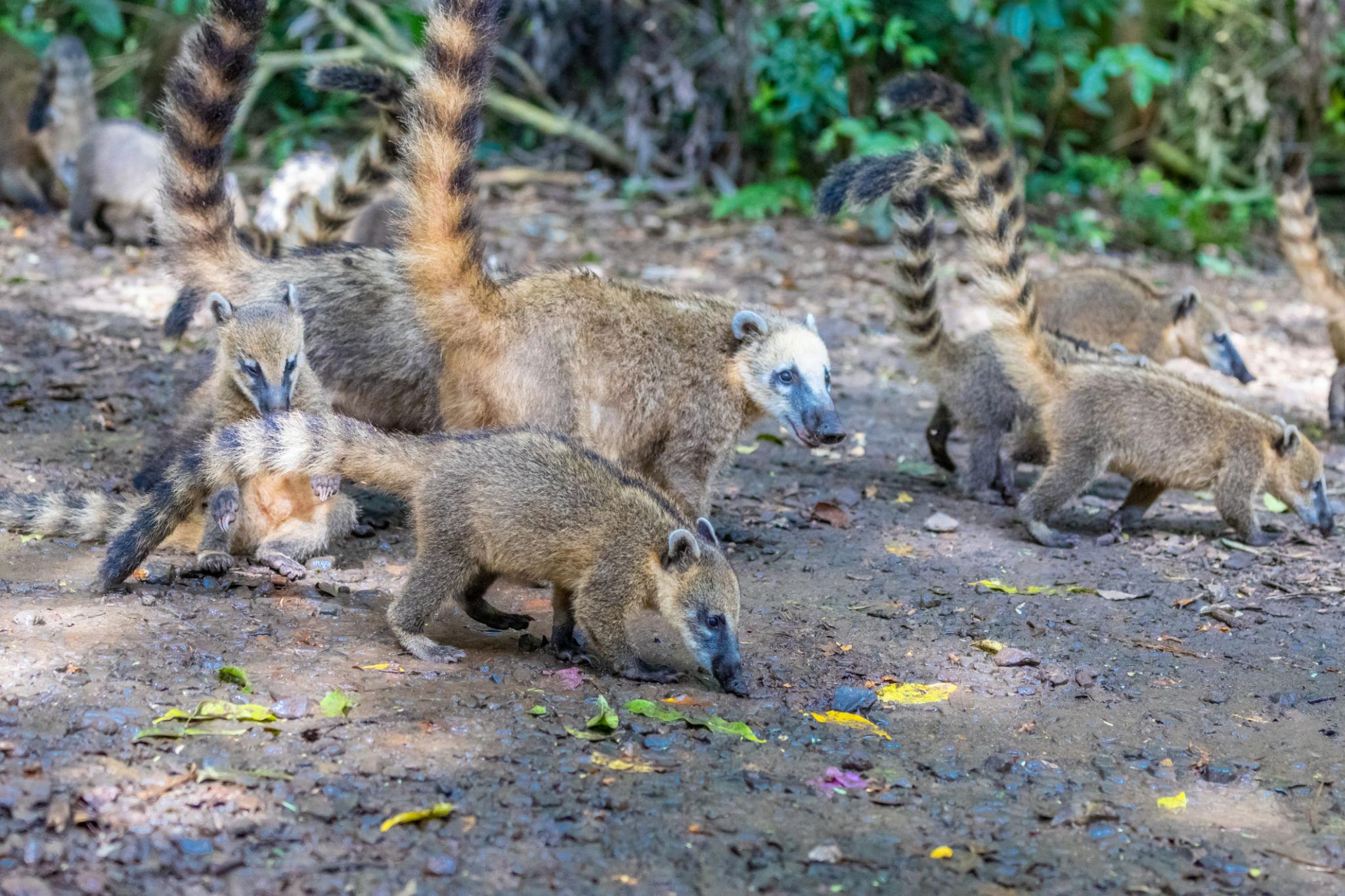
Alt Text: Coati family searching for food on the rainforest floor.

The coati is an intelligent mammal closely related to raccoons.

Using their long flexible snouts, coatis search for insects, fruit, eggs, and small animals hidden beneath leaves and fallen branches.

Females and young often travel together in groups, providing extra protection while foraging.

Their curiosity and adaptability help them thrive in many different habitats.


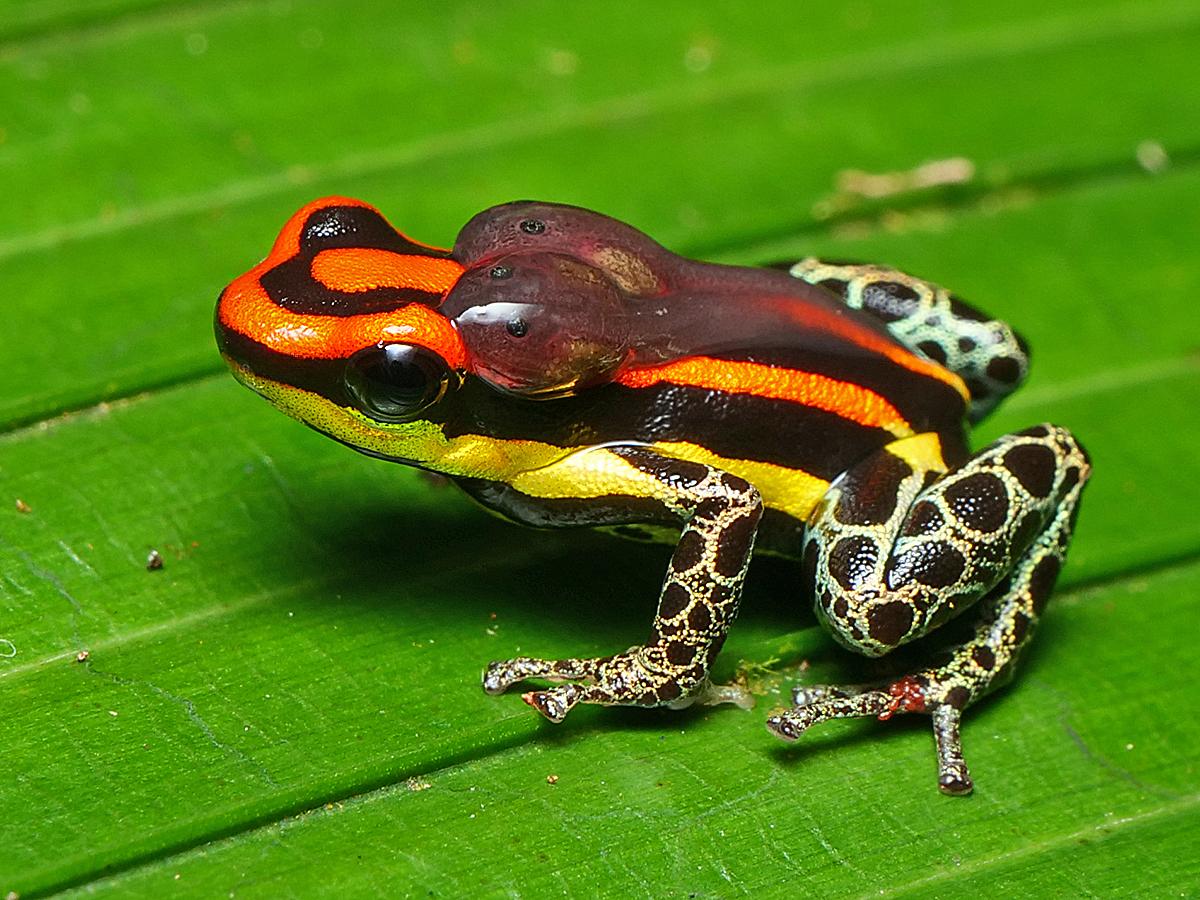
5. The Frog That Guards Its Eggs

Alt Text: Poison frog protecting eggs laid on a leaf.

Some Amazon poison frogs are highly attentive parents.

After laying eggs on moist leaves, one parent often remains nearby to protect them from insects, dehydration, and other dangers.

Once the eggs hatch, many species carry the tadpoles to water-filled plants high above the forest floor.

This remarkable dedication greatly improves the survival chances of their offspring.


6. The Silent Hunter of the Twilight Forest

Alt Text: Striped owl perched in the Amazon at dusk.

As daylight fades, owls begin taking control of the rainforest.

The striped owl relies on exceptional hearing and silent flight to locate prey in near darkness.

Its soft feathers reduce sound while flying, allowing it to approach insects and small animals without being detected.

The Amazon’s nighttime world depends heavily on predators like these to maintain ecological balance.


7. Rain Gives the Forest New Life

Alt Text: Rain-soaked Amazon canopy shining after a tropical storm.

Rainfall shapes every aspect of Amazon life.

Heavy storms refill streams, nourish plants, create breeding pools for frogs, and provide drinking water for countless animals.

Many species time their reproduction to coincide with rainy periods because food becomes more abundant.

Without rain, the rainforest simply could not exist.


The Amazon Is Still Full of Discoveries

Scientists continue finding new insects, fish, reptiles, amphibians, and plants throughout the Amazon Basin.

Even today, many regions remain poorly explored, proving that the rainforest still holds countless secrets waiting to be uncovered.


Why Conservation Matters

Every Amazon species plays a role in maintaining the health of the ecosystem.

Butterflies pollinate flowers.

Frogs control insect populations.

Turtles help transport nutrients.

Predators regulate prey species.

Protecting biodiversity ensures that these essential ecological relationships continue for generations.


Final Thoughts

The Amazon Rainforest remains one of Earth’s greatest natural wonders.

From giant turtles and colorful butterflies to devoted frog parents and silent nighttime hunters, each species tells an extraordinary story of survival.

These hidden stories remind us that some of nature’s greatest mysteries are still alive deep within the rainforest.

Posted on Leave a comment

🌿 7 Extraordinary Amazon Animal Stories That Reveal Nature’s Best-Kept Secrets

Image
Image
Image
Image
Image
Image
Image

🌿 7 Extraordinary Amazon Animal Stories That Reveal Nature’s Best-Kept Secrets

Category: Wildlife | Nature | Amazon Rainforest

Tags: Amazon Rainforest, Amazon wildlife, wildlife stories, strange animals, rainforest biodiversity, South America, jungle creatures, nature facts, wildlife conservation, exotic animals

Meta Description:
Discover seven amazing true stories from the Amazon Rainforest, featuring water-running lizards, giant water lilies, whip spiders, scarlet ibises, and other incredible wildlife.


7 Extraordinary Amazon Animal Stories That Reveal Nature’s Best-Kept Secrets

Stretching across nine South American countries, the Amazon Rainforest is the largest tropical rainforest on Earth. It contains an astonishing variety of life, with countless species interacting in ways that continue to surprise scientists.

While jaguars, sloths, and macaws often steal the spotlight, many lesser-known animals have evolved remarkable survival strategies that are equally fascinating. Here are seven fresh Amazon wildlife stories that showcase the rainforest’s hidden wonders.


1. The Anteater That Climbs Trees Like a Monkey

Alt Text: Southern tamandua climbing a rainforest tree using its prehensile tail.

The southern tamandua, also called the lesser anteater, spends much of its life above the forest floor.

Unlike its larger cousin, the giant anteater, the tamandua has a prehensile tail that acts like a fifth limb, helping it grip branches while searching for ants, termites, and bees.

When threatened, it often stands upright using its tail for balance and defends itself with powerful forelimbs and sharp claws.


2. The Brilliant Red Bird That Lights Up the Wetlands

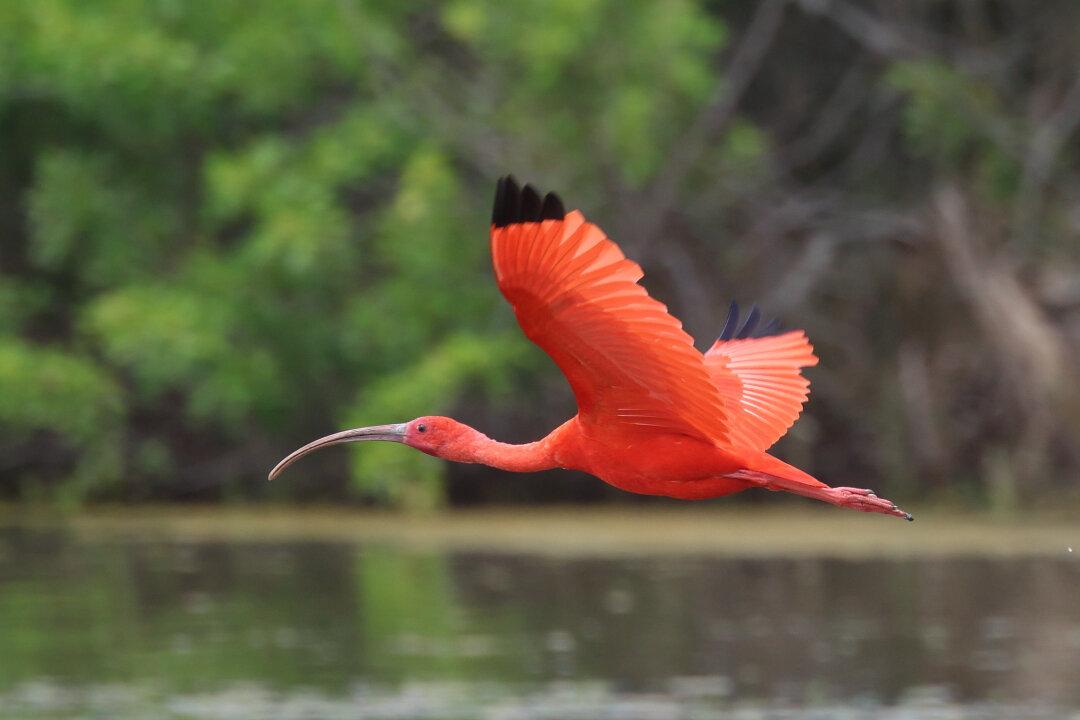
Alt Text: Scarlet ibis flying above an Amazon wetland at sunset.

The scarlet ibis is one of the Amazon’s most striking birds.

Its brilliant red feathers come from pigments found in the crustaceans and other small aquatic animals it eats.

These elegant birds gather in large flocks and often fly together at sunrise and sunset, creating spectacular displays of color above rivers and wetlands.


3. The Lizard That Runs Across Water

Alt Text: Basilisk lizard sprinting across the surface of a rainforest stream.

The green basilisk is often nicknamed the “Jesus Christ lizard” because of its ability to run across water.

Long toes with specialized fringes spread out as the lizard sprints, trapping pockets of air that briefly support its weight.

This extraordinary skill helps it escape predators before diving underwater or disappearing into riverside vegetation.


4. The Giant Water Lily Strong Enough to Hold a Bird

Alt Text: Giant Amazon water lily floating on a calm rainforest lagoon.

The giant Amazon water lily produces enormous floating leaves that can exceed 2 meters (6.5 feet) across.

Their sturdy structure allows small birds and other lightweight animals to stand on the surface without sinking.

Raised edges help keep the leaves afloat while preventing waves from washing over them.


5. The Bird That Skims the River for Dinner

Alt Text: Black skimmer gliding just above an Amazon river.

The black skimmer has one of the most unusual beaks in the bird world.

Its lower bill is longer than the upper bill.

As it flies low over calm water, the lower bill slices through the surface until it touches a fish, triggering an instant snap of the beak.

This unique hunting technique allows skimmers to catch prey even in low light.


6. The Harmless Hunter With Eight Long Legs

Alt Text: Whip spider clinging to tree bark at night.

Despite its intimidating appearance, the whip spider is harmless to humans.

Instead of venom, it relies on long, whip-like front legs that function as highly sensitive feelers.

These appendages detect vibrations, air movement, and nearby prey in complete darkness.

Whip spiders are expert nighttime hunters that feed mainly on insects and other small invertebrates.


7. Morning Mist Brings the Rainforest to Life

Alt Text: Early morning mist rising above an Amazon river surrounded by rainforest.

At sunrise, cool mist often drifts across Amazon rivers.

As sunlight filters through the trees, birds begin singing, monkeys call across the canopy, butterflies emerge to warm their wings, and insects fill the air.

This daily transformation marks the beginning of another busy day in one of the most biodiverse places on Earth.


Why the Amazon Is Still Full of Mysteries

Scientists estimate that thousands of Amazon species remain undiscovered.

New frogs, insects, fish, fungi, and plants are described every year, proving that the rainforest continues to reveal new secrets despite centuries of exploration.


Protecting One of Earth’s Greatest Ecosystems

The Amazon supports an intricate web of life.

Every species—from tiny insects to giant trees—plays a role in maintaining ecological balance.

Protecting the rainforest helps preserve biodiversity, supports local communities, and contributes to the health of the global climate.


Final Thoughts

The Amazon Rainforest is filled with astonishing wildlife that often goes unnoticed.

From water-running lizards and tree-climbing anteaters to birds that skim rivers and giant floating lilies, every corner of the rainforest tells a remarkable story.

The more we learn about these hidden wonders, the more we understand why the Amazon remains one of the greatest natural treasures on our planet.


WordPress Image SEO

ImageFile NameAlt Text
1southern-tamandua-tree.jpgSouthern tamandua climbing a rainforest tree with its prehensile tail
2scarlet-ibis-flight.jpgScarlet ibis flying over an Amazon wetland at sunset
3green-basilisk-water.jpgGreen basilisk lizard running across the surface of water
4giant-amazon-water-lily.jpgGiant Amazon water lily floating in a rainforest lagoon
5black-skimmer-river.jpgBlack skimmer hunting fish over a calm Amazon river
6amazon-whip-spider.jpgWhip spider resting on rainforest tree bark at night
7amazon-river-morning-mist.jpgMorning mist rising over a peaceful Amazon rainforest river
Posted on Leave a comment

🌿 7 Extraordinary Amazon Animal Stories That Few People Know

Image
Image
Image
Image

🌿 7 Extraordinary Amazon Animal Stories That Few People Know

Category: Wildlife | Nature | Amazon Rainforest

Tags: Amazon wildlife, Amazon rainforest, rainforest animals, strange animal behavior, South America, biodiversity, jungle wildlife, wildlife facts, exotic animals, conservation

Meta Description:
Discover seven all-new true stories from the Amazon Rainforest, featuring electric eels, tayras, sunbitterns, bullet ants, red howler monkeys, umbrella birds, and more incredible wildlife.


7 Extraordinary Amazon Animal Stories That Few People Know

The Amazon Rainforest is a place where nature constantly surprises scientists. Every river, tree, and patch of forest hides animals with remarkable adaptations that have evolved over millions of years.

Beyond the famous jaguars and macaws are countless lesser-known creatures with extraordinary abilities. Some produce electricity, others perform dazzling courtship displays, and some communicate across vast stretches of forest.

Here are seven brand-new stories from one of the world’s richest ecosystems.


1. The Fish That Generates Electricity

Alt Text: Electric eel swimming through dark Amazon water.

The electric eel is one of the Amazon’s most fascinating freshwater animals.

Despite its name, it is actually a type of knifefish rather than a true eel.

Specialized organs inside its body can generate powerful electric discharges used to navigate, locate prey, and defend against predators.

In muddy rivers where visibility is poor, electricity allows the eel to sense its surroundings in ways that other fish cannot.


2. The Fearless Climber Called the Tayra

Alt Text: Tayra climbing a tree trunk in the Amazon rainforest.

The tayra is a curious member of the weasel family.

It moves confidently through both the forest floor and the canopy, searching for fruit, birds, eggs, insects, and small mammals.

Researchers have even observed tayras storing unripe fruit and returning later after it has ripened—an unusual behavior that suggests impressive planning ability.

Their intelligence makes them one of the Amazon’s most adaptable predators.


3. The Bird That Opens Its Wings Like a Butterfly

Alt Text: Sunbittern displaying colorful wings beside a rainforest stream.

The sunbittern usually appears plain while standing quietly.

However, when threatened or courting a mate, it spreads its wings to reveal spectacular orange, black, and chestnut patterns that resemble enormous eyes.

This dramatic display can startle predators and impress potential mates at the same time.


4. The Monkey That Wakes the Forest

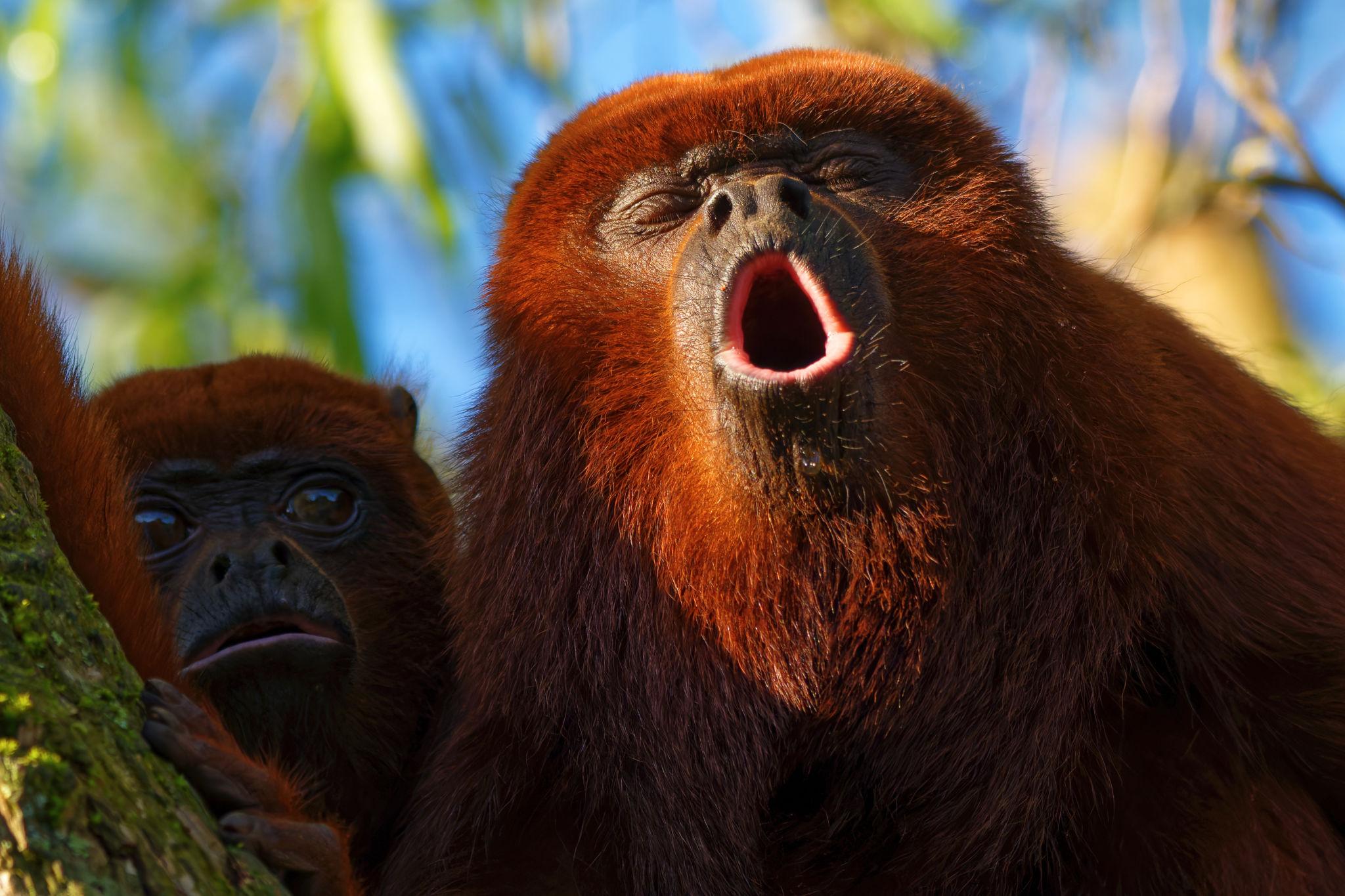
Alt Text: Red howler monkey calling from a treetop at sunrise.

The red howler monkey produces one of the loudest calls of any land animal.

Its deep roars can travel several kilometers through the rainforest at dawn.

These vocal performances help neighboring groups avoid conflict by announcing territory without the need for physical confrontation.

Many Amazon mornings begin with the haunting chorus of howler monkeys echoing across the canopy.


5. The Ant With One of Nature’s Most Painful Stings

Alt Text: Bullet ant walking across a rainforest leaf.

The bullet ant is famous for its exceptionally painful sting.

Although feared by many animals, bullet ants are not aggressive unless disturbed.

They defend their colonies while also helping recycle organic material on the forest floor.

Their presence highlights the incredible diversity of insects that support Amazon ecosystems.


6. The Bird With an Umbrella on Its Head

Alt Text: Male long-wattled umbrella bird displaying its crest.

The long-wattled umbrella bird has one of the most unusual appearances among Amazon birds.

A large feathered crest sits above its head like an umbrella, while a long feathered wattle hangs from its throat.

Males use these striking features during elaborate courtship displays to attract females in the dense rainforest.


7. Blackwater Rivers Create a Different World

Alt Text: Calm blackwater river reflecting the Amazon rainforest at sunset.

Not every Amazon river looks the same.

Blackwater rivers contain natural tannins released from decaying leaves, giving the water a dark tea-like color.

These rivers are typically acidic and support specialized fish, aquatic plants, and river dolphins adapted to these unique conditions.

The contrast between blackwater and muddy whitewater rivers creates an extraordinary variety of habitats across the Amazon Basin.


A Rainforest Full of Discoveries

Scientists continue to uncover new behaviors and species throughout the Amazon.

Remote forests, isolated rivers, and advanced technologies such as environmental DNA sampling are revealing wildlife that remained hidden for centuries.

The Amazon remains one of Earth’s greatest natural laboratories.


Why Every Species Matters

Whether it’s an electric eel navigating murky water or a monkey announcing its territory across the forest, every Amazon species contributes to the health of this remarkable ecosystem.

Protecting these habitats ensures that future generations can continue discovering the rainforest’s extraordinary wildlife.


Final Thoughts

The Amazon Rainforest is far more than a home for famous predators.

It is a world where electricity becomes a hunting tool, birds transform into living works of art, monkeys communicate across miles of forest, and dark rivers create entirely different ecosystems.

Every expedition into the Amazon reveals another reminder that nature’s imagination has no limits.


Posted on Leave a comment

🌿 7 Hidden Amazon Animal Stories That Sound Like Fantasy—But Are Completely Real

Купить краснорукого тамарина. Питомник "33 обезьянки".
32 of the new species discovered in 2022 - Discover Wildlife
Common Potoo standing in the top of a tree branch

6

🌿 7 Hidden Amazon Animal Stories That Sound Like Fantasy—But Are Completely Real

Category: Wildlife | Nature | Rainforest Stories

Tags: Amazon rainforest, Amazon wildlife, strange animal stories, rainforest animals, biodiversity, South America, jungle creatures, exotic wildlife, wildlife facts, conservation

Meta Description: Discover seven completely new and fascinating Amazon animal stories, including fruit-eating fish, invisible birds, orange-handed monkeys, and frogs that raise their babies in tiny rainforest pools.

The Amazon Rainforest is often described as the most extraordinary ecosystem on Earth. Scientists estimate that it contains millions of species, many of which are still unknown to science. While jaguars and giant snakes usually dominate wildlife documentaries, some of the rainforest’s most incredible stories belong to animals that are rarely mentioned.

These creatures have evolved unusual behaviors that seem almost impossible: fish that eat fruit from trees, birds that disappear into bark, and frogs that carefully transport their babies one by one.

Here are seven brand-new Amazon wildlife stories that prove the rainforest is stranger than fiction.

1. The Monkey With Bright Orange Hands

97px.fr | Tamarin à mains jaunes

The golden-handed tamarin is a small Amazon monkey that looks as if it dipped its hands in orange paint.

These energetic primates travel through the canopy in family groups, constantly communicating with whistles and chirps. Their bright hands help group members recognize one another as they leap through dense vegetation.

Golden-handed tamarins eat:

  • Fruit
  • Insects
  • Tree sap
  • Nectar
  • Small lizards

Because they move seeds throughout the forest, they help new plants grow across large areas of the Amazon.

Alt Text: Golden-handed tamarin with bright orange hands climbing through the Amazon canopy.

2. The Fish That Waits for Fruit to Fall

Amazonas: Bedrohte Symbiose zwischen Fischen und Bäumen

Most people imagine fish eating worms, insects, or other fish. The Amazon pacu has a very different menu.

During the rainy season, rivers flood huge areas of forest. Fruit drops from trees directly into the water, and pacu fish swim beneath the branches waiting for this unexpected feast.

Their strong, flat teeth are perfect for crushing:

  • Nuts
  • Seeds
  • Hard fruits

In return, the fish help disperse seeds to new parts of the flooded forest.

Alt Text: Amazon pacu fish feeding on fallen fruit in flooded rainforest water.

3. The Bird That Becomes a Tree Branch

Nuestras aves nativas de Santiago del Estero :: Behance

The potoo may be the Amazon’s greatest master of disguise.

By day, it sits perfectly still with its head pointed upward, looking exactly like a broken branch. Even experienced birdwatchers often walk past without noticing it.

At night, the potoo transforms into an agile hunter, catching moths and other flying insects with its enormous mouth.

Its haunting calls echo through the rainforest after dark, inspiring countless local legends.

Alt Text: Common potoo blending perfectly into a dead tree branch in the Amazon rainforest.

4. The Frog That Builds a Nursery Above the Water

Uakari Poison Frog

Some Amazon poison frogs are remarkably devoted parents.

After eggs hatch, one parent carries each tiny tadpole on its back to a small pool of water trapped inside a bromeliad plant high in the trees.

Why separate the babies?

  • Less competition for food
  • Reduced risk from predators
  • Better chance of survival

The parent may visit repeatedly to check on the developing tadpoles.

Alt Text: Poison frog transporting tadpoles to a bromeliad pool high in the Amazon rainforest.

5. The Bat That Sleeps Under a Leaf Umbrella

Tent-making bats

Tiny tent-making bats are surprisingly skilled engineers.

Using their teeth, they cut along the veins of large leaves, causing the leaf to fold into a natural tent. Entire colonies then sleep beneath this leafy umbrella.

The shelter provides protection from:

  • Rain
  • Harsh sunlight
  • Many predators

When the leaf dries out, the bats simply build a new one.

Alt Text: Tent-making bats sleeping beneath a folded tropical leaf in the Amazon rainforest.

6. The Butterfly That Flashes Blue Like a Mirror

'Blue Morpho Butterfly in Rainforest Rain' Poster, picture, metal print, paint by VIIVI | Displate

The famous blue morpho butterfly appears to glow with metallic blue wings.

Surprisingly, the wings contain almost no blue pigment. Microscopic structures reflect light in a way that creates the brilliant color.

When the butterfly closes its wings, the dazzling blue disappears, revealing a brown underside that blends into tree bark and leaves.

Predators see a flash of blue—then suddenly nothing.

Alt Text: Blue morpho butterfly showing iridescent wings in a sunny Amazon forest clearing.

7. The Rainforest That Turns Into an Underwater World

Brazilian Amazon

Perhaps the strangest Amazon story is not about one animal at all.

Every rainy season, enormous areas of forest become flooded for months. Fish swim between tree trunks, turtles feed on fallen fruit, and river dolphins travel through what was once dry woodland.

This habitat is called an igapó forest, and many animals have evolved specifically for this seasonal transformation.

The Amazon is one of the few places on Earth where a forest regularly becomes an aquatic ecosystem.

Alt Text: Seasonal flooding transforms part of the Amazon rainforest into an underwater forest.

Why Scientists Still Find New Amazon Animals

Researchers continue discovering new Amazon species every year, including frogs, insects, fish, and plants. Modern tools such as:

  • Camera traps
  • Drones
  • Environmental DNA sampling
  • Acoustic monitoring

are revealing wildlife that was previously impossible to study.

The Amazon remains one of the last great frontiers of biological discovery.

Why Protecting the Amazon Matters

These unusual animals depend on healthy forests and clean rivers. When habitats disappear, the intricate relationships between plants, insects, fish, birds, and mammals can break down.

Protecting the Amazon means preserving:

  • Future scientific discoveries
  • Unique wildlife found nowhere else
  • One of Earth’s most important ecosystems

Final Thoughts

The Amazon Rainforest is filled with creatures that seem to come from a fantasy novel:

  • Monkeys with orange hands
  • Fish that eat fruit from trees
  • Invisible birds
  • Frogs that carry babies to tiny rooftop pools
  • Bats that build leaf umbrellas

These remarkable stories remind us that nature is often far more imaginative than anything humans could invent—and the greatest wonders of the Amazon are still waiting to be discovered.

WordPress Image SEO Table

Suggested File NameAlt Text
golden-handed-tamarin-amazon.jpgGolden-handed tamarin with bright orange hands in the Amazon canopy
amazon-pacu-fruit-feeding.jpgPacu fish eating fallen fruit in flooded Amazon forest water
amazon-potoo-camouflage.jpgCommon potoo perfectly camouflaged as a broken tree branch
poison-frog-tadpole-transport.jpgPoison frog carrying tadpoles through the Amazon rainforest
tent-making-bats-leaf.jpgTent-making bats resting beneath a folded tropical leaf
blue-morpho-rainforest.jpgBlue morpho butterfly flying through a sunny Amazon clearing
amazon-igapo-flooded-forest.jpgFlooded igapó forest with trees rising from calm blackwater
Posted on Leave a comment

🌿 7 Incredible Amazon Animal Stories Hidden Deep in the World’s Largest Rainforest

Image
Image
Image
Image

🌿 7 Incredible Amazon Animal Stories Hidden Deep in the World’s Largest Rainforest

Category: Wildlife | Nature | Amazon Wildlife

Tags: Amazon rainforest, Amazon animals, wildlife stories, rainforest animals, biodiversity, South America, jungle wildlife, rare animals, wildlife facts, conservation

Meta Description:
Discover seven all-new true stories from the Amazon Rainforest, featuring cave-building armadillos, acrobatic spider monkeys, colorful birds, pollinating bats, and other remarkable wildlife.


7 Incredible Amazon Animal Stories Hidden Deep in the World’s Largest Rainforest

The Amazon Rainforest contains more wildlife than any other place on Earth. While animals like jaguars and anacondas often dominate documentaries, countless other creatures quietly perform extraordinary feats every day.

Some are expert climbers. Others become gardeners of the forest or pollinators under the cover of darkness. Each species plays a unique role in keeping the Amazon alive.

Here are seven fresh stories about remarkable Amazon wildlife that deserve more attention.


1. The Bright Orange Bird That Dances for Love

Alt Text: Male Guianan cock-of-the-rock displaying brilliant orange feathers on a rainforest branch.

One of the Amazon’s most spectacular birds is the Guianan cock-of-the-rock.

During breeding season, dozens of males gather in special display areas called leks.

Each bird performs energetic dances, bows, wing movements, and loud calls in hopes of attracting a female.

The brightest and healthiest males often receive the most attention, making these gatherings one of the rainforest’s most colorful wildlife spectacles.


2. The Underground Builder of the Rainforest

Alt Text: Giant armadillo emerging from a freshly dug burrow.

The giant armadillo is more than a powerful digger.

Its deep burrows later become shelters for many other rainforest animals, including reptiles, mammals, and insects.

Scientists have recorded dozens of species using abandoned armadillo burrows for protection from predators and extreme weather.

Without realizing it, the giant armadillo creates homes for an entire neighborhood of wildlife.


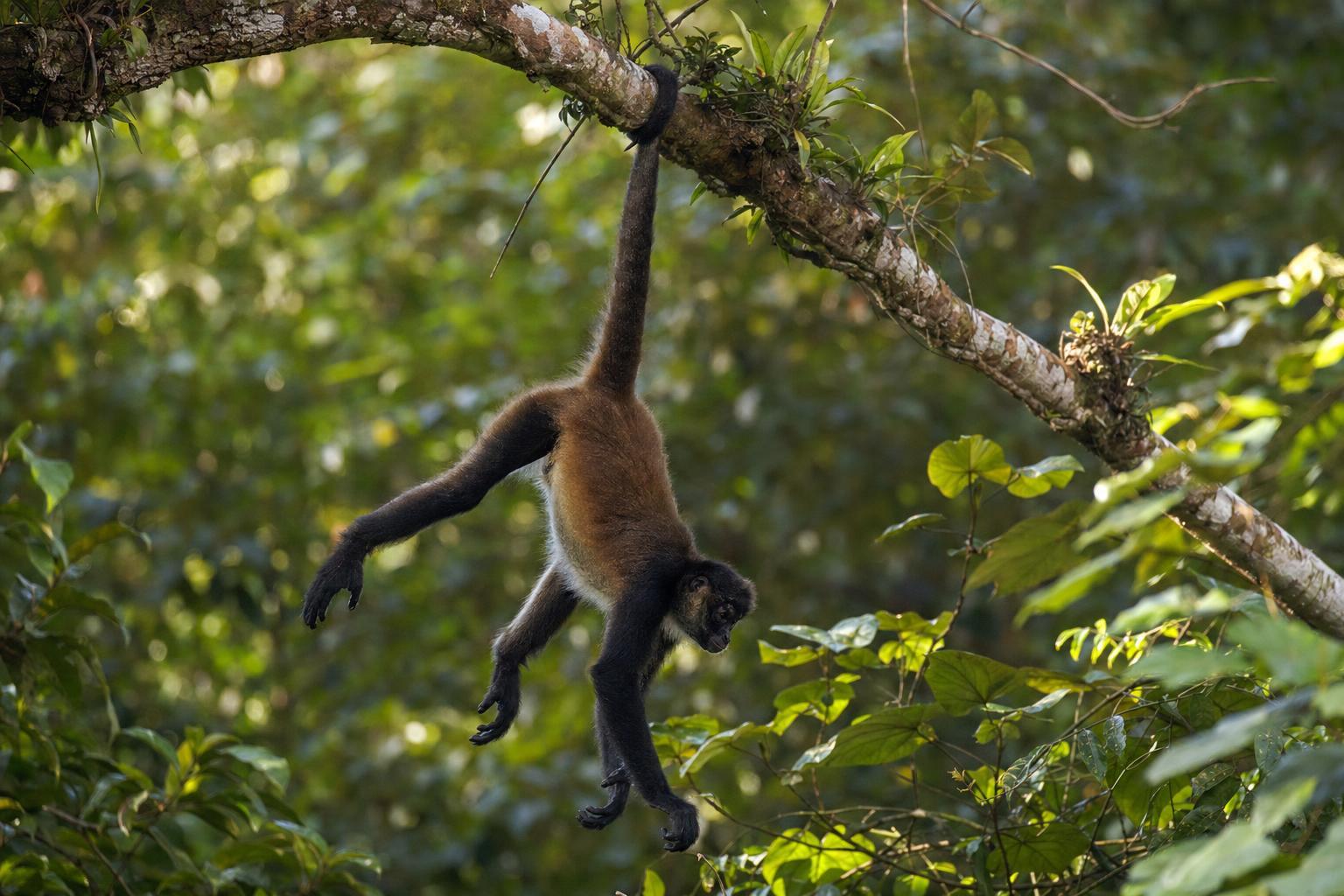
3. The Monkey That Travels Like an Acrobat

Alt Text: Black spider monkey swinging through the Amazon canopy.

The black spider monkey rarely touches the ground.

Using its incredibly strong prehensile tail as a fifth limb, it swings effortlessly between distant branches.

Its diet consists mainly of ripe fruit, making it one of the rainforest’s most important seed dispersers.

Every day, spider monkeys help plant future forests simply by moving through the canopy.


4. The Woodpecker That Listens Before It Drills

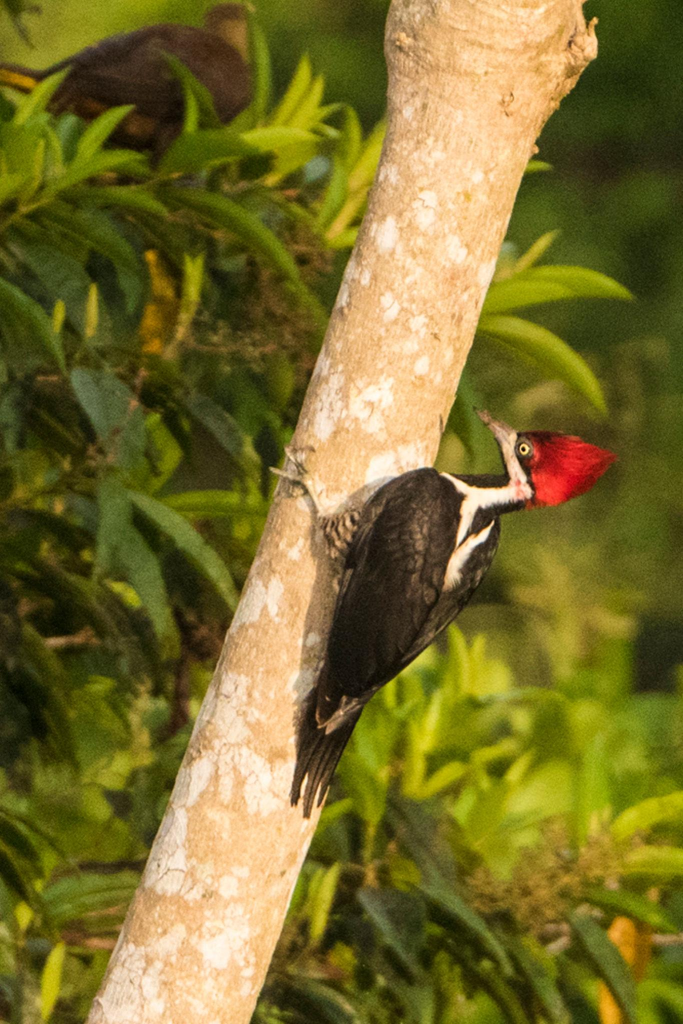
Alt Text: Ringed woodpecker searching tree bark for insects.

The ringed woodpecker doesn’t peck randomly.

It taps gently on tree trunks, listening for hollow sounds that reveal insects hidden beneath the bark.

Once it locates prey, it chisels precisely into the wood and uses its long sticky tongue to capture insects deep inside.

Its careful technique conserves energy while maximizing success.


5. The Bat That Pollinates Flowers at Night

Alt Text: Long-nosed bat feeding on nectar from a rainforest flower.

While bees work during daylight, many Amazon flowers depend on nectar-feeding bats after sunset.

Long-nosed bats hover briefly while drinking nectar.

As they move between flowers, pollen sticks to their fur and is transferred from bloom to bloom.

Without these nighttime pollinators, numerous rainforest plants would struggle to reproduce.


6. The Frog That Produces Natural Glue

Alt Text: Giant monkey frog resting on a rainforest branch.

The giant monkey frog has smooth green skin and spends most of its life high in the trees.

Its skin secretes sticky protective substances that help defend against harmful microbes and predators.

Scientists continue studying compounds from amphibian skin because they may provide valuable insights into future medicines.


7. Waterfalls Create Miniature Ecosystems

Alt Text: Remote Amazon waterfall surrounded by lush rainforest.

Amazon waterfalls are more than beautiful landscapes.

The cool mist supports mosses, orchids, insects, frogs, and tiny fish adapted specifically to fast-flowing water.

These isolated habitats often contain species found nowhere else.

Every waterfall becomes its own miniature ecosystem, adding another layer of biodiversity to the rainforest.


The Amazon Never Stops Teaching Us

Researchers continue discovering new behaviors and species throughout the Amazon.

Advanced tools like environmental DNA sampling, drones, and camera traps are helping scientists study animals that were once nearly impossible to observe.

Even today, the rainforest remains one of Earth’s greatest frontiers of scientific discovery.


Protecting a Living Treasure

Each Amazon species contributes to the health of the forest.

Birds spread seeds.

Bats pollinate flowers.

Monkeys regenerate forests.

Armadillos create homes for other wildlife.

Protecting these interconnected relationships helps preserve one of the most important ecosystems on the planet.


Final Thoughts

The Amazon Rainforest is filled with extraordinary animals whose stories often remain untold.

From dancing birds and acrobatic monkeys to hardworking armadillos and nighttime pollinators, every species plays a remarkable role in maintaining the balance of this incredible natural world.

The more we learn about these hidden creatures, the more we appreciate the importance of protecting their rainforest home.


WordPress Image SEO

ImageFile NameAlt Text
1guianan-cock-of-the-rock.jpgMale Guianan cock-of-the-rock displaying bright orange feathers
2giant-armadillo-burrow.jpgGiant armadillo emerging from its rainforest burrow
3black-spider-monkey.jpgBlack spider monkey swinging through the Amazon canopy
4ringed-woodpecker.jpgRinged woodpecker searching tree bark for insects
5amazon-long-nosed-bat.jpgLong-nosed bat pollinating rainforest flowers at night
6giant-monkey-frog.jpgGiant monkey frog resting on a rainforest branch
7amazon-waterfall.jpgHidden waterfall surrounded by dense Amazon rainforest vegetation
Posted on Leave a comment

🌿 7 Hidden Amazon Animal Stories That Even Experienced Wildlife Lovers Rarely Know

https://images.openai.com/static-rsc-4/4N8MFPtifcpWevy4_bA4zglG5MBGxLnqVlkAPtzD1cWbk6Rh8zr0VRrGoOy_1oEx_vKlRDBBpeGUM_Y3XFy_rF3NORS8BebnlUQLMMSByQh0bLbYd1H-rFtJAYEDU1xfWLYLIVDri_G7HhSUs6XKZDj3eazeN4s_sIKwYjxzTSH9fJcfe9ENON27bRkd4krg?purpose=fullsize
https://images.openai.com/static-rsc-4/SKBWWPPR1ffr56SaYjvCAsAfMfhDuWSgIfq8qilo7beXp-0ExdP5boZ5TA3Irxk-DPDwTouRl7Rgxj4wTRVYVnhXH34fpPKz1K6bKjhMXI6vCP4OAegoVJS7-mMfkKpIuVTfVHe5T-e4lsULN7amGOg25mCBN_KPSp7p0SzU8Y3d0DFwDVuxGmNBP1G7r_27?purpose=fullsize
https://images.openai.com/static-rsc-4/wKGdrPl829Ljd3xApd9v1ffzJnJsdlSvL_MC2SehZs0pYaBntBV4_xYJlBC2IwjdgzERKcBdm5CxLSWh4Qw9AsnDHbPpsDZ984wQ9pD8wooC9aHv1sKoScdqrA-kNw1Y1_6jrywSdlWdlE4T-xEr0D6fUSa77YfPuNodmaQlgi12ONvUXndFKauT5OJiKiN7?purpose=fullsize

4

🌿 7 Hidden Amazon Animal Stories That Even Experienced Wildlife Lovers Rarely Know

Category: Wildlife | Nature | Amazon Rainforest

Tags: Amazon rainforest, hidden wildlife, rare Amazon animals, wildlife stories, rainforest biodiversity, jungle animals, South America, exotic wildlife, nature facts, conservation

Meta Description:
Explore seven fresh stories about little-known Amazon wildlife, including transparent butterflies, tiny squirrels, freshwater stingrays, camouflaged frogs, and remarkable rainforest spiders.


7 Hidden Amazon Animal Stories That Even Experienced Wildlife Lovers Rarely Know

Every year, millions of visitors dream of seeing the Amazon Rainforest. Most hope to spot jaguars, giant snakes, or colorful macaws. Yet many of the rainforest’s most fascinating animals are far smaller, quieter, and easier to overlook.

These hidden species have evolved extraordinary survival strategies that demonstrate just how inventive nature can be. From transparent wings to underwater camouflage, their stories reveal a side of the Amazon that few people ever experience.


1. The Tiny Spider That Builds a Mystery

Alt Text: Small Amazon spider beside a unique silk “Silkhenge” web structure.

In 2013, scientists exploring the Amazon discovered a strange web unlike anything they had seen before.

Nicknamed “Silkhenge,” the tiny structure looked like a miniature fence surrounding a delicate silk tower.

For years, researchers debated its purpose before discovering it protected spider eggs from predators and parasites.

The discovery reminded scientists that even in the modern age, the Amazon still holds surprises hidden in plain sight.


2. The Butterfly You Can Almost See Through

Alt Text: Glasswing butterfly with transparent wings resting on a leaf.

The glasswing butterfly appears almost invisible in flight.

Most of its wings are transparent because they lack the colorful scales found on other butterflies.

This unusual adaptation makes it extremely difficult for birds to detect as it glides through patches of sunlight in the forest.

Its nearly invisible wings are one of nature’s most elegant forms of camouflage.


3. One of the World’s Smallest Squirrels

Alt Text: Tiny Amazon dwarf squirrel climbing a tree trunk.

The Amazon dwarf squirrel is only about the size of a human hand.

Despite its tiny body, it moves rapidly through the treetops searching for seeds, fruit, insects, and fungi.

Its small size allows it to reach slender branches that larger mammals cannot safely climb.

This gives it access to valuable food sources hidden high in the canopy.


4. The Frog That Looks Like Dead Leaves

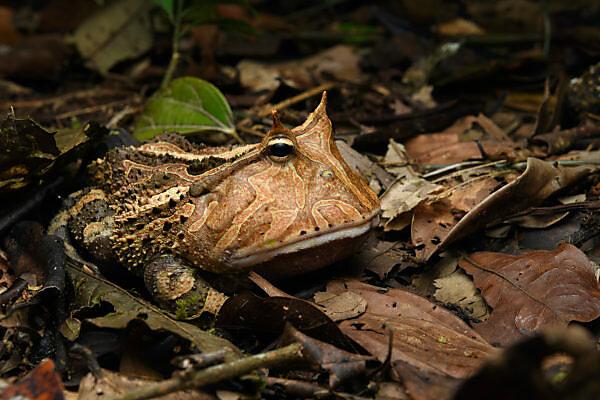
Alt Text: Horned frog perfectly camouflaged among brown rainforest leaves.

The Amazon horned frog spends much of its life buried beneath fallen leaves.

Its broad head and earth-colored skin make it almost impossible to distinguish from the forest floor.

Rather than chasing prey, it waits patiently for insects, small reptiles, or rodents to wander close enough for a lightning-fast strike.

Patience is its greatest hunting tool.


5. The Colorful Toucan With a Smaller Beak

Alt Text: Aracari toucan eating berries in the Amazon canopy.

Aracaris belong to the toucan family but have slimmer bodies and shorter beaks than their larger relatives.

They travel through the canopy in noisy groups searching for fruit, insects, and small animals.

As they eat fruit, they carry seeds throughout the forest, helping regenerate new trees over large distances.

Without birds like aracaris, many rainforest plants would struggle to spread naturally.


6. The Stingray That Lives Far From the Ocean

Alt Text: Freshwater stingray resting on the sandy bottom of an Amazon river.

Many people are surprised to learn that stingrays also live in freshwater.

Amazon freshwater stingrays spend their lives in rivers rather than the sea.

Their flattened bodies allow them to hide beneath sand while waiting for fish and small invertebrates.

They are highly adapted to freshwater habitats and represent one of the Amazon River’s most unusual predators.


7. The Giant Tree That Supports an Entire Community

Alt Text: Massive kapok tree rising above the Amazon rainforest canopy.

The towering kapok tree can reach more than 60 meters (200 feet) in height.

Its enormous branches provide nesting sites for birds, resting places for monkeys, and pathways for countless insects.

Epiphytic orchids, bromeliads, mosses, and vines all grow upon its trunk and branches.

Rather than supporting just one species, a single mature kapok tree becomes an entire ecosystem in itself.


Every Discovery Leads to Another

Despite centuries of exploration, scientists continue finding new Amazon species every year.

Improved technology, including drones, camera traps, and DNA analysis, reveals animals that were previously impossible to study.

The rainforest remains one of Earth’s greatest natural laboratories.


Protecting Hidden Wildlife

Many lesser-known Amazon animals receive far less public attention than famous species.

Yet each one contributes to pollination, seed dispersal, pest control, or nutrient cycling.

Conserving the Amazon means protecting not only its iconic wildlife but also the countless small creatures that quietly keep the ecosystem functioning.


Final Thoughts

The Amazon’s greatest treasures are often its least famous inhabitants.

Transparent butterflies, mysterious spiders, tiny squirrels, and freshwater stingrays demonstrate that extraordinary adaptations come in every size.

As scientists continue exploring this remarkable rainforest, countless more hidden stories are waiting to be discovered

Posted on Leave a comment

🌎 7 Remarkable Amazon Animal Stories That Most Wildlife Fans Have Never Heard

Image
Image
Image
Image
Image
Image
Image

🌎 7 Remarkable Amazon Animal Stories That Most Wildlife Fans Have Never Heard

Category: Wildlife | Nature | Rainforest Animals

Tags: Amazon rainforest, Amazon wildlife, rare animals, strange animal behavior, rainforest biodiversity, South America, wildlife stories, exotic animals, jungle creatures, nature facts

Meta Description:
Meet seven fascinating Amazon animals with extraordinary survival strategies, including the woolly opossum, squirrel cuckoo, caecilian, zebra longwing butterfly, and giant leaf insect.

7 Remarkable Amazon Animal Stories That Most Wildlife Fans Have Never Heard

The Amazon Rainforest is often celebrated for its famous predators and colorful birds, but many of its most fascinating residents remain almost unknown outside the scientific community. Hidden among towering trees, winding rivers, and damp forest floors are creatures with surprising lifestyles and extraordinary adaptations.

Here are seven fresh Amazon wildlife stories that showcase the incredible diversity of the world’s largest rainforest.


1. The Nighttime Acrobat of the Canopy

Alt Text: Woolly opossum climbing a rainforest branch at night.

The woolly opossum spends nearly its entire life in the trees.

Using its long prehensile tail like an extra hand, it carefully climbs through branches searching for fruit, nectar, insects, and small vertebrates.

Unlike many mammals, it becomes active only after sunset, when cooler temperatures and darkness help protect it from predators.

Its large eyes provide excellent night vision, making it a skilled nighttime explorer.


2. The Bird That Hunts Beneath the Surface

Alt Text: Anhinga swimming underwater to catch a fish.

The anhinga, sometimes called the “snakebird,” is an expert underwater hunter.

Unlike ducks, its feathers are not completely waterproof. This allows the bird to sink beneath the surface with ease.

Swimming quietly, it stalks fish before striking with its long, pointed bill.

After hunting, it spreads its wings wide in the sun to dry—a behavior that makes it easy to recognize along Amazon rivers.


3. The Cuckoo That Never Stops Moving

Alt Text: Squirrel cuckoo perched among rainforest vines.

The squirrel cuckoo rarely stays in one place for long.

It leaps gracefully through vines and branches searching for caterpillars, spiders, insects, and small lizards.

Its exceptionally long tail helps maintain balance while navigating dense vegetation.

Although brightly colored birds often steal attention, the squirrel cuckoo’s agility makes it one of the Amazon’s most entertaining forest birds.


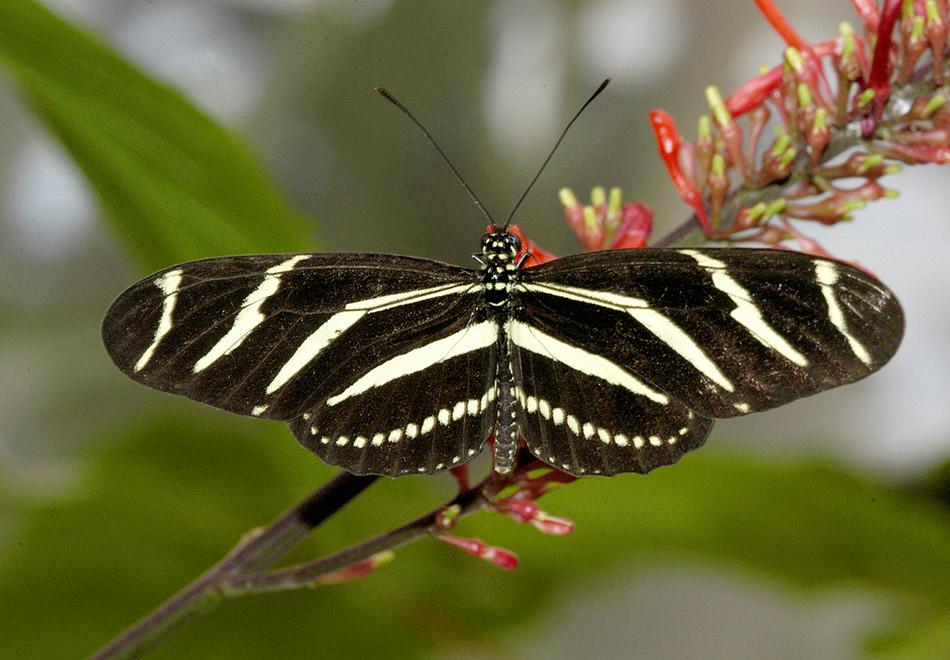
4. The Butterfly That Lives Longer Than Most

Alt Text: Zebra longwing butterfly feeding on tropical flowers.

Unlike many butterflies that survive only a few weeks, the zebra longwing butterfly can live for several months.

One reason is its unusual diet.

Besides nectar, it also feeds on pollen, giving it additional nutrients and energy.

At night, groups of zebra longwings gather together on branches, returning to the same sleeping sites night after night.


5. The Underground Amphibian That Looks Like a Worm

Alt Text: Caecilian emerging from moist rainforest soil.

Most people have never heard of the caecilian.

This unusual amphibian has no legs and spends nearly all its time underground.

Although it resembles a giant earthworm or snake, it is actually more closely related to frogs and salamanders.

Using its strong skull, the caecilian burrows through soft soil while searching for insects and worms hidden beneath the forest floor.


6. The Insect That Becomes a Perfect Leaf

Alt Text: Giant leaf insect blending perfectly with rainforest leaves.

The Amazon giant leaf insect is a masterpiece of camouflage.

Its flattened body resembles a living leaf, complete with veins, uneven edges, and even tiny spots that imitate decay.

When a breeze moves through the forest, the insect gently rocks back and forth, making the illusion even more convincing.

This remarkable disguise protects it from hungry birds and reptiles.


7. Every Sunrise Begins Another Wildlife Adventure

Alt Text: Sunrise over a winding Amazon River surrounded by rainforest.

As the first sunlight reaches the rainforest, the Amazon awakens.

Butterflies warm their wings.

Birds begin singing.

Monkeys call from the canopy.

Fish leap from the river.

Pollinating insects visit fresh flowers.

Each sunrise marks the beginning of another day in one of the richest ecosystems on Earth, where millions of species interact in ways scientists are still discovering.


The Amazon Still Holds Endless Mysteries

Researchers estimate that thousands of Amazon species remain undiscovered.

Remote valleys, isolated rivers, and unexplored forests continue to reveal new insects, amphibians, fish, fungi, and plants every year.

The rainforest remains one of the few places on Earth where major biological discoveries are still common.


Protecting Earth’s Greatest Rainforest

Every species in the Amazon contributes to a complex web of life.

Pollinators help forests reproduce.

Predators maintain healthy ecosystems.

Seed dispersers ensure future forests can grow.

Conservation efforts protect not only individual animals but also the delicate relationships that keep the rainforest alive.


Final Thoughts

The Amazon is a place where even its lesser-known animals display extraordinary abilities.

From underground amphibians and pollen-eating butterflies to acrobatic marsupials and perfectly camouflaged insects, each species tells a unique story of survival and adaptation.

These remarkable creatures remind us that the Amazon’s greatest treasures are often the ones hidden from view.


ImageFile NameAlt Text
1amazon-woolly-opossum.jpgWoolly opossum climbing through the Amazon canopy at night
2amazon-anhinga-fishing.jpgAnhinga swimming underwater while hunting fish
3amazon-squirrel-cuckoo.jpgSquirrel cuckoo perched among rainforest branches
4zebra-longwing-butterfly.jpgZebra longwing butterfly feeding on tropical flowers
5amazon-caecilian.jpgRare caecilian emerging from moist rainforest soil
6amazon-giant-leaf-insect.jpgGiant leaf insect perfectly camouflaged among green leaves
7amazon-river-sunrise.jpgSunrise over a winding river in the Amazon rainforest
Posted on Leave a comment

🌳 7 Incredible Amazon Animal Stories Hidden Deep in the Rainforest

https://images.openai.com/static-rsc-4/BT_y9Pw5rdhF9QdFgg7n8EDMUmyyQHfZ810XQobU4emIJztwHBn95H5XDTrF5Bos9_etfm9aVnnMr9WqZasHG44IWuHOctdCgMJYrR8hKNbjrSVmwqGLaxE4aJHchFMv7kEpvRTQ13eoNfKOqFzVolEoHLRHUip6CIx1XQM8FlVsDfLa2qR3sxMXgroBYFUU?purpose=fullsize
https://images.openai.com/static-rsc-4/B0tA8JuNesh5ay_TL-yzTcEq1fpG8cALKauUmtgOtdUJ0JfOThSfsTcHwnMGcyT0lxwpipoNvZmZmFeJdCUdGt3fexr_jzn1zH2H5uZOFga94Vk6cuqorIZnJASAWkGW4W50_TYd8B4s5xwkNRGm4M8KJglJHDqKoWy-iuRh3mdr-7XTGa_WawSFRbMNLg2D?purpose=fullsize
https://images.openai.com/static-rsc-4/69NfjJ8kYkvay8v9vXjMzgcy6xC_K2WhrSalxc4L70mjvy-l9HNEX7n0zHRiNSnri0M00YQPnMG8Q6S2zZgaEM0fu0EZ451upULeSJJSqblxVyIYE5jzkyEouVL8X9JVieicVR_DtqIFHv0by0IiWCkO00Bd7QO6uhvF5T39BA2hutulIcCfLiOncl8N3BmH?purpose=fullsize

6

🌳 7 Incredible Amazon Animal Stories Hidden Deep in the Rainforest

Category: Wildlife | Nature | Rainforest Stories

Tags: Amazon rainforest, Amazon wildlife, wildlife facts, strange animal stories, jungle animals, rare rainforest animals, South America, biodiversity, conservation, nature, exotic animals

Meta Description:
Discover seven fresh Amazon wildlife stories featuring the Brazil nut’s secret partner, the elusive bush dog, giant centipedes, saddleback tamarins, and other remarkable rainforest animals.


7 Incredible Amazon Animal Stories Hidden Deep in the Rainforest

The Amazon Rainforest is often called the greatest wildlife sanctuary on Earth. While iconic species like jaguars and macaws receive worldwide attention, hundreds of remarkable animals quietly shape the rainforest every day.

Some help grow giant trees. Others hunt in family groups or survive using extraordinary adaptations developed over millions of years.

Here are seven completely different stories from the Amazon that reveal just how amazing this ecosystem truly is.


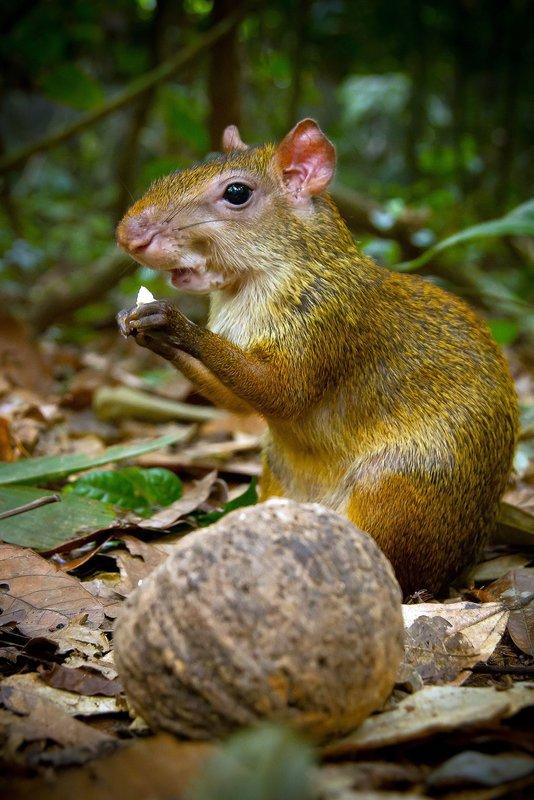
1. The Small Rodent That Plants Giant Forests

Alt Text: Agouti carrying a Brazil nut across the Amazon forest floor.

The agouti may resemble a large guinea pig, but it performs one of the Amazon’s most important jobs.

Brazil nut trees produce extremely hard fruits that very few animals can open.

Agoutis use their powerful front teeth to crack open the shell. Instead of eating every seed, they bury many of them as food stores for later.

Some hidden seeds are forgotten and eventually grow into enormous Brazil nut trees that can live for centuries.

Without agoutis, natural regeneration of these giant trees would be greatly reduced.


2. The Bat That Helps Keep Animals Healthy

Alt Text: Common vampire bat drinking from a shallow puddle in the rainforest.

The common vampire bat often has a frightening reputation, but its social behavior is surprisingly complex.

Individuals that successfully feed sometimes share food with hungry colony members that were unsuccessful the previous night.

Scientists have documented long-term social bonds within colonies, where bats remember helpful companions and return the favor later.

This cooperative behavior is one reason vampire bats are frequently studied by animal behavior researchers.


3. The Bird With a Voice Like a Trumpet

Alt Text: Southern screamer standing beside an Amazon wetland.

The southern screamer is impossible to ignore once it begins calling.

Its loud, trumpet-like voice echoes across wetlands and flooded forests, allowing pairs to communicate over great distances.

Unlike many large birds, screamers mainly eat aquatic plants and spend much of their lives near marshes and shallow lakes.

Their powerful calls help strengthen pair bonds and defend territories.


4. The Mysterious Wild Dog Few People Ever See

Alt Text: Bush dog exploring a rainforest trail.

The bush dog is one of South America’s rarest carnivores.

Short-legged and compact, it looks unlike any other wild dog.

Bush dogs hunt cooperatively in small packs, often pursuing rodents and other small mammals through dense vegetation.

Because they are shy and inhabit remote forests, even experienced wildlife researchers may spend years without seeing one in the wild.


5. The Giant Centipede That Rules the Forest Floor

Alt Text: Giant Amazon centipede crawling across leaf litter.

The Amazon giant centipede is among the rainforest’s most efficient nighttime predators.

Using dozens of legs, it moves rapidly across fallen leaves searching for insects, spiders, frogs, and other small prey.

Its speed and powerful venom allow it to capture animals much larger than many people would expect from an invertebrate.

Despite its fearsome appearance, it plays an important role by helping regulate populations of smaller forest animals.


6. The Tiny Monkey That Never Travels Alone

Alt Text: Saddleback tamarin family moving together through the Amazon canopy.

The saddleback tamarin lives in close family groups.

Members constantly communicate with whistles, chirps, and scent markings while moving through the forest.

Adults cooperate to carry babies, giving mothers valuable time to feed and rest.

Their teamwork allows the group to stay alert for predators while searching for fruit, insects, and tree sap.


7. A Tree That Depends on Animals to Survive

Alt Text: Massive Brazil nut tree rising above the Amazon rainforest canopy.

The towering Brazil nut tree cannot thrive alone.

Its flowers rely on large native bees for pollination.

Its seeds depend on agoutis for dispersal.

Healthy forests provide habitat for both species, creating a remarkable ecological partnership.

This relationship shows that even the tallest trees in the Amazon depend on much smaller animals for their future.


Why the Amazon Is a Web of Connections

The Amazon is more than a collection of individual species—it is a network of relationships.

Small rodents help forests grow.

Bees pollinate towering trees.

Predators maintain balanced ecosystems.

Family groups cooperate to raise young.

Every animal contributes to the health of the rainforest in ways scientists are still discovering.


Conserving the Amazon’s Wildlife

Protecting the Amazon means preserving these intricate natural relationships.

Conservation efforts support healthy forests, clean rivers, and thriving wildlife populations while also benefiting local communities and the global climate.

Every protected habitat helps safeguard thousands of extraordinary species that cannot be found anywhere else.


Final Thoughts

The Amazon continues to surprise researchers with new discoveries and fascinating behaviors. Whether it’s a rodent planting future forests, a shy wild dog hunting in packs, or tiny monkeys sharing parenting duties, each species plays an important role in this extraordinary ecosystem.

These hidden stories remind us that some of nature’s greatest wonders are often the least well known.