Posted on Leave a comment

🌿 7 Extraordinary Amazon Animal Stories That Will Change the Way You See the Rainforest

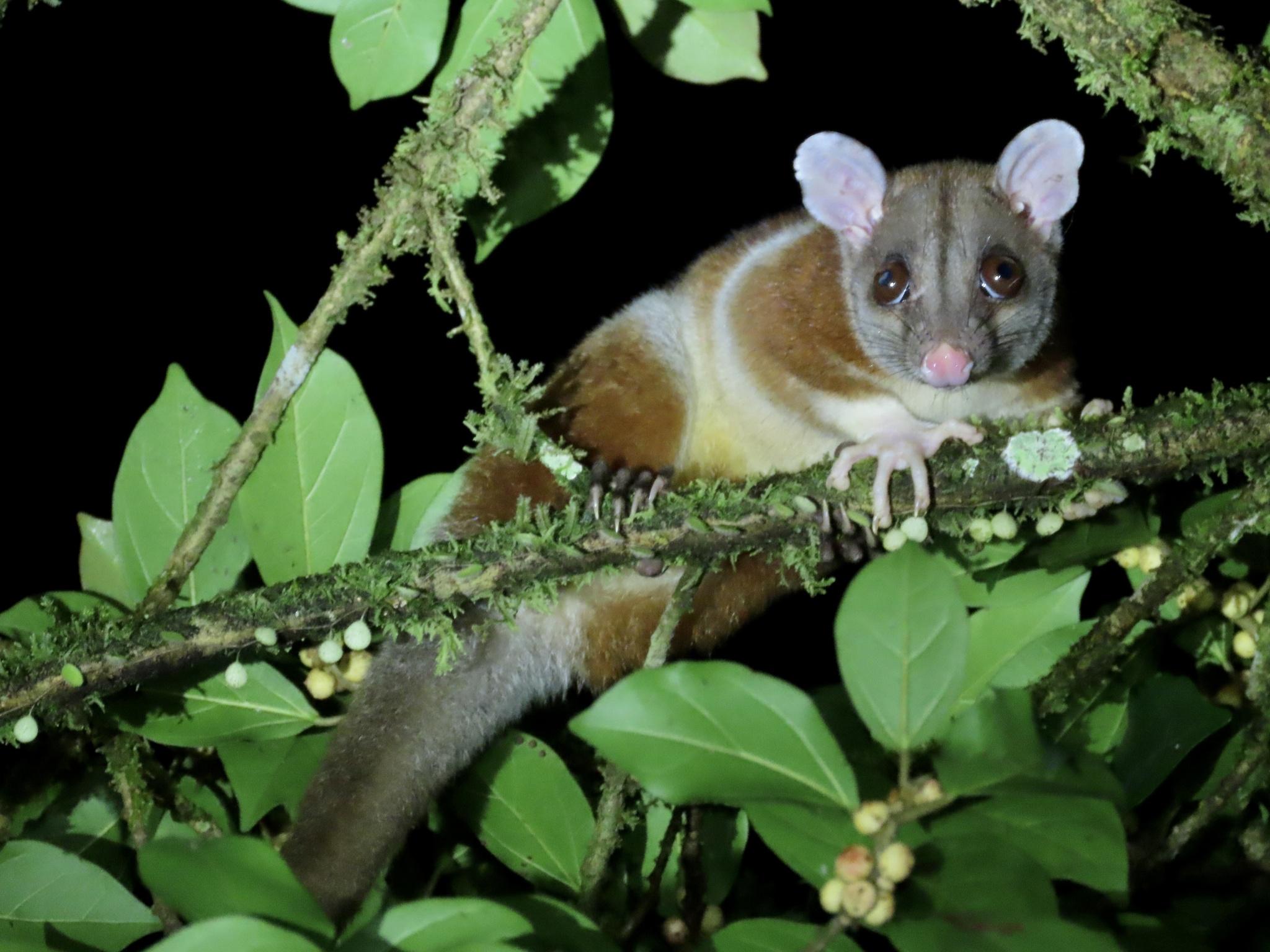
Woolly opossum climbing through rainforest branches at night
Image
Image
Image
Image

🌿 7 Extraordinary Amazon Animal Stories That Will Change the Way You See the Rainforest

Category: Wildlife | Nature | Amazon Rainforest

Tags: Amazon Rainforest, Amazon wildlife, rainforest animals, wildlife stories, biodiversity, South America, jungle creatures, exotic animals, conservation, nature facts

Meta Description:
Explore seven brand-new true stories from the Amazon Rainforest, featuring leaf fish, jacanas, woolly opossums, giant katydids, hoatzins, and other fascinating rainforest wildlife.


7 Extraordinary Amazon Animal Stories That Will Change the Way You See the Rainforest

The Amazon Rainforest is often described as the lungs of the planet, but it is also one of Earth’s greatest wildlife sanctuaries. Every day, thousands of remarkable interactions take place among animals that have adapted to life in dense forests, winding rivers, and flooded wetlands.

While famous species like jaguars and anacondas capture headlines, many lesser-known creatures have evolved survival strategies that are equally astonishing. Here are seven fresh stories that reveal the hidden brilliance of Amazon wildlife.


1. The Tiny Monkey That Never Lets Go of Its Baby

Alt Text: Adult tamarin carrying its baby through the Amazon canopy.

Many tamarin species are devoted parents, but one unusual behavior stands out—fathers carry newborn babies for most of the day.

The infants cling tightly to their father’s back while the mother rests and feeds. She usually takes the babies back only for nursing before returning them to the father.

This teamwork allows the family to travel, forage, and protect the young more efficiently, making tamarins one of the Amazon’s most cooperative primates.


2. The Fish That Looks Exactly Like a Dead Leaf

Alt Text: Amazon leaf fish perfectly camouflaged among underwater leaves.

The Amazon leaf fish is an extraordinary master of disguise.

Its flattened body, mottled colors, and slow drifting movements make it almost indistinguishable from a floating dead leaf.

Instead of chasing prey, it patiently drifts with the current until a small fish swims close. Then, with lightning speed, it opens its mouth and creates a suction powerful enough to capture its meal.


3. The Bird That Walks Across Floating Plants

Alt Text: Wattled jacana walking across giant Amazon water lilies.

The wattled jacana appears to perform magic as it walks across floating vegetation.

Its secret lies in its exceptionally long toes, which spread its weight across broad leaves such as giant Amazon water lilies.

This adaptation allows the bird to search for insects, seeds, and aquatic plants without sinking into the water.


4. The Night Explorer With Soft Woolly Fur

Alt Text: Woolly opossum climbing through rainforest branches at night.

The woolly opossum is rarely seen because it spends its life high in the trees after sunset.

Its thick fur protects it from cool nighttime temperatures, while its long tail helps maintain balance as it searches for fruit, nectar, insects, and small animals.

By feeding on flowers and fruits, woolly opossums also contribute to pollination and seed dispersal throughout the rainforest.


5. The Bird That Builds Nests Above Rivers

Alt Text: Hoatzin nest built above a calm Amazon river.

Hoatzins often build their nests directly above slow-moving rivers and flooded forests.

This unusual location offers an escape route for chicks.

If danger approaches, young birds can leap safely into the water, swim toward nearby vegetation, and climb back using the small claws on their wings.

Few birds possess such an extraordinary survival strategy.


6. The Giant Insect That Pretends to Be a Leaf

Alt Text: Giant green katydid blending into rainforest foliage.

The giant katydid has wings that closely resemble fresh green leaves.

Even tiny veins on the wings mimic real plant structures.

This remarkable camouflage protects the insect from birds, reptiles, and mammals that hunt by sight.

Remaining motionless during daylight makes the disguise even more convincing.


7. Every Sunrise Starts a New Rainforest Symphony

Alt Text: Sunrise illuminating mist over an Amazon rainforest river.

As dawn breaks over the Amazon, the rainforest awakens in stages.

Frogs gradually fall silent.

Birds begin singing.

Monkeys call across the canopy.

Butterflies emerge into warm sunlight.

This daily chorus signals another day in one of the most biologically diverse ecosystems on Earth.


Scientists Continue Discovering New Wonders

Researchers describe dozens of new Amazon species every year, including frogs, insects, fish, orchids, and fungi.

Modern technologies such as drone surveys, environmental DNA sampling, and remote camera systems are helping scientists explore previously inaccessible regions of the rainforest.


Why Protecting the Amazon Matters

The Amazon supports an extraordinary network of life.

Monkeys disperse seeds.

Fish maintain aquatic food webs.

Birds pollinate flowers.

Insects recycle nutrients.

Every species contributes to the long-term health and resilience of this globally important ecosystem.


Final Thoughts

The Amazon Rainforest continues to surprise the world with its incredible wildlife.

Whether it is a fish disguised as a leaf, a monkey father carrying its baby, or a bird walking across floating plants, each story reveals another remarkable example of nature’s creativity.

Protecting this extraordinary rainforest ensures that these amazing animals—and the countless discoveries still waiting to be made—will continue to inspire future generations.


WordPress Image SEO

ImageFile NameAlt Text
1tamarin-carrying-baby.jpgAdult tamarin carrying its baby through the Amazon rainforest canopy
2amazon-leaf-fish.jpgAmazon leaf fish camouflaged among underwater leaves
3wattled-jacana-water-lily.jpgWattled jacana walking across giant Amazon water lily leaves
4woolly-opossum-night.jpgWoolly opossum climbing through rainforest branches at night
5hoatzin-nest-river.jpgHoatzin nest built above a calm Amazon rainforest river
6giant-katydid-leaf-camouflage.jpgGiant green katydid blending perfectly with rainforest leaves
7amazon-river-sunrise-mist.jpgSunrise over a misty Amazon River surrounded by lush rainforest
Posted on Leave a comment

🌿 7 Hidden Amazon Wildlife Stories That Prove Every Creature Has a Superpower

Image
Image
Image
Image
Image

🌿 7 Hidden Amazon Wildlife Stories That Prove Every Creature Has a Superpower

Category: Wildlife | Nature | Amazon Rainforest

Tags: Amazon Rainforest, Amazon wildlife, rainforest animals, wildlife facts, biodiversity, jungle creatures, South America, conservation, rare animals, nature stories

Meta Description:
Discover seven fascinating Amazon wildlife stories featuring orchid bees, squirrel cuckoos, spectacled caimans, giant centipedes, tamarins, sloths, and more.


7 Hidden Amazon Wildlife Stories That Prove Every Creature Has a Superpower

The Amazon Rainforest is one of the last great wildernesses on Earth, home to an astonishing variety of life. Every layer of the forest—from the towering canopy to the muddy riverbanks—is filled with species that have evolved remarkable ways to survive.

Some animals rely on teamwork, others on camouflage, and a few possess abilities so unusual that they seem almost unbelievable. Here are seven fresh stories from the Amazon that highlight nature’s incredible ingenuity.


1. The Bird That Hunts Like a Squirrel

Alt Text: Squirrel cuckoo climbing through branches in the Amazon canopy.

The squirrel cuckoo earns its name from the way it moves.

Instead of flying long distances, it often runs and leaps through branches with quick, agile movements that resemble a squirrel.

Its long tail helps it balance while searching for caterpillars, insects, tree frogs, and small lizards hidden among the leaves.


2. The River Guardian With Watchful Eyes

Alt Text: Spectacled caiman floating quietly in an Amazon river.

The spectacled caiman spends much of its life almost completely submerged.

Only its eyes and nostrils remain above the water, allowing it to watch for fish and other prey while staying hidden.

Young caimans often remain close to their mothers, who protect them during their vulnerable early months.


3. The Slow Traveler That Saves Energy

Alt Text: Three-toed sloth hanging upside down in a rainforest tree.

The three-toed sloth moves slowly for a good reason.

Its leaf-based diet provides relatively little energy, so conserving energy is essential.

Specialized muscles and curved claws allow the sloth to hang comfortably upside down for hours while digesting its food.

Algae sometimes grow on its fur, providing additional camouflage among moss-covered branches.


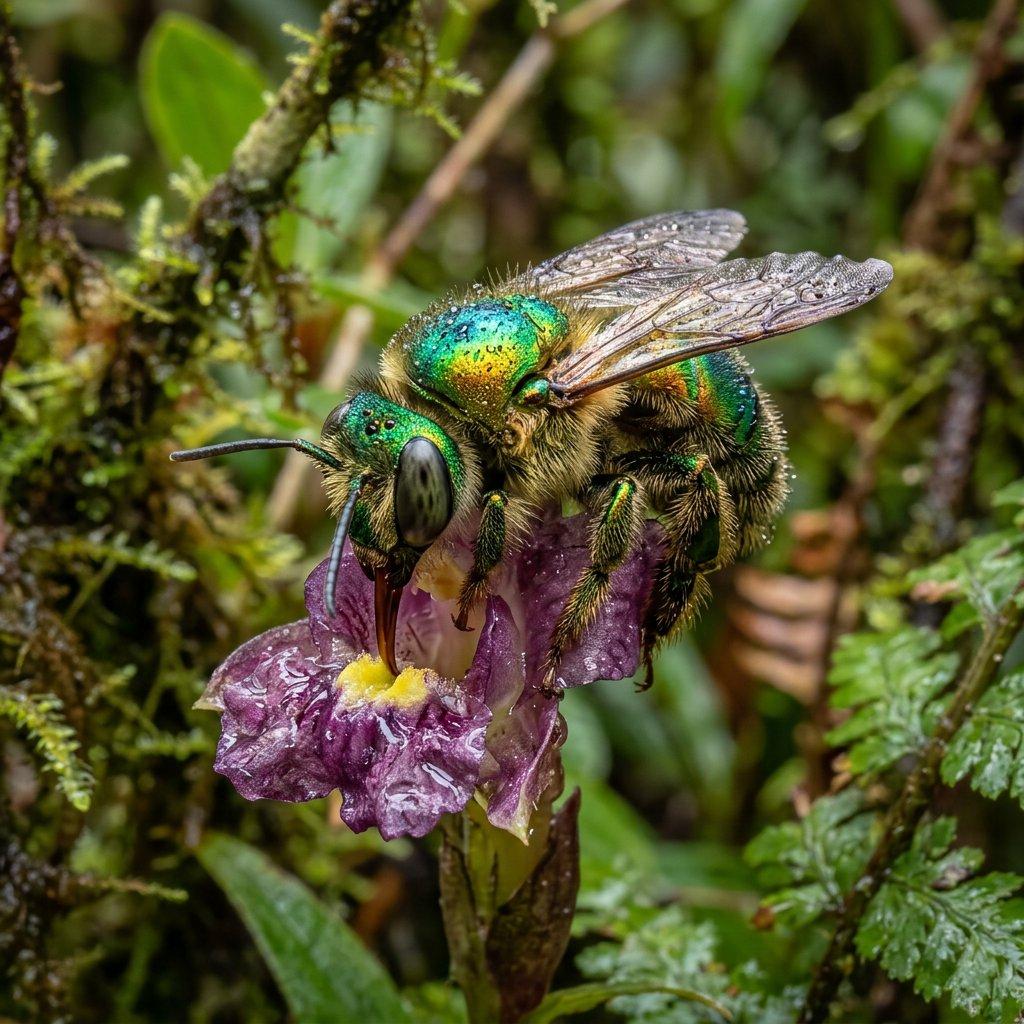
4. The Bee That Collects Perfume

Alt Text: Metallic green orchid bee visiting a tropical flower.

Male orchid bees gather fragrant chemicals from orchids and other flowers.

Rather than using these scents for food, they store them in special pockets on their hind legs.

Scientists believe these perfumes help attract females during courtship, making orchid bees some of the rainforest’s most unusual pollinators.


5. Tiny Monkeys That Care for One Another

Alt Text: Family of tamarins grooming each other on a tree branch.

Tamarins are highly social primates.

Group members frequently groom one another to strengthen social bonds.

In many species, fathers and older siblings help carry babies for much of the day, allowing mothers more time to feed.

This cooperative care greatly increases the survival of young tamarins.


6. The Night Hunter Beneath the Leaves

Alt Text: Giant Amazon centipede crossing the rainforest floor at night.

The Amazon giant centipede becomes active after sunset.

Using highly sensitive antennae, it searches through leaf litter for insects and other small animals.

Despite its intimidating appearance, it usually avoids larger animals and spends daylight hours hidden beneath logs, rocks, or fallen branches.


7. The River That Connects Every Living Thing

Alt Text: Peaceful Amazon River glowing in golden evening light.

The Amazon River is the lifeblood of the rainforest.

Its seasonal floods transport nutrients, nourish forests, create fish breeding grounds, and provide water for countless animals.

Many species depend on these annual floods to complete their life cycles, making the river one of the world’s most important natural systems.


A Rainforest Still Full of Discoveries

Researchers continue to uncover new Amazon species every year, including insects, amphibians, fish, fungi, and flowering plants.

Even familiar animals often surprise scientists with previously unknown behaviors, proving that the rainforest still holds countless mysteries.


Why Protecting Biodiversity Matters

Every Amazon species has a purpose.

Bees pollinate flowers.

Sloths support tiny ecosystems in their fur.

Caimans help regulate aquatic food webs.

Monkeys disperse seeds that become future forests.

Protecting biodiversity means preserving these intricate relationships that keep the rainforest healthy.


Final Thoughts

The Amazon Rainforest is filled with extraordinary wildlife that rarely makes headlines.

From perfume-collecting bees and acrobatic birds to caring monkey families and patient river predators, every species contributes to one of Earth’s richest ecosystems.

The more we explore the Amazon, the more we realize that even its smallest creatures have remarkable stories to tell.


WordPress Image SEO

ImageFile NameAlt Text
1squirrel-cuckoo-amazon.jpgSquirrel cuckoo moving through branches in the Amazon canopy
2spectacled-caiman-river.jpgSpectacled caiman floating quietly in an Amazon river
3three-toed-sloth-tree.jpgThree-toed sloth hanging from a rainforest tree branch
4orchid-bee-flower.jpgMetallic green orchid bee collecting fragrance from a flower
5tamarin-family-grooming.jpgFamily of tamarins grooming each other in the rainforest
6amazon-giant-centipede.jpgGiant Amazon centipede walking across the rainforest floor
7amazon-river-golden-hour.jpgGolden sunset over the Amazon River surrounded by rainforest
Posted on Leave a comment

🌿 7 Incredible Amazon Animal Stories Hidden Deep in the World’s Largest Rainforest

Image
Image
Image
Image

🌿 7 Incredible Amazon Animal Stories Hidden Deep in the World’s Largest Rainforest

Category: Wildlife | Nature | Amazon Wildlife

Tags: Amazon rainforest, Amazon animals, wildlife stories, rainforest animals, biodiversity, South America, jungle wildlife, rare animals, wildlife facts, conservation

Meta Description:
Discover seven all-new true stories from the Amazon Rainforest, featuring cave-building armadillos, acrobatic spider monkeys, colorful birds, pollinating bats, and other remarkable wildlife.


7 Incredible Amazon Animal Stories Hidden Deep in the World’s Largest Rainforest

The Amazon Rainforest contains more wildlife than any other place on Earth. While animals like jaguars and anacondas often dominate documentaries, countless other creatures quietly perform extraordinary feats every day.

Some are expert climbers. Others become gardeners of the forest or pollinators under the cover of darkness. Each species plays a unique role in keeping the Amazon alive.

Here are seven fresh stories about remarkable Amazon wildlife that deserve more attention.


1. The Bright Orange Bird That Dances for Love

Alt Text: Male Guianan cock-of-the-rock displaying brilliant orange feathers on a rainforest branch.

One of the Amazon’s most spectacular birds is the Guianan cock-of-the-rock.

During breeding season, dozens of males gather in special display areas called leks.

Each bird performs energetic dances, bows, wing movements, and loud calls in hopes of attracting a female.

The brightest and healthiest males often receive the most attention, making these gatherings one of the rainforest’s most colorful wildlife spectacles.


2. The Underground Builder of the Rainforest

Alt Text: Giant armadillo emerging from a freshly dug burrow.

The giant armadillo is more than a powerful digger.

Its deep burrows later become shelters for many other rainforest animals, including reptiles, mammals, and insects.

Scientists have recorded dozens of species using abandoned armadillo burrows for protection from predators and extreme weather.

Without realizing it, the giant armadillo creates homes for an entire neighborhood of wildlife.


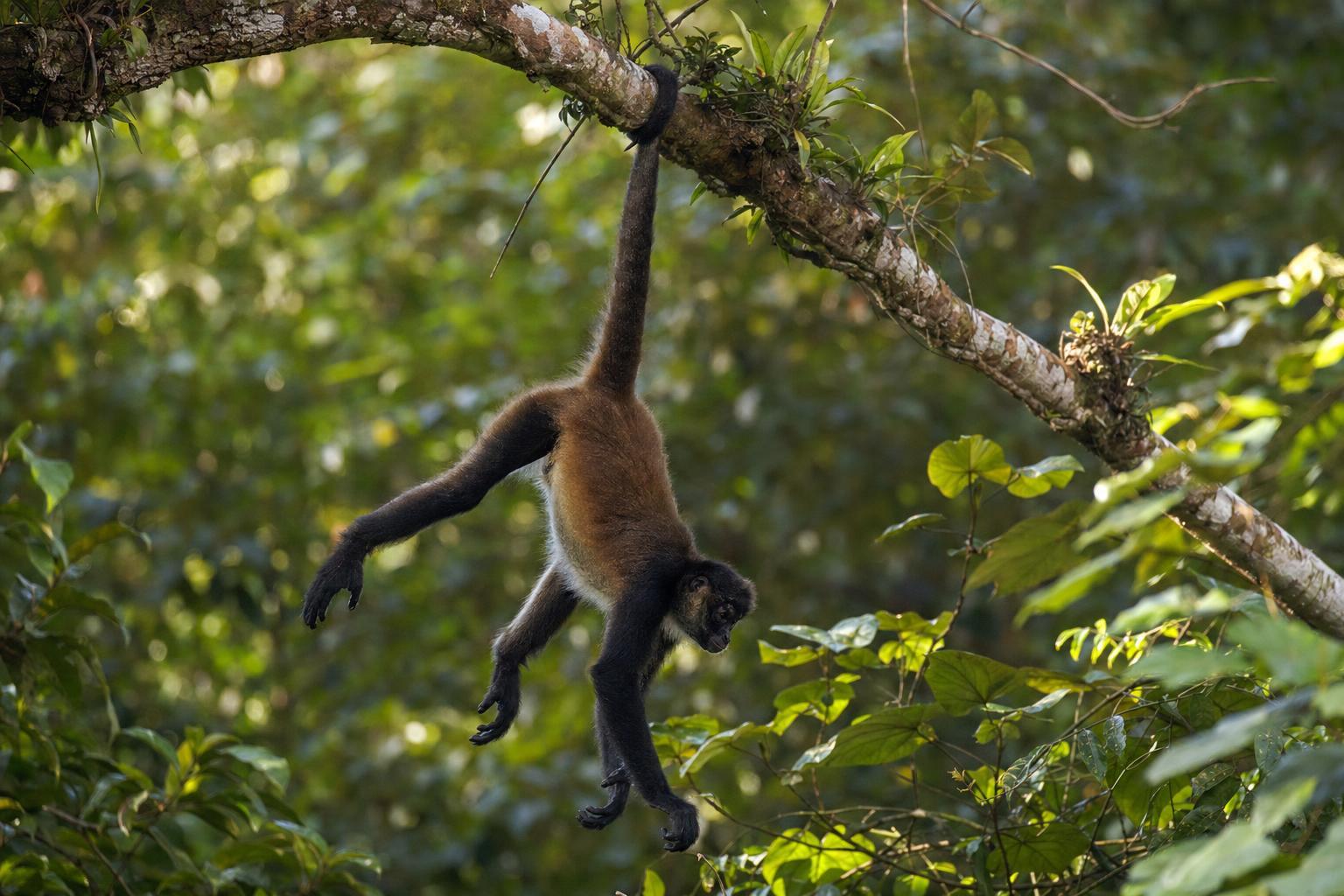
3. The Monkey That Travels Like an Acrobat

Alt Text: Black spider monkey swinging through the Amazon canopy.

The black spider monkey rarely touches the ground.

Using its incredibly strong prehensile tail as a fifth limb, it swings effortlessly between distant branches.

Its diet consists mainly of ripe fruit, making it one of the rainforest’s most important seed dispersers.

Every day, spider monkeys help plant future forests simply by moving through the canopy.


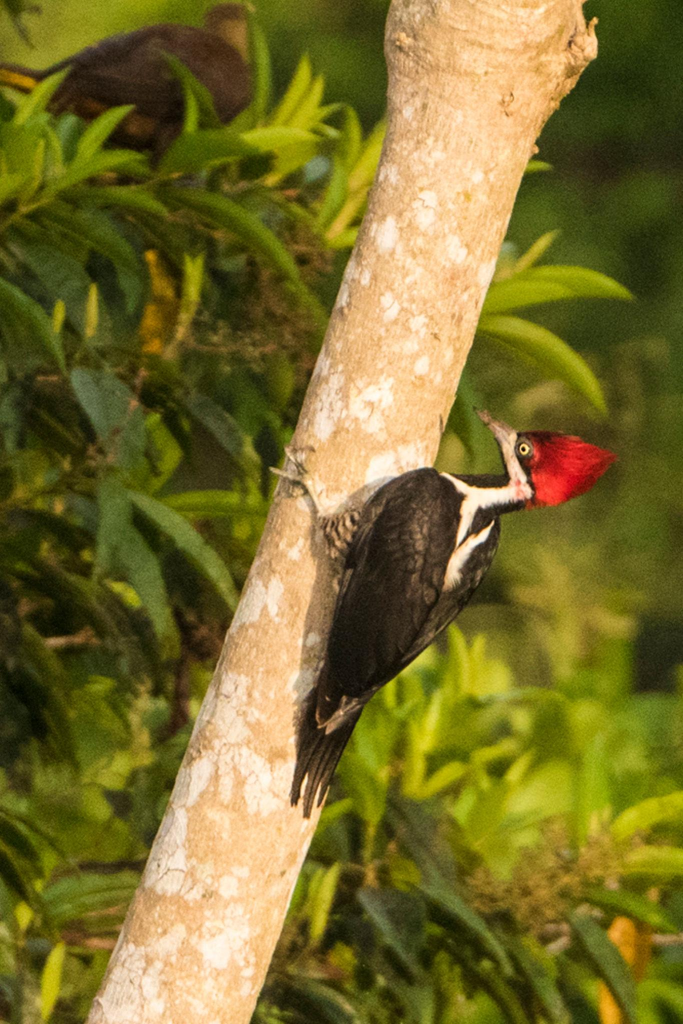
4. The Woodpecker That Listens Before It Drills

Alt Text: Ringed woodpecker searching tree bark for insects.

The ringed woodpecker doesn’t peck randomly.

It taps gently on tree trunks, listening for hollow sounds that reveal insects hidden beneath the bark.

Once it locates prey, it chisels precisely into the wood and uses its long sticky tongue to capture insects deep inside.

Its careful technique conserves energy while maximizing success.


5. The Bat That Pollinates Flowers at Night

Alt Text: Long-nosed bat feeding on nectar from a rainforest flower.

While bees work during daylight, many Amazon flowers depend on nectar-feeding bats after sunset.

Long-nosed bats hover briefly while drinking nectar.

As they move between flowers, pollen sticks to their fur and is transferred from bloom to bloom.

Without these nighttime pollinators, numerous rainforest plants would struggle to reproduce.


6. The Frog That Produces Natural Glue

Alt Text: Giant monkey frog resting on a rainforest branch.

The giant monkey frog has smooth green skin and spends most of its life high in the trees.

Its skin secretes sticky protective substances that help defend against harmful microbes and predators.

Scientists continue studying compounds from amphibian skin because they may provide valuable insights into future medicines.


7. Waterfalls Create Miniature Ecosystems

Alt Text: Remote Amazon waterfall surrounded by lush rainforest.

Amazon waterfalls are more than beautiful landscapes.

The cool mist supports mosses, orchids, insects, frogs, and tiny fish adapted specifically to fast-flowing water.

These isolated habitats often contain species found nowhere else.

Every waterfall becomes its own miniature ecosystem, adding another layer of biodiversity to the rainforest.


The Amazon Never Stops Teaching Us

Researchers continue discovering new behaviors and species throughout the Amazon.

Advanced tools like environmental DNA sampling, drones, and camera traps are helping scientists study animals that were once nearly impossible to observe.

Even today, the rainforest remains one of Earth’s greatest frontiers of scientific discovery.


Protecting a Living Treasure

Each Amazon species contributes to the health of the forest.

Birds spread seeds.

Bats pollinate flowers.

Monkeys regenerate forests.

Armadillos create homes for other wildlife.

Protecting these interconnected relationships helps preserve one of the most important ecosystems on the planet.


Final Thoughts

The Amazon Rainforest is filled with extraordinary animals whose stories often remain untold.

From dancing birds and acrobatic monkeys to hardworking armadillos and nighttime pollinators, every species plays a remarkable role in maintaining the balance of this incredible natural world.

The more we learn about these hidden creatures, the more we appreciate the importance of protecting their rainforest home.


WordPress Image SEO

ImageFile NameAlt Text
1guianan-cock-of-the-rock.jpgMale Guianan cock-of-the-rock displaying bright orange feathers
2giant-armadillo-burrow.jpgGiant armadillo emerging from its rainforest burrow
3black-spider-monkey.jpgBlack spider monkey swinging through the Amazon canopy
4ringed-woodpecker.jpgRinged woodpecker searching tree bark for insects
5amazon-long-nosed-bat.jpgLong-nosed bat pollinating rainforest flowers at night
6giant-monkey-frog.jpgGiant monkey frog resting on a rainforest branch
7amazon-waterfall.jpgHidden waterfall surrounded by dense Amazon rainforest vegetation