Posted on Leave a comment

🌿 7 Incredible Amazon Animal Stories Hidden Deep in the World’s Largest Rainforest

Image
Image
Image
Image

🌿 7 Incredible Amazon Animal Stories Hidden Deep in the World’s Largest Rainforest

Category: Wildlife | Nature | Amazon Wildlife

Tags: Amazon rainforest, Amazon animals, wildlife stories, rainforest animals, biodiversity, South America, jungle wildlife, rare animals, wildlife facts, conservation

Meta Description:
Discover seven all-new true stories from the Amazon Rainforest, featuring cave-building armadillos, acrobatic spider monkeys, colorful birds, pollinating bats, and other remarkable wildlife.


7 Incredible Amazon Animal Stories Hidden Deep in the World’s Largest Rainforest

The Amazon Rainforest contains more wildlife than any other place on Earth. While animals like jaguars and anacondas often dominate documentaries, countless other creatures quietly perform extraordinary feats every day.

Some are expert climbers. Others become gardeners of the forest or pollinators under the cover of darkness. Each species plays a unique role in keeping the Amazon alive.

Here are seven fresh stories about remarkable Amazon wildlife that deserve more attention.


1. The Bright Orange Bird That Dances for Love

Alt Text: Male Guianan cock-of-the-rock displaying brilliant orange feathers on a rainforest branch.

One of the Amazon’s most spectacular birds is the Guianan cock-of-the-rock.

During breeding season, dozens of males gather in special display areas called leks.

Each bird performs energetic dances, bows, wing movements, and loud calls in hopes of attracting a female.

The brightest and healthiest males often receive the most attention, making these gatherings one of the rainforest’s most colorful wildlife spectacles.


2. The Underground Builder of the Rainforest

Alt Text: Giant armadillo emerging from a freshly dug burrow.

The giant armadillo is more than a powerful digger.

Its deep burrows later become shelters for many other rainforest animals, including reptiles, mammals, and insects.

Scientists have recorded dozens of species using abandoned armadillo burrows for protection from predators and extreme weather.

Without realizing it, the giant armadillo creates homes for an entire neighborhood of wildlife.


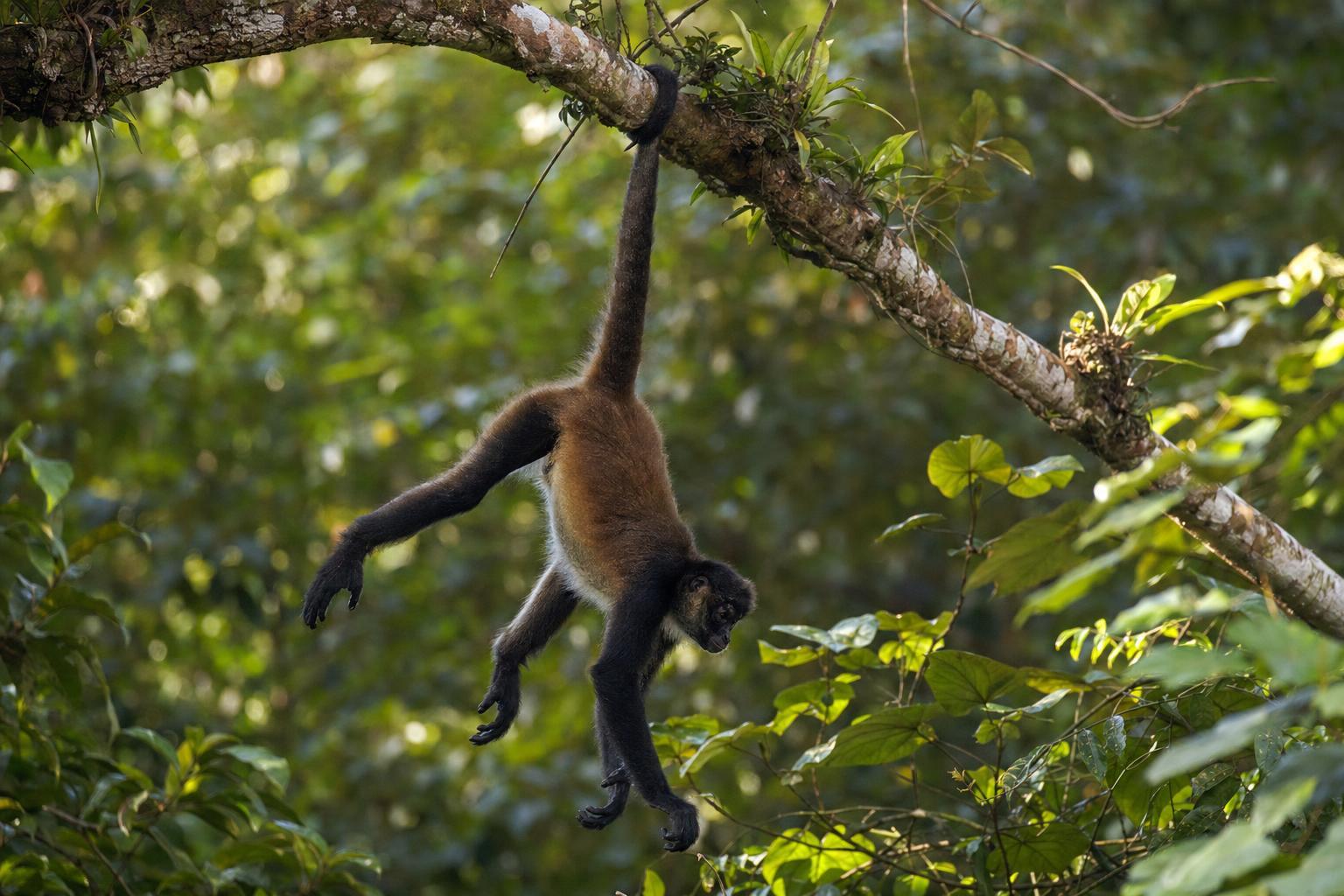
3. The Monkey That Travels Like an Acrobat

Alt Text: Black spider monkey swinging through the Amazon canopy.

The black spider monkey rarely touches the ground.

Using its incredibly strong prehensile tail as a fifth limb, it swings effortlessly between distant branches.

Its diet consists mainly of ripe fruit, making it one of the rainforest’s most important seed dispersers.

Every day, spider monkeys help plant future forests simply by moving through the canopy.


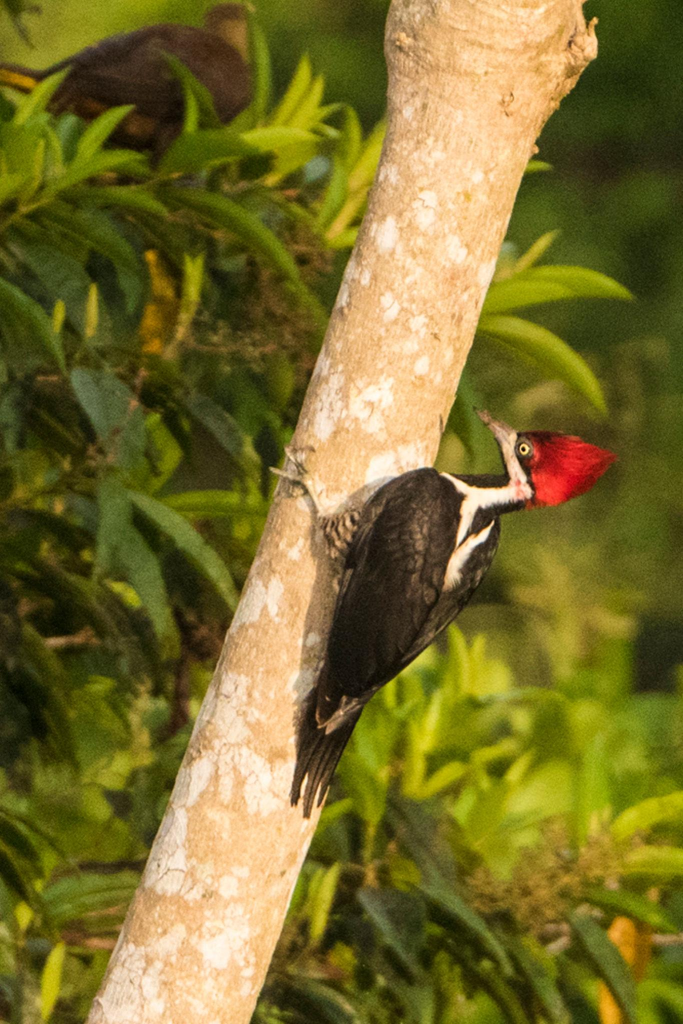
4. The Woodpecker That Listens Before It Drills

Alt Text: Ringed woodpecker searching tree bark for insects.

The ringed woodpecker doesn’t peck randomly.

It taps gently on tree trunks, listening for hollow sounds that reveal insects hidden beneath the bark.

Once it locates prey, it chisels precisely into the wood and uses its long sticky tongue to capture insects deep inside.

Its careful technique conserves energy while maximizing success.

5. The Bat That Pollinates Flowers at Night

Alt Text: Long-nosed bat feeding on nectar from a rainforest flower.

While bees work during daylight, many Amazon flowers depend on nectar-feeding bats after sunset.

Long-nosed bats hover briefly while drinking nectar.

As they move between flowers, pollen sticks to their fur and is transferred from bloom to bloom.

Without these nighttime pollinators, numerous rainforest plants would struggle to reproduce.


6. The Frog That Produces Natural Glue

Alt Text: Giant monkey frog resting on a rainforest branch.

The giant monkey frog has smooth green skin and spends most of its life high in the trees.

Its skin secretes sticky protective substances that help defend against harmful microbes and predators.

Scientists continue studying compounds from amphibian skin because they may provide valuable insights into future medicines.


7. Waterfalls Create Miniature Ecosystems

Alt Text: Remote Amazon waterfall surrounded by lush rainforest.

Amazon waterfalls are more than beautiful landscapes.

The cool mist supports mosses, orchids, insects, frogs, and tiny fish adapted specifically to fast-flowing water.

These isolated habitats often contain species found nowhere else.

Every waterfall becomes its own miniature ecosystem, adding another layer of biodiversity to the rainforest.


The Amazon Never Stops Teaching Us

Researchers continue discovering new behaviors and species throughout the Amazon.

Advanced tools like environmental DNA sampling, drones, and camera traps are helping scientists study animals that were once nearly impossible to observe.

Even today, the rainforest remains one of Earth’s greatest frontiers of scientific discovery.


Protecting a Living Treasure

Each Amazon species contributes to the health of the forest.

Birds spread seeds.

Bats pollinate flowers.

Monkeys regenerate forests.

Armadillos create homes for other wildlife.

Protecting these interconnected relationships helps preserve one of the most important ecosystems on the planet.


Final Thoughts

The Amazon Rainforest is filled with extraordinary animals whose stories often remain untold.

From dancing birds and acrobatic monkeys to hardworking armadillos and nighttime pollinators, every species plays a remarkable role in maintaining the balance of this incredible natural world.

The more we learn about these hidden creatures, the more we appreciate the importance of protecting their rainforest home.


WordPress Image SEO

ImageFile NameAlt Text
1guianan-cock-of-the-rock.jpgMale Guianan cock-of-the-rock displaying bright orange feathers
2giant-armadillo-burrow.jpgGiant armadillo emerging from its rainforest burrow
3black-spider-monkey.jpgBlack spider monkey swinging through the Amazon canopy
4ringed-woodpecker.jpgRinged woodpecker searching tree bark for insects
5amazon-long-nosed-bat.jpgLong-nosed bat pollinating rainforest flowers at night
6giant-monkey-frog.jpgGiant monkey frog resting on a rainforest branch
7amazon-waterfall.jpgHidden waterfall surrounded by dense Amazon rainforest vegetation
Posted on Leave a comment

🌿 7 Amazing Amazon Animal Stories That Sound Like Science Fiction—But Are Real

Image
Image
Image
Image
Image
Image
Image
Image

🌿 7 Amazing Amazon Animal Stories That Sound Like Science Fiction—But Are Real

Category: Wildlife | Nature | Animal Stories

Tags: Amazon animals, Amazon rainforest, wildlife facts, strange animals, jungle wildlife, South America, biodiversity, rainforest ecosystem, rare animals, nature lovers, exotic wildlife

Meta Description:
Discover seven brand-new stories about extraordinary Amazon animals, including tool-using monkeys, tree-climbing porcupines, giant butterflies, and other fascinating rainforest creatures.


7 Amazing Amazon Animal Stories That Sound Like Science Fiction—But Are Real

The Amazon Rainforest is often described as the most extraordinary ecosystem on Earth. While famous animals such as jaguars and anacondas attract most of the attention, thousands of lesser-known species have evolved remarkable survival strategies that are just as fascinating.

Some use tools to solve problems. Others spend nearly their entire lives in the treetops. A few have formed surprising relationships with other species.

Here are seven completely new Amazon wildlife stories that reveal why this rainforest remains one of nature’s greatest wonders.


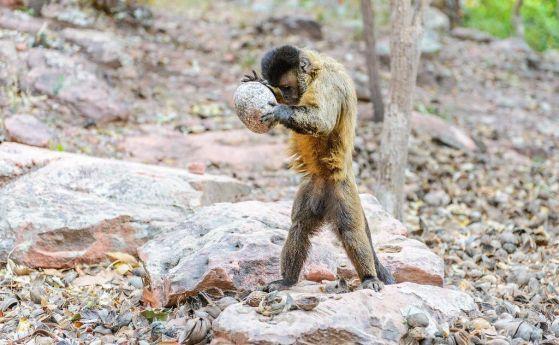
1. The Monkey That Uses Stone Tools

Alt Text: Capuchin monkey using a stone to crack open a hard nut.

Capuchin monkeys are among the most intelligent animals in the Amazon.

Researchers have observed wild capuchins selecting smooth stones to crack open hard nuts and seeds that would otherwise be impossible to eat.

Young monkeys spend years watching older family members before mastering this skill themselves. This learned behavior is passed from one generation to the next, making it a form of animal culture.

Their clever problem-solving abilities have made capuchins one of the most studied primates in South America.


2. The Loud Bird That Sounds Like a Trumpet

Alt Text: Horned screamer standing in an Amazon wetland.

The horned screamer is impossible to ignore.

Its powerful, trumpet-like calls can carry for several kilometers across wetlands and flooded forests.

Despite its large size, the bird mainly feeds on aquatic plants rather than fish or other animals.

The small horn-like projection on its head gives the species its unusual name, making it one of the Amazon’s most distinctive birds.


3. The Tiny Fish Surrounded by Giant Myths

Alt Text: Small candiru fish swimming in clear Amazon water.

Few Amazon fish have inspired as many legends as the candiru.

Although stories about this tiny catfish have often been exaggerated, it is a real species that lives in Amazon rivers.

Candiru are specialized parasites that feed primarily by attaching to the gills of larger fish for short periods.

Scientists emphasize that many popular tales about the fish are folklore rather than typical behavior, highlighting how myths can grow around unusual wildlife.


4. The Porcupine That Lives in the Trees

Alt Text: Tree porcupine climbing through rainforest branches.

Unlike ground-dwelling porcupines, the Amazon tree porcupine spends most of its life high above the forest floor.

Its curved claws and strong tail help it move carefully among branches while feeding on leaves, flowers, and fruit.

Its sharp quills provide excellent protection from predators, allowing it to live a surprisingly peaceful life in the canopy.


5. The Butterfly That Flashes Like Blue Metal

Alt Text: Blue morpho butterfly flying through a sunny rainforest clearing.

The Blue Morpho butterfly is famous for its brilliant metallic-blue wings.

Interestingly, the color is not created by blue pigment.

Instead, microscopic structures on the wings reflect light, producing an iridescent glow that changes with the viewing angle.

When the butterfly closes its wings, the bright blue disappears, revealing a dull brown underside that blends into the forest.


6. An Unexpected Friendship on the Riverbank

Alt Text: Butterfly resting on the head of a spectacled caiman.

In the Amazon, photographers occasionally capture butterflies landing on resting caimans.

The reptiles remain remarkably calm while the butterflies drink minerals from moisture on their skin.

Although these encounters are brief, they demonstrate how even vastly different species can interact peacefully in nature under the right conditions.


7. Hidden Lakes Full of Life

Alt Text: Peaceful oxbow lake surrounded by dense Amazon rainforest.

As Amazon rivers slowly change course, they leave behind crescent-shaped lakes known as oxbow lakes.

These isolated waters become safe nurseries for fish, turtles, birds, and aquatic plants.

Many young fish spend their early lives here before eventually entering larger rivers.

Without these quiet lakes, countless Amazon species would lose important breeding and feeding habitats.


The Amazon’s Endless Discoveries

Scientists continue to uncover new species and behaviors throughout the Amazon Rainforest. Advances in camera traps, acoustic monitoring, and DNA analysis reveal that even familiar animals often have surprising habits still unknown to science.

The Amazon remains one of the last places on Earth where major wildlife discoveries happen regularly.


Why Conservation Is Essential

Healthy forests, rivers, and wetlands are vital for the survival of Amazon wildlife. Protecting these habitats benefits not only famous species but also lesser-known animals that quietly keep the ecosystem functioning.

Every conserved forest helps preserve an irreplaceable natural heritage for future generations.


Conclusion

The Amazon is a world of surprises. Monkeys pass tool-making skills to their young, butterflies create dazzling colors without pigments, tree porcupines spend their lives in the canopy, and isolated lakes become nurseries for countless animals.

These stories remind us that the rainforest is far more than a collection of famous creatures—it is a living laboratory filled with extraordinary adaptations, hidden relationships, and discoveries waiting around every corner.


WordPress Image SEO

ImageFile NameAlt Text
1amazon-capuchin-tool-use.jpgCapuchin monkey using a stone to crack open a hard nut
2amazon-horned-screamer.jpgHorned screamer standing in a flooded Amazon wetland
3amazon-candiru-fish.jpgSmall candiru fish swimming underwater in the Amazon River
4amazon-tree-porcupine.jpgTree porcupine climbing high in the Amazon rainforest canopy
5amazon-blue-morpho.jpgBlue morpho butterfly displaying brilliant iridescent wings
6spectacled-caiman-butterfly.jpgButterfly resting on the head of a spectacled caiman
7amazon-oxbow-lake.jpgTranquil oxbow lake surrounded by lush Amazon rainforest