Posted on Leave a comment

馃尶 7 Little-Known Amazon Animal Stories That Are Stranger Than Fiction

https://images.openai.com/static-rsc-4/ikrPwb04n2101zNaDA9vQ5_auCwxqD2hPY5OYt9dyMHqheZ9M8Vat8YOhTYFFkoEMsWhqr4vCvBU7cxHfy_0OO5M1tZG5w7DfyBW05_5rfUZ4BoPTYh69Kn9EDvbdWd-pYK4iR2lK6BSkzLnnQPvyxeaxZTn2BfO-QjReUQ7LQpmvEaUKtrgv7QUdglSkd0H?purpose=fullsize
https://images.openai.com/static-rsc-4/pUTOZbMxJqGOOjwzzmIDECR1U2sNQUlQv387GiL7ufK47AnMicwrKSTbkITV8SvkVvCpiXrJsSoUh74YzEMRMzG5bG1WmXnrESK044hNdUOtzO_LZ90jtj3ejTokCqZLHtWhagylxvfbolCZHDKBIJvaY16jh7zXyN22sjRCRo0kGSsLQSrD01lclTvSfVjT?purpose=fullsize
https://images.openai.com/static-rsc-4/H3nlBozAcX8q2MnB_kqIranAeXfoalIa9OOh1aF_RU9moU2Zf42hTnwi0U9OjPbj1I6pioWNNUvU4DB0Tbrs-vEiDc5cMmgC5Yf5S8Brd2AefjRWvEPdx7sZPoJW4MOWa4Y_SG6ix_5sdItOqyzWBJHw1ye75hSGAna2gG3UMw3p8SzHKFE7tkMoZJeu11k0?purpose=fullsize

7

馃尶 7 Little-Known Amazon Animal Stories That Are Stranger Than Fiction

Category: Wildlife | Nature | Animal Stories

Tags: Amazon rainforest, Amazon wildlife, strange animals, rainforest biodiversity, wildlife facts, jungle creatures, South America, rare animals, exotic wildlife, animal adaptations, nature lovers

Meta Description:
Discover seven fresh and fascinating stories about hidden Amazon wildlife, including the red-faced uakari monkey, lily-walking birds, colorful lanternflies, and mysterious rainforest creatures.


7 Little-Known Amazon Animal Stories That Are Stranger Than Fiction

The Amazon Rainforest is the largest tropical forest on Earth, home to an astonishing variety of wildlife. While famous animals like jaguars and macaws often capture attention, many lesser-known species live extraordinary lives hidden deep within the jungle.

Some have unusual appearances that puzzle scientists, while others possess survival skills found nowhere else in nature.

Here are seven completely new Amazon animal stories perfect for wildlife enthusiasts.


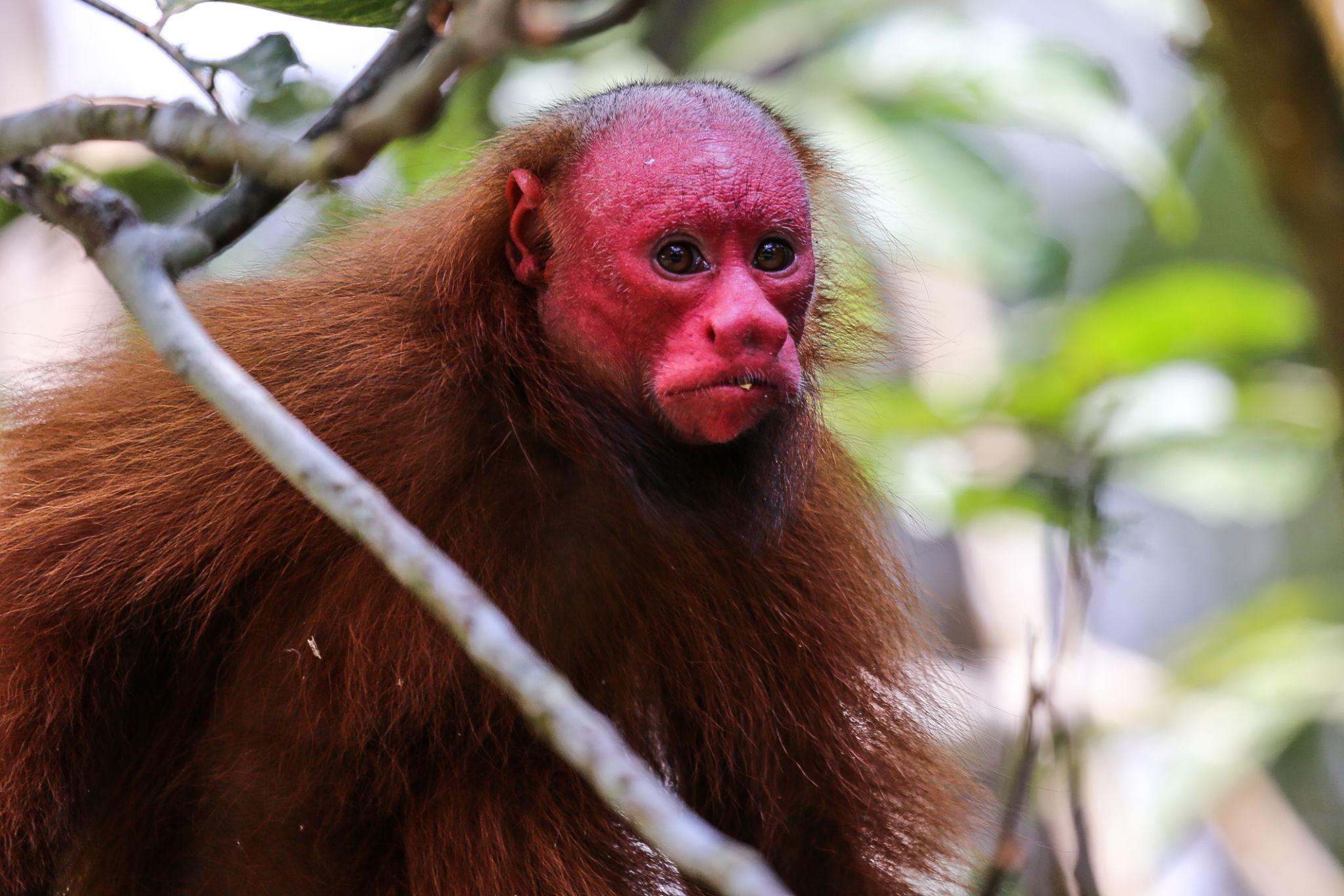
1. The Monkey With the Bright Red Face

Alt Text: Red-faced bald uakari monkey sitting on a rainforest branch.

The bald uakari is instantly recognizable because of its vivid crimson face.

Unlike many monkeys with furry faces, the uakari’s bare skin helps other monkeys judge its health. A bright red face usually signals a healthy individual, while a pale face may indicate illness.

Living mainly in seasonally flooded forests, these monkeys travel through the treetops searching for seeds, fruit, and nuts that many other animals cannot crack open.

Their powerful jaws allow them to feed on foods that would be inaccessible to most primates.


2. The Baby Bird That Pretends to Be a Broken Branch

Alt Text: Young potoo chick perfectly camouflaged on a tree stump.

Even as chicks, potoos rely on camouflage.

Instead of begging loudly for food, young potoos stretch upward and remain almost completely motionless, resembling broken tree branches.

This remarkable disguise helps them avoid hawks, snakes, and climbing mammals while their parents quietly hunt insects during the night.


3. The Bird That Walks Across Floating Plants

Alt Text: Jacana bird walking effortlessly across floating lily pads.

The Amazon jacana seems to walk on water.

Its secret lies in its extraordinarily long toes, which spread its weight across floating vegetation.

This adaptation allows the bird to walk over lily pads without sinking while searching for insects, seeds, and aquatic invertebrates.

During the breeding season, male jacanas take on the unusual responsibility of incubating eggs and raising the chicks.


4. The Quiet Crocodilian of Blackwater Streams

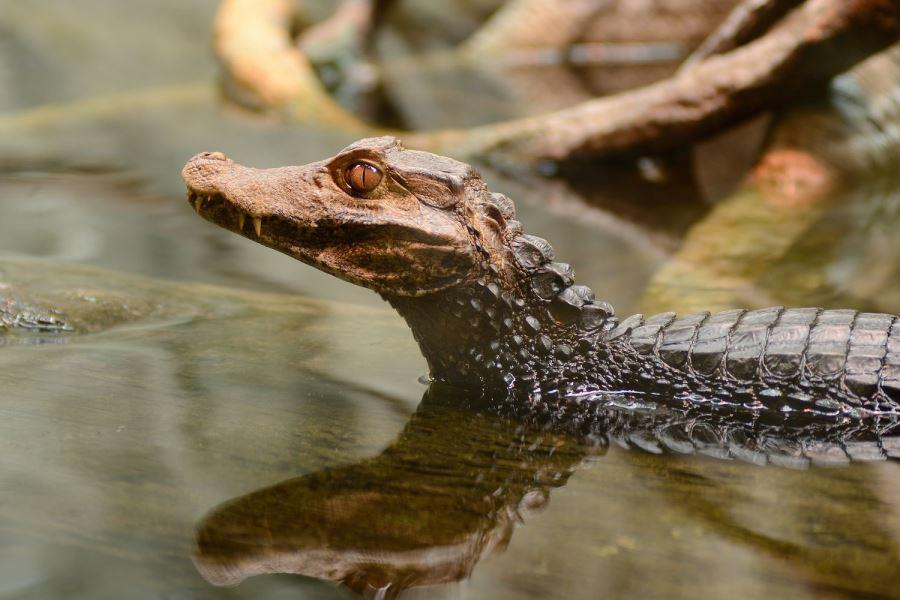
Alt Text: Dwarf caiman resting in a shaded Amazon creek.

The Cuvier’s dwarf caiman is one of the smallest crocodilian species in the Amazon.

Unlike its much larger relatives, it prefers narrow forest streams and blackwater creeks hidden beneath dense vegetation.

Its armored body provides excellent protection, allowing it to feed on fish, crustaceans, and amphibians in secluded waterways.

Because of its secretive lifestyle, many people never realize these fascinating reptiles are nearby.


5. The Monkey With a Magnificent Mustache

Alt Text: Emperor tamarin displaying its long white mustache.

The emperor tamarin is famous for its spectacular white mustache.

Despite its regal appearance, this tiny monkey is energetic and playful.

It travels in family groups, communicating with whistles and chirps while searching for fruit, insects, tree sap, and nectar.

Group members cooperate by sharing food and helping care for young monkeys.


6. The Insect That Looks Like It Belongs on Another Planet

Alt Text: Colorful lanternfly resting on tree bark in the Amazon rainforest.

Amazon lanternflies are among the rainforest’s most unusual insects.

Many species display vivid colors, intricate wing patterns, and elongated heads that make them resemble miniature fantasy creatures.

Although once believed to glow at night, scientists have found that lanternflies do not produce light. Their striking appearance likely helps confuse predators or mimic toxic insects.


7. A Forest That Disappears Underwater Every Year

Alt Text: Flooded igap贸 forest with trees standing in calm Amazon water.

During the rainy season, large areas of the Amazon become igap贸 forests鈥攂lackwater forests flooded for months at a time.

Fish weave between submerged trunks.

River turtles feed on fallen fruit.

Birds perch above water where dry forest once stood.

Many Amazon animals have evolved specifically for this seasonal transformation, making the flooded forest one of the planet’s most extraordinary ecosystems.


Why Scientists Keep Returning to the Amazon

Every scientific expedition uncovers new information about Amazon wildlife. From unusual behaviors to entirely new species, the rainforest continues to surprise researchers.

Modern technologies such as camera traps, satellite mapping, and environmental DNA sampling are revealing hidden animals that were once almost impossible to study.

Conserving a Global Treasure

The Amazon is more than a rainforest鈥攊t is one of Earth’s greatest reservoirs of biodiversity. Protecting its forests, rivers, and wetlands helps preserve thousands of species found nowhere else on the planet.

Healthy ecosystems also support local communities, regulate regional climates, and contribute to the global environment.


Final Thoughts

From red-faced monkeys and mustached tamarins to birds that walk across floating plants, the Amazon is filled with wildlife unlike anywhere else on Earth.

These incredible animals remind us that even after centuries of exploration, the rainforest still holds countless mysteries waiting to be discovered.


WordPress Image SEO

ImageFile NameAlt Text
1bald-uakari-red-face.jpgRed-faced bald uakari monkey perched in the Amazon rainforest
2potoo-chick-camouflage.jpgYoung potoo chick blending into a tree branch
3amazon-jacana-lily-pads.jpgJacana bird walking across floating lily pads
4dwarf-caiman-blackwater.jpgCuvier’s dwarf caiman resting in a blackwater Amazon creek
5emperor-tamarin-mustache.jpgEmperor tamarin showing its long white mustache
6amazon-lanternfly.jpgColorful Amazon lanternfly resting on rainforest tree bark
7igapo-flooded-forest.jpgSeasonal flooded igap贸 forest in the Amazon rainforest
Posted on Leave a comment

馃尶 7 Extraordinary Amazon Animal Stories That Will Change the Way You See the Rainforest

https://images.openai.com/static-rsc-4/94vuaVSf1xMUeHxB4cYafmxiayzqyHY4O4ZBcyGEJqAqEv-hrsuEz75dxiiXr6tr4IkNlDMmUpDTwYpPN7BKvqoS4_NvROuuFp2EtDEQUwQRrnCL9cYuieAV9RAF0L4CK7HiUEVLZQGrXLrGQb8720JXf_vnjv5pcSMP-QXoT977w0Njl5PcxpIL_NL1WoY_?purpose=fullsize
https://images.openai.com/static-rsc-4/fMeUfmYOFUi14yfN4V9WK9P67BeK3xAZinWmaVlImGWiBIMtqzSxSoaqtOTTmqUgvPw71d5URMIhWap9bl_qgNr_LjF3zO7y83W1QJigZAIDxF7nOgiuissyCvbu6N8OiW_PyupiZhyzxMq93szOv_JsBz3YxsugcnMbziQbqXW_iAH0HE0dtsf8PXzI6HHu?purpose=fullsize
https://images.openai.com/static-rsc-4/bvlV-pBDLsL_bOJ73zaZUv2g68Q9v0BL6ayxGOJ5onMBj4oJR_iLVbph6e13L_jWxPK8S5amQ70eUzxHsmjQN2NWu9lFsAGDH4rnjoQ5iEC9fNWe6sggPFRngbYoBwsXh52EpPozjGuvKM-WHBmFjCmA5MX41vqHhVDNXasgES72jyoahcdO1j-lc_V5Lgjk?purpose=fullsize

4

馃尶 7 Extraordinary Amazon Animal Stories That Will Change the Way You See the Rainforest

Category: Wildlife | Nature | Rainforest Adventures

Tags: Amazon rainforest, Amazon wildlife, animal behavior, rainforest animals, rare wildlife, exotic animals, wildlife facts, South America, biodiversity, jungle creatures, nature stories

Meta Description:
Explore seven fascinating Amazon animal stories, from bats that build leafy tents to frogs that carry their babies and wild cats that live almost entirely in trees.


7 Extraordinary Amazon Animal Stories That Will Change the Way You See the Rainforest

The Amazon Rainforest is a world of endless surprises. Beyond its famous jaguars and colorful parrots are countless animals with behaviors so remarkable that they often seem impossible. Some construct shelters without using their hands, others carry their young on their backs, and a few spend nearly their entire lives high above the forest floor.

These true stories reveal just how creative evolution can be in one of the world’s richest ecosystems.


1. The Anteater With a Nose Built for Survival

Alt Text: Giant anteater walking across an open area of the Amazon rainforest.

The giant anteater has one of the longest snouts in the animal kingdom.

It uses an incredibly long, sticky tongue鈥攕tretching up to 60 centimeters (24 inches)鈥攖o collect thousands of ants and termites every day.

Instead of destroying insect colonies, the anteater feeds briefly before moving on, allowing the colonies to recover. This feeding strategy helps maintain balance within the rainforest ecosystem.


2. The Bat That Builds a Tent

Alt Text: Tent-making bats resting beneath a folded tropical leaf.

Tent-making bats are tiny rainforest architects.

Rather than living in caves, they carefully chew along the veins of large leaves, causing the leaves to fold naturally into tent-like shelters.

These leafy tents protect the bats from rain, strong sunlight, and many predators.

Colonies often move to new leaves once the old shelters begin to dry out.


3. The Wild Cat That Prefers the Trees

Alt Text: Margay resting on a tree branch in the Amazon at night.

The margay is one of the Amazon’s most agile wild cats.

Unlike most cats, it spends much of its life in the trees.

Its flexible ankles allow it to rotate its hind feet nearly 180 degrees, enabling it to climb down tree trunks headfirst鈥攋ust like a squirrel.

This remarkable ability helps the margay hunt birds, squirrels, and tree-dwelling mammals.


4. The Frog That Carries Its Babies

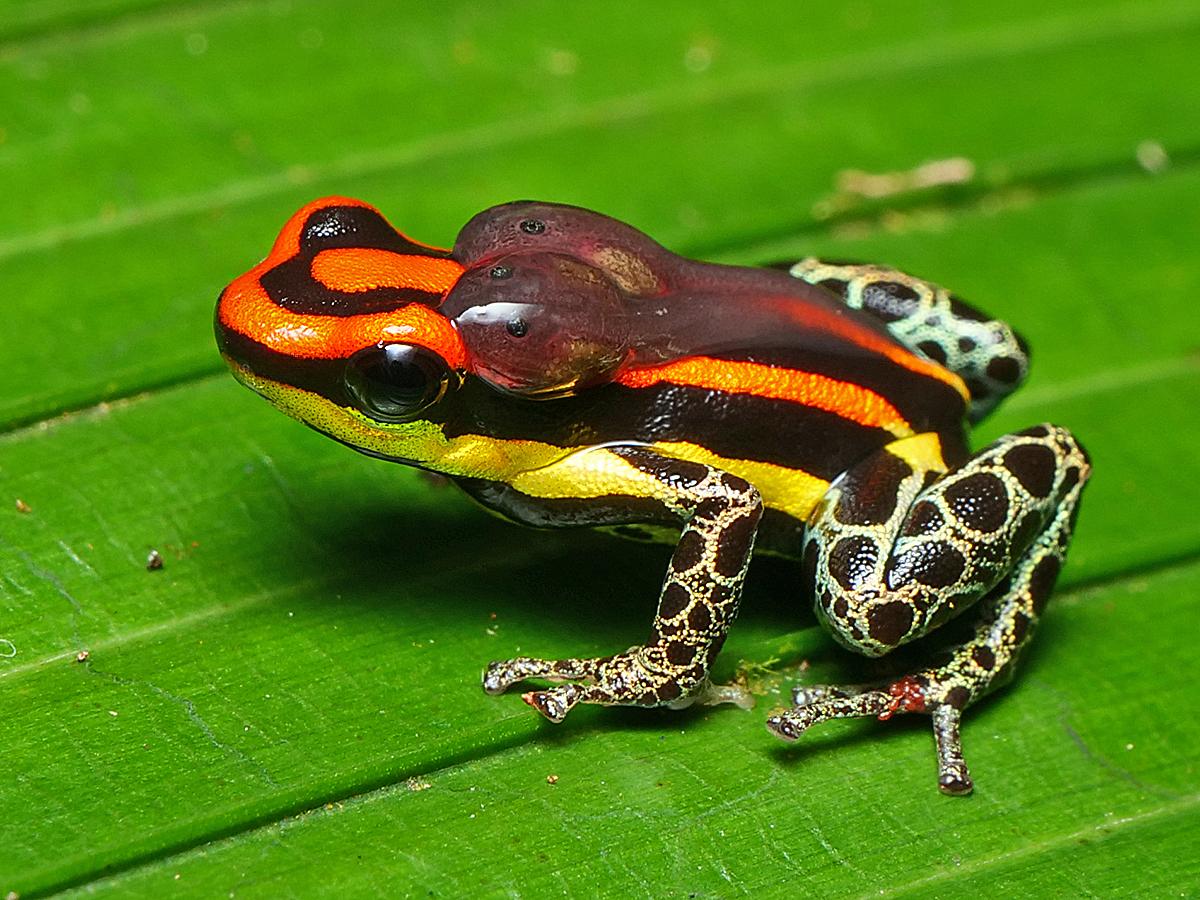
Alt Text: Poison frog carrying tadpoles on its back through the rainforest.

Some Amazon poison frogs are devoted parents.

After the eggs hatch, one parent carefully carries each tiny tadpole on its back to small pools of water trapped inside bromeliad plants.

By separating the tadpoles into different pools, the frogs reduce competition for food and improve each youngster’s chances of survival.

This level of parental care is rare among amphibians.


5. The Tiny Bird That Pollinates the Jungle

Alt Text: Hummingbird drinking nectar from a bright heliconia flower.

Amazon hummingbirds may be small, but they perform a huge ecological service.

As they hover in front of flowers, pollen sticks to their feathers.

When they visit the next flower, they transfer that pollen, helping plants reproduce.

Some rainforest flowers have evolved shapes that perfectly match the curved beaks of particular hummingbird species, creating one of nature’s most specialized partnerships.


6. The Underwater Hunter With a Powerful Grip

Alt Text: Giant water bug resting beneath the surface of an Amazon pond.

The giant water bug is among the Amazon’s most skilled aquatic predators.

Using powerful front legs, it captures insects, tadpoles, and even small fish.

Instead of chewing its prey, it injects digestive enzymes that liquefy the tissues before feeding.

Although it looks intimidating, the giant water bug plays an important role in maintaining balanced freshwater ecosystems.


7. Morning in the Amazon Begins With a Symphony

Alt Text: Mist rising over an Amazon river at sunrise.

As dawn breaks over the rainforest, thousands of animals awaken almost simultaneously.

Birds begin singing from the canopy.

Monkeys call to their families.

Frogs finish their nighttime chorus.

Butterflies emerge as sunlight reaches the forest floor.

This daily burst of activity, often called the “dawn chorus,” signals the beginning of another busy day in one of the world’s most vibrant ecosystems.


Why the Amazon Is Unlike Anywhere Else

The Amazon contains approximately 10% of all known species on Earth. Its rivers, forests, wetlands, and floodplains create countless habitats where animals have evolved extraordinary adaptations over millions of years.

Scientists continue to discover new insects, fish, frogs, reptiles, and plants every year, proving that much of the rainforest remains unexplored.


Protecting an Irreplaceable Ecosystem

Every animal in the Amazon plays a role in maintaining the health of the rainforest.

Pollinators help plants reproduce.

Predators regulate prey populations.

Seed-dispersing mammals allow forests to regenerate.

Protecting these habitats ensures that these remarkable natural relationships continue for generations to come.


Final Thoughts

The Amazon Rainforest is far more than a collection of exotic animals. It is a living network of species that have evolved astonishing ways to survive and thrive.

From bats that create leafy shelters to frogs that transport their babies and cats that descend trees headfirst, every creature contributes a unique chapter to the rainforest’s extraordinary story.


WordPress Image SEO

ImageFile NameAlt Text
1amazon-giant-anteater.jpgGiant anteater walking through the Amazon rainforest searching for ants
2amazon-tent-making-bat.jpgTent-making bats resting beneath a folded tropical leaf
3amazon-margay-cat.jpgMargay climbing a tree branch during the night in the Amazon
4amazon-poison-frog-tadpoles.jpgPoison frog carrying tadpoles on its back through the rainforest
5amazon-hummingbird-heliconia.jpgHummingbird feeding on nectar from a bright heliconia flower
6amazon-giant-water-bug.jpgGiant water bug hunting beneath the surface of an Amazon pond
7amazon-river-dawn.jpgMorning mist rising above a peaceful Amazon rainforest river

Posted on Leave a comment

馃寧 7 Astonishing Amazon Animal Stories You鈥檝e Probably Never Read Before

https://images.openai.com/static-rsc-4/vTAvuOmgpRpXd9OY3Gr9iQWRBFUPVH6_GZxg9-YZjgh85tv5f-wbV9u5mrd8dpcEA9p1U2L8D8tXpYwV-AYEQFCZ6O8waP0cWvnjg9NEd5NfxEDg6lVZ66fqNX4PDF5AXewt3QiaEByS3CN2fkwe83JERzSAHVCRUSfUSfPFpPUjIyc8mMFrcuRMis4Om2Yu?purpose=fullsize
https://images.openai.com/static-rsc-4/bWQF0LZfb3fQ4dnPIA7UE86UG6R9F4dJ5yGLmdfT-FISbOAthsmxtteNpteTAYW90rUbcADxk4vImBO_gHBMpF4_58FPFXI3CeOZscQQ0gNdkiXEh7bT89jgugioh3tFy5RnP88EBxoKN94Q3qTqofTMUvpk6n8uJLzGBtFr8Dc5Y8t6anShc7dEluenUYka?purpose=fullsize
https://images.openai.com/static-rsc-4/8b-_bo0T2nRpm8jIOxnFi98F3UlGoL-84dRbPtvyXWmA1u8wT6hXI8aGat0kLUCnrCBNZuuo1_K5qoOxSLBzGIQf8SVrfJaGzbGMqYb-SQsqKygfVmT_APnxE4oShH3xtdA2qeSvlRamxmk1HYE-sGZeF1Bstgxc2IvduyB9WCK74qpwtdl2ehtAkVbqHG9N?purpose=fullsize

5

馃寧 7 Astonishing Amazon Animal Stories You鈥檝e Probably Never Read Before

Category: Wildlife | Nature | Rainforest Animals

Tags: Amazon rainforest, Amazon wildlife, rare animals, jungle stories, wildlife facts, rainforest biodiversity, South America, nocturnal animals, exotic wildlife, conservation, animal behavior

Meta Description:
Explore seven unique and little-known stories from the Amazon Rainforest, featuring cave-dwelling birds, giant armadillos, kinkajous, giant river turtles, and other extraordinary creatures.


7 Astonishing Amazon Animal Stories You鈥檝e Probably Never Read Before

The Amazon Rainforest is often associated with jaguars, piranhas, and colorful parrots, but many of its most fascinating residents remain hidden from public view. Deep inside the jungle live animals with extraordinary lifestyles, unusual adaptations, and behaviors that continue to amaze scientists.

From birds that navigate in complete darkness to mammals that spend their nights searching for fruit in the treetops, these lesser-known species reveal just how remarkable the Amazon truly is.

Here are seven brand-new stories about amazing Amazon animals.


1. The Bird That Uses Sound Like a Bat

Alt Text: Oilbird flying inside a dark cave in the Amazon.

Most birds rely on sharp eyesight.

The oilbird is different.

Living inside dark caves, it uses clicks to navigate by echolocation鈥攕imilar to bats and dolphins.

At night, oilbirds leave their caves to feed on oily fruits growing throughout the rainforest.

This unusual ability makes the oilbird one of the very few bird species known to navigate using sound echoes.


2. The Giant Armadillo That Builds Homes for Other Animals

Alt Text: Giant armadillo digging a burrow in the Amazon rainforest.

The giant armadillo is the largest armadillo species in the world.

With enormous claws, it digs deep burrows while searching for ants and termites.

After the armadillo moves on, many other animals鈥攊ncluding reptiles, mammals, and birds鈥攗se these abandoned burrows as shelter.

Scientists consider the giant armadillo an “ecosystem engineer” because its digging benefits dozens of other rainforest species.


3. The Lizard With a Helmet

Alt Text: Helmeted basilisk resting on a branch beside an Amazon stream.

The helmeted basilisk is easily recognized by the large crest on its head that resembles a helmet.

Besides its striking appearance, it is an excellent climber and swimmer.

When danger approaches, it can leap into rivers and remain underwater for several minutes before resurfacing at a safe distance.

This remarkable escape strategy helps it avoid predators in the dense rainforest.


4. The Honey-Loving Night Acrobat

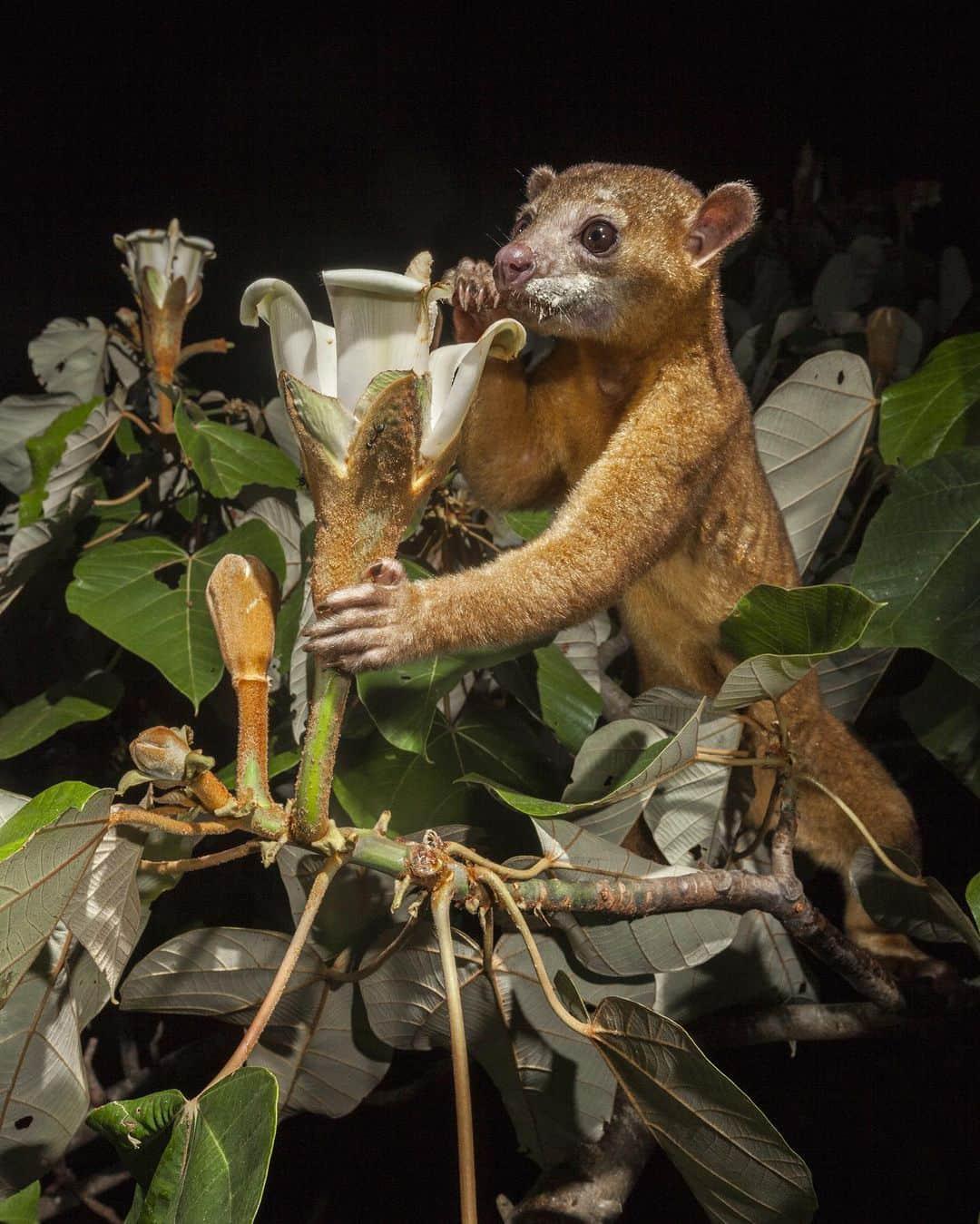
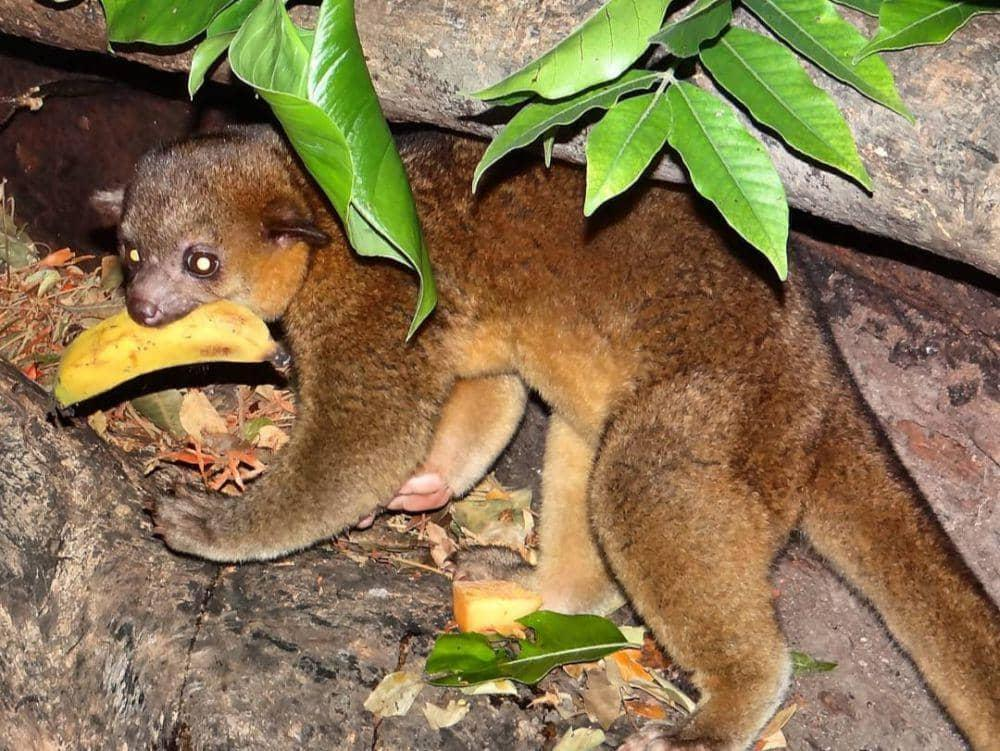
Alt Text: Kinkajou eating ripe fruit in the Amazon canopy at night.

Often mistaken for a monkey, the kinkajou is actually related to raccoons.

It spends nearly its entire life in the treetops.

Using a long prehensile tail for balance, it climbs effortlessly between branches while searching for fruit, nectar, and honey.

Because it is active almost entirely at night, many people never realize these gentle mammals live high above the forest floor.


5. The Creature That Looks Like a Tiny Monster

Alt Text: Tailless whip scorpion walking across a rainforest log.

Despite its frightening appearance, the tailless whip scorpion is harmless to humans.

It has long sensory legs that act like antennae, allowing it to explore its surroundings in darkness.

Instead of using venom, it catches insects with strong, spiny front limbs.

This unusual hunter plays an important role by helping control insect populations throughout the rainforest.


6. The Turtle That Travels Miles to Lay Eggs

Alt Text: Giant South American river turtle nesting on a sandy riverbank.

Every year, female giant river turtles leave the safety of the water to lay eggs on sandy riverbanks.

Many return to the same nesting beaches where they were born decades earlier.

After digging deep nests, they carefully cover the eggs before returning to the river.

Weeks later, hundreds of tiny hatchlings emerge together and race toward the water, increasing their chances of survival.


7. The Rainforest Comes Alive After Dark

Alt Text: Moonlight shining over the Amazon rainforest canopy.

When the sun disappears, the Amazon transforms.

Owls begin hunting.

Tree frogs call from hidden branches.

Kinkajous search for fruit.

Oilbirds leave their caves.

Countless insects fill the air with sound.

Scientists estimate that a large percentage of Amazon wildlife is primarily nocturnal, meaning much of the rainforest’s activity happens while humans are asleep.

The jungle never truly rests.


The Amazon Still Holds Countless Secrets

Researchers continue discovering new species across the Amazon every year. From tiny insects to colorful frogs and previously unknown fish, the rainforest remains one of the last great frontiers of biological exploration.

Many regions are so remote that scientists have explored only a small portion of their wildlife.


Why Protecting the Amazon Matters

The Amazon supports millions of plants and animals while helping regulate Earth’s climate and freshwater systems.

Conservation efforts protect not only iconic species but also lesser-known animals like oilbirds, giant armadillos, and giant river turtles鈥攃reatures that play vital roles in keeping rainforest ecosystems healthy.


Final Thoughts

The Amazon Rainforest is filled with extraordinary wildlife that often goes unnoticed. Birds that navigate by sound, mammals that build homes for other species, nighttime fruit hunters, and ancient turtles all demonstrate nature’s incredible diversity.

Every journey into the Amazon reveals another amazing story, reminding us that the world’s largest rainforest still has countless mysteries waiting to be discovered.

Posted on Leave a comment

馃 7 Incredible Amazon Animal Stories That Nature Lovers Rarely Hear About

https://images.openai.com/static-rsc-4/mvFYcsHdhPxfvkNnLvkU0mHZuqH5oEeGom8R8peZRjrSf5oo5_gj4Wc99OXsZobH0V2ntOunsxN8DgfD8OMuRewK_fF2P6fpdleW6wJZAi0WqX6DdmDxVvJO6NFqidSjrWrG-ga6wND9zoFmthsLvruUXH-E_ixvPazQCm6ImQE1h9W1FZ7ayLXgvZnPkgfC?purpose=fullsize
https://images.openai.com/static-rsc-4/2bdWxHfLU4Y3lR96q3bjsPTAH82Uk3-_WFoYhpM8PSCx3s6D7vl3vjmgzXqi4DoWS0ZBQTq5H3b34WMQUNwpIu5-QmIq8TS_P5_JacpfBl9O1qihWt72LINEjEgvt1ly0E36tGhl-Ii1b7lIZ4-HjzxjfkjlQt3bM2P-aEua5WYGu74FckN6v_qFT_NG3npC?purpose=fullsize
https://images.openai.com/static-rsc-4/edhvObPCFLA1XBpIuMZ9M_e59mSZ3qTb1dXFbuUQESN3KYujJyUmv_rs9ui87DF_l2FqFXGkRX2RPwgpmlfYrakU6fLuRJ_9xE6CYZ-mqaIKXa_iwKSSXyGpDJPNyhtQqvwJAXZ63FudDtLYnjhmDXTQsKsUPGMhpyC9i8MEpQTN-7pk2rjKxjK2w_lsuOrd?purpose=fullsize

6

馃 7 Incredible Amazon Animal Stories That Nature Lovers Rarely Hear About

Category: Wildlife | Nature | Amazon Rainforest

Tags: Amazon rainforest, Amazon wildlife, rare Amazon animals, strange animal stories, tropical rainforest, wildlife facts, South America, jungle animals, biodiversity, nature, conservation, exotic wildlife

Meta Description:
Discover seven fresh and fascinating stories about little-known Amazon animals, from giant butterflies and tree-climbing anteaters to vine snakes and fishing spiders that defy expectations.


7 Incredible Amazon Animal Stories That Nature Lovers Rarely Hear About

The Amazon Rainforest is famous for jaguars, anacondas, and colorful parrots, but these iconic animals represent only a tiny fraction of the incredible wildlife living beneath its towering canopy.

Hidden among vines, rivers, and flooded forests are animals with remarkable survival skills that rarely make headlines. Some imitate leaves, others walk on water, while a few have developed lifestyles unlike anything else in the natural world.

Here are seven completely different Amazon animal stories that reveal another side of the world’s largest tropical rainforest.


1. The Butterfly With Wings Larger Than Many Birds

Alt Text: Blue Amazon birdwing butterfly resting on a tropical rainforest flower.

The Amazon Birdwing is one of the largest butterflies on Earth.

Females can have wingspans exceeding 25 centimeters (10 inches), making them larger than some small birds.

Their brilliant blue and green colors flash through the rainforest canopy as they search for flowering plants.

Besides their beauty, these butterflies are important pollinators, helping countless rainforest plants reproduce.

Their presence is often considered a sign of a healthy forest ecosystem.


2. The Spider That Hunts on Water

Alt Text: Fishing spider standing on the surface of a calm Amazon stream.

Unlike most spiders, the Amazon fishing spider spends much of its life near water.

Sensitive hairs on its legs detect tiny ripples created by insects, tadpoles, or even small fish.

When prey approaches, the spider races across the water’s surface before grabbing it with lightning-fast precision.

Some species can even dive underwater for short periods to escape predators.


3. The Monkey That Rarely Comes Down

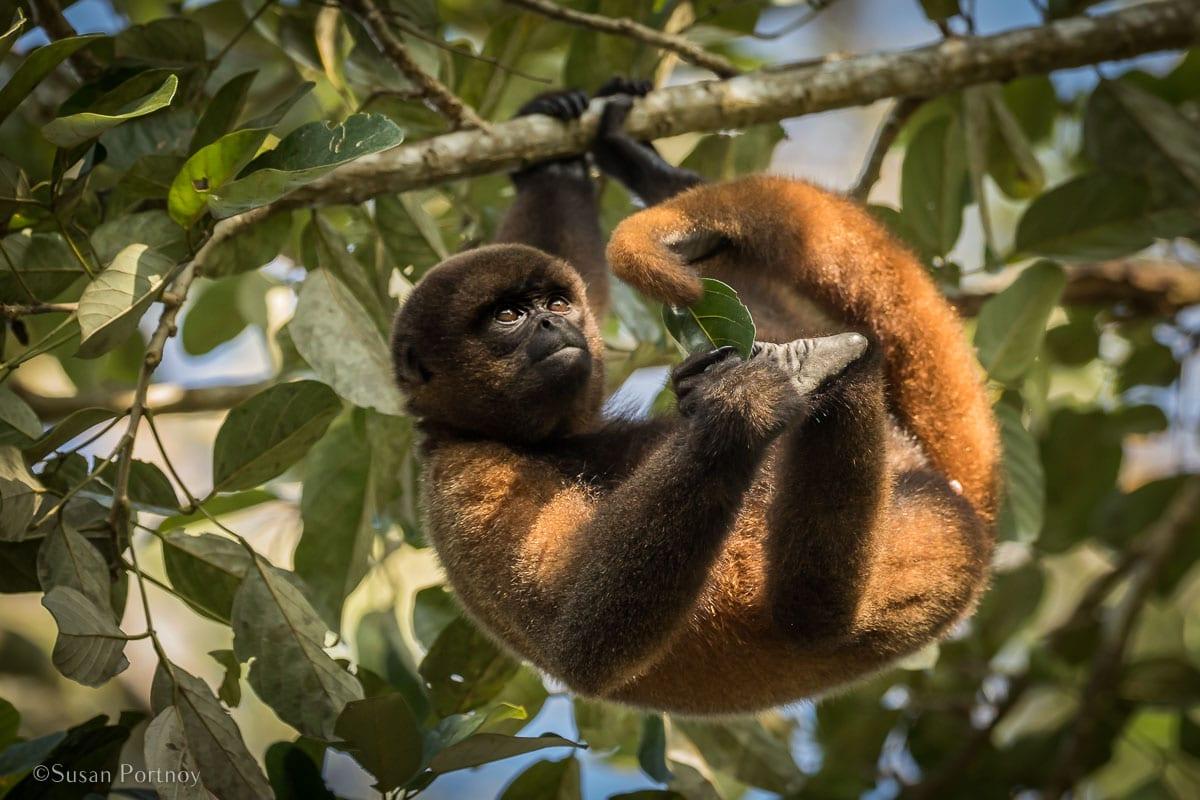
Alt Text: Brown woolly monkey moving through the upper Amazon rainforest canopy.

The woolly monkey spends nearly its entire life high in the treetops.

Its powerful tail acts like a fifth limb, wrapping securely around branches while it climbs, feeds, and rests.

Large family groups travel together searching for ripe fruit.

As they move through the forest, they unknowingly spread thousands of seeds, helping new trees grow across the rainforest.


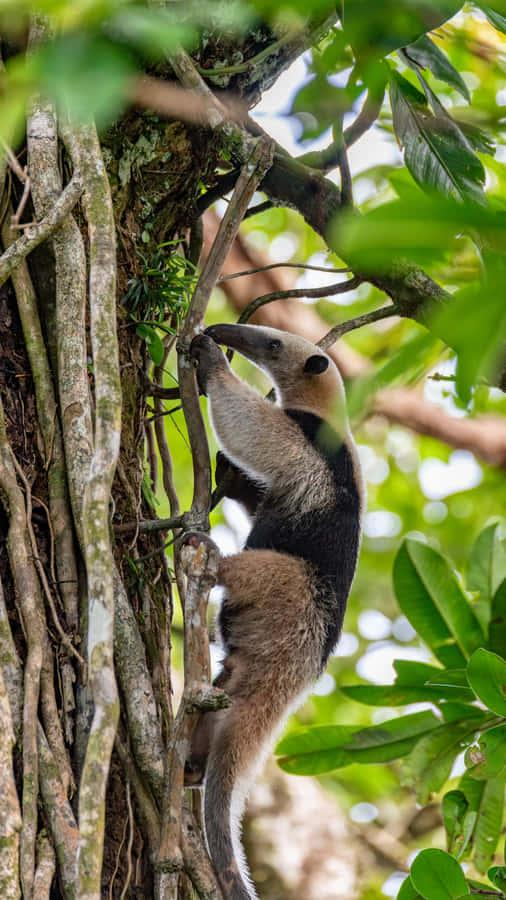
4. The Anteater That Loves Climbing

Alt Text: Southern tamandua climbing a moss-covered rainforest tree.

Unlike its giant relative that spends most of its time on the ground, the tamandua is an excellent climber.

Using strong claws and a prehensile tail, it moves effortlessly through trees searching for ants and termites.

Its sticky tongue can reach deep inside insect nests, capturing hundreds of insects within minutes.

When threatened, the tamandua stands upright and uses its powerful claws to defend itself.


5. The Snake That Looks Exactly Like a Vine

Alt Text: Green vine snake perfectly camouflaged among rainforest vines.

The green vine snake is one of nature’s greatest illusionists.

Its incredibly slender body blends perfectly with hanging vines.

Even its pointed head resembles a fresh leaf.

Instead of chasing prey, it waits patiently until a small lizard, bird, or frog comes within striking distance.

Its camouflage is so effective that many animals pass within centimeters without noticing it.


6. The Scarlet Bird That Paints the Sky Red

Alt Text: Scarlet ibis flying above an Amazon wetland at sunset.

The Scarlet Ibis is one of South America’s most colorful birds.

Its brilliant red feathers come from pigments found in the crustaceans it eats.

Large flocks gather in wetlands during sunrise and sunset, creating breathtaking displays against the tropical sky.

Besides their beauty, these birds help control populations of small aquatic animals while contributing to the health of wetland ecosystems.


7. The Forest That Becomes an Underwater World

Alt Text: Flooded Amazon rainforest with trees rising from calm water.

Every rainy season, parts of the Amazon transform dramatically.

Rivers overflow, flooding vast areas of forest.

Fish swim among tree trunks.

River dolphins weave through submerged branches.

Turtles search for fruit that falls directly into the water.

This seasonal flooding creates one of Earth’s most unique ecosystems, allowing aquatic and forest animals to interact in extraordinary ways.

Many Amazon species have evolved specifically to survive this annual transformation.


A Rainforest Full of Surprises

Scientists estimate that the Amazon is home to more than three million species, many of which remain poorly studied.

Every year, researchers discover new frogs, insects, spiders, fish, orchids, fungi, and even mammals in remote regions of the forest.

The Amazon continues to remind us that nature still holds countless mysteries waiting to be explored.


Protecting These Extraordinary Animals

Healthy rivers, wetlands, and forests are essential for the survival of Amazon wildlife.

Conservation projects, scientific research, and partnerships with Indigenous communities are helping protect habitats from deforestation and other environmental threats.

Every protected area helps preserve one of the richest collections of life on Earth.


Conclusion

The Amazon Rainforest is filled with remarkable creatures that rarely appear in documentaries or travel guides. From giant butterflies and tree-climbing anteaters to fishing spiders and perfectly camouflaged vine snakes, each species has evolved unique adaptations for life in one of the world’s most complex ecosystems.

These fascinating stories remind us that the greatest wonders of the Amazon are often hidden in plain sight鈥攚aiting for curious explorers to discover them.

Posted on Leave a comment

馃尶 7 Hidden Amazon Animal Stories That Seem Too Strange to Be Real

https://images.openai.com/static-rsc-4/1ne3fW-hEf9NI-qd7NZICQyeO5zWAHKNyHrwAooEOl-OdMZzcCg7QqG2f9EYCNycGHBSsvDkFqHyEutsKY1cldF0LVwqVUON54zFoWondoVIrc0rgiqOM7L6HN9VRAg_yhj_1xXUBmNWpu9bU6ke1eletgpDLboESW3b0d9biER8eZKoq-42m0ckq905_GOb?purpose=fullsize
https://images.openai.com/static-rsc-4/GMrD8TS7KvXHANavIHp9gnWCHnsaovn3T5dPGKXAhjvMIE1lQkazWS3o7FZmFhvJ5zVk0ASpbG1TISAZnRizA2_rMn2AqXMKok8c1NSU3cxlrNrtLEgWGnc49UJGKj_EkaMQg9MYTpzbxCmPuXOj8H7kd2ScB94rHcyNEGe182y4q7rxuTgrbcg_o49YHDhk?purpose=fullsize
https://images.openai.com/static-rsc-4/ZWHIDwMhWRjtnL-xanoY3CXKFGgYZGEJt2UYSPA7mga8GRecc9zlm4mTJ9Twr9or3o6vM-7EXSWIR5FGSTUX2qmbbuWoNm-pCOrplHr52Ho8nsmmBbd_PStwZmziyH_CPFRi7mKLXkKNez3TpTSHDGcAE9QMIHzpaNy7fQEcd6vxlmwkOPXVsuEq1fdtaUys?purpose=fullsize

4

馃尶 7 Hidden Amazon Animal Stories That Seem Too Strange to Be Real

Category: Wildlife | Nature | Amazon Rainforest

Tags: Amazon wildlife, Amazon rainforest, strange animals, jungle creatures, rare animals, rainforest biodiversity, wildlife facts, South America, exotic animals, nature stories, Amazon ecosystem

Meta Description:
Journey deep into the Amazon Rainforest and discover seven little-known animal stories, from the bizarre matamata turtle to the tiny pygmy marmoset and the remarkable army ants that reshape the forest floor.


7 Hidden Amazon Animal Stories That Seem Too Strange to Be Real

The Amazon Rainforest is often called the most biologically diverse place on Earth. While jaguars, macaws, and anacondas are famous worldwide, countless lesser-known animals quietly live extraordinary lives hidden beneath the rainforest canopy.

Some are masters of disguise. Others survive by working together in enormous colonies. A few have evolved appearances so unusual that they seem almost prehistoric.

Here are seven fresh and fascinating stories about Amazon animals that deserve far more attention.


1. The Turtle That Looks Like a Pile of Leaves

Alt Text: Matamata turtle camouflaged among leaves underwater in the Amazon.

If you saw a matamata turtle underwater, you might mistake it for a pile of dead leaves.

Its rough shell, flattened head, and ragged skin flaps help it blend perfectly with the riverbed. Instead of chasing prey, the turtle waits patiently until a fish swims close.

Then, in a split second, it opens its huge mouth and creates a powerful suction that pulls the fish inside.

This unique hunting technique allows the matamata to catch prey without swimming fast.


2. The Bird With an Extraordinary Hairdo

Alt Text: Male umbrella bird displaying its large feathered crest.

The Amazon Umbrellabird is famous for its dramatic appearance.

The male has a large feathered crest that hangs over its head like an umbrella. It also possesses a long inflatable throat pouch that produces deep booming calls during the breeding season.

These sounds travel long distances through the dense rainforest, helping females locate potential mates.

Although its appearance may seem unusual, the umbrellabird plays an important role by spreading the seeds of rainforest fruits.


3. The Army That Never Stops Marching

Alt Text: Massive column of Amazon army ants moving across the rainforest floor.

Army ants don’t build permanent nests.

Instead, millions of ants travel together in enormous moving colonies that constantly search for food.

As they march across the forest floor, insects, spiders, frogs, and even small reptiles flee their path.

Interestingly, many birds follow these swarms鈥攏ot to eat the ants, but to catch the insects escaping from them.

This creates one of the Amazon’s most fascinating examples of animals benefiting from each other’s behavior.


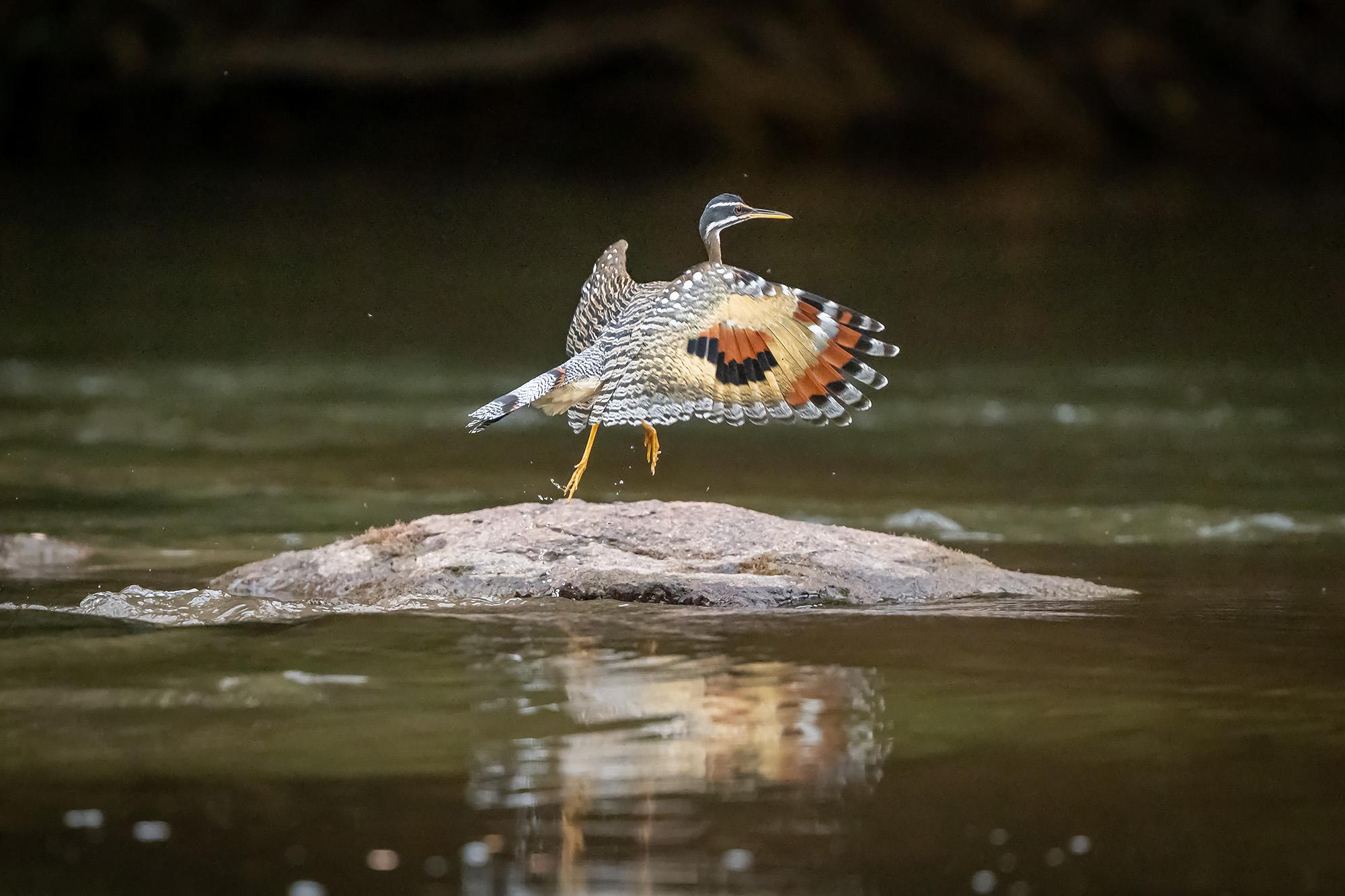
4. The Bird That Opens Wings Like a Butterfly

Alt Text: Sunbittern displaying colorful patterned wings beside an Amazon stream.

The sunbittern appears fairly ordinary until it feels threatened.

Suddenly, it spreads its wings to reveal spectacular patterns resembling enormous butterfly eyes.

This startling display often surprises predators long enough for the bird to escape.

Unlike many rainforest birds, the sunbittern spends much of its time walking quietly beside streams searching for insects, small fish, and frogs.


5. The World’s Smallest Monkey

Alt Text: Tiny pygmy marmoset clinging to a rainforest tree branch.

The pygmy marmoset is the smallest monkey on Earth.

Adults weigh little more than an apple and can comfortably sit in the palm of a human hand.

Despite their tiny size, these monkeys are incredibly agile.

They leap between branches, feed on tree sap, insects, and fruit, and communicate using high-pitched whistles that are often too faint for humans to hear.

Living in close family groups helps protect them from predators.


6. The Insect That Disappears Into Leaves

Alt Text: Leaf-mimicking katydid resting on rainforest vegetation.

Some Amazon katydids have evolved wings that look exactly like damaged leaves.

Their wings display:

  • Fake leaf veins
  • Brown spots resembling decay
  • Tiny holes that imitate insect damage

Even experienced researchers sometimes overlook them.

This extraordinary camouflage allows the insects to avoid hungry birds, reptiles, and mammals.


7. Every Fallen Tree Creates New Life

Alt Text: Fallen tree in the Amazon rainforest covered with moss, fungi, and insects.

When a giant rainforest tree falls, its story isn’t over.

Within days, fungi begin breaking down the wood.

Beetles tunnel inside.

Ant colonies move in.

Tiny frogs hide beneath damp bark.

Young plants sprout from the decaying trunk, using its nutrients to begin new life.

Ecologists call these fallen logs “nurse trees” because they support hundreds of species during decomposition.

In the Amazon, even death becomes the beginning of another thriving ecosystem.


The Endless Wonders of the Amazon

Scientists believe that thousands of Amazon species remain undiscovered. Every expedition into remote forests reveals new insects, fish, fungi, amphibians, or plants that have never before been documented.

Modern tools such as camera traps, drones, and environmental DNA sampling continue to uncover hidden wildlife, proving that the Amazon still holds countless secrets waiting to be explored.


Why Conservation Matters

The remarkable animals of the Amazon depend on healthy forests and clean rivers. Habitat loss, illegal logging, mining, and climate change threaten many of these unique species.

Protecting the rainforest safeguards not only its wildlife but also one of the planet’s most important ecosystems鈥攐ne that helps regulate climate, store carbon, and support millions of people.


Conclusion

The Amazon Rainforest is a place where nature constantly challenges our imagination. A turtle disguised as leaves, a monkey no larger than a squirrel, birds with dazzling displays, and insects that vanish into foliage all demonstrate the incredible creativity of evolution.

These hidden stories remind us that some of the most extraordinary wildlife on Earth is still waiting quietly beneath the emerald canopy of the Amazon.

Posted on Leave a comment

Amazon鈥檚 Hidden Legends: 7 Incredible Animal Stories That Prove the Rainforest Is Stranger Than Fiction

Amazon鈥檚 Hidden Legends: 7 Incredible Animal Stories That Prove the Rainforest Is Stranger Than Fiction

Image
Image
Image
Image

Category: Wildlife / Amazon Rainforest / Strange Animal Stories

Tags: Amazon rainforest, Amazon wildlife, strange animals, rainforest creatures, exotic wildlife, Amazon stories, nature facts, biodiversity, South America, wildlife adventure

Featured Image Alt Text:
A collection of unusual Amazon rainforest animals, including an electric eel, mata mata turtle, harpy eagle, potoo bird, bullet ant, vampire bat, and arapaima fish.

When most people think of the Amazon Rainforest, they imagine towering trees, winding rivers, and endless greenery. But beneath the dense canopy lies a world unlike any other on Earth鈥攁 place where fish can generate electricity, turtles disappear into the riverbed, birds become invisible against tree trunks, and insects deliver one of the most painful stings known to science.

Amazon鈥檚 Hidden Legends: 7 Incredible Animal Stories That Prove the Rainforest Is Stranger Than Fiction

Stretching across nine South American countries, the Amazon is the largest tropical rainforest in the world. It contains about 10% of all known species on Earth, and scientists continue to discover new animals every year. Every river, swamp, and forest floor hides creatures with extraordinary adaptations that help them survive in one of the planet鈥檚 most competitive environments.

Here are seven fascinating stories about some of the Amazon鈥檚 most remarkable animals.


1. The Electric Eel That Hunts With Lightning

At first glance, the electric eel looks like an ordinary fish. But hidden inside its long body are specialized organs capable of producing powerful electric discharges.

Large electric eels can generate shocks of more than 800 volts, making them one of the strongest electricity-producing animals on Earth.

They use weaker electrical pulses to navigate muddy water and locate prey, then unleash powerful shocks to stun fish or defend themselves from predators.

Researchers have even observed electric eels leaping from the water to deliver defensive shocks directly to potential threats.

Far from being aggressive hunters of humans, they generally avoid people unless disturbed.

Alt Text: Electric eel swimming through dark Amazon River water.


2. The Mata Mata Turtle That Looks Like a Floating Log

The mata mata turtle is one of the strangest reptiles in the world.

Instead of a smooth shell, it has rough edges, ridges, and a flattened body that resemble decaying leaves or pieces of bark. Its long neck is covered with loose skin flaps that help it blend perfectly into muddy river bottoms.

Rather than chasing prey, the mata mata waits patiently until a fish swims close. It then opens its enormous mouth so quickly that water rushes in, pulling the unsuspecting fish inside.

This feeding technique requires almost no pursuit at all.

Alt Text: Mata mata turtle resting on a muddy Amazon riverbed.


3. The Potoo Bird That Becomes a Tree Branch

Spotting a potoo during the day is almost impossible.

When resting, this unusual bird stretches upward, closes its eyes to narrow slits, and remains perfectly still.

Its gray and brown feathers match the bark of dead trees so well that predators often overlook it completely.

At night, however, the potoo transforms into an active hunter, catching flying insects with its enormous mouth.

Its haunting nighttime calls have inspired many Amazonian legends.

Alt Text: Potoo bird camouflaged against a tree trunk.


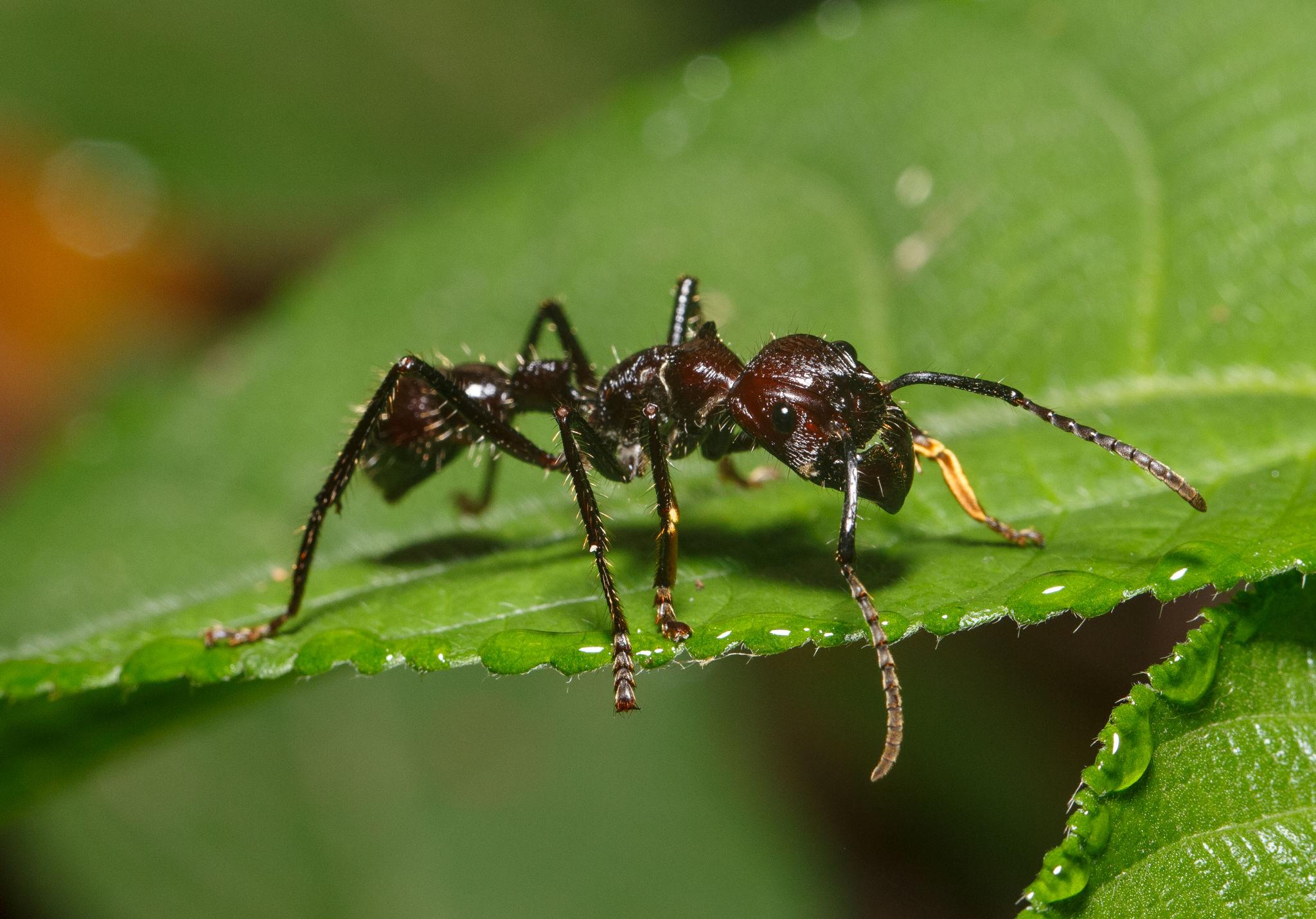
4. The Bullet Ant With One of Nature鈥檚 Most Painful Stings

Tiny but unforgettable, the bullet ant has earned worldwide attention for its extremely painful sting.

The sensation has been compared by researchers and naturalists to intense, long-lasting pain that can persist for many hours.

Despite its fearsome reputation, the bullet ant is not aggressive. It usually stings only when threatened or when its nest is disturbed.

Its powerful defense helps protect colonies hidden among tree roots and forest vegetation.

Alt Text: Bullet ant walking along the Amazon rainforest floor.


5. The Harpy Eagle鈥擪ing of the Rainforest Sky

One of the largest and most powerful eagles in the world lives high above the Amazon canopy.

The harpy eagle possesses enormous talons capable of grasping prey such as monkeys and sloths from treetops.

Unlike soaring eagles that hunt over open landscapes, harpy eagles weave skillfully through dense forest, using short bursts of flight to surprise prey.

Their striking feather crest and impressive size have made them symbols of strength throughout South America.

Alt Text: Harpy eagle perched on a rainforest branch.


6. Vampire Bats That Share Their Meals

Vampire bats are often misunderstood.

Although they feed on small amounts of blood from mammals or birds, they rarely pose a threat to healthy humans.

One of their most remarkable behaviors is social cooperation.

If a bat fails to find food during the night, another successful bat may regurgitate part of its meal to help its hungry companion survive.

Scientists consider this one of the most fascinating examples of food sharing among wild mammals.

Alt Text: Common vampire bat hanging beneath a tree branch.


7. Arapaima鈥擳he Giant Fish That Breathes Air

The arapaima is among the world’s largest freshwater fish.

Some individuals grow over 3 meters (10 feet) long and weigh hundreds of pounds.

Unlike most fish, arapaimas must regularly surface to breathe atmospheric air because they possess a modified swim bladder that functions much like a lung.

Their enormous scales also provide remarkable protection against predators.

For local communities, the arapaima has long been an important part of Amazonian life and culture.

Alt Text: Giant arapaima surfacing in the Amazon River.


Why the Amazon Produces Such Extraordinary Wildlife

Life in the Amazon is incredibly competitive.

Animals must survive predators, flooding, seasonal droughts, and fierce competition for food.

Over millions of years, evolution produced astonishing solutions.

Some animals became invisible.

Others evolved powerful defenses.

Some learned to generate electricity.

Others developed incredible camouflage or unique social behaviors.

Each adaptation represents countless generations of natural selection shaping life to fit one of Earth’s most diverse ecosystems.


Protecting the World’s Greatest Rainforest

The Amazon supports millions of species, stores vast amounts of carbon, and helps regulate global climate.

Yet the forest faces growing threats from deforestation, habitat fragmentation, illegal mining, wildfires, and climate change.

Protecting the Amazon means preserving not only its trees but also the extraordinary animals that depend on them.

Many scientists believe thousands of Amazonian species remain undiscovered.

Future explorers may reveal even stranger creatures hidden beneath the rainforest canopy.


A World Unlike Any Other

The Amazon is more than a forest.

It is a living museum of evolution.

An electric fish that hunts with lightning.

A turtle disguised as a fallen leaf.

A bird that vanishes against tree bark.

An ant with a legendary sting.

An eagle powerful enough to hunt monkeys.

Bats that share food with hungry friends.

A giant fish that breathes air.

These remarkable animals remind us that the greatest wildlife stories are often true.

The deeper scientists explore the Amazon, the clearer one fact becomes: nature still holds countless surprises, waiting patiently beneath the green canopy of the world’s largest rainforest.

Image Alt Text Summary

  1. Electric eel swimming in the Amazon River.
  2. Mata mata turtle camouflaged on the riverbed.
  3. Potoo bird blending into a tree trunk.
  4. Bullet ant walking across the rainforest floor.
  5. Harpy eagle perched high in the Amazon canopy.
  6. Vampire bat hanging beneath a forest branch.
  7. Giant arapaima surfacing to breathe in the Amazon River.