


7
Image Alt Text
Image 1: Futuristic AI system designing advanced semiconductor chip layouts digitally.
Image 2: Engineers analyzing chip architecture using AI-powered design software.
Image 3: Semiconductor wafer production line inside a high-tech fabrication factory.
Image 4: Electronic design automation (EDA) tools powered by AI on a computer screen.
Image 5: Close-up view of a glowing microchip with complex circuit patterns.
Image 6: Automated robotic systems working in a modern semiconductor factory.
Image 7: Concept illustration of next-generation AI-designed chip architecture.
AI That Designs Chips Is Changing Everything: How “AI-Driven Semiconductor Design” Is Rewriting the Future of Technology
The global technology industry is entering a new era where artificial intelligence is no longer just running applications—it is now designing the very hardware that powers those applications. One of the most transformative developments in modern computing is AI-driven semiconductor design, a breakthrough that is reshaping how microchips are created, optimized, and manufactured.
For decades, designing computer chips has been one of the most complex engineering tasks in the world. Engineers spend months or even years manually arranging billions of transistors on microscopic silicon wafers. But today, AI systems are beginning to take over much of this process, dramatically speeding up development while improving efficiency, performance, and energy consumption.
This shift could redefine the entire semiconductor industry, from consumer electronics to data centers, artificial intelligence systems, and future supercomputers.
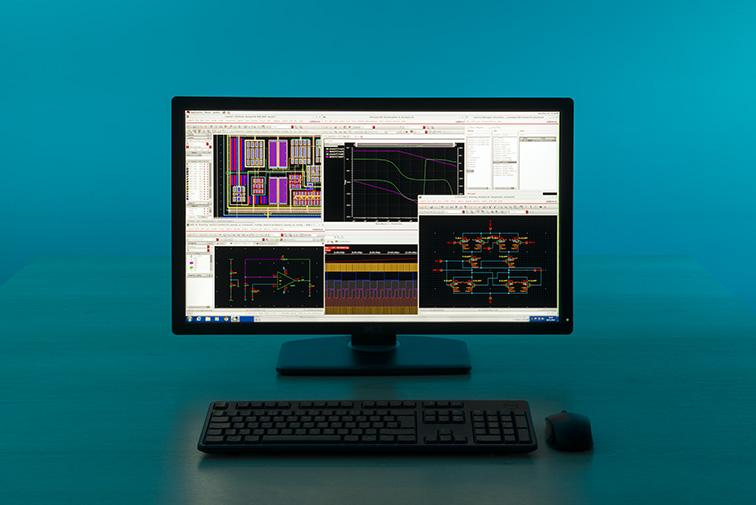
What Is AI-Driven Chip Design?
AI-driven chip design refers to the use of machine learning algorithms and advanced automation tools to design semiconductor architectures.
Instead of relying solely on human engineers, AI systems analyze performance goals and automatically generate optimized chip layouts.
These systems can:
- Arrange transistor layouts
- Optimize power consumption
- Improve processing speed
- Reduce heat generation
- Identify design flaws
- Shorten development time
This field is often integrated with Electronic Design Automation (EDA) tools, which are increasingly powered by AI algorithms.
Why Chip Design Is So Complex
Modern chips contain billions of transistors, each smaller than a virus.
Designing them requires balancing several critical factors:
- Performance
- Energy efficiency
- Heat management
- Physical space constraints
- Manufacturing limitations
- Cost efficiency
Even small design changes can have major impacts on performance and stability.
Traditionally, engineers manually test thousands of design variations. This process is slow, expensive, and increasingly difficult as chips become more advanced.
How AI Improves Semiconductor Design
AI accelerates chip design by using data-driven optimization techniques.
1. Pattern Recognition
AI analyzes previous chip designs to identify successful architectural patterns.
2. Design Optimization
Machine learning models automatically test millions of layout combinations.
3. Predictive Modeling
AI predicts how a chip will perform before it is physically manufactured.
4. Automation
Repetitive engineering tasks are handled by intelligent systems instead of manual effort.
This allows engineers to focus on innovation rather than routine optimization.
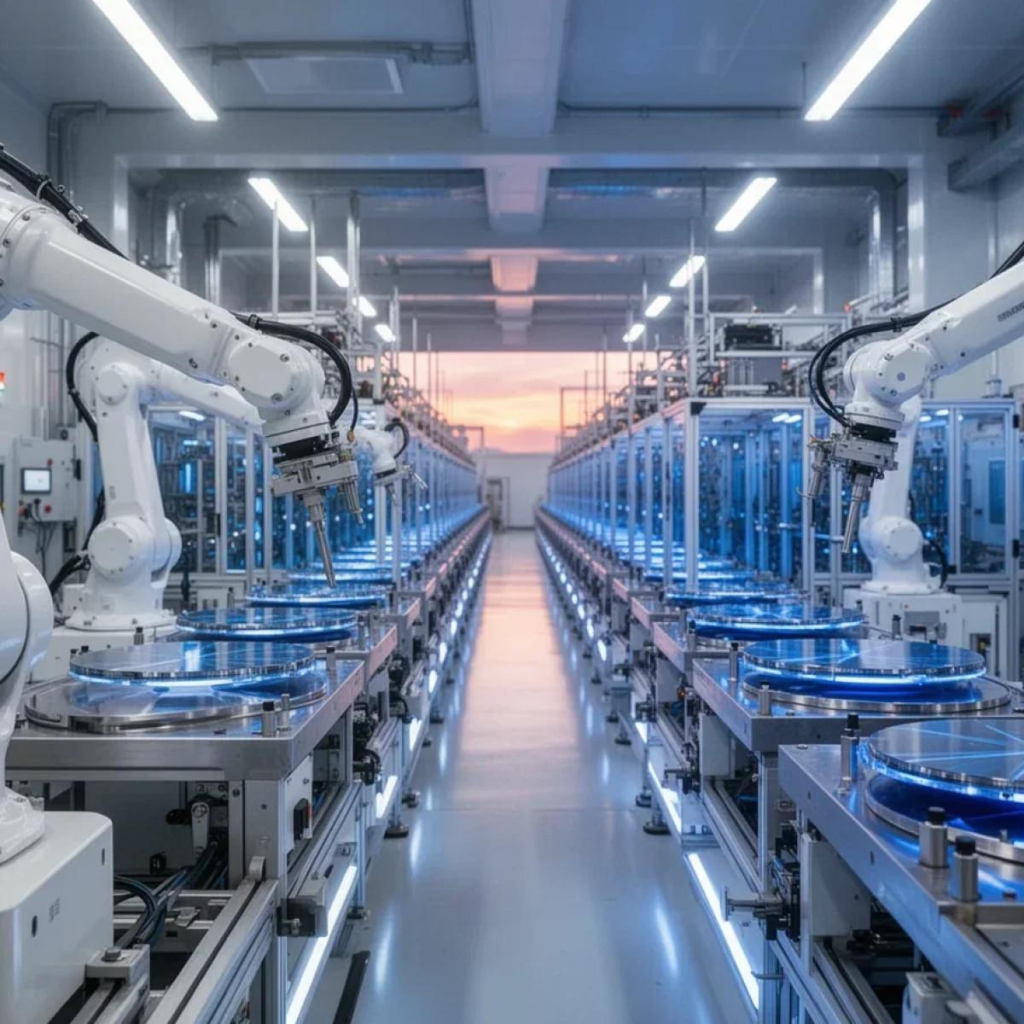
Major Tech Companies Investing in AI Chip Design
Leading technology companies are already investing heavily in AI-powered semiconductor development.
This includes advancements from:
- AI research laboratories
- Semiconductor manufacturers
- Cloud computing providers
- Hardware design companies
These organizations are using AI to design chips for:
- Artificial intelligence training
- Cloud servers
- Mobile devices
- Autonomous vehicles
- Robotics
- Edge computing systems
The competition is driving rapid innovation across the entire industry.
Faster Development Cycles
One of the biggest advantages of AI chip design is speed.
Tasks that once took months can now be completed in days or even hours.
AI helps:
- Reduce design iterations
- Automate simulation testing
- Identify errors early
- Optimize manufacturing readiness
This faster development cycle allows companies to bring new processors to market more quickly, giving them a competitive advantage.
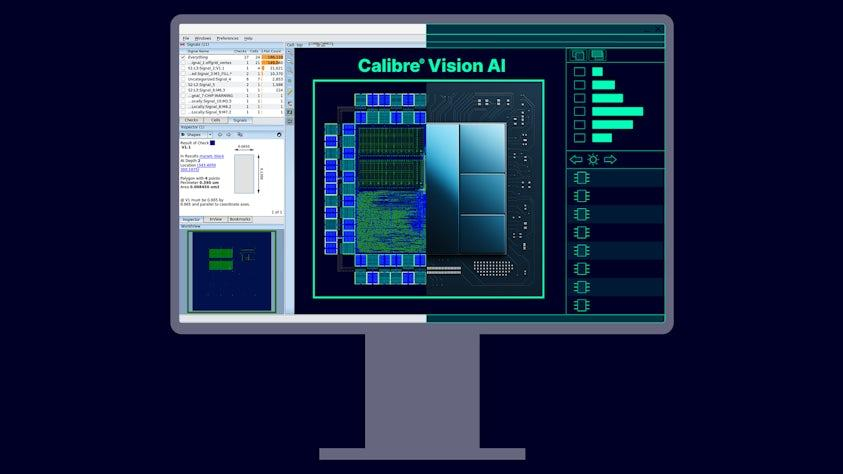
Improving Energy Efficiency
Energy consumption is a major concern in modern computing.
AI-designed chips are often more efficient because they:
- Minimize unnecessary transistor activity
- Optimize data pathways
- Reduce heat generation
- Improve power distribution
This is especially important for:
- Smartphones
- Laptops
- Data centers
- AI supercomputers
Energy-efficient chips reduce costs and support environmental sustainability goals.
Impact on Artificial Intelligence
AI and chip design are now reinforcing each other.
Better chips allow faster AI training, and AI helps design better chips.
This feedback loop is accelerating technological progress in:
- Large language models
- Computer vision systems
- Robotics intelligence
- Autonomous systems
Specialized AI chips (like GPUs and AI accelerators) are becoming more powerful thanks to AI-assisted design techniques.
Revolutionizing Data Centers
Modern data centers require massive computing power.
AI-designed chips help improve:
- Server efficiency
- Cooling systems
- Data processing speed
- Network performance
This leads to:
- Lower operating costs
- Faster cloud services
- Reduced energy consumption
- More scalable infrastructure
As global data demand increases, AI chip design becomes even more important.
Challenges and Limitations
Despite its promise, AI-driven chip design still faces challenges.
1. Reliability Concerns
AI-generated designs must still be verified by human engineers.
2. Manufacturing Constraints
Not all optimized designs can be easily produced in real factories.
3. Data Dependency
AI models require large datasets of previous chip designs.
4. High Computational Cost
Training AI systems for chip design requires powerful computing resources.
Researchers continue improving these systems to make them more accurate and practical.
The Role of Human Engineers
AI is not replacing chip engineers—it is becoming a powerful assistant.
Human experts still:
- Define design goals
- Validate AI outputs
- Ensure safety standards
- Make final architectural decisions
The future of semiconductor design is a collaboration between human creativity and machine intelligence.
The Future of AI-Designed Chips
Experts believe AI will play an even bigger role in semiconductor development over the next decade.
Future advancements may include:
- Fully automated chip design pipelines
- Self-optimizing processors
- Custom chips designed in real time
- AI-designed quantum processors
- Ultra-efficient edge AI chips
- Next-generation neural processors
This could lead to faster innovation cycles across all technology industries.
Final Thoughts
AI-driven semiconductor design is transforming one of the most important foundations of modern technology. By automating complex engineering tasks and optimizing chip performance at unprecedented speed, artificial intelligence is reshaping how processors are built and how future devices will operate.
While human expertise remains essential, AI is rapidly becoming a core part of the chip design process. This collaboration is enabling faster innovation, improved efficiency, and more powerful computing systems across industries.
As the demand for AI, cloud computing, and smart devices continues to grow, AI-designed chips will play a critical role in shaping the next generation of digital infrastructure. The future of computing may not only be powered by AI—it may also be designed by AI.
Leave a Reply