

7
Image Alt Text
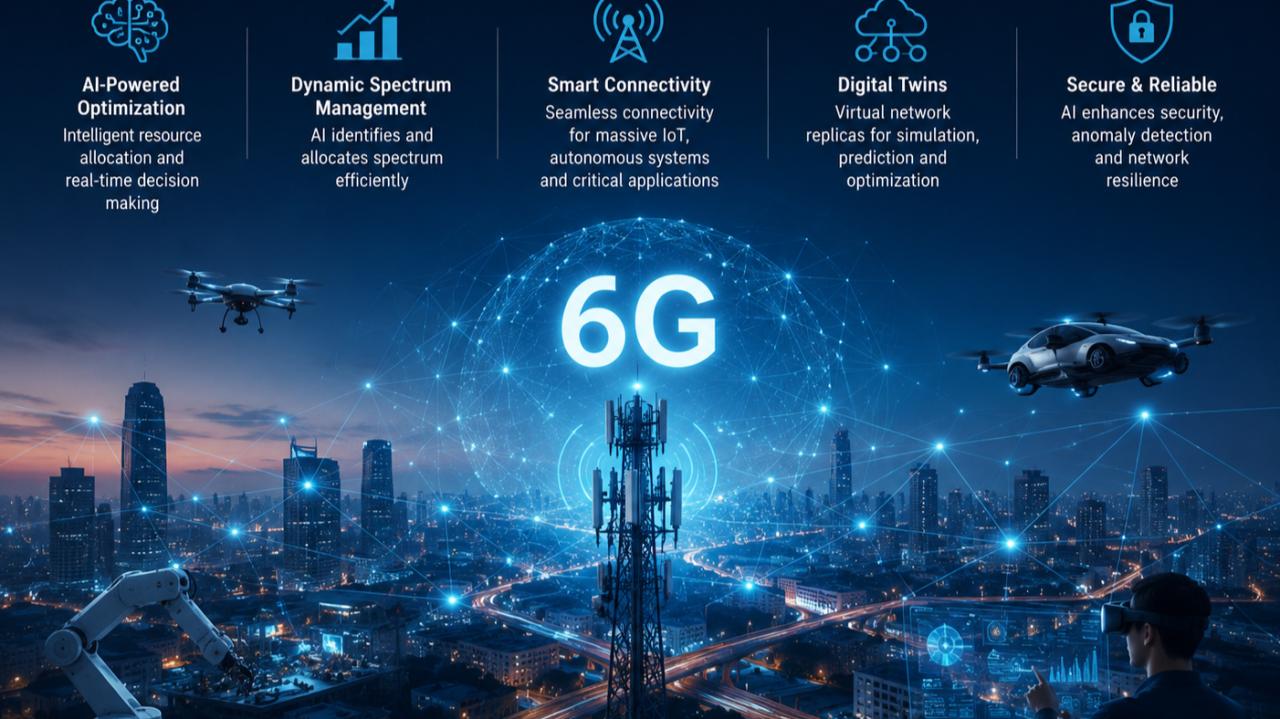
Image 1: Futuristic smart city powered by next-generation 6G wireless communication.
Image 2: Telecommunications engineers testing advanced 6G networking equipment.
Image 3: Artificial intelligence managing an intelligent 6G communications network.
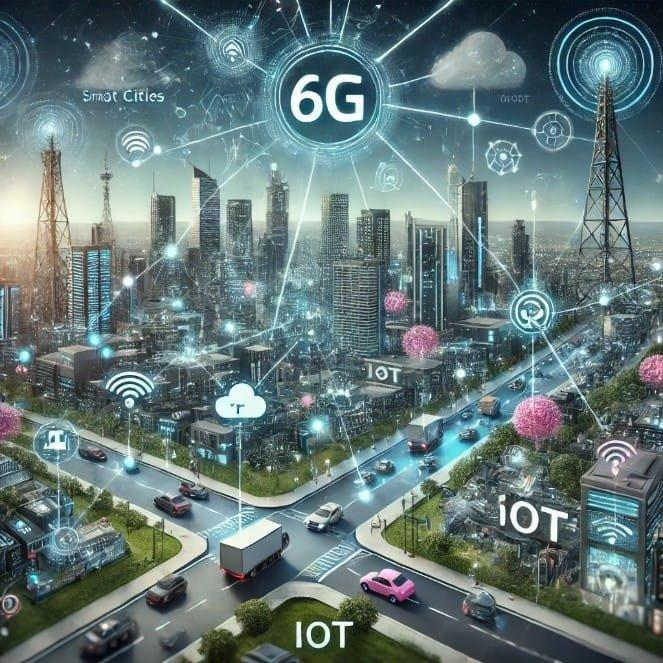
Image 4: Connected smart city infrastructure using ultra-fast wireless technology.
Image 5: Autonomous vehicles communicating through future 6G mobile networks.
Image 6: Modern telecommunications tower supporting next-generation wireless connectivity.
Image 7: Concept illustration of holographic communication enabled by future 6G technology.
6G Is Already in Development: What the Next Generation of Wireless Technology Could Mean for the World
The rollout of 5G networks is still expanding across many countries, bringing faster mobile internet, lower latency, and improved support for connected devices. Yet while consumers and businesses continue adopting 5G, researchers, universities, telecommunications companies, and governments have already begun laying the groundwork for 6G, the next generation of wireless communication technology.
Although commercial 6G networks are not expected until the 2030s, early research suggests they could deliver capabilities far beyond today’s mobile systems. Rather than simply increasing internet speeds, 6G aims to create an intelligent communication ecosystem where artificial intelligence, cloud computing, edge computing, satellites, and billions of connected devices work together seamlessly.
From immersive virtual experiences and autonomous transportation to smart factories and advanced healthcare, 6G has the potential to reshape nearly every aspect of the digital economy. While many technical challenges remain, the technology represents an ambitious vision for the future of global connectivity.
What Is 6G?
6G is the proposed sixth generation of mobile wireless communication technology that will eventually succeed 5G.
Like previous generations of mobile networks, 6G is expected to improve:
- Data transmission speeds
- Network capacity
- Reliability
- Energy efficiency
- Device connectivity
- Response times
However, 6G also seeks to integrate advanced artificial intelligence directly into the communication network itself, allowing systems to optimize performance automatically.
How 6G Could Differ From 5G
While 5G introduced significant improvements over 4G, researchers believe 6G will extend wireless technology in several new directions.
Potential advancements include:
- Higher data speeds
- Lower latency
- AI-native network management
- Better energy efficiency
- Expanded satellite integration
- Improved support for immersive digital experiences
Rather than focusing solely on smartphones, 6G is expected to support a much broader ecosystem of intelligent devices and services.
Artificial Intelligence at the Core
One of the defining characteristics of 6G is the integration of artificial intelligence throughout the network.
AI may help:
- Optimize traffic routing
- Predict network congestion
- Improve cybersecurity
- Allocate bandwidth dynamically
- Reduce energy consumption
- Detect technical faults automatically
This intelligent network management could improve both performance and reliability while reducing operational costs.
Supporting Massive Internet of Things (IoT)
The number of connected devices worldwide continues to grow rapidly.
Future 6G networks are expected to support billions of connected systems, including:
- Smart appliances
- Industrial sensors
- Autonomous robots
- Agricultural monitoring equipment
- Medical devices
- Transportation infrastructure
Higher capacity will allow these devices to communicate more efficiently without overwhelming network resources.
Enabling Smart Cities
Smart cities rely on continuous communication between infrastructure, vehicles, and public services.
6G may improve:
- Intelligent traffic management
- Public transportation systems
- Environmental monitoring
- Emergency response
- Energy distribution
- Smart lighting
These capabilities could help cities operate more efficiently while improving sustainability and quality of life.
Transforming Healthcare
Healthcare is another sector expected to benefit from advanced wireless communication.
Possible applications include:
- Remote patient monitoring
- AI-assisted diagnostics
- Connected medical devices
- High-quality telemedicine
- Emergency medical communications
- Smart hospitals
Reliable, low-latency networks are especially important for transmitting medical information quickly and securely.
Autonomous Transportation
Future transportation systems may depend heavily on real-time communication.
6G could support:
- Self-driving vehicles
- Connected traffic systems
- Autonomous delivery robots
- Smart logistics
- Railway automation
- Drone coordination
Rapid communication between vehicles and infrastructure may improve both safety and traffic efficiency.

Immersive Digital Experiences
Researchers believe 6G could enable new forms of digital interaction.
Potential applications include:
- High-resolution virtual reality
- Augmented reality collaboration
- Holographic communication
- Digital twins
- Immersive education
- Interactive entertainment
These technologies require extremely fast, reliable wireless connections with minimal delays.
Challenges Facing 6G Development
Although research is progressing, significant obstacles remain.
Spectrum Availability
New frequency bands may require advanced hardware and international coordination.
Infrastructure Costs
Building global 6G networks will require substantial investment.
Energy Efficiency
Supporting billions of connected devices while reducing energy consumption presents a major engineering challenge.
Security
As networks become more intelligent and interconnected, cybersecurity becomes increasingly important.
Researchers are actively exploring solutions to these issues.
When Will 6G Arrive?
Most experts expect commercial 6G deployment to begin sometime during the early 2030s.
Before widespread adoption, researchers must:
- Finalize technical standards
- Develop compatible hardware
- Test network performance
- Improve energy efficiency
- Expand supporting infrastructure
Until then, 5G will continue evolving through ongoing upgrades and expanded deployment.
The Future of Global Connectivity
6G represents more than simply another increase in internet speed.
It reflects a broader vision in which communication networks become intelligent platforms supporting artificial intelligence, cloud services, robotics, healthcare, transportation, manufacturing, and smart cities.
As digital transformation accelerates, future wireless infrastructure will likely become an increasingly important foundation for economic growth and technological innovation.
Final Thoughts
Although 6G remains under development, it has already captured the attention of researchers and technology companies worldwide. By combining advanced wireless communication with artificial intelligence, edge computing, satellite integration, and next-generation networking, 6G has the potential to redefine how people, devices, and infrastructure interact.
While commercial deployment is still several years away, the research taking place today will shape the digital ecosystems of tomorrow. From autonomous transportation and smart cities to immersive education and connected healthcare, 6G could become one of the most influential technologies of the coming decade.
As the world prepares for the next chapter in wireless communication, 6G offers a glimpse of a future where connectivity is faster, smarter, and more deeply integrated into everyday life than ever before.

Leave a Reply