
Posted on Leave a comment

Amazon’s Hidden Legends: 7 Incredible Animal Stories That Prove the Rainforest Is Stranger Than Fiction

Amazon’s Hidden Legends: 7 Incredible Animal Stories That Prove the Rainforest Is Stranger Than Fiction

Image
Image
Image
Image

Category: Wildlife / Amazon Rainforest / Strange Animal Stories

Tags: Amazon rainforest, Amazon wildlife, strange animals, rainforest creatures, exotic wildlife, Amazon stories, nature facts, biodiversity, South America, wildlife adventure

Featured Image Alt Text:
A collection of unusual Amazon rainforest animals, including an electric eel, mata mata turtle, harpy eagle, potoo bird, bullet ant, vampire bat, and arapaima fish.

When most people think of the Amazon Rainforest, they imagine towering trees, winding rivers, and endless greenery. But beneath the dense canopy lies a world unlike any other on Earth—a place where fish can generate electricity, turtles disappear into the riverbed, birds become invisible against tree trunks, and insects deliver one of the most painful stings known to science.

Amazon’s Hidden Legends: 7 Incredible Animal Stories That Prove the Rainforest Is Stranger Than Fiction

Stretching across nine South American countries, the Amazon is the largest tropical rainforest in the world. It contains about 10% of all known species on Earth, and scientists continue to discover new animals every year. Every river, swamp, and forest floor hides creatures with extraordinary adaptations that help them survive in one of the planet’s most competitive environments.

Here are seven fascinating stories about some of the Amazon’s most remarkable animals.


1. The Electric Eel That Hunts With Lightning

At first glance, the electric eel looks like an ordinary fish. But hidden inside its long body are specialized organs capable of producing powerful electric discharges.

Large electric eels can generate shocks of more than 800 volts, making them one of the strongest electricity-producing animals on Earth.

They use weaker electrical pulses to navigate muddy water and locate prey, then unleash powerful shocks to stun fish or defend themselves from predators.

Researchers have even observed electric eels leaping from the water to deliver defensive shocks directly to potential threats.

Far from being aggressive hunters of humans, they generally avoid people unless disturbed.

Alt Text: Electric eel swimming through dark Amazon River water.


2. The Mata Mata Turtle That Looks Like a Floating Log

The mata mata turtle is one of the strangest reptiles in the world.

Instead of a smooth shell, it has rough edges, ridges, and a flattened body that resemble decaying leaves or pieces of bark. Its long neck is covered with loose skin flaps that help it blend perfectly into muddy river bottoms.

Rather than chasing prey, the mata mata waits patiently until a fish swims close. It then opens its enormous mouth so quickly that water rushes in, pulling the unsuspecting fish inside.

This feeding technique requires almost no pursuit at all.

Alt Text: Mata mata turtle resting on a muddy Amazon riverbed.


3. The Potoo Bird That Becomes a Tree Branch

Spotting a potoo during the day is almost impossible.

When resting, this unusual bird stretches upward, closes its eyes to narrow slits, and remains perfectly still.

Its gray and brown feathers match the bark of dead trees so well that predators often overlook it completely.

At night, however, the potoo transforms into an active hunter, catching flying insects with its enormous mouth.

Its haunting nighttime calls have inspired many Amazonian legends.

Alt Text: Potoo bird camouflaged against a tree trunk.


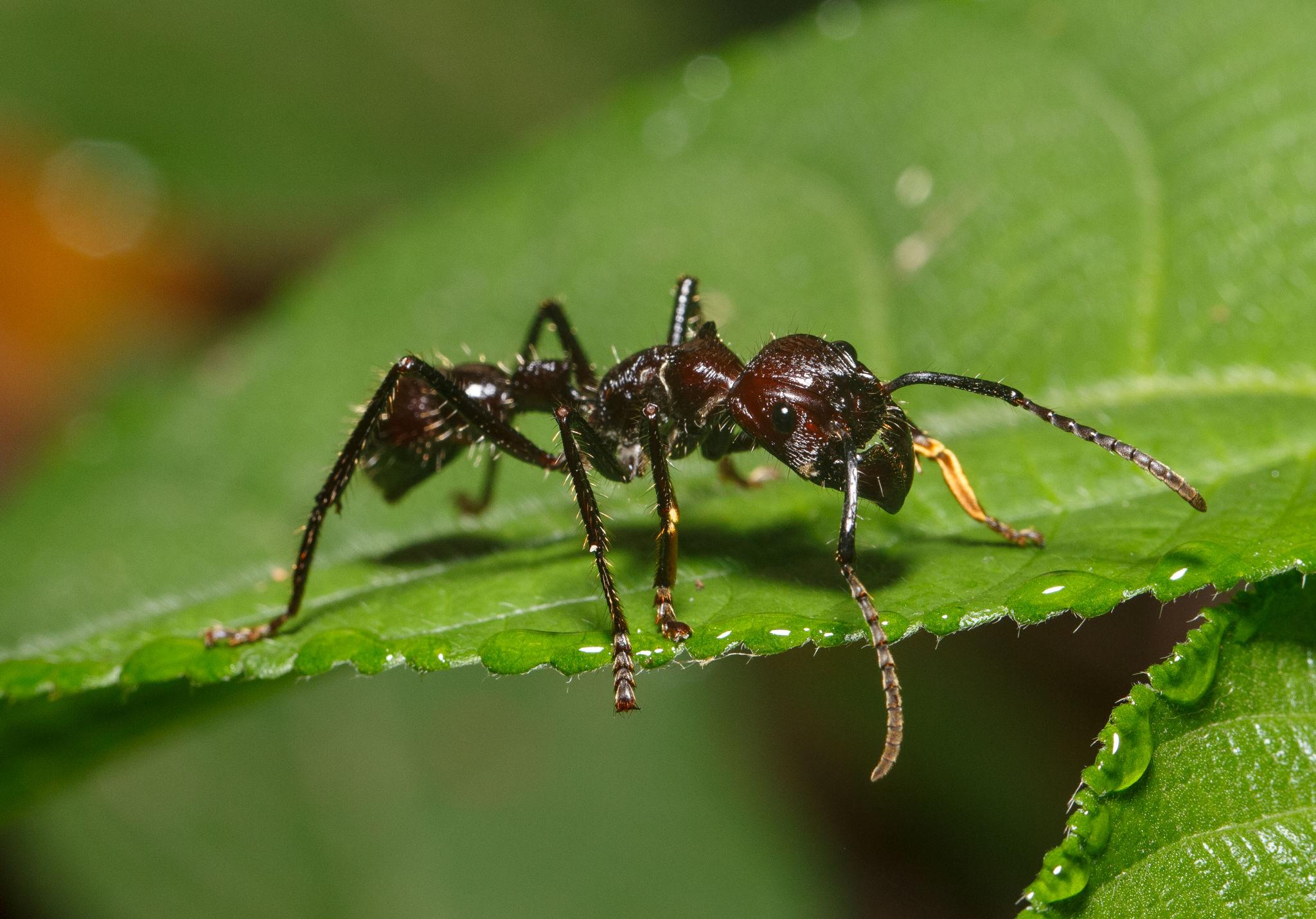
4. The Bullet Ant With One of Nature’s Most Painful Stings

Tiny but unforgettable, the bullet ant has earned worldwide attention for its extremely painful sting.

The sensation has been compared by researchers and naturalists to intense, long-lasting pain that can persist for many hours.

Despite its fearsome reputation, the bullet ant is not aggressive. It usually stings only when threatened or when its nest is disturbed.

Its powerful defense helps protect colonies hidden among tree roots and forest vegetation.

Alt Text: Bullet ant walking along the Amazon rainforest floor.


5. The Harpy Eagle—King of the Rainforest Sky

One of the largest and most powerful eagles in the world lives high above the Amazon canopy.

The harpy eagle possesses enormous talons capable of grasping prey such as monkeys and sloths from treetops.

Unlike soaring eagles that hunt over open landscapes, harpy eagles weave skillfully through dense forest, using short bursts of flight to surprise prey.

Their striking feather crest and impressive size have made them symbols of strength throughout South America.

Alt Text: Harpy eagle perched on a rainforest branch.


6. Vampire Bats That Share Their Meals

Vampire bats are often misunderstood.

Although they feed on small amounts of blood from mammals or birds, they rarely pose a threat to healthy humans.

One of their most remarkable behaviors is social cooperation.

If a bat fails to find food during the night, another successful bat may regurgitate part of its meal to help its hungry companion survive.

Scientists consider this one of the most fascinating examples of food sharing among wild mammals.

Alt Text: Common vampire bat hanging beneath a tree branch.


7. Arapaima—The Giant Fish That Breathes Air

The arapaima is among the world’s largest freshwater fish.

Some individuals grow over 3 meters (10 feet) long and weigh hundreds of pounds.

Unlike most fish, arapaimas must regularly surface to breathe atmospheric air because they possess a modified swim bladder that functions much like a lung.

Their enormous scales also provide remarkable protection against predators.

For local communities, the arapaima has long been an important part of Amazonian life and culture.

Alt Text: Giant arapaima surfacing in the Amazon River.


Why the Amazon Produces Such Extraordinary Wildlife

Life in the Amazon is incredibly competitive.

Animals must survive predators, flooding, seasonal droughts, and fierce competition for food.

Over millions of years, evolution produced astonishing solutions.

Some animals became invisible.

Others evolved powerful defenses.

Some learned to generate electricity.

Others developed incredible camouflage or unique social behaviors.

Each adaptation represents countless generations of natural selection shaping life to fit one of Earth’s most diverse ecosystems.


Protecting the World’s Greatest Rainforest

The Amazon supports millions of species, stores vast amounts of carbon, and helps regulate global climate.

Yet the forest faces growing threats from deforestation, habitat fragmentation, illegal mining, wildfires, and climate change.

Protecting the Amazon means preserving not only its trees but also the extraordinary animals that depend on them.

Many scientists believe thousands of Amazonian species remain undiscovered.

Future explorers may reveal even stranger creatures hidden beneath the rainforest canopy.


A World Unlike Any Other

The Amazon is more than a forest.

It is a living museum of evolution.

An electric fish that hunts with lightning.

A turtle disguised as a fallen leaf.

A bird that vanishes against tree bark.

An ant with a legendary sting.

An eagle powerful enough to hunt monkeys.

Bats that share food with hungry friends.

A giant fish that breathes air.

These remarkable animals remind us that the greatest wildlife stories are often true.

The deeper scientists explore the Amazon, the clearer one fact becomes: nature still holds countless surprises, waiting patiently beneath the green canopy of the world’s largest rainforest.

Image Alt Text Summary

  1. Electric eel swimming in the Amazon River.
  2. Mata mata turtle camouflaged on the riverbed.
  3. Potoo bird blending into a tree trunk.
  4. Bullet ant walking across the rainforest floor.
  5. Harpy eagle perched high in the Amazon canopy.
  6. Vampire bat hanging beneath a forest branch.
  7. Giant arapaima surfacing to breathe in the Amazon River.
Posted on Leave a comment

7 Incredible Animal Stories from the Amazon Rainforest | Amazing Wildlife Facts

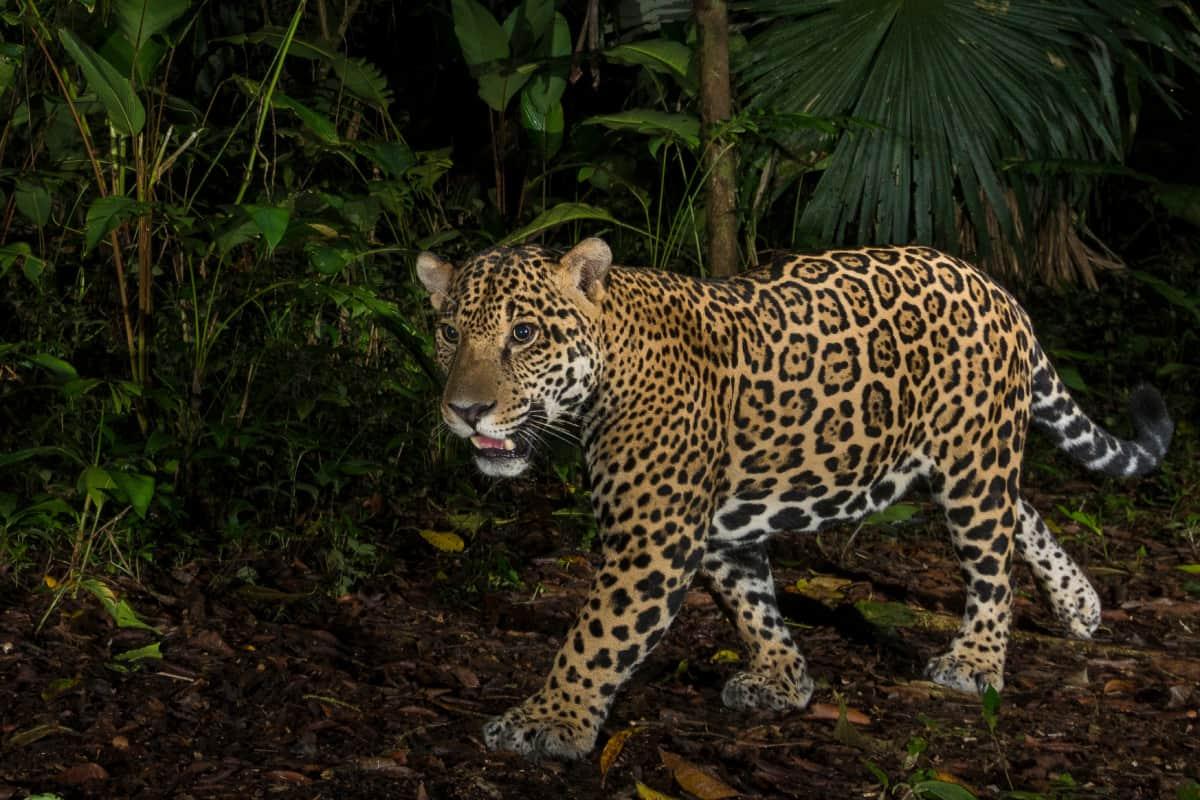
Jaguar walking silently through the Amazon rainforest.

7 Incredible Animal Stories from the Amazon Rainforest | Amazing Wildlife Facts

7 Incredible Animal Stories from the Amazon Rainforest: Nature’s Most Amazing Survivors


7 Incredible Animal Stories from the Amazon Rainforest: Nature’s Most Amazing Survivors

The Amazon Rainforest is often called the “lungs of the Earth,” but it is also one of the greatest wildlife sanctuaries on the planet. Stretching across nine South American countries and covering more than 5.5 million square kilometers, the Amazon is home to an estimated 10% of all known species. Hidden beneath its towering trees and winding rivers are remarkable animals with extraordinary survival stories that continue to fascinate scientists and nature lovers alike.

From tiny frogs carrying poison powerful enough to stop predators to intelligent river dolphins that navigate muddy waters using sonar, every creature in the Amazon has evolved unique adaptations to survive in one of Earth’s most competitive ecosystems.

Here are seven incredible animal stories that showcase the wonder, intelligence, and resilience of Amazon wildlife.


1. The Jaguar: The Silent King of the Jungle

Image
Image
Image
Image
Image
Image
Image

Alt Text: Jaguar walking silently through the Amazon rainforest.

The jaguar is the largest cat in the Americas and the undisputed apex predator of the Amazon. Unlike most big cats, jaguars are exceptional swimmers and often hunt in rivers and wetlands.

Their incredibly powerful bite can pierce turtle shells and even the skulls of caimans. Rather than chasing prey over long distances, jaguars rely on patience and stealth, quietly stalking animals before launching a lightning-fast ambush.

These magnificent cats play an essential role in maintaining ecological balance by controlling populations of deer, capybaras, and other mammals. Unfortunately, habitat destruction and illegal hunting continue to threaten their future.


2. The Pink River Dolphin: The Amazon’s Gentle Mystery

Image
Image
Image
Image
Image
Image
Image
Image

Alt Text: Pink river dolphin swimming through the Amazon River.

One of the Amazon’s most unusual residents is the pink river dolphin, also known as the boto. Unlike ocean dolphins, these freshwater mammals have flexible necks that allow them to maneuver through flooded forests during the rainy season.

Young dolphins are gray, gradually turning pink as they mature. Scientists believe their pink coloration develops from age, scars, and increased blood flow near the skin.

Local folklore tells stories of dolphins transforming into handsome humans at night, but their real-life abilities are equally magical. Using echolocation, they can locate fish in muddy water where visibility is almost zero.

Sadly, pollution and accidental capture in fishing nets are reducing their populations throughout the Amazon Basin.


3. The Poison Dart Frog: Tiny but Powerful

Image
Image
Image
Image
Image
Image
Image

Alt Text: Brightly colored poison dart frog resting on a rainforest leaf.

Despite measuring only a few centimeters long, poison dart frogs are among the most toxic animals on Earth.

Their brilliant blue, yellow, orange, and red colors warn predators to stay away. Some species produce toxins capable of causing paralysis or even death.

Interestingly, frogs raised in captivity lose much of their toxicity because they no longer consume the wild insects responsible for producing these chemicals.

Indigenous communities have historically used the frogs’ toxins on hunting darts, giving the animals their famous name.


4. The Leafcutter Ant: The Farmer of the Rainforest

Image
Image
Image
Image
Image
Image
Image

Alt Text: Leafcutter ants carrying pieces of green leaves.

Leafcutter ants are among the hardest-working insects in the Amazon.

Every day, millions of ants march through the forest carrying leaf fragments much larger than themselves. Surprisingly, they do not eat the leaves directly.

Instead, they use them to cultivate underground fungus gardens that serve as their primary food source. This sophisticated farming system evolved millions of years before humans developed agriculture.

A single colony may contain several million ants working together with incredible organization and efficiency.


5. The Green Anaconda: Master of the Amazon Waters

Image
Image
Image
Image
Image
Image

Alt Text: Massive green anaconda resting in shallow Amazon water.

The green anaconda is one of the world’s largest and heaviest snakes.

Although often portrayed as aggressive in movies, these giant reptiles generally avoid humans whenever possible.

They spend most of their lives in rivers, swamps, and flooded forests, waiting patiently for prey to come within striking distance. Their muscular bodies allow them to overpower animals such as capybaras, caimans, and even deer.

Anacondas are excellent swimmers and can remain submerged for long periods, with only their eyes and nostrils visible above the water.


6. The Harpy Eagle: The Sky Hunter

Image
Image
Image
Image
Image
Image
Image

Alt Text: Harpy eagle perched high in the Amazon rainforest canopy.

The harpy eagle is one of the world’s largest and most powerful birds of prey.

Its massive talons are comparable in size to a grizzly bear’s claws and are strong enough to capture monkeys and sloths directly from the treetops.

Harpy eagles require vast areas of undisturbed forest for hunting, making them vulnerable to deforestation.

Despite their fearsome appearance, these majestic birds are shy and rarely seen in the wild, making every sighting a remarkable experience for researchers.


7. The Glass Frog: Nature’s Transparent Wonder

Image
Image
Image
Image
Image
Image

Alt Text: Transparent glass frog resting beneath a rainforest leaf.

Glass frogs are among the Amazon’s most extraordinary amphibians.

Their undersides are almost transparent, allowing observers to see their internal organs. This remarkable adaptation helps camouflage them against leaves, making it harder for predators to detect them.

Male glass frogs are devoted fathers. After females lay eggs on leaves above streams, males remain nearby to guard them from insects and other predators until they hatch.

Their dedication significantly increases the survival chances of the next generation.


Why Amazon Wildlife Matters

The Amazon Rainforest is much more than a collection of remarkable animals. It regulates global climate, stores enormous amounts of carbon, and supports millions of people who depend on its natural resources.

Unfortunately, illegal logging, mining, wildfires, and expanding agriculture continue to threaten this irreplaceable ecosystem. Every species—from the mighty jaguar to the tiny glass frog—plays a vital role in maintaining the delicate balance of rainforest life.

Protecting the Amazon means protecting one of Earth’s greatest natural treasures for future generations.


Final Thoughts

The Amazon Rainforest reminds us that nature is filled with extraordinary stories waiting to be discovered. Whether it’s a jaguar silently stalking its prey, a pink dolphin navigating muddy rivers, or millions of ants farming fungus beneath the forest floor, each animal has evolved incredible adaptations that inspire wonder.

As conservation efforts continue around the world, learning about these fascinating creatures is one of the first steps toward protecting them. By appreciating the Amazon’s rich biodiversity, we can all play a small part in ensuring these amazing wildlife stories continue for generations to come.


Discover seven incredible animal stories from the Amazon Rainforest, featuring jaguars, pink river dolphins, poison dart frogs, harpy eagles, anacondas, and more. Learn how these remarkable creatures survive in one of Earth’s richest ecosystems.