

7
Image Alt Text
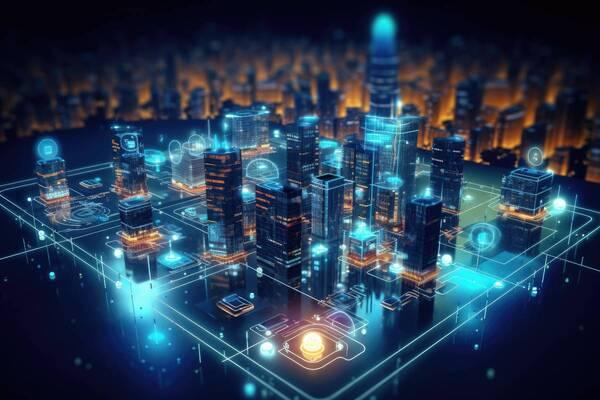
Image 1: Digital twin model of a smart city displayed on an advanced analytics dashboard.
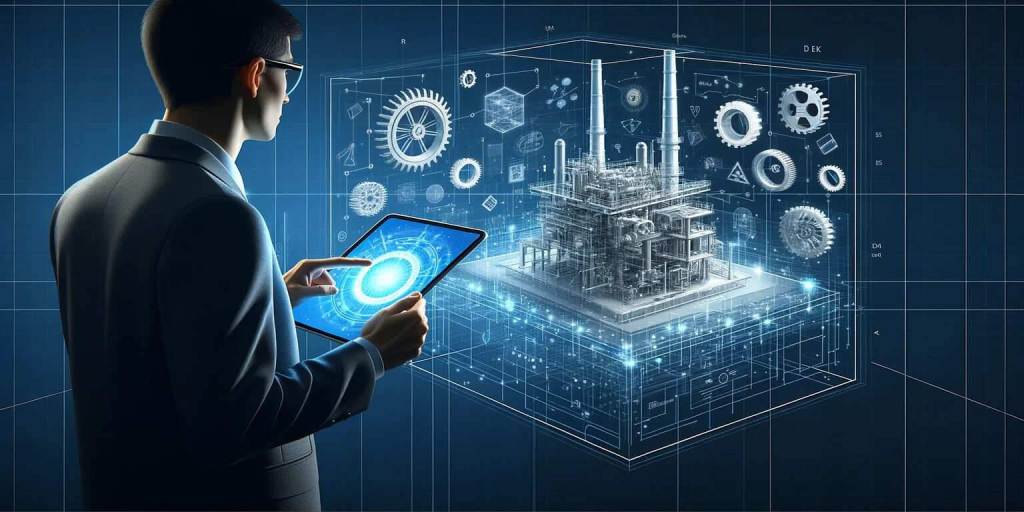
Image 2: Engineer monitoring a virtual factory simulation using digital twin technology.
Image 3: Futuristic smart city visualization powered by real-time digital twin data.
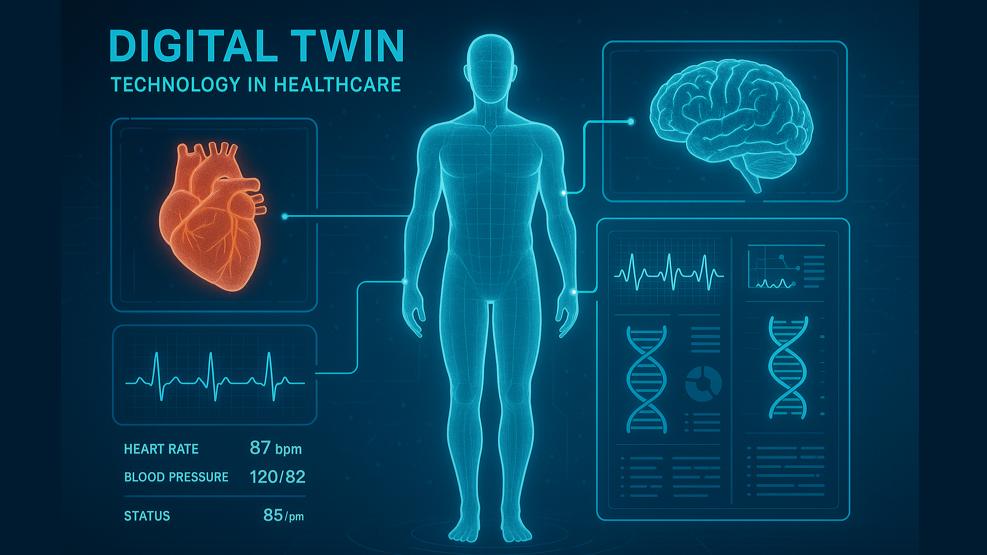
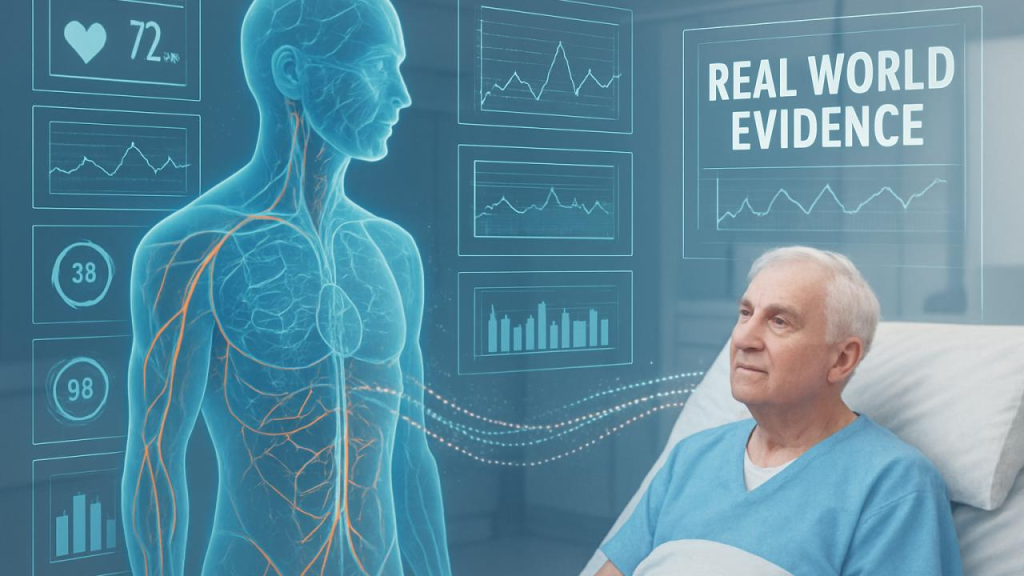
Image 4: Healthcare digital twin concept showing patient monitoring and predictive analysis.
Image 5: Industrial IoT sensors transmitting data to a digital twin platform.
Image 6: Manufacturing control room using AI-powered digital twin technology.
Image 7: Holographic interface displaying a next-generation digital twin simulation.
Digital Twins Are Changing the World: The Virtual Technology That Can Predict the Future of Cities, Factories, and Healthcare
Imagine having a virtual copy of a city, a factory, an aircraft engine, or even a human organ that updates in real time and predicts problems before they happen. This is no longer science fiction. It is the reality of Digital Twin technology, one of the fastest-growing innovations in the technology sector.
Digital twins are transforming industries by creating virtual models of real-world objects, systems, and environments. These digital replicas continuously receive data from sensors, cameras, and connected devices, allowing organizations to monitor performance, simulate scenarios, and make better decisions.
From smart cities and manufacturing plants to healthcare and transportation, digital twins are helping organizations reduce costs, improve efficiency, enhance safety, and prepare for future challenges. As artificial intelligence, cloud computing, and the Internet of Things (IoT) continue advancing, digital twin technology is expected to become a cornerstone of the next generation of digital transformation.
What Is a Digital Twin?
A digital twin is a virtual representation of a physical object, system, or process.
Unlike a simple computer model, a digital twin continuously updates using real-world data collected from sensors and connected devices.
A digital twin can represent:
- Buildings
- Factories
- Vehicles
- Power plants
- Medical equipment
- Supply chains
- Cities
- Infrastructure systems
Because the digital model reflects real-time conditions, organizations can monitor performance and test different scenarios without affecting actual operations.
How Digital Twins Work
Digital twins rely on several advanced technologies working together.
1. Sensors and IoT Devices
Connected sensors collect information such as:
- Temperature
- Pressure
- Speed
- Energy consumption
- Equipment status
- Environmental conditions
2. Data Transmission
The collected information is transmitted to cloud platforms or local computing systems.
3. Virtual Modeling
Software creates a digital replica of the physical object or system.
4. Artificial Intelligence
AI analyzes data patterns, identifies anomalies, and predicts future outcomes.
This combination creates a constantly updated virtual environment that mirrors real-world conditions.
Transforming Manufacturing
Manufacturing is one of the largest adopters of digital twin technology.
Factories use digital twins to:
- Monitor production lines
- Predict equipment failures
- Improve quality control
- Optimize energy use
- Reduce downtime
Instead of waiting for machinery to break down, manufacturers can identify early warning signs and schedule maintenance before costly disruptions occur.
This predictive approach improves efficiency while reducing operational expenses.
Building Smarter Cities
Urban planners are increasingly using digital twins to create smarter and more sustainable cities.
A city-wide digital twin can monitor:
- Traffic flow
- Public transportation
- Energy consumption
- Air quality
- Water systems
- Emergency services
Officials can test infrastructure changes in a virtual environment before implementing them in the real world.
For example, traffic patterns can be simulated to evaluate the impact of new roads or public transit projects.
Improving Healthcare
Healthcare organizations are exploring digital twins to improve patient care and medical research.
Potential applications include:
- Personalized treatment planning
- Medical device monitoring
- Hospital operations management
- Disease progression modeling
- Surgical preparation
Researchers are even investigating digital twins of specific organs to better understand how treatments may affect individual patients.
Although many healthcare applications remain experimental, the technology shows significant promise.
The Role of Artificial Intelligence
Artificial intelligence is a critical component of digital twin systems.
AI helps by:
- Detecting unusual behavior
- Predicting future performance
- Identifying inefficiencies
- Recommending solutions
- Automating analysis
Without AI, organizations would struggle to interpret the enormous amounts of data generated by modern digital twin platforms.
Together, AI and digital twins create powerful decision-support tools.
Digital Twins in Transportation
Transportation systems are becoming increasingly complex.
Digital twins can improve:
- Fleet management
- Railway operations
- Aviation maintenance
- Logistics networks
- Autonomous vehicle development
Airlines, for example, can use digital twins of aircraft engines to monitor performance and predict maintenance requirements.
This reduces downtime while improving safety and operational reliability.
Supporting Renewable Energy
Renewable energy infrastructure also benefits from digital twin technology.
Operators can monitor:
- Wind turbines
- Solar farms
- Hydroelectric systems
- Energy storage facilities
Digital twins help identify performance issues, optimize maintenance schedules, and maximize energy production.
As the world transitions toward cleaner energy sources, these capabilities become increasingly valuable.
Advantages of Digital Twins
Organizations adopting digital twin technology often gain several benefits.
Better Decision-Making
Real-time insights support faster and more informed decisions.
Predictive Maintenance
Potential failures can be detected before they become serious problems.
Cost Reduction
Improved efficiency reduces operational expenses.
Enhanced Safety
Virtual testing reduces risks associated with real-world experimentation.
Greater Sustainability
Resource usage can be optimized through continuous monitoring and analysis.
These advantages are driving rapid adoption across industries.
Challenges and Limitations
Despite its benefits, digital twin technology faces several challenges.
Data Quality
Accurate models require reliable and consistent data.
Cybersecurity
Connected systems must be protected against unauthorized access.
High Initial Costs
Developing detailed digital twins can require significant investment.
Complex Integration
Organizations often need to connect data from multiple systems and platforms.
Overcoming these challenges remains a key focus for technology providers.
The Future of Digital Twins
Experts predict that digital twin technology will become far more sophisticated during the next decade.
Future developments may include:
- AI-powered autonomous optimization
- Real-time city-scale simulations
- Advanced healthcare modeling
- Smarter supply chains
- Integration with augmented reality
- More powerful predictive analytics
As sensors become cheaper and computing power increases, digital twins are likely to become more accessible to organizations of all sizes.
Why Digital Twins Matter
The world is generating more data than ever before.
Organizations need tools capable of transforming that data into actionable insights.
Digital twins provide a bridge between physical systems and digital intelligence, allowing decision-makers to understand complex operations in unprecedented detail.
Whether managing a factory, planning a city, operating a transportation network, or improving healthcare outcomes, digital twins offer a powerful way to anticipate challenges and optimize performance.
Final Thoughts
Digital twin technology is rapidly becoming one of the most important innovations in the digital age. By creating real-time virtual replicas of physical systems, organizations can monitor operations, predict problems, and test solutions before implementing them in the real world.
Combined with artificial intelligence, IoT sensors, and cloud computing, digital twins are transforming industries ranging from manufacturing and healthcare to transportation and urban planning. While challenges remain, ongoing technological advances are making digital twin platforms increasingly powerful and accessible.
As businesses and governments continue embracing data-driven decision-making, digital twins are poised to play a central role in shaping the future of technology. The ability to simulate, analyze, and optimize complex systems may become one of the defining capabilities of the next generation of digital innovation.
Leave a Reply