

6
Image Alt Text
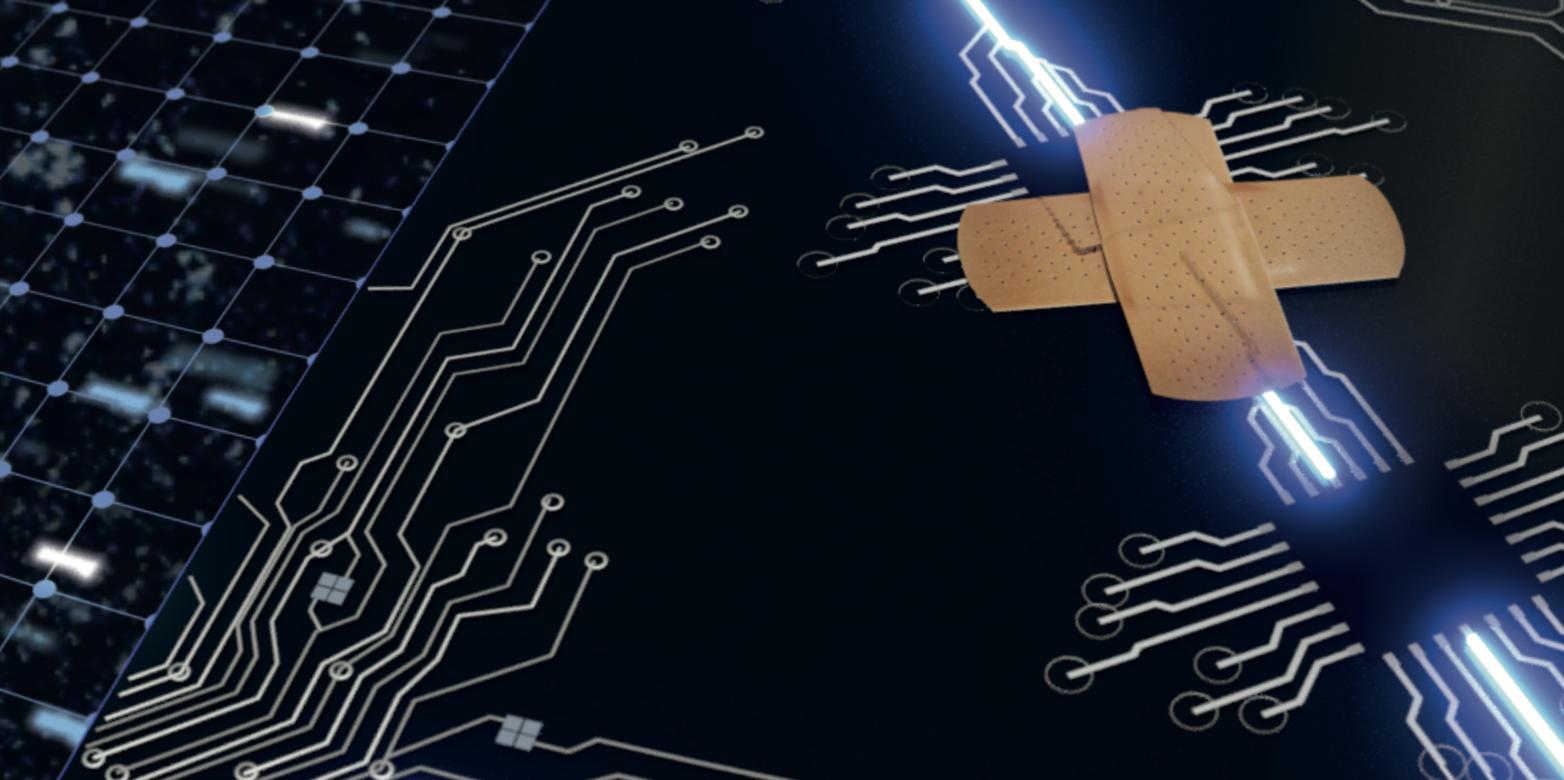
Image 1: Concept illustration of a self-healing electronic circuit automatically repairing microscopic damage.
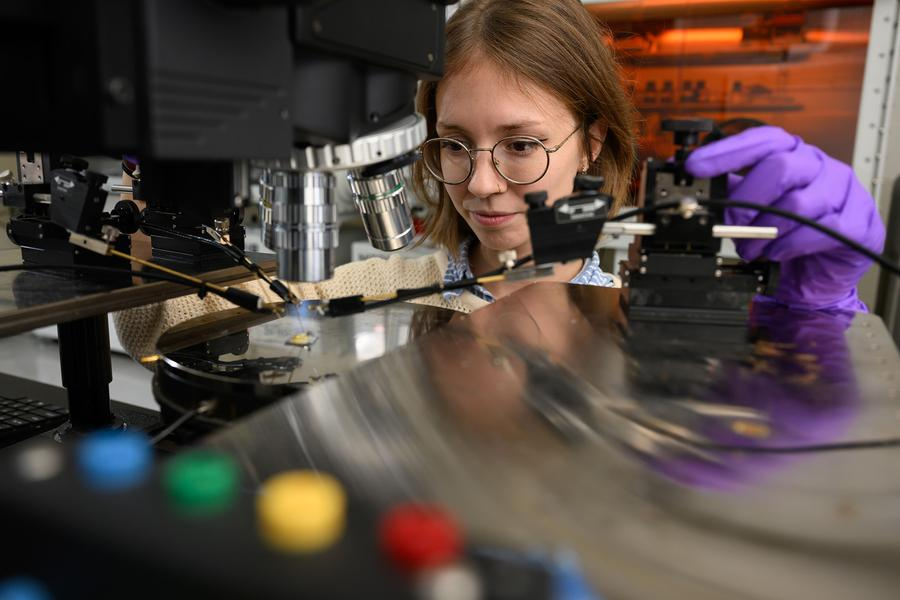
Image 2: Scientists researching flexible electronic materials in an advanced laboratory.
Image 3: Close-up view of a next-generation semiconductor chip designed for high-performance electronics.
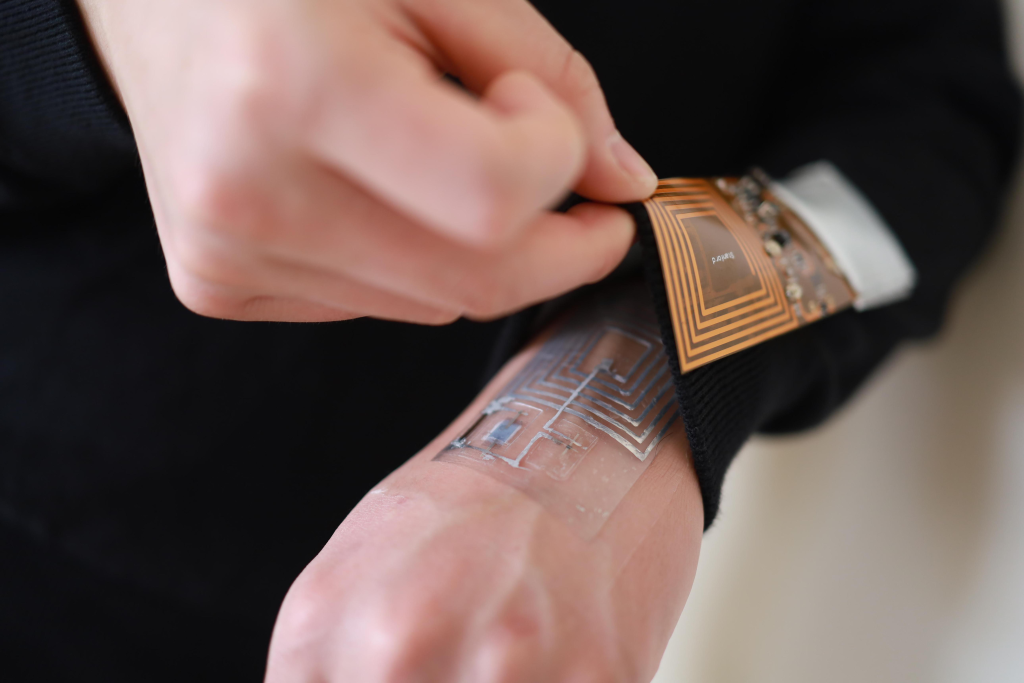
Image 4: Flexible wearable device built with advanced smart electronic materials.
Image 5: Industrial robotic arm using intelligent sensors and advanced electronic components.
Image 6: Nanotechnology researchers developing innovative materials for future electronics.
Image 7: Futuristic visualization of self-healing technology extending the lifespan of electronic devices.
Self-Healing Electronics Are No Longer Science Fiction: The Technology That Could Make Broken Devices Repair Themselves
Imagine dropping your smartphone only to have tiny cracks inside its electronic circuits repair themselves automatically. Picture wearable health devices that continue functioning after being bent thousands of times, or satellites that recover from microscopic damage while orbiting Earth. While these ideas once belonged entirely to science fiction, researchers are now making steady progress toward self-healing electronics—a field that combines advanced materials, nanotechnology, and innovative engineering to create devices capable of recovering from certain types of damage.
Traditional electronic devices are vulnerable to wear and tear. Repeated bending, temperature changes, moisture, dust, and everyday use gradually weaken components over time. Even microscopic cracks in conductive pathways can eventually lead to device failure. Self-healing electronics aim to reduce these problems by using materials that can restore electrical connections or repair minor structural damage without extensive human intervention.
Although commercial self-healing electronics remain in the early stages of development, research laboratories and technology companies around the world are exploring how these materials could improve the durability, sustainability, and reliability of future consumer electronics, medical devices, industrial sensors, and aerospace systems.
What Are Self-Healing Electronics?
Self-healing electronics are electronic systems designed with materials that can recover from specific forms of physical damage.
Unlike conventional circuits that permanently fail when damaged, self-healing systems may restore functionality through chemical, mechanical, or thermal processes.
Researchers are studying several types of self-healing materials, including:
- Conductive polymers
- Flexible electronic materials
- Self-healing hydrogels
- Microcapsule-based repair systems
- Shape-memory materials
- Nanomaterial composites
Each approach attempts to improve device lifespan while maintaining electrical performance.
How the Technology Works
Several different techniques are being investigated to enable electronic self-repair.
Microcapsule Technology
Tiny capsules embedded within electronic materials contain repair agents. When microscopic cracks form, the capsules break open, releasing material that helps reconnect damaged pathways.
Self-Healing Polymers
Some advanced polymers contain reversible chemical bonds that reconnect after being damaged, allowing flexible electronic components to recover from repeated bending or stretching.
Thermally Activated Repair
Certain materials can restore their original structure when exposed to heat under controlled conditions.
Nanomaterials
Researchers are also exploring carbon nanotubes, graphene, and other nanomaterials that improve both conductivity and durability.
While each method has advantages and limitations, all share the goal of extending the operational life of electronic devices.
Why Electronics Need Self-Repair
Modern electronic devices continue becoming thinner, lighter, and more flexible.
This creates new engineering challenges because delicate circuits experience greater mechanical stress.
Common causes of electronic degradation include:
- Repeated bending
- Mechanical vibration
- Moisture exposure
- Temperature fluctuations
- Manufacturing defects
- Everyday wear
Even tiny cracks invisible to the human eye can interrupt electrical signals and reduce performance over time.
Self-healing technologies seek to minimize these failures before they become permanent.
Applications in Consumer Electronics
Consumer devices may eventually become some of the largest beneficiaries of self-healing materials.
Potential applications include:
- Smartphones
- Tablets
- Laptops
- Smartwatches
- Wireless earbuds
- Foldable displays
- Gaming devices
Flexible screens, in particular, experience repeated mechanical stress that makes durability an important design consideration.
Although current consumer products do not fully repair themselves, ongoing research may improve future generations of portable electronics.
Transforming Wearable Technology
Wearable devices must withstand constant movement while remaining lightweight and comfortable.
Self-healing materials could improve:
- Fitness trackers
- Medical monitoring patches
- Smart clothing
- Health sensors
- Flexible electronic textiles
Because these devices experience frequent stretching and bending, durable materials are essential for long-term reliability.
Medical Devices and Healthcare
Healthcare technologies increasingly rely on compact electronic sensors.
Researchers are investigating self-healing electronics for:
- Implantable medical devices
- Continuous health monitoring
- Flexible biosensors
- Smart bandages
- Rehabilitation equipment
Improved durability could reduce maintenance requirements while extending device lifespans in demanding medical environments.
Clinical adoption, however, will require extensive testing to ensure long-term safety and reliability.
Industrial and Aerospace Applications
Factories, transportation systems, and spacecraft operate under harsh environmental conditions.
Self-healing electronics may help improve:
- Industrial monitoring sensors
- Autonomous robots
- Aircraft electronics
- Satellites
- Space exploration equipment
- Renewable energy infrastructure
Because repairing equipment in remote locations or space can be extremely difficult, more resilient electronics could reduce maintenance costs and improve operational reliability.
Environmental Benefits
Electronic waste continues to grow worldwide.
By extending product lifespans, self-healing materials could contribute to more sustainable technology.
Possible environmental benefits include:
- Fewer device replacements
- Reduced electronic waste
- Lower resource consumption
- Longer equipment service life
- Improved product durability
Although recycling remains essential, longer-lasting electronics may reduce the overall demand for replacement devices.
Challenges Facing Self-Healing Electronics
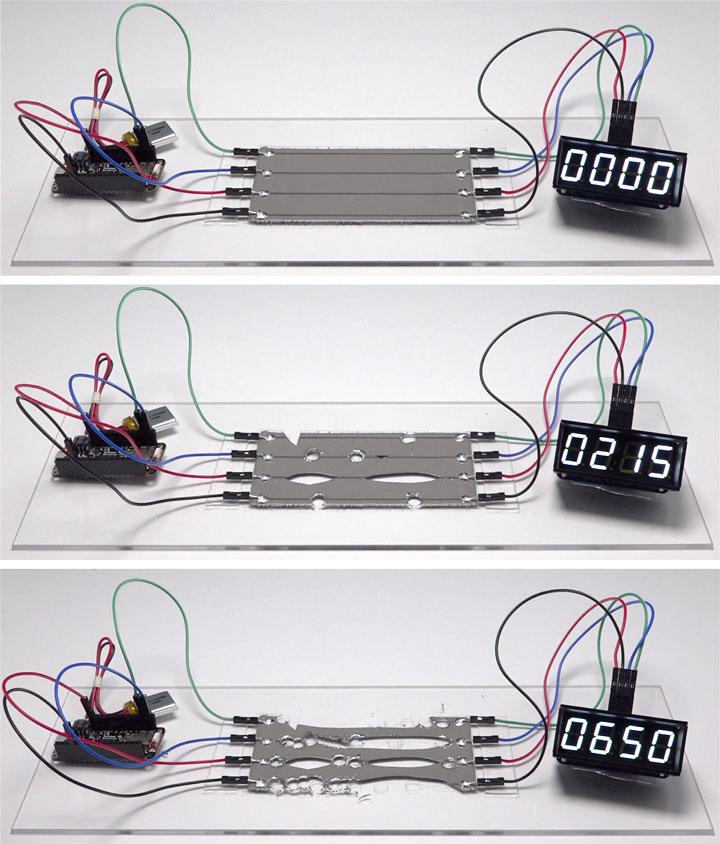
Despite promising progress, several technical challenges remain.
Manufacturing Costs
Advanced materials remain more expensive than conventional electronic components.
Repair Speed
Some self-healing processes require time or specific environmental conditions.
Long-Term Durability
Researchers continue evaluating how many repair cycles materials can withstand.
Scalability
Producing self-healing materials at commercial scale remains a significant engineering challenge.
Ongoing research aims to improve both performance and affordability.
The Future of Self-Healing Technology
Experts believe self-healing electronics will continue advancing over the next decade.
Future developments may include:
- More durable flexible displays
- Longer-lasting wearable devices
- Smarter medical sensors
- AI-assisted materials monitoring
- Improved industrial automation
- Advanced aerospace electronics
- Sustainable consumer products
Rather than making devices indestructible, self-healing technology aims to recover from minor damage before it develops into permanent failure.
Final Thoughts
Self-healing electronics represent an exciting step toward more durable and sustainable technology. By combining smart materials, nanotechnology, and advanced engineering, researchers are developing systems capable of repairing certain forms of damage without significant human intervention.
Although widespread commercial adoption remains several years away, progress in flexible materials and semiconductor research continues to accelerate. From smartphones and wearable devices to industrial sensors and spacecraft, self-healing electronics have the potential to improve reliability while reducing electronic waste and maintenance costs.
As technology continues evolving, future electronic devices may not simply become faster and more powerful—they may also become far more resilient. The ability for electronics to recover from everyday wear could become one of the defining innovations of the next generation of consumer and industrial technology.