

7
Image Alt Text
Image 1: A 3D digital twin model of a smart factory connected to real-time industrial data.
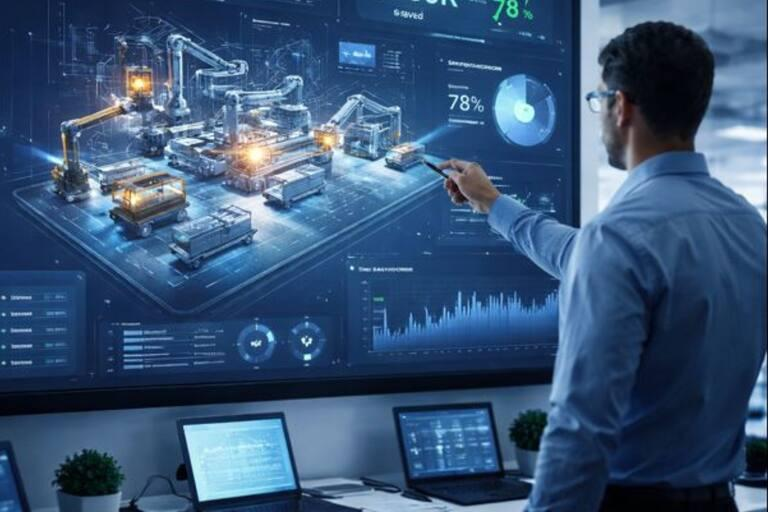
Image 2: Engineer analyzing a digital twin dashboard to monitor manufacturing performance.
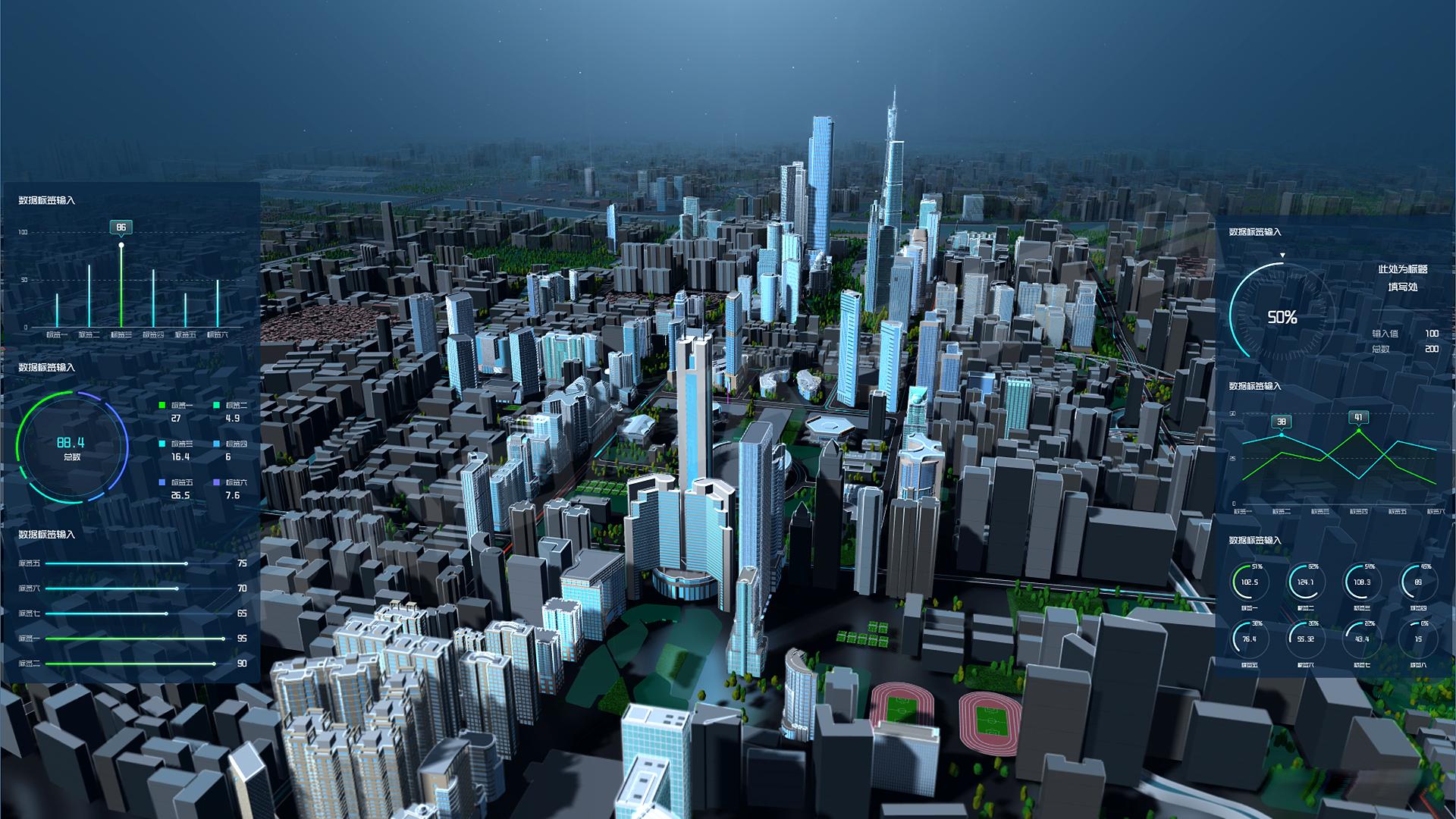
Image 3: Smart city digital twin simulation showing traffic, buildings, and infrastructure.
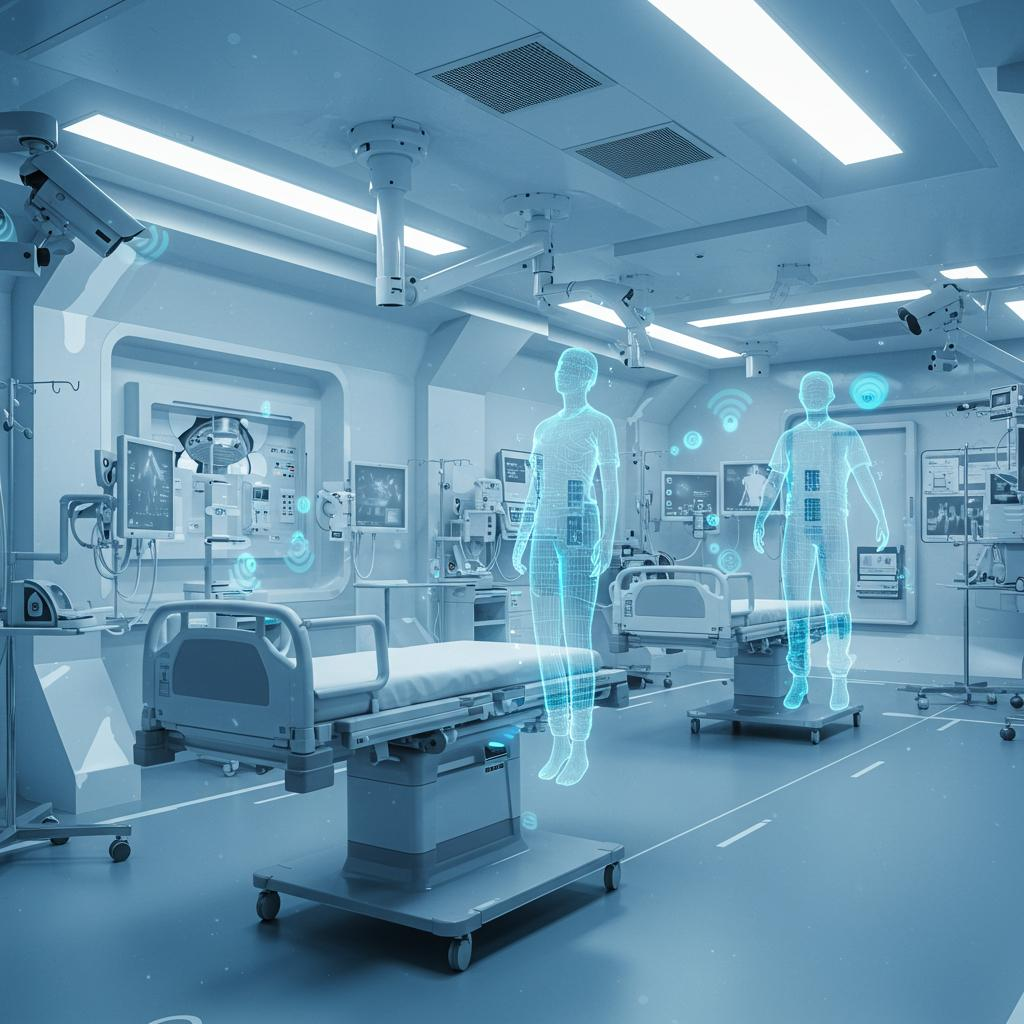
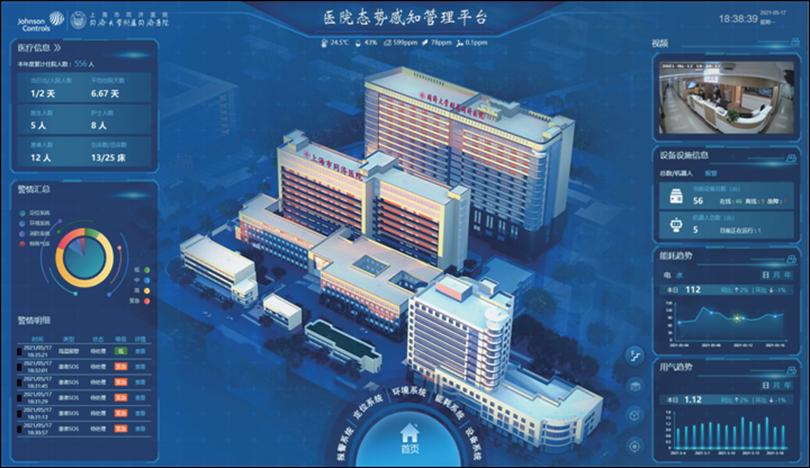
Image 4: Hospital using digital twin technology to monitor medical equipment and patient care systems.
Image 5: Wind turbine digital twin system predicting maintenance needs using AI analytics.
Image 6: Industrial IoT sensors collecting real-time operational data for digital twin platforms.
Image 7: Futuristic concept illustration showing AI-powered digital twin technology connecting physical and virtual worlds.
Digital Twins Are Transforming the World: How Virtual Replicas Are Revolutionizing Industry, Healthcare, and Smart Cities
Imagine having a virtual copy of a factory, hospital, aircraft, wind farm, or even an entire city that updates in real time as conditions change. Engineers could test improvements before making expensive physical changes. Doctors could monitor medical equipment more efficiently. City planners could predict traffic congestion before it happens. This is the promise of digital twin technology, one of the fastest-growing innovations in modern engineering and artificial intelligence.
A digital twin is far more than a simple 3D model. It is a dynamic virtual representation of a real-world object, machine, system, or environment that continuously receives data from sensors and connected devices. Powered by artificial intelligence (AI), the Internet of Things (IoT), cloud computing, and advanced analytics, digital twins help organizations simulate operations, detect problems, optimize performance, and make better decisions.
As businesses seek greater efficiency and governments invest in smarter infrastructure, digital twins are becoming an essential tool across industries ranging from manufacturing and healthcare to energy, transportation, and urban planning.
What Is a Digital Twin?
A digital twin is a digital model that mirrors a physical object or system throughout its lifecycle.
Unlike a static computer model, a digital twin is continuously updated with real-time information collected from sensors and connected devices.
A digital twin can represent:
- Individual machines
- Manufacturing equipment
- Buildings
- Power plants
- Vehicles
- Hospitals
- Airports
- Smart cities
- Supply chains
By combining live operational data with computer simulations, organizations can better understand how physical systems are performing.
How Digital Twins Work
Digital twins rely on several technologies working together.
Sensors
Physical assets are equipped with sensors that collect information such as:
- Temperature
- Pressure
- Speed
- Energy consumption
- Vibration
- Humidity
- Equipment status
Connectivity
The collected data is transmitted securely to cloud platforms or edge computing systems.
Artificial Intelligence
AI analyzes incoming information to detect patterns, predict failures, and recommend improvements.
Visualization
Engineers and operators can interact with detailed digital models through dashboards and simulation software.
This continuous feedback loop creates an accurate virtual representation of the real-world system.
Transforming Manufacturing
Manufacturing is one of the largest users of digital twin technology.
Factories use digital twins to:
- Monitor production lines
- Optimize workflows
- Detect equipment problems
- Predict maintenance needs
- Improve product quality
- Reduce downtime
Instead of waiting for machinery to fail, engineers can identify early warning signs and schedule maintenance before costly breakdowns occur.
This predictive approach helps improve productivity while reducing operational costs.
Building Smarter Cities
Urban planners are increasingly adopting digital twins to improve city management.
A smart city digital twin can integrate information from:
- Traffic systems
- Public transportation
- Energy grids
- Water networks
- Weather stations
- Air quality monitors
- Emergency services
City officials can use simulations to evaluate infrastructure projects, optimize traffic flow, and improve emergency response planning.
Digital twins also support sustainability initiatives by helping cities monitor energy usage and environmental conditions.
Healthcare Applications
Digital twins are expanding into healthcare in several innovative ways.
Hospitals use digital twins to monitor:
- Medical equipment
- Building operations
- Patient flow
- Energy systems
Researchers are also exploring personalized digital twins that model aspects of human physiology to support medical research and treatment planning. While these applications remain under active development, they illustrate the growing potential of digital twin technology in healthcare.
Energy and Renewable Infrastructure
Power companies use digital twins to improve the reliability of energy systems.
Applications include:
- Wind turbines
- Solar farms
- Electrical grids
- Hydroelectric facilities
- Battery storage systems
By analyzing real-time operating conditions, digital twins help optimize energy production while reducing maintenance costs.
For renewable energy operators, predictive maintenance can minimize downtime and maximize electricity generation.
Transportation and Aviation
The transportation industry benefits from digital twins in multiple ways.
Airlines use them to monitor aircraft performance.
Rail operators analyze locomotive systems.
Logistics companies optimize fleet operations.
Automotive manufacturers simulate vehicle performance before production begins.
Digital twins allow engineers to evaluate designs under many different conditions without building multiple physical prototypes.
Supporting Sustainability
Organizations worldwide are under pressure to reduce waste and improve environmental performance.
Digital twins help support sustainability by:
- Optimizing energy consumption
- Reducing material waste
- Extending equipment lifespan
- Improving maintenance planning
- Lowering emissions through operational efficiency
Because simulations allow testing before implementation, companies can evaluate environmentally friendly solutions with reduced financial risk.
Challenges Facing Digital Twin Technology
Although digital twins offer significant advantages, implementation can be complex.
Data Quality
Accurate simulations require reliable sensor data.
Cybersecurity
Connected systems must be protected against unauthorized access and cyber threats.
High Initial Investment
Developing digital twin infrastructure often requires substantial investment in sensors, networking, software, and cloud services.
Integration
Many organizations continue operating older equipment that was not originally designed for digital connectivity.
Careful planning is necessary to integrate legacy systems into modern digital platforms.
The Future of Digital Twins
Industry experts expect digital twins to become increasingly sophisticated over the coming years.
Future developments may include:
- AI-driven autonomous optimization
- More realistic simulations
- Integration with augmented reality
- Advanced robotics coordination
- Personalized healthcare modeling
- Smarter supply chain management
- Climate resilience planning
As sensor technology and AI continue improving, digital twins are expected to become even more accurate and valuable.
Why Digital Twins Matter
Digital twin technology enables organizations to make decisions based on real-time data rather than assumptions alone.
Instead of reacting to failures after they occur, businesses can anticipate problems before they disrupt operations.
This shift from reactive to predictive management improves efficiency, lowers costs, enhances safety, and supports long-term sustainability.
Whether monitoring factories, hospitals, transportation systems, or entire cities, digital twins provide a powerful new way to understand and improve complex environments.
Final Thoughts
Digital twins are rapidly becoming one of the most influential technologies in the digital transformation era. By creating intelligent virtual replicas of physical systems, organizations gain unprecedented visibility into operations, enabling smarter planning, predictive maintenance, and continuous optimization.
As artificial intelligence, IoT devices, cloud computing, and advanced simulations continue to evolve, digital twins will become even more capable and widely adopted. Their applications already span manufacturing, healthcare, transportation, energy, and urban development, with many new use cases emerging every year.
The future of digital innovation will increasingly depend on technologies that connect the physical and digital worlds. Digital twins are leading that transformation, helping industries build safer, more efficient, and more sustainable systems for the decades ahead.