

8
Image Alt Text
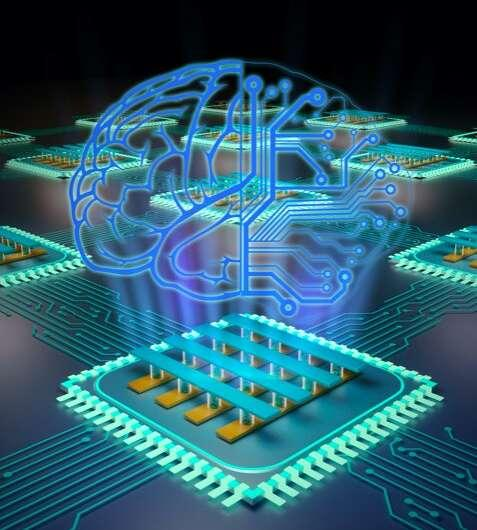
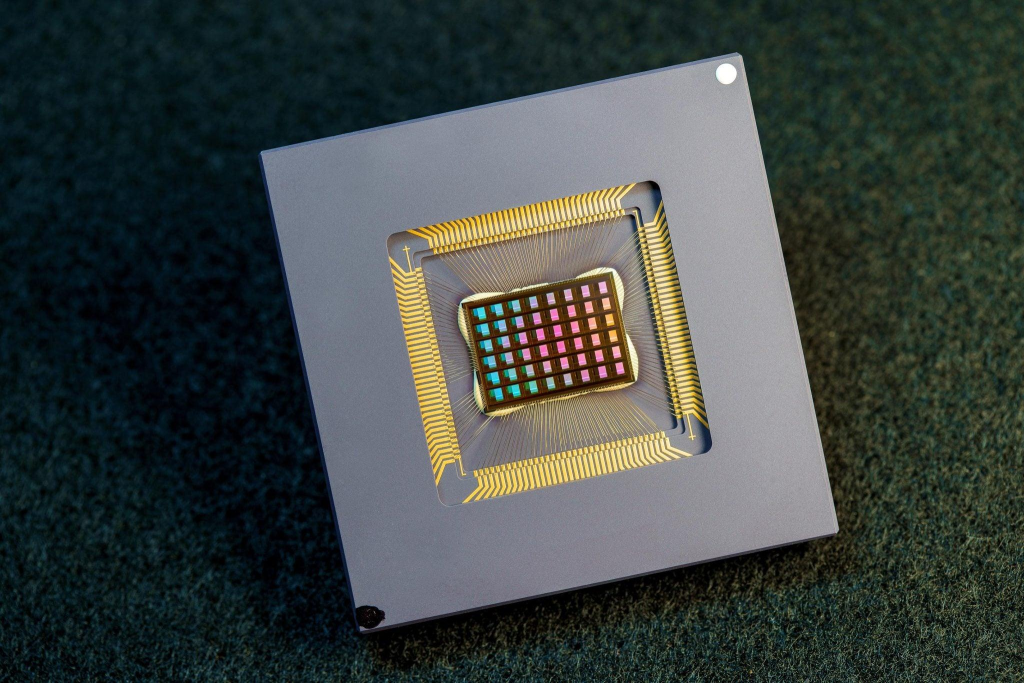
Image 1: Close-up of a next-generation neuromorphic computer chip designed for AI applications.
Image 2: Scientists researching advanced semiconductor technology in a high-tech laboratory.
Image 3: Illustration comparing the human brain with a neuromorphic computing processor.
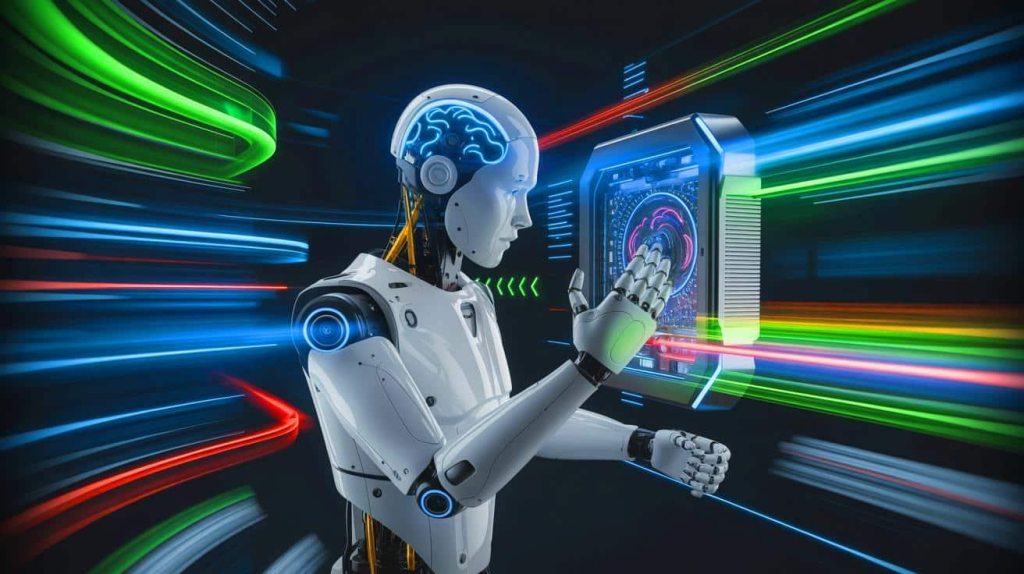
Image 4: Autonomous robot powered by brain-inspired artificial intelligence hardware.
Image 5: Edge AI device using an energy-efficient neuromorphic processor.
Image 6: Modern data center equipped with advanced AI computing hardware.
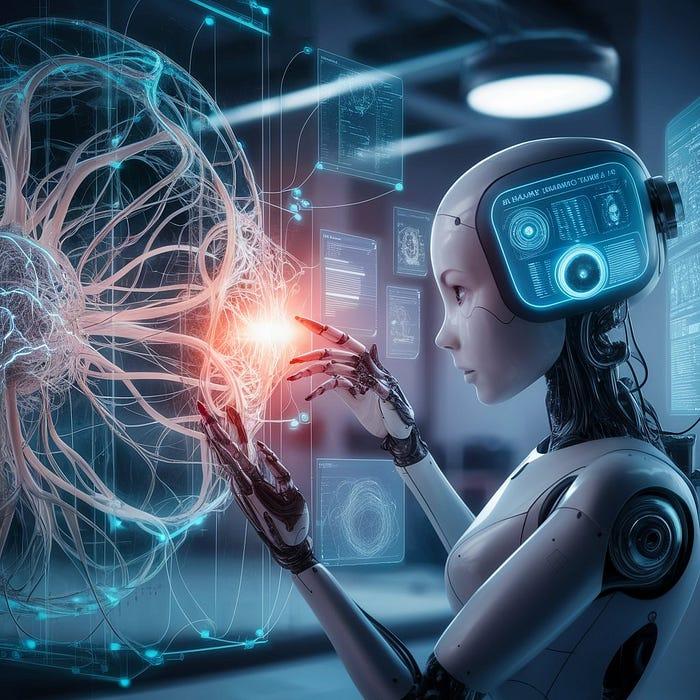
Image 7: Digital visualization of neural networks connecting the human brain with future computing systems.
Neuromorphic Computing Could Be the Biggest Breakthrough Since AI: How Brain-Inspired Chips Are Shaping the Future of Computing
Artificial intelligence has transformed industries ranging from healthcare and finance to transportation and manufacturing. Yet as AI models continue to grow in size and complexity, traditional computer hardware faces increasing challenges. Training and running advanced machine learning systems require enormous amounts of electricity, powerful processors, and sophisticated cooling systems. These demands have encouraged researchers to explore entirely new ways of designing computers.
One of the most promising developments is neuromorphic computing—a field of computer engineering inspired by the structure and operation of the human brain. Instead of processing information through conventional architectures, neuromorphic systems attempt to mimic how biological neurons communicate, learn, and adapt.
Although still in the research and early commercial stages, neuromorphic computing has the potential to dramatically improve energy efficiency while enabling faster, smarter, and more adaptive artificial intelligence. Experts believe this technology could become a key component of future robotics, autonomous vehicles, edge AI devices, smart sensors, and next-generation computing systems.
What Is Neuromorphic Computing?
Neuromorphic computing is an approach to computer design that models certain characteristics of biological nervous systems.
Traditional computers process instructions sequentially using separate memory and processing units. By contrast, neuromorphic chips are designed with networks of artificial neurons and synapses that can process information in parallel, more closely resembling the way the human brain operates.
Instead of executing one instruction after another, these chips allow many operations to occur simultaneously, making them well suited for AI tasks involving perception, pattern recognition, and decision-making.
How the Human Brain Inspires Technology
The human brain contains approximately 86 billion neurons connected through trillions of synapses. These neurons communicate using tiny electrical impulses, enabling rapid learning while consuming remarkably little energy.
Neuromorphic engineers seek to replicate several key characteristics of the brain:
- Parallel information processing
- Event-driven communication
- Continuous learning
- Efficient memory usage
- Low power consumption
- Adaptive behavior
While modern chips cannot replicate the complexity of the brain, they incorporate design principles that improve efficiency for specific AI workloads.
How Neuromorphic Chips Work
Unlike conventional processors that operate according to fixed clock cycles, neuromorphic chips often use spiking neural networks (SNNs).
In these systems:
- Artificial neurons remain inactive until meaningful information arrives.
- Neurons exchange electrical-like spikes only when necessary.
- Networks strengthen or weaken virtual connections through learning algorithms.
- Information flows efficiently without constant computation.
Because calculations occur only when relevant events happen, energy consumption can be significantly reduced compared with traditional processors.
Why Energy Efficiency Matters
One of the greatest advantages of neuromorphic computing is its potential to reduce electricity consumption.
Today’s large AI systems often require extensive computing infrastructure and cooling.
Neuromorphic processors may provide benefits such as:
- Lower power usage
- Reduced heat generation
- Longer battery life
- Smaller hardware requirements
- Faster local processing
These improvements are especially valuable for portable devices, robotics, drones, and remote sensors where energy resources are limited.
Applications in Artificial Intelligence
Neuromorphic hardware is particularly well suited for AI applications that require rapid responses.
Potential uses include:
- Image recognition
- Speech recognition
- Natural language processing
- Gesture detection
- Pattern recognition
- Autonomous navigation
Because these systems process information efficiently, they can support intelligent behavior without relying entirely on cloud computing.
Powering the Next Generation of Robotics
Robots operating in real-world environments must continuously interpret sensor data and respond quickly.
Neuromorphic computing could enable robots to:
- Recognize objects more efficiently
- Navigate unfamiliar environments
- Avoid obstacles
- Learn from experience
- Respond to changing conditions
Energy-efficient processing also extends operating time for mobile robots and autonomous machines.
Supporting Edge AI
Edge AI involves processing information directly on local devices instead of sending everything to cloud servers.
Neuromorphic chips complement Edge AI by providing intelligent processing with minimal energy consumption.
Possible applications include:
- Smart security cameras
- Industrial sensors
- Wearable devices
- Agricultural monitoring
- Smart home systems
- Medical monitoring equipment
Local AI processing reduces delays while improving privacy and reliability.
Potential Benefits for Autonomous Vehicles
Self-driving systems require continuous interpretation of information from cameras, radar, lidar, and other sensors.
Neuromorphic processors may help autonomous vehicles:
- Detect pedestrians
- Identify road signs
- Track moving objects
- Recognize traffic conditions
- React more quickly to unexpected events
Although autonomous vehicles continue to rely on multiple computing technologies, neuromorphic hardware may contribute to future improvements in efficiency and responsiveness.
Challenges Facing Neuromorphic Computing
Despite its promise, neuromorphic computing remains an emerging technology.
Several challenges remain:
Software Development
Most AI software today is designed for traditional processors rather than neuromorphic hardware.
Programming Complexity
Developers require specialized tools and algorithms to build applications using spiking neural networks.
Manufacturing
Producing advanced neuromorphic chips involves sophisticated semiconductor engineering.
Limited Commercial Adoption
Most neuromorphic systems remain in research laboratories or specialized pilot projects.
Continued investment is helping accelerate progress across both hardware and software development.

The Future of Brain-Inspired Computing
Researchers expect neuromorphic technology to become increasingly capable over the next decade.
Future developments may include:
- Smarter robots
- More efficient AI accelerators
- Advanced wearable devices
- Intelligent industrial automation
- Autonomous drones
- Next-generation medical devices
- Low-power data processing
- Improved edge computing systems
Rather than replacing conventional processors entirely, neuromorphic chips are likely to complement existing hardware by handling AI tasks that benefit from brain-inspired architectures.
Why This Technology Matters
As AI becomes integrated into nearly every industry, demand for faster and more efficient computing continues to rise.
Traditional hardware has achieved remarkable performance gains, but increasing energy consumption presents growing challenges. Neuromorphic computing offers a new direction by rethinking how computers process information.
Instead of simply making today’s chips faster, engineers are exploring architectures that fundamentally change the relationship between computation, memory, and learning. This approach could enable intelligent systems that are both more capable and more sustainable.
Final Thoughts
Neuromorphic computing represents one of the most exciting frontiers in computer engineering. By drawing inspiration from the remarkable efficiency of the human brain, researchers are developing processors capable of supporting advanced artificial intelligence while consuming far less energy than many traditional systems.
Although widespread commercial adoption will take time, progress in semiconductor technology, neuroscience, and machine learning continues to accelerate the field. From robotics and autonomous vehicles to wearable devices and edge AI, neuromorphic chips have the potential to transform how intelligent systems operate in the years ahead.
As demand for smarter, faster, and more energy-efficient computing grows, brain-inspired hardware may become one of the defining technologies of the next generation of artificial intelligence.