Tag: Edge AI

  • Neuromorphic Computing Explained: How Brain-Inspired Chips Could Transform AI

    Neuromorphic Computing Explained: How Brain-Inspired Chips Could Transform AI

    https://images.openai.com/static-rsc-4/SWeuVgLt4HEf5ugHl5ECTdlwFhZyEMznc9DwnPBwmjGyKPo6vm8dXgyTkwCc0-CkwvQcwRK65VFs27O8oUqyInizzESiGrJ9h8ODEjFcjnidOsgnufl_z7_GBoJ9pMvRHli_T4gJMT697gCevq3AoEgAh7bg5sY7lLUITJAzQDqrKOMJCtWDaqbLzto0Lxx5?purpose=fullsize
    https://images.openai.com/static-rsc-4/UM2KK9eWVFaulAuTqbnFBvU9d7onqds-z731658uATqvTJRCDG9FiCyQoJZB3OS9vhLqWVV0VKPBbria_9DJ7q9ZVf6KsDkV2VyUaXUR6KOKX3q4ghK2eS0Hk6jyp5sIiDaEOK6N3DA42jd-D18y5jV3PoAkVOx3vGbYE9i4YdtEAQj44CxiYlhwgG5q3J-R?purpose=fullsize
    https://images.openai.com/static-rsc-4/3R5Aj3VT19PpgrLDn70JAZt0yMd1DKZe0SNcLbweuTSi-ePmkv2ifXPS7QA-W5AilBfNWqeHGBgcJ9sJUkskZOgaT3uDr5JLlKuPeLONaplZaW7xJpwT7pugv3MhmX-aw7Qn39ZFQV1j49w4pjRX2l8eyOHj64Zzy9AoJyxS2yfVLJXzfU1sMOrW7s1hNDRV?purpose=fullsize

    8

    Image Alt Text

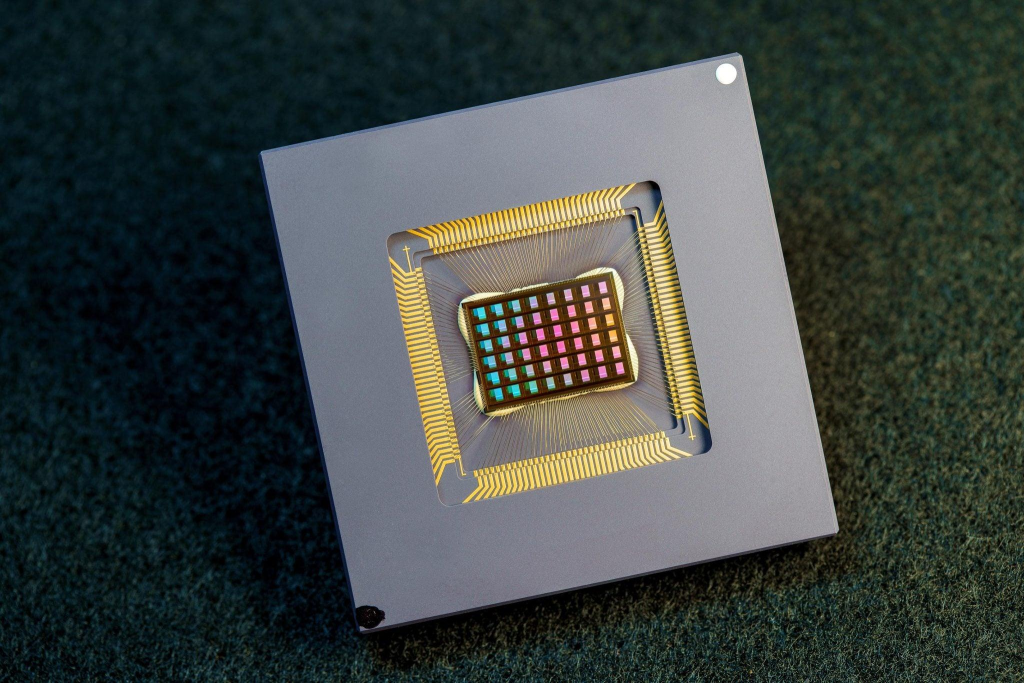
    Image 1: Close-up of a next-generation neuromorphic computer chip designed for AI applications.

    Image 2: Scientists researching advanced semiconductor technology in a high-tech laboratory.

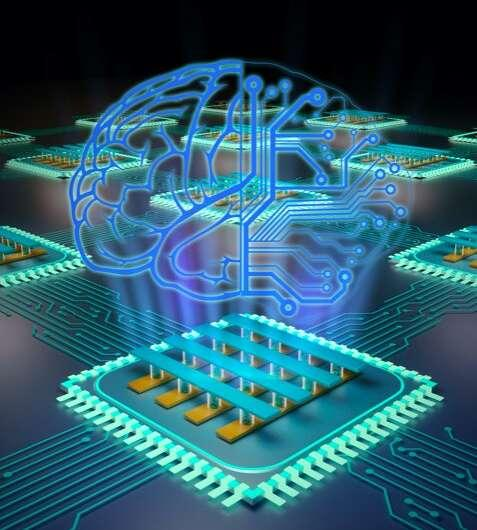
    Image 3: Illustration comparing the human brain with a neuromorphic computing processor.

    Image 4: Autonomous robot powered by brain-inspired artificial intelligence hardware.

    Image 5: Edge AI device using an energy-efficient neuromorphic processor.

    Image 6: Modern data center equipped with advanced AI computing hardware.

    Image 7: Digital visualization of neural networks connecting the human brain with future computing systems.


    Neuromorphic Computing Could Be the Biggest Breakthrough Since AI: How Brain-Inspired Chips Are Shaping the Future of Computing

    Artificial intelligence has transformed industries ranging from healthcare and finance to transportation and manufacturing. Yet as AI models continue to grow in size and complexity, traditional computer hardware faces increasing challenges. Training and running advanced machine learning systems require enormous amounts of electricity, powerful processors, and sophisticated cooling systems. These demands have encouraged researchers to explore entirely new ways of designing computers.

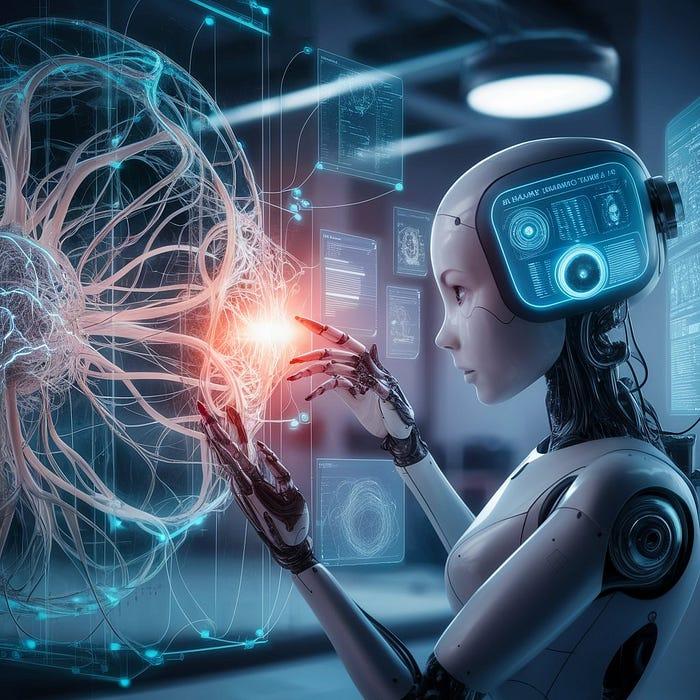
    One of the most promising developments is neuromorphic computing—a field of computer engineering inspired by the structure and operation of the human brain. Instead of processing information through conventional architectures, neuromorphic systems attempt to mimic how biological neurons communicate, learn, and adapt.

    Although still in the research and early commercial stages, neuromorphic computing has the potential to dramatically improve energy efficiency while enabling faster, smarter, and more adaptive artificial intelligence. Experts believe this technology could become a key component of future robotics, autonomous vehicles, edge AI devices, smart sensors, and next-generation computing systems.


    What Is Neuromorphic Computing?

    Neuromorphic computing is an approach to computer design that models certain characteristics of biological nervous systems.

    Traditional computers process instructions sequentially using separate memory and processing units. By contrast, neuromorphic chips are designed with networks of artificial neurons and synapses that can process information in parallel, more closely resembling the way the human brain operates.

    Instead of executing one instruction after another, these chips allow many operations to occur simultaneously, making them well suited for AI tasks involving perception, pattern recognition, and decision-making.


    How the Human Brain Inspires Technology

    The human brain contains approximately 86 billion neurons connected through trillions of synapses. These neurons communicate using tiny electrical impulses, enabling rapid learning while consuming remarkably little energy.

    Neuromorphic engineers seek to replicate several key characteristics of the brain:

    • Parallel information processing
    • Event-driven communication
    • Continuous learning
    • Efficient memory usage
    • Low power consumption
    • Adaptive behavior

    While modern chips cannot replicate the complexity of the brain, they incorporate design principles that improve efficiency for specific AI workloads.


    How Neuromorphic Chips Work

    Unlike conventional processors that operate according to fixed clock cycles, neuromorphic chips often use spiking neural networks (SNNs).

    In these systems:

    1. Artificial neurons remain inactive until meaningful information arrives.
    2. Neurons exchange electrical-like spikes only when necessary.
    3. Networks strengthen or weaken virtual connections through learning algorithms.
    4. Information flows efficiently without constant computation.

    Because calculations occur only when relevant events happen, energy consumption can be significantly reduced compared with traditional processors.


    Why Energy Efficiency Matters

    One of the greatest advantages of neuromorphic computing is its potential to reduce electricity consumption.

    Today’s large AI systems often require extensive computing infrastructure and cooling.

    Neuromorphic processors may provide benefits such as:

    • Lower power usage
    • Reduced heat generation
    • Longer battery life
    • Smaller hardware requirements
    • Faster local processing

    These improvements are especially valuable for portable devices, robotics, drones, and remote sensors where energy resources are limited.


    Applications in Artificial Intelligence

    Neuromorphic hardware is particularly well suited for AI applications that require rapid responses.

    Potential uses include:

    • Image recognition
    • Speech recognition
    • Natural language processing
    • Gesture detection
    • Pattern recognition
    • Autonomous navigation

    Because these systems process information efficiently, they can support intelligent behavior without relying entirely on cloud computing.

    Powering the Next Generation of Robotics

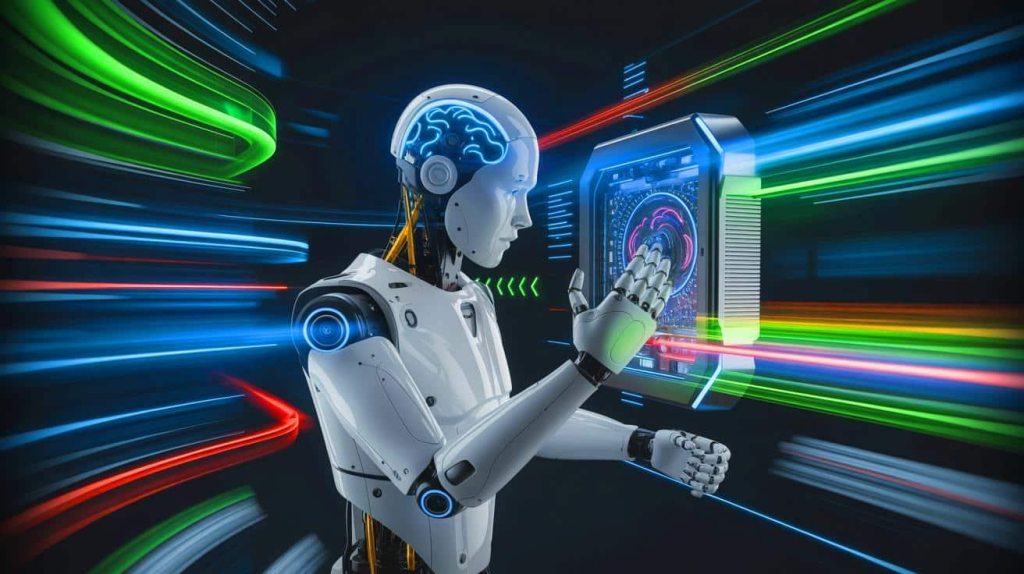
    Robots operating in real-world environments must continuously interpret sensor data and respond quickly.

    Neuromorphic computing could enable robots to:

    • Recognize objects more efficiently
    • Navigate unfamiliar environments
    • Avoid obstacles
    • Learn from experience
    • Respond to changing conditions

    Energy-efficient processing also extends operating time for mobile robots and autonomous machines.


    Supporting Edge AI

    Edge AI involves processing information directly on local devices instead of sending everything to cloud servers.

    Neuromorphic chips complement Edge AI by providing intelligent processing with minimal energy consumption.

    Possible applications include:

    • Smart security cameras
    • Industrial sensors
    • Wearable devices
    • Agricultural monitoring
    • Smart home systems
    • Medical monitoring equipment

    Local AI processing reduces delays while improving privacy and reliability.


    Potential Benefits for Autonomous Vehicles

    Self-driving systems require continuous interpretation of information from cameras, radar, lidar, and other sensors.

    Neuromorphic processors may help autonomous vehicles:

    • Detect pedestrians
    • Identify road signs
    • Track moving objects
    • Recognize traffic conditions
    • React more quickly to unexpected events

    Although autonomous vehicles continue to rely on multiple computing technologies, neuromorphic hardware may contribute to future improvements in efficiency and responsiveness.

    Challenges Facing Neuromorphic Computing

    Despite its promise, neuromorphic computing remains an emerging technology.

    Several challenges remain:

    Software Development

    Most AI software today is designed for traditional processors rather than neuromorphic hardware.

    Programming Complexity

    Developers require specialized tools and algorithms to build applications using spiking neural networks.

    Manufacturing

    Producing advanced neuromorphic chips involves sophisticated semiconductor engineering.

    Limited Commercial Adoption

    Most neuromorphic systems remain in research laboratories or specialized pilot projects.

    Continued investment is helping accelerate progress across both hardware and software development.


    The Future of Brain-Inspired Computing

    Researchers expect neuromorphic technology to become increasingly capable over the next decade.

    Future developments may include:

    • Smarter robots
    • More efficient AI accelerators
    • Advanced wearable devices
    • Intelligent industrial automation
    • Autonomous drones
    • Next-generation medical devices
    • Low-power data processing
    • Improved edge computing systems

    Rather than replacing conventional processors entirely, neuromorphic chips are likely to complement existing hardware by handling AI tasks that benefit from brain-inspired architectures.


    Why This Technology Matters

    As AI becomes integrated into nearly every industry, demand for faster and more efficient computing continues to rise.

    Traditional hardware has achieved remarkable performance gains, but increasing energy consumption presents growing challenges. Neuromorphic computing offers a new direction by rethinking how computers process information.

    Instead of simply making today’s chips faster, engineers are exploring architectures that fundamentally change the relationship between computation, memory, and learning. This approach could enable intelligent systems that are both more capable and more sustainable.


    Final Thoughts

    Neuromorphic computing represents one of the most exciting frontiers in computer engineering. By drawing inspiration from the remarkable efficiency of the human brain, researchers are developing processors capable of supporting advanced artificial intelligence while consuming far less energy than many traditional systems.

    Although widespread commercial adoption will take time, progress in semiconductor technology, neuroscience, and machine learning continues to accelerate the field. From robotics and autonomous vehicles to wearable devices and edge AI, neuromorphic chips have the potential to transform how intelligent systems operate in the years ahead.

    As demand for smarter, faster, and more energy-efficient computing grows, brain-inspired hardware may become one of the defining technologies of the next generation of artificial intelligence.
  • Edge AI Explained: Why Local Artificial Intelligence Is Transforming Smart Devices

    Edge AI Explained: Why Local Artificial Intelligence Is Transforming Smart Devices

    🔥 Viral Title

    Edge AI Is the Next Big Tech Revolution: Why Smart Devices Are Becoming Faster, Safer, and More Intelligent


    Image
    Image
    Image
    Image
    Image
    Image
    Image

    Image Alt Text

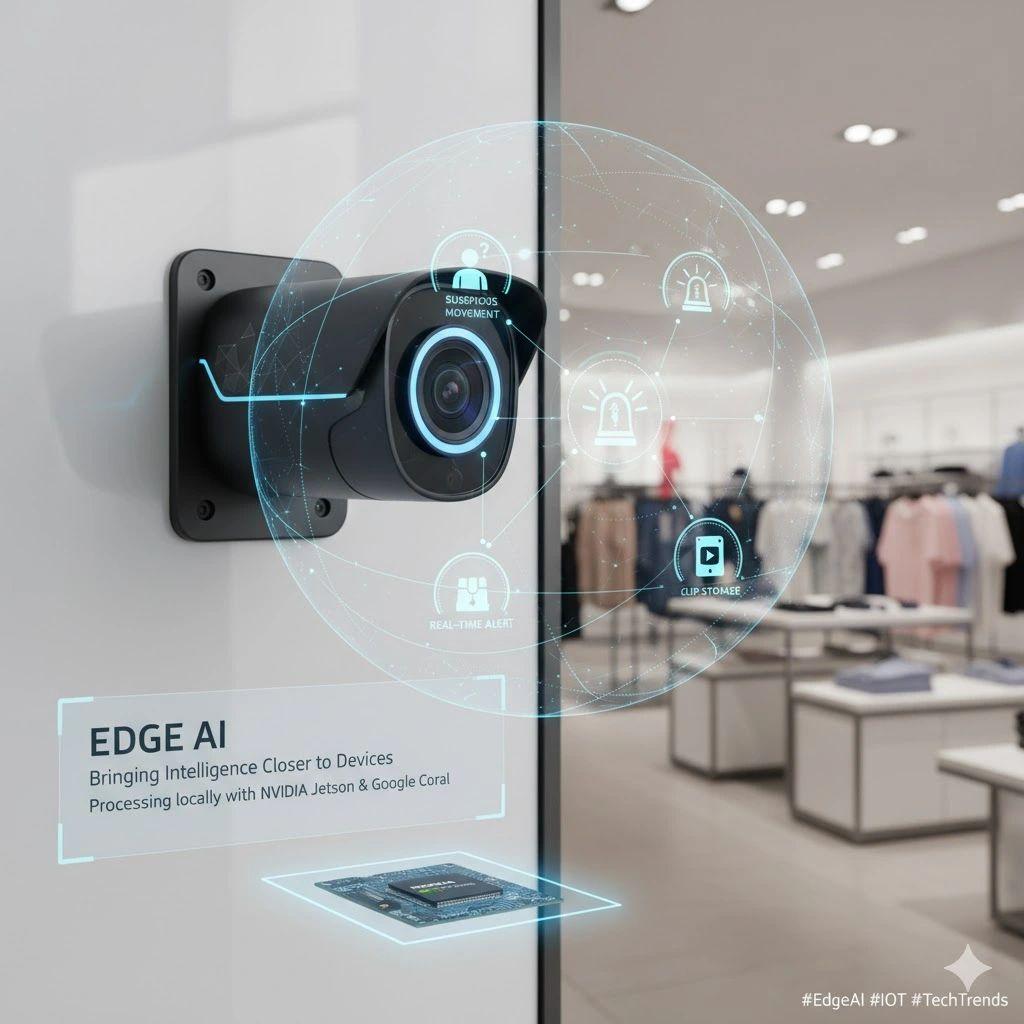
    Image 1: AI-powered smart security camera processing video locally with edge computing.

    Image 2: Engineers developing advanced edge AI semiconductor chips in a research laboratory.

    Image 3: Smart factory using edge AI to automate manufacturing and monitor equipment.

    Image 4: Autonomous delivery robot navigating city streets using edge artificial intelligence.

    Image 5: Wearable health monitoring device with built-in AI processing capabilities.

    Image 6: Smart home devices connected through edge AI technology for faster automation.

    Image 7: Futuristic illustration of edge AI connecting intelligent devices across a digital ecosystem.


    Edge AI Is the Next Big Tech Revolution: Why Smart Devices Are Becoming Faster, Safer, and More Intelligent

    Artificial intelligence has rapidly become one of the most influential technologies of the modern era. From virtual assistants and recommendation systems to autonomous vehicles and smart factories, AI is transforming industries around the world. Much of this progress has been powered by cloud computing, where data is sent to remote servers for processing before results are returned to users.

    However, a new approach is gaining momentum—Edge AI. Instead of sending every piece of information to distant data centers, Edge AI enables devices to process data locally, right where it is generated. This shift reduces delays, improves privacy, lowers bandwidth requirements, and allows intelligent systems to respond almost instantly.

    From smartphones and wearable health monitors to industrial robots and autonomous drones, Edge AI is helping create a new generation of faster, smarter, and more reliable devices. As computing hardware becomes more powerful and energy efficient, many experts believe Edge AI will become one of the defining technologies of the next decade.


    What Is Edge AI?

    Edge AI combines artificial intelligence with edge computing, allowing AI models to run directly on local devices rather than relying entirely on cloud servers.

    An “edge device” can be almost any connected product, including:

    • Smartphones
    • Smart cameras
    • Security systems
    • Medical devices
    • Factory equipment
    • Autonomous robots
    • Smart speakers
    • Wearable fitness trackers
    • Connected vehicles

    Instead of transmitting raw data to a remote server, the device analyzes information locally using built-in AI processors.

    This enables much faster decision-making while reducing dependence on constant internet connectivity.


    How Edge AI Works

    A typical Edge AI system follows several steps:

    1. Sensors collect information from the surrounding environment.
    2. Built-in processors analyze the data using AI algorithms.
    3. The device immediately determines the appropriate response.
    4. Only selected information may be sent to the cloud for storage, updates, or long-term analysis.

    This local processing dramatically reduces the time required to complete many AI tasks.

    For example, a smart security camera can recognize a person approaching a front door without continuously uploading video footage to remote servers.


    Why Speed Matters

    One of the greatest advantages of Edge AI is low latency.

    Cloud-based AI often requires data to travel across the internet before processing begins. Even small delays can become significant for applications requiring immediate responses.

    Edge AI minimizes this delay by performing calculations directly on the device.

    Real-time processing is especially valuable for:

    • Autonomous vehicles
    • Industrial automation
    • Medical monitoring
    • Smart manufacturing
    • Robotics
    • Drone navigation

    In these situations, even a fraction of a second can make a meaningful difference.


    Improving Privacy and Security

    Privacy is becoming increasingly important as more devices collect personal information.

    Edge AI helps protect user privacy by processing much of that information locally instead of sending everything to external servers.

    Examples include:

    • Facial recognition performed on a smartphone.
    • Voice commands processed inside a smart speaker.
    • Health data analyzed on wearable devices.
    • Home security cameras identifying familiar faces without uploading continuous video streams.

    Keeping sensitive information closer to the user reduces exposure while supporting stronger data protection strategies.


    Transforming Smart Homes

    Modern homes contain growing numbers of connected devices.

    Edge AI enables smart home systems to respond more quickly and intelligently.

    Examples include:

    • Security cameras recognizing visitors.
    • Smart thermostats adjusting temperatures automatically.
    • Lighting systems responding to occupancy.
    • Voice assistants understanding commands faster.
    • Smart appliances optimizing energy use.

    Because processing occurs locally, many features continue working even when internet connectivity is temporarily unavailable.


    Healthcare Applications

    Healthcare is another field benefiting from Edge AI.

    Wearable devices can monitor heart rate, sleep quality, blood oxygen levels, and physical activity while analyzing information directly on the device.

    Potential applications include:

    • Detecting irregular heart rhythms.
    • Monitoring chronic conditions.
    • Supporting elderly care.
    • Providing fitness insights.
    • Alerting users to unusual health patterns.

    By processing data locally, wearable devices can deliver immediate feedback while helping reduce unnecessary network traffic.


    Industrial Automation

    Factories are increasingly adopting Edge AI to improve productivity and reliability.

    Smart manufacturing systems use connected sensors to monitor equipment in real time.

    AI algorithms can:

    • Detect unusual vibrations.
    • Predict maintenance needs.
    • Identify production defects.
    • Optimize energy consumption.
    • Improve worker safety.
    • Reduce equipment downtime.

    These capabilities help manufacturers improve efficiency while minimizing unexpected production interruptions.


    Smarter Transportation

    Vehicles are becoming increasingly connected and intelligent.

    Many advanced driver-assistance systems rely on Edge AI to process information from cameras, radar, and sensors almost instantly.

    Examples include:

    • Automatic emergency braking.
    • Lane-keeping assistance.
    • Pedestrian detection.
    • Traffic sign recognition.
    • Adaptive cruise control.

    Because these systems must react within milliseconds, local AI processing is essential.

    Future autonomous transportation systems are also expected to rely heavily on Edge AI technologies.


    Challenges Facing Edge AI

    Although Edge AI offers significant advantages, several challenges remain.

    Hardware Limitations

    Small devices have limited processing power and battery capacity compared with large cloud data centers.

    Software Optimization

    AI models must be carefully designed to operate efficiently on compact hardware.

    Security

    Local devices still require strong protection against unauthorized access and cyber threats.

    Updates

    Manufacturers must provide secure software updates to ensure devices continue improving over time.

    Researchers continue developing specialized AI chips that deliver higher performance while consuming less energy.


    The Future of Edge AI

    Experts expect Edge AI to become increasingly common across both consumer and industrial applications.

    Future developments may include:

    • More powerful AI processors.
    • Longer battery life.
    • Improved energy efficiency.
    • Greater support for robotics.
    • Expanded smart city infrastructure.
    • Smarter wearable devices.
    • Advanced autonomous machines.
    • Better collaboration between cloud and edge computing.

    Rather than replacing cloud computing, Edge AI is expected to complement it by performing time-sensitive tasks locally while leaving large-scale analysis to cloud platforms.


    Final Thoughts

    Edge AI is reshaping the future of intelligent technology by bringing artificial intelligence closer to where data is created. This approach enables devices to make faster decisions, improve privacy, reduce internet dependence, and deliver more responsive user experiences.

    From healthcare and manufacturing to transportation and smart homes, Edge AI is already demonstrating its potential to transform everyday life. As specialized processors continue improving and AI software becomes more efficient, the number of intelligent edge devices is expected to grow rapidly.

    The next wave of innovation will not depend solely on larger cloud data centers. Instead, it will increasingly rely on billions of smart devices capable of thinking, analyzing, and responding locally. Edge AI represents an important step toward a future where intelligence is embedded seamlessly into the technology people use every day.