

7
Image Alt Text
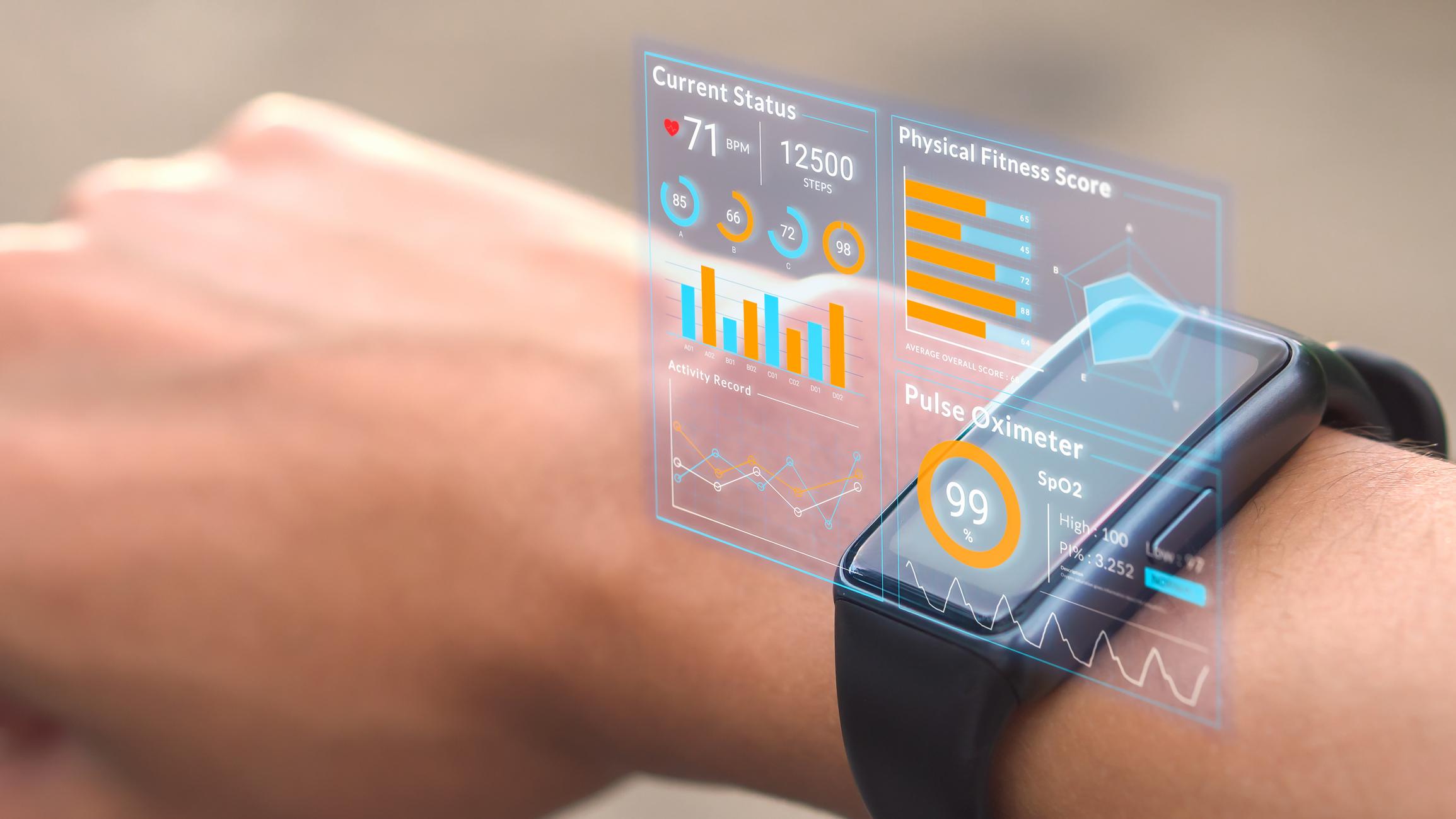
Image 1: AI-powered smartwatch displaying real-time heart rate and wellness metrics.
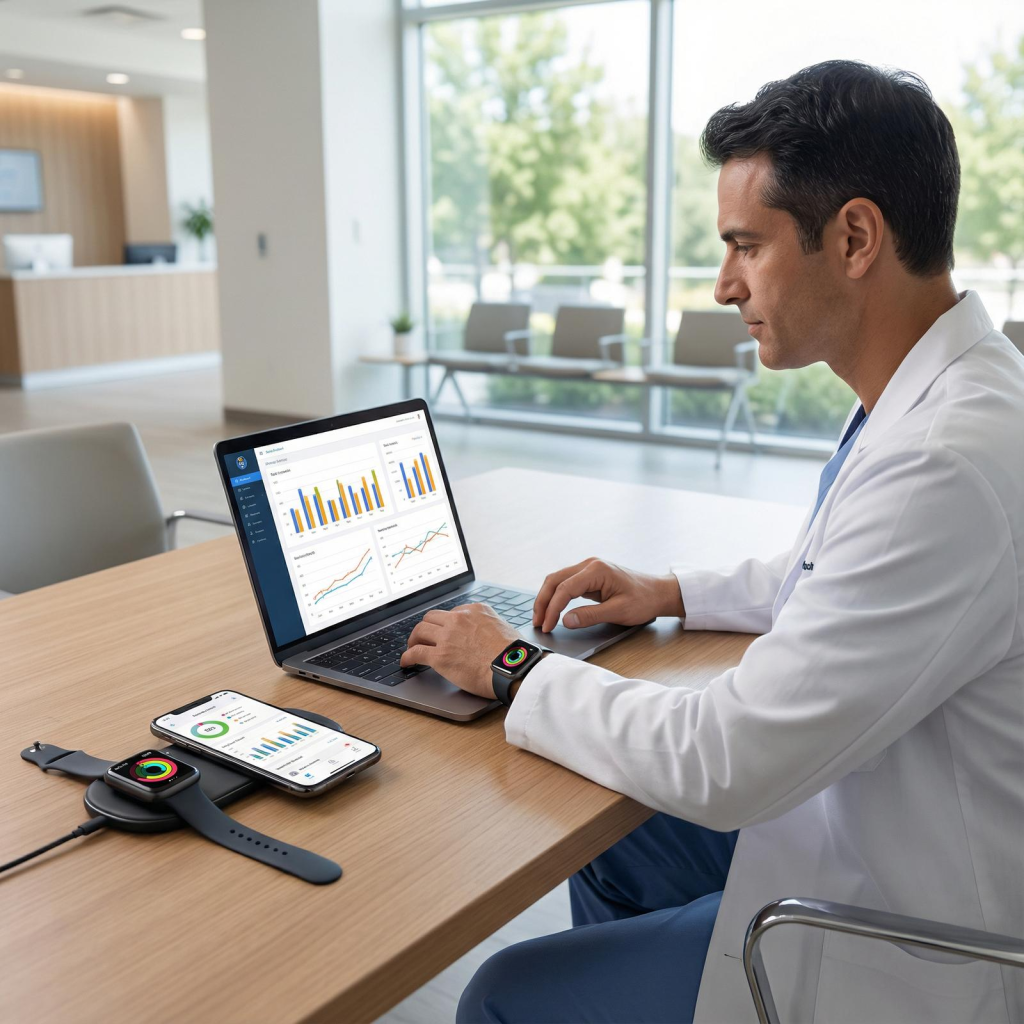
Image 2: Smart fitness tracker analyzing health and activity data during exercise.
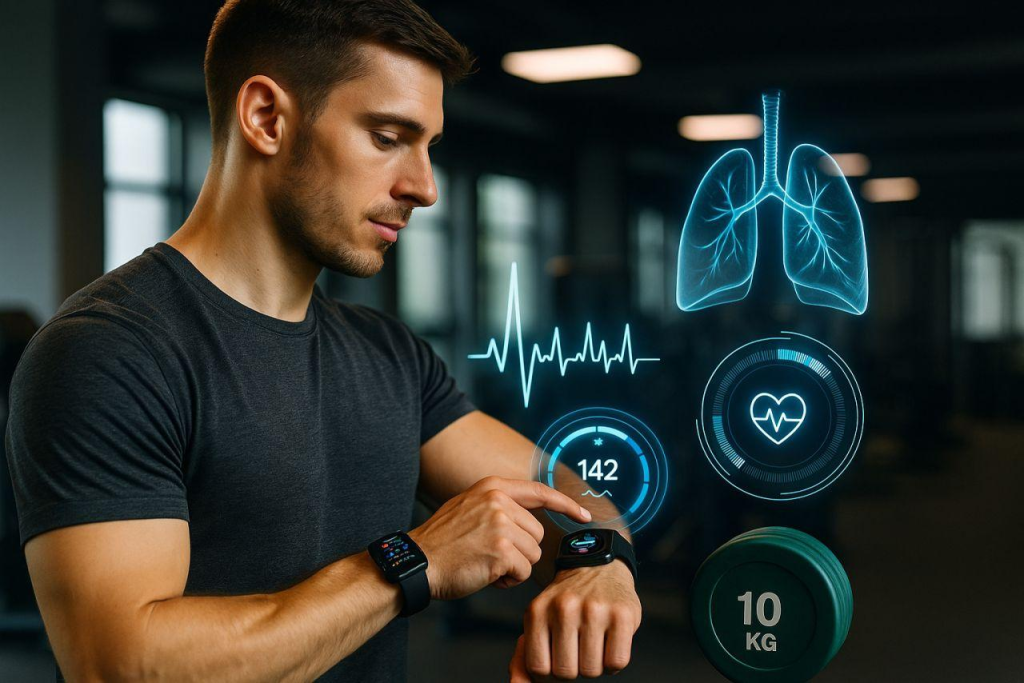
Image 3: Individual using an AI wearable device while jogging in a city park.
AI-Powered Wearables Are the Future: How Smart Devices Are Transforming Health, Fitness, and Everyday Life
Wearable technology has evolved from simple step counters into powerful digital companions capable of monitoring health, improving fitness, enhancing communication, and supporting everyday productivity. As artificial intelligence (AI) becomes more sophisticated, wearable devices are becoming smarter, faster, and more personalized than ever before.
Today’s wearables—including smartwatches, fitness bands, smart rings, and AI-powered glasses—can analyze health data, recognize activity patterns, monitor sleep quality, and provide real-time insights that help users make informed decisions about their well-being. Rather than simply collecting information, modern AI-powered wearables interpret data and offer meaningful recommendations based on individual habits and goals.
The wearable technology market continues to grow rapidly as consumers seek devices that combine convenience, health monitoring, and intelligent features in compact, portable designs. Industry analysts expect AI to play an even greater role in future wearables, making them indispensable tools for healthcare, fitness, and connected lifestyles.
What Are AI-Powered Wearables?
AI-powered wearables are electronic devices worn on the body that use sensors, software, and machine learning algorithms to collect and analyze data.
Common types of wearable devices include:
- Smartwatches
- Fitness trackers
- Smart rings
- Wireless earbuds
- Smart glasses
- Health-monitoring patches
These devices continuously gather information such as heart rate, physical activity, sleep duration, body temperature, blood oxygen levels, and movement patterns. AI then processes this data to identify trends and deliver personalized insights.
Unlike earlier wearable devices that mainly displayed raw numbers, modern AI wearables help users understand what those numbers mean and how they can improve their daily routines.
Smarter Health Monitoring
One of the most valuable applications of AI wearables is continuous health monitoring.
Advanced sensors can track a variety of wellness indicators, including:
- Heart rate
- Sleep quality
- Daily activity
- Stress levels
- Blood oxygen saturation
- Skin temperature
AI algorithms analyze these measurements to detect patterns over time. For example, a wearable device may identify changes in resting heart rate or sleep quality and encourage users to maintain healthy habits or seek professional medical advice if unusual trends appear.
These devices are designed to support wellness and should not replace professional medical evaluation or diagnosis.
Helping People Stay Active
Fitness tracking remains one of the most popular uses for wearable technology.
AI-powered devices automatically recognize activities such as:
- Walking
- Running
- Cycling
- Swimming
- Strength training
- Yoga
Instead of manually starting workouts, many wearables can detect movement and begin recording exercise sessions automatically.
AI also creates personalized fitness recommendations based on previous performance, helping users gradually improve endurance, strength, and overall activity levels.
Improving Sleep Quality
Quality sleep plays an essential role in physical and mental well-being.
Wearable devices monitor sleep by analyzing movement, heart rate, and other physiological signals throughout the night.
AI-generated sleep reports often include:
- Total sleep duration
- Time spent in different sleep stages
- Sleep consistency
- Bedtime habits
- Suggestions for improving sleep routines
By identifying long-term trends, users can better understand how lifestyle choices affect their rest and recovery.
AI Wearables in Healthcare
Healthcare providers are increasingly interested in wearable technology because it allows continuous monitoring outside traditional clinical settings.
Potential applications include:
- Remote patient monitoring
- Chronic disease management
- Post-surgery recovery support
- Elderly care
- Cardiac health monitoring
Doctors can review wearable data alongside routine medical evaluations to gain additional insights into a patient’s overall health.
While AI wearables provide useful information, they are intended to complement—not replace—professional healthcare.
Smart Glasses and the Next Generation of Wearables
Beyond watches and fitness bands, AI-powered smart glasses are attracting growing attention.
These devices may offer:
- Hands-free navigation
- Real-time language translation
- Voice-controlled assistants
- Augmented reality information
- Photography and video capture
- Workplace productivity tools
As displays, batteries, and AI processors improve, smart glasses could become an increasingly common way to interact with digital information without constantly looking at a smartphone.
Privacy and Security Challenges
Wearable devices collect sensitive personal information, making privacy a major concern.
Manufacturers continue improving:
- Data encryption
- Secure cloud storage
- User authentication
- Permission controls
- Software security updates
Consumers should also review privacy settings and understand how their information is stored and shared.
Responsible handling of personal health data remains a key priority as wearable technology becomes more widespread.
Challenges Facing Wearable Technology
Although AI wearables have advanced significantly, several challenges remain.
Battery Life
Many advanced features consume substantial power, requiring frequent charging.
Sensor Accuracy
Environmental conditions and improper device placement can affect measurements.
Cost
Premium AI wearables remain expensive for some consumers.
Compatibility
Not all wearable devices integrate seamlessly with every smartphone or operating system.
Manufacturers continue investing in better sensors, more efficient processors, and improved battery technology to address these limitations.
The Future of AI Wearables
Industry experts expect wearable technology to become even more capable during the coming years.
Future innovations may include:
- Non-invasive health monitoring
- Longer battery life
- More advanced AI assistants
- Personalized wellness coaching
- Improved augmented reality experiences
- Better integration with smart homes and connected vehicles
- Enhanced workplace productivity tools
Rather than functioning as standalone gadgets, future wearables are likely to become central components of broader digital ecosystems.
Final Thoughts
AI-powered wearables are transforming how people monitor their health, manage fitness goals, and interact with technology. By combining intelligent software with advanced sensors, these devices provide personalized insights that were once available only through specialized medical equipment or professional fitness coaching.
Although challenges related to battery life, privacy, and affordability remain, rapid progress in artificial intelligence and wearable hardware continues to expand the capabilities of these devices.
As AI becomes more integrated into everyday life, wearable technology is expected to play an increasingly important role in promoting healthier lifestyles, improving productivity, and creating more connected experiences. The next generation of smart wearables promises to be not only more powerful but also more intuitive, helping people make informed decisions wherever they go.