

Image Alt Text
Image 1: Digital visualization representing AI-generated synthetic data for machine learning.
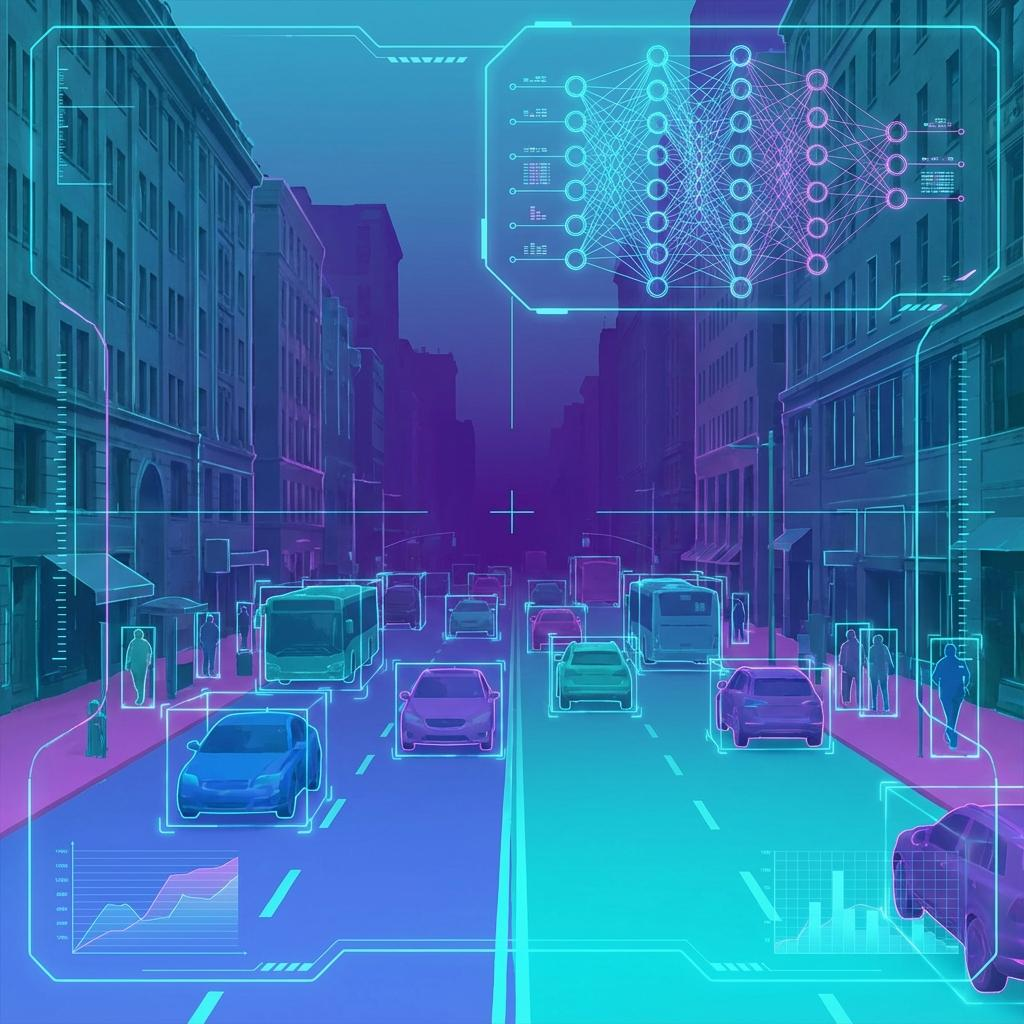
Image 2: Data scientist developing artificial intelligence models using advanced datasets.
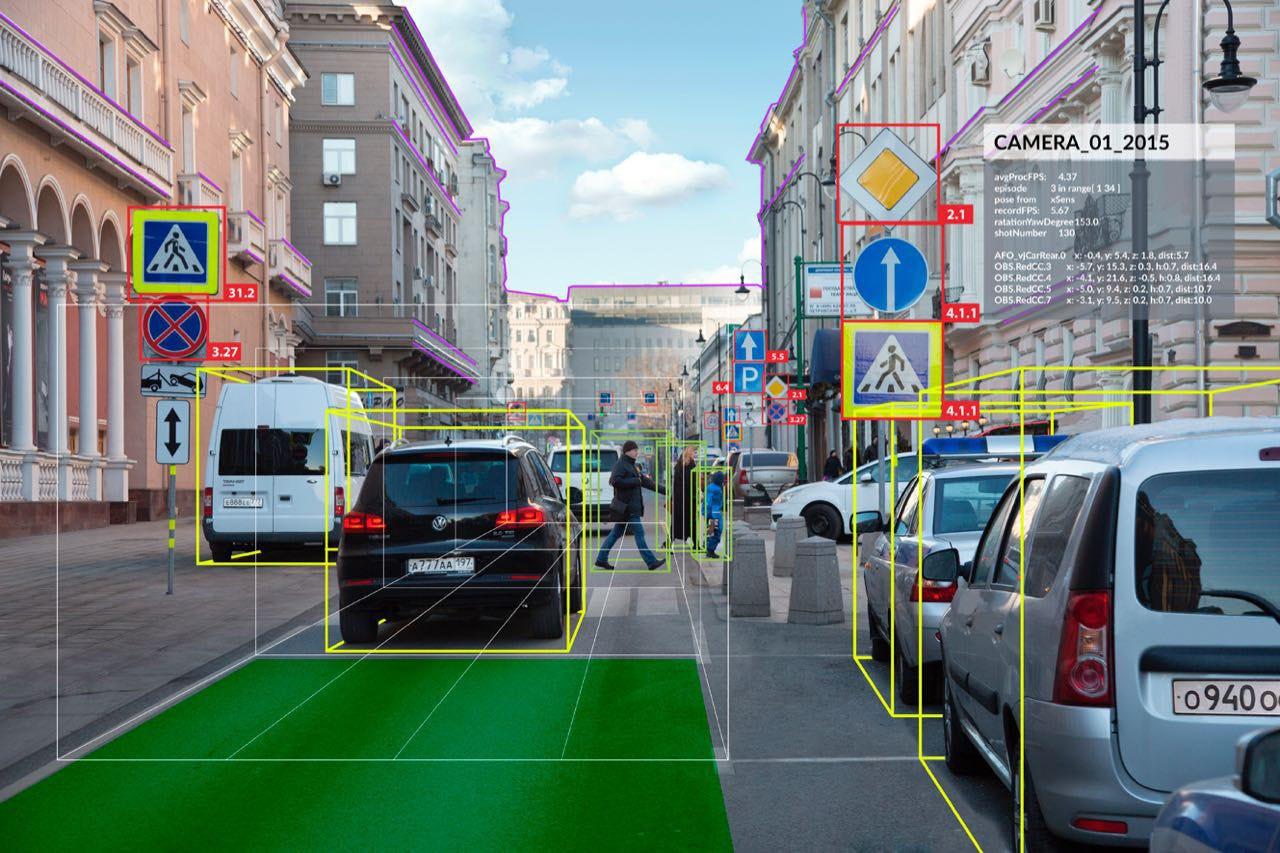
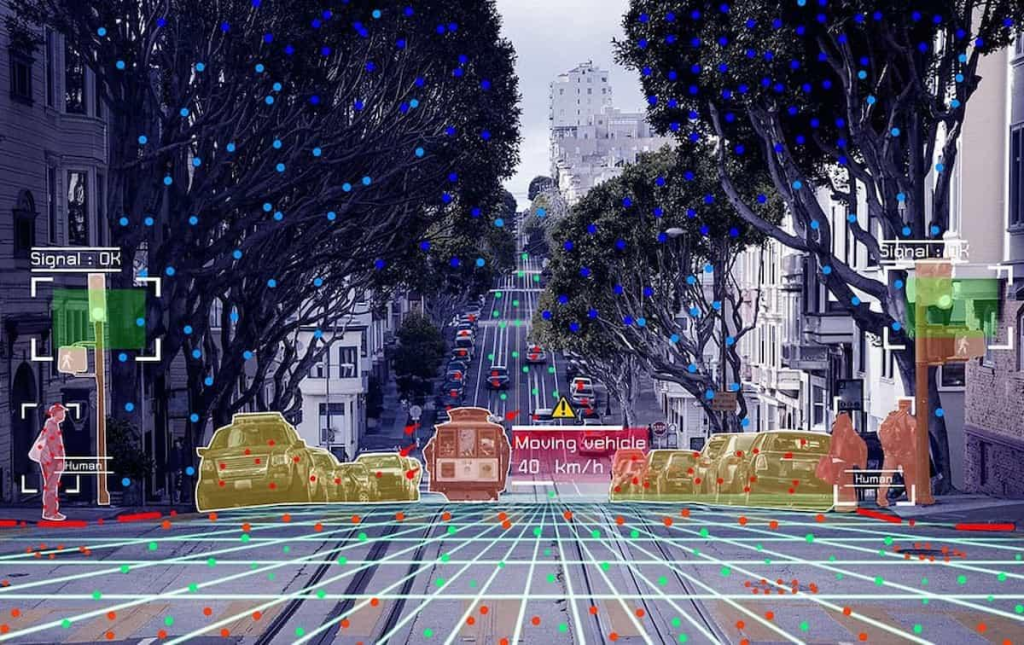
Image 3: Autonomous vehicle simulation environment created with synthetic driving data.
Synthetic Data Is Fueling the AI Revolution: The Hidden Technology Training Tomorrow’s Smartest Machines
Artificial intelligence has become one of the fastest-growing technologies in the world, powering everything from virtual assistants and recommendation engines to medical research, autonomous vehicles, and industrial automation. Yet behind every successful AI system lies one essential ingredient: data.
For years, developers relied primarily on real-world information collected from cameras, sensors, documents, and user interactions to train machine learning models. However, obtaining enough high-quality data is often expensive, time-consuming, and sometimes restricted by privacy regulations. As AI systems become more sophisticated, the demand for enormous datasets continues to grow.
To overcome these challenges, researchers and technology companies are increasingly turning to synthetic data—artificially generated information that mimics real-world data without directly copying actual individuals or events. Synthetic data is rapidly becoming one of the most important technologies supporting the future of artificial intelligence, enabling faster development while improving privacy, scalability, and flexibility.
What Is Synthetic Data?
Synthetic data is information created by computer algorithms rather than collected directly from real-world observations.
Instead of photographing millions of cars on public roads or gathering years of medical records, developers can generate realistic digital examples that resemble real data while avoiding many privacy concerns.
Synthetic datasets can include:
- Images
- Videos
- Text
- Audio
- Sensor readings
- Financial transactions
- Medical records
- Driving scenarios
- Human voices
Modern AI systems use advanced generative models to produce synthetic data that closely reflects the statistical patterns found in real-world information.
Why AI Needs More Data
Machine learning models improve by learning from examples. The larger and more diverse the dataset, the better an AI system can often recognize patterns and make predictions.
However, collecting real-world data presents several challenges:
- High collection costs
- Privacy regulations
- Limited availability
- Rare events that occur infrequently
- Data imbalance
- Human labeling requirements
Synthetic data helps address these issues by generating virtually unlimited training examples.
For instance, an autonomous vehicle can be trained on millions of simulated driving situations, including rare weather conditions or unusual traffic events that would be difficult to capture consistently in the real world.
How Synthetic Data Is Created
Developers use several techniques to generate synthetic data.
AI-Generated Content
Generative AI models create realistic images, text, audio, or structured datasets based on learned patterns.
Computer Simulations
Physics-based simulations recreate environments such as roads, factories, hospitals, or warehouses.
Procedural Generation
Software automatically produces thousands of unique variations of objects, scenes, or scenarios.
Data Augmentation
Existing datasets are modified through transformations such as rotation, scaling, lighting adjustments, or background changes to increase diversity.
These methods help developers create large, varied datasets while reducing reliance on manually collected information.
Supporting Autonomous Vehicles
Self-driving vehicles require enormous amounts of training data to recognize roads, pedestrians, traffic signs, cyclists, and countless driving situations.
Synthetic environments allow developers to simulate:
- Heavy rain
- Snowstorms
- Fog
- Night driving
- Construction zones
- Emergency vehicles
- Unusual pedestrian behavior
Because every scenario can be precisely controlled, engineers can safely expose AI systems to situations that are rare or potentially dangerous in real life.
Improving Healthcare Research
Healthcare organizations often face strict privacy requirements when using patient information.
Synthetic medical data allows researchers to develop and test AI systems without directly exposing sensitive personal records.
Potential applications include:
- Medical imaging research
- Disease prediction models
- Hospital workflow optimization
- Drug discovery
- Healthcare analytics
Although synthetic data does not replace real clinical validation, it provides researchers with additional resources for algorithm development.
Training Computer Vision Systems
Computer vision AI enables machines to interpret visual information.
Applications include:
- Facial recognition
- Manufacturing inspection
- Agricultural monitoring
- Retail automation
- Robotics
- Satellite image analysis
Generating millions of annotated synthetic images dramatically reduces the time and expense required for manual labeling while improving dataset diversity.
This helps AI models perform better across different environments and lighting conditions.
Reducing Bias in AI
One important advantage of synthetic data is the ability to create more balanced datasets.
Real-world information may unintentionally overrepresent certain populations or situations.
Developers can generate additional examples to improve representation and reduce potential biases in AI training.
While synthetic data alone cannot eliminate bias, it provides valuable tools for improving dataset diversity when combined with careful evaluation and testing.
Privacy Benefits
Privacy regulations continue evolving worldwide, making responsible data handling increasingly important.
Because synthetic data does not directly represent actual individuals, it can help organizations:
- Protect sensitive information
- Reduce privacy risks
- Support regulatory compliance
- Facilitate secure research collaborations
However, experts emphasize that synthetic datasets should still be evaluated carefully to ensure they do not unintentionally reveal identifiable information.
Challenges and Limitations
Despite its advantages, synthetic data is not a complete replacement for real-world information.
Accuracy
Synthetic datasets are only as good as the models used to generate them.
Realism
Artificial data must accurately reflect real-world conditions for AI systems to perform reliably.
Validation
Developers must compare synthetic training results with real-world testing to ensure model performance.
Computational Resources
Generating large synthetic datasets requires significant computing power.
Researchers continue improving generation techniques to produce increasingly realistic and diverse datasets.
The Future of Synthetic Data
Industry analysts expect synthetic data to become an increasingly important part of AI development.
Future applications may include:
- More advanced robotics
- Smarter healthcare AI
- Financial fraud detection
- Cybersecurity training
- Smart city simulations
- Industrial automation
- Climate modeling
- Scientific research
As generative AI continues advancing, synthetic data is likely to become more realistic, scalable, and widely adopted across industries.
Final Thoughts
Synthetic data is emerging as one of the most valuable resources in modern artificial intelligence. By generating realistic datasets through simulations and AI models, organizations can train machine learning systems more efficiently while addressing challenges related to privacy, cost, and data availability.
Although real-world information remains essential for validation and deployment, synthetic data is becoming a powerful complement that accelerates research and innovation. From autonomous vehicles and healthcare to robotics and computer vision, this technology is helping developers build smarter AI systems capable of solving increasingly complex problems.
As artificial intelligence continues expanding into every aspect of society, synthetic data will play a critical role behind the scenes—fueling the next generation of intelligent machines while supporting safer, faster, and more responsible AI development.