The Rise of Autonomous Delivery Robots: How AI-Powered Machines Are Transforming Last-Mile Delivery


Image Alt Text
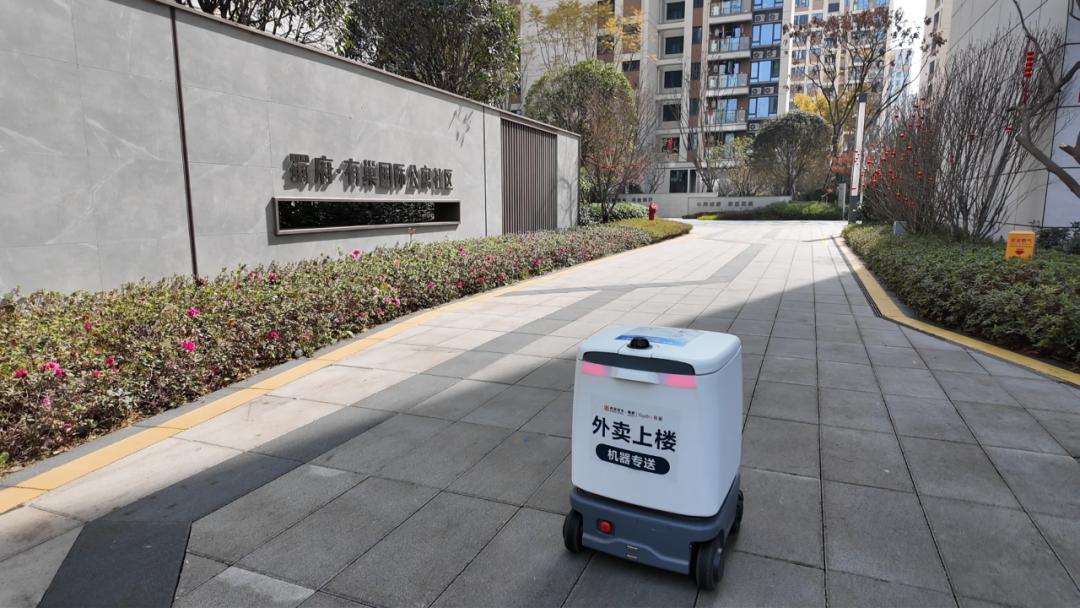
- Image 1: Autonomous delivery robot navigating a city sidewalk using AI and sensors.
- Image 2: AI-powered delivery robot transporting groceries and small packages.
- Image 3: Engineers testing an autonomous delivery robot in a research laboratory.
- Image 4: Smart city street featuring robotic delivery vehicles and connected infrastructure.
- Image 5: Warehouse robots preparing online orders for last-mile delivery.
- Image 6: Contactless delivery robot arriving at a residential building entrance.
- Image 7: Futuristic concept illustration of automated urban logistics and delivery networks.
The Rise of Autonomous Delivery Robots: How AI-Powered Machines Are Transforming Last-Mile Delivery
The way goods move from warehouses to customers is changing rapidly. For decades, deliveries depended almost entirely on human drivers navigating busy streets, apartment complexes, and suburban neighborhoods. Today, advances in artificial intelligence, robotics, computer vision, and sensor technology are creating a new generation of autonomous delivery robots capable of transporting groceries, meals, parcels, and retail products with minimal human assistance.
As e-commerce continues to grow worldwide, businesses are searching for faster, more efficient, and more sustainable delivery solutions. The final stage of transportation—known as last-mile delivery—is often the most expensive and complex part of the logistics chain. Autonomous delivery robots are emerging as one possible solution, helping companies reduce costs while improving convenience for customers.
Although fully autonomous delivery systems are still developing, pilot programs and commercial deployments are already appearing in cities, university campuses, residential communities, and business districts around the world. These machines are beginning to demonstrate how AI-powered logistics could reshape urban transportation and everyday shopping.
What Is an Autonomous Delivery Robot?
An autonomous delivery robot is a small self-driving vehicle designed to transport goods without continuous human control.
Most delivery robots include:
- Cameras
- Lidar or depth sensors
- GPS navigation
- Obstacle detection systems
- Wireless communication
- AI-based route planning
- Secure storage compartments
These systems allow robots to move through sidewalks, pedestrian areas, campuses, and residential neighborhoods while avoiding obstacles and following predefined safety rules.
Many current robots travel at walking speed and are supervised remotely when necessary.
Why Last-Mile Delivery Is Challenging
Delivering a package from a regional warehouse to a customer’s door may seem simple, but it is often one of the most costly parts of the supply chain.
Challenges include:
- Traffic congestion
- Parking limitations
- Labor costs
- Fuel expenses
- Complex residential layouts
- Multiple delivery stops
- Growing e-commerce demand
Autonomous robots aim to handle short-distance deliveries more efficiently, especially in densely populated areas where many customers live close together.
How AI Helps Robots Navigate
Artificial intelligence is the core technology that enables autonomous delivery.
AI systems help robots:
- Recognize pedestrians
- Detect obstacles
- Identify sidewalks and crossings
- Plan efficient routes
- Respond to changing conditions
- Avoid collisions
- Communicate with cloud-based management systems
Machine learning algorithms improve performance by analyzing large amounts of navigation data collected during real-world operation.
E-Commerce Is Driving Demand
Online shopping has increased dramatically in recent years, creating pressure on logistics networks.
Retailers and delivery companies are exploring autonomous solutions because they may help:
- Reduce delivery costs
- Increase delivery capacity
- Provide faster local service
- Offer contactless delivery options
- Operate during extended hours
- Improve efficiency in high-density neighborhoods
Autonomous delivery is particularly attractive for small packages, groceries, restaurant orders, and campus deliveries.
Smart Cities and Urban Mobility
Delivery robots are increasingly being tested as part of broader smart city initiatives.
Connected infrastructure may help robots communicate with:
- Traffic systems
- Crosswalk signals
- Mapping services
- Fleet management platforms
- Building access systems
As cities become more connected, autonomous delivery networks may integrate with public transportation, electric charging infrastructure, and digital logistics platforms.
Benefits for Consumers
For customers, autonomous delivery could provide several advantages.
Potential benefits include:
- Faster local deliveries
- More delivery time options
- Contactless service
- Real-time tracking
- Lower delivery fees in some areas
- Convenient grocery and meal delivery
Many pilot programs allow customers to unlock the robot’s storage compartment using a smartphone app upon arrival.
Environmental Impact
Many delivery robots are electrically powered, which may help reduce emissions compared with some traditional delivery vehicles.
Possible environmental benefits include:
- Lower fuel consumption
- Reduced traffic from short delivery trips
- Quieter operation
- Support for electric logistics networks
The overall environmental impact depends on factors such as electricity sources, delivery density, and fleet management efficiency.
Challenges Still Ahead
Despite rapid progress, autonomous delivery robots face several obstacles.
Sidewalk Navigation
Robots must safely share space with pedestrians, pets, bicycles, and other obstacles.
Weather Conditions
Heavy rain, snow, flooding, or extreme heat can affect sensors and mobility.
Regulations
Different cities and countries have varying rules governing autonomous vehicles and sidewalk robots.
Security
Manufacturers must protect robots against theft, vandalism, and cybersecurity threats.
Public Acceptance
Communities must become comfortable sharing public spaces with autonomous machines.
Engineers continue improving navigation systems, durability, and remote supervision capabilities to address these challenges.
The Future of Autonomous Delivery
Industry analysts expect delivery automation to expand steadily during the next decade.
Future developments may include:
- Larger delivery fleets
- Improved AI navigation
- Longer battery life
- Integration with drones
- Smarter warehouse coordination
- Autonomous curbside delivery
- AI-optimized logistics networks
Rather than replacing all human drivers, autonomous robots are likely to complement existing delivery services by handling short-distance and high-frequency routes.
What This Means for Businesses
For retailers, restaurants, and logistics companies, autonomous delivery offers opportunities to improve operational efficiency while meeting growing customer expectations.
Businesses may benefit from:
- Lower operating costs
- Expanded delivery coverage
- Faster order fulfillment
- Better fleet management
- Improved customer tracking
- Enhanced data analytics
As AI systems become more reliable, autonomous delivery may become an increasingly important part of urban commerce.
Final Thoughts
Autonomous delivery robots represent a significant step toward smarter and more connected cities. By combining artificial intelligence, robotics, sensors, and digital logistics platforms, these machines are beginning to transform the way packages, groceries, and meals reach customers.
While technical, regulatory, and social challenges remain, ongoing advances in AI and automation continue to improve the capabilities of delivery robots. Their role is expected to grow as e-commerce expands and businesses seek faster, more efficient last-mile solutions.
Rather than replacing human workers entirely, autonomous delivery systems are likely to become one component of a broader logistics ecosystem where people, vehicles, warehouses, and intelligent machines work together. The rise of AI-powered delivery robots offers a glimpse into a future where everyday commerce becomes increasingly automated, connected, and responsive to customer needs.