Tag: Investing

  • Global Markets on Edge: Stocks, Gold, Bitcoin, and the Dollar Brace for a High-Stakes Week

    Global Markets on Edge: Stocks, Gold, Bitcoin, and the Dollar Brace for a High-Stakes Week

    Global Markets on Edge: Stocks, Gold, Bitcoin, and the Dollar Brace for a High-Stakes Week

    Category: Finance | Global Markets | Investing | Economy
    Published: July 23, 2026


    https://images.openai.com/static-rsc-4/rfSsDUznJ8cNTd_n6eEj8-v-xCleWtABqJPCFMl_C0hIAuMjBbmA12IhZ6ikkkCPSJOEvI5LNI3N_PhGC_C8TYwu5JN3Fz0ahAksnTUtV62my8SxmRXWvczlA9WzCjKpN8ixnBd_agLP3wQeFsnFyO3P-l5z-0UAU1V9r0bnHxU4RoZGkrT9Ep4sCQFWcJsK?purpose=fullsize
    https://images.openai.com/static-rsc-4/4Yyo8mow-NmSS9kWQ1pAp_NOs_dngxVoRN8EzAhGpvqECz8kiSe81QxsFX2JNx6F3FjldZ7N6ciEa0U-63wv3DbjbvtTFdrqI5MvOFoOh8RwjimTygjwzfDG14Hrdp6J1WvBPFwO5yC5Oo199VL8IQlBeOoGN0AxHfCZxPkW9zkpOXN0l0p3VtlLW10HX-tf?purpose=fullsize
    https://images.openai.com/static-rsc-4/9ezSHfpbLqtUky6vhefLsR7HuRrmVEeuNwOHEBFnopMD0D0B-eWvdvN7iUu14Sof84BEqe4mEZC-hOqlr5_fl9a7agH-0CBY-Mk2FRkCzDtV_1gptAzrQWIrnPvNe79qKh9GUptY573P0V_Vohd-66zf334NoOrn4GVTkTHxauQouRjiIsR0CDkyAWl6WfMW?purpose=fullsize

    4

    Global Markets on Edge: Stocks, Gold, Bitcoin, and the Dollar Brace for a High-Stakes Week

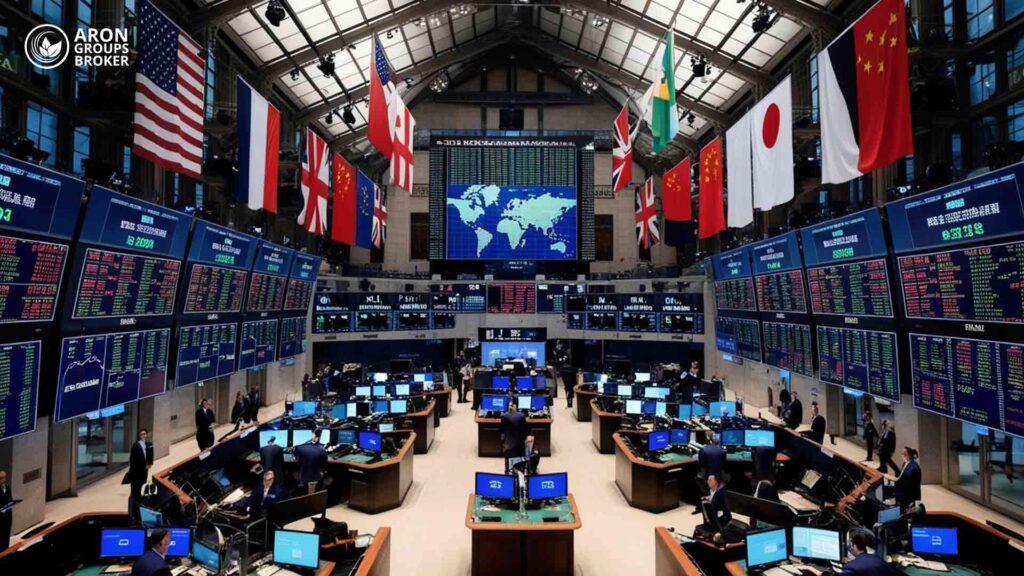
    Global financial markets entered the final trading days of the week with investors facing one of the most complicated economic environments of 2026. Stocks remain near record territory, gold continues attracting safe-haven demand, Bitcoin is attempting to regain momentum, and currency markets are reacting to uncertainty surrounding central-bank policy.

    The next several weeks could prove crucial for investors as inflation data, corporate earnings, interest-rate expectations, and geopolitical developments continue shaping market sentiment. Analysts say the world economy is not facing a single dominant risk; instead, investors must navigate multiple overlapping forces that are influencing nearly every asset class.

    This environment has created significant volatility, but it has also produced opportunities for investors willing to remain disciplined and focused on long-term trends.


    Stocks Remain Strong but Investors Are Growing Cautious

    Global equity markets have shown remarkable resilience throughout much of 2026.

    Major U.S. stock indexes have remained close to historic highs despite concerns over inflation, interest rates, and slowing economic growth. Strong corporate earnings, continued demand for artificial intelligence technologies, and relatively healthy consumer spending have supported the market.

    However, investor confidence has become increasingly fragile.

    Valuations in several sectors remain elevated, meaning any negative surprise in earnings or economic data could trigger sharp corrections. Portfolio managers are now paying closer attention to company guidance than to headline profit numbers.

    Many analysts believe the market is transitioning from a phase driven primarily by optimism into one that requires stronger fundamental support.


    Artificial Intelligence Continues to Drive Market Leadership

    Technology companies connected to artificial intelligence remain among the strongest performers in global equity markets.

    Businesses involved in cloud computing, semiconductor manufacturing, data centers, and enterprise AI software continue attracting significant investor interest. The rapid expansion of AI applications across industries has convinced many investors that the technology sector may remain a long-term growth engine.

    At the same time, some analysts warn that expectations have become extremely high.

    If revenue growth fails to match market enthusiasm, highly valued technology stocks could experience substantial volatility.

    For investors, the challenge is separating companies with sustainable long-term advantages from those benefiting primarily from short-term excitement.


    Gold Maintains Its Role as a Safe-Haven Asset

    Gold remains one of the world’s most closely watched defensive investments.

    Despite fluctuating interest-rate expectations, geopolitical uncertainty has continued supporting demand for precious metals. Investors often turn to gold during periods of economic stress because of its long history as a store of value.

    Central-bank purchases have also provided important long-term support.

    Many countries continue increasing gold reserves as part of broader diversification strategies designed to reduce reliance on foreign currencies and strengthen financial resilience.

    Although short-term price movements can be volatile, gold continues serving as an important hedge for many diversified portfolios.


    Bitcoin Attempts to Rebuild Momentum

    Bitcoin has experienced significant volatility throughout the year but remains one of the best-performing major asset classes over longer time horizons.

    Institutional adoption, exchange-traded funds, and growing mainstream acceptance continue supporting the long-term investment case for digital assets.

    However, Bitcoin remains highly sensitive to broader market sentiment.

    When investors become more comfortable taking risk, cryptocurrencies often benefit. During periods of uncertainty, however, digital assets can experience sharp price declines.

    This relationship has caused Bitcoin to behave increasingly like a global macro asset influenced by inflation expectations, interest rates, and investor confidence.


    Interest Rates Continue to Influence Every Market

    Perhaps no single factor has had a greater impact on financial markets than interest rates.

    Central banks spent recent years raising borrowing costs to combat inflation. Although inflation has moderated compared with earlier peaks, policymakers remain cautious about declaring victory.

    Higher interest rates affect nearly every asset class:

    • Stocks face valuation pressure.
    • Bonds become more attractive.
    • Gold loses some appeal because it does not generate income.
    • Housing affordability declines.
    • Corporate borrowing becomes more expensive.
    • Currency markets experience greater volatility.

    Investors now carefully analyze every inflation report and central-bank statement for clues about future policy decisions.


    Bond Markets Signal Ongoing Uncertainty

    Government bond markets continue reflecting uncertainty about the economic outlook.

    Longer-term yields remain elevated compared with historical averages, indicating investors still expect inflation risks to persist.

    Higher bond yields can create challenges for stocks because investors may choose safer fixed-income investments instead of riskier assets.

    Bond markets are often considered one of the most important indicators of investor expectations, making them a critical area to watch during periods of economic transition.


    The U.S. Dollar Remains a Global Safe Haven

    The U.S. dollar continues playing a central role in international finance.

    During periods of global uncertainty, investors frequently move money into dollar-denominated assets because of the currency’s status as the world’s primary reserve currency.

    A stronger dollar can influence:

    • Commodity prices
    • International trade
    • Emerging markets
    • Corporate earnings
    • Currency exchange rates
    • Global investment flows

    Because many commodities are priced in dollars, changes in the currency often have ripple effects across the world economy.


    Oil Prices Add Another Layer of Risk

    Energy markets remain a major source of uncertainty.

    Oil prices have experienced significant fluctuations due to geopolitical tensions, supply concerns, and changing expectations for global demand.

    Higher energy prices can increase inflationary pressure, reduce consumer spending power, and affect corporate profitability.

    This is one reason investors continue monitoring geopolitical developments alongside economic data.


    Diversification Becomes Increasingly Important

    The current environment highlights the importance of diversification.

    Many financial advisers recommend spreading investments across multiple asset classes rather than concentrating heavily in a single sector.

    A diversified portfolio may include:

    • Stocks
    • Bonds
    • Gold
    • Cash
    • Real estate
    • International investments
    • Alternative assets

    Diversification cannot eliminate risk, but it can reduce the impact of volatility in any one area of the market.


    What Investors Should Watch Next

    Several upcoming developments could significantly influence financial markets:

    Inflation Reports

    Inflation data remains one of the most important indicators for central-bank decisions.

    Central-Bank Meetings

    Interest-rate guidance could alter expectations across stocks, bonds, currencies, and commodities.

    Corporate Earnings

    Company results will provide insight into consumer demand and business conditions.

    Employment Data

    Labor-market strength remains a critical measure of economic health.

    Geopolitical Developments

    International conflicts and trade disputes continue affecting investor sentiment.


    Outlook for the Second Half of 2026

    Analysts remain cautiously optimistic.

    Economic growth has slowed but has not collapsed. Inflation has moderated but remains above long-term targets in several regions. Corporate profits remain relatively strong, yet valuations in some sectors appear stretched.

    This combination suggests investors could continue experiencing periods of volatility even if the broader economy avoids a recession.

    Rather than expecting a smooth path higher, many strategists anticipate a market environment defined by frequent shifts in sentiment and increased sensitivity to economic news.


    Conclusion

    Global financial markets are entering a critical period.

    Stocks, gold, Bitcoin, bonds, currencies, and commodities are all responding to a rapidly changing economic landscape shaped by inflation, interest rates, technology, and geopolitics.

    For investors, the key may not be predicting every market move but maintaining discipline, staying diversified, and focusing on long-term objectives. In uncertain environments, patience and risk management often become just as important as identifying the next big opportunity.
  • Why Millions of Investors Are Choosing ETFs in 2026: The Finance Trend Reshaping Global Wealth

    Why Millions of Investors Are Choosing ETFs in 2026: The Finance Trend Reshaping Global Wealth

    https://images.openai.com/static-rsc-4/8Cz9kd6OZVHsOzPYNy0NjFxnVqJQavlMKJzx_CoQsGsBzqumXeEaFgWigiFBPsiwGYkrg9eSx71E_mYN62ZjBMbX0qebAA_6p5cqoAFeFpbfwPzggr1pwTDsRp4yOLEjSGN4jpcplwWst_kfFYZUlH2mfe4qKwBB7kuHW2MlmhzODhPNyycdAGs2oZVa8dP7?purpose=fullsize
    https://images.openai.com/static-rsc-4/NhIXBo7OrTPDN6cxZvTI7g6ScTKzb1rfTLtpR0m386l_VOXN8wf6CMC8W1braXlDGxkiQKGHP75axshMGASuVhu2GmM3C_42Jtu1guXHLNwVRYPHB-7W2Sh0phkzSRJV3wzUiE_F93csLiUqf1As6KDk4kNWnViydb_GC47IE616O8rnGWIVcNs9Cd5HQU_-?purpose=fullsize
    https://images.openai.com/static-rsc-4/Awrz8p9SwgrJVWXJk7dbEs6sFwEC-9fHvZtfsZrxKxgsIEDHSlgOLZz_BQiCWPKvO4eVKE_6ghSBbr4ZSAYYJgKQxG71Dz4hBH2BY7AcjKAQ0D5t2tEFhgNtUZ0eJJrP2Xx_gIyyh4JbKTESv0QOuJ6Ewe4Va_6v1nK6u0F0yvY39vSVexOpSmzg9agvyRcC?purpose=fullsize

    Retail Investors Return to the Market: ETF Investing Surges as Global Funds Hit New Records in 2026

    Category: Finance News

    Tags: ETF, Exchange Traded Funds, Investing, Personal Finance, Wealth Management, Global Markets, Stock Market, Finance News, Investment Strategy, Passive Investing, Retail Investors, Asset Management, Business News, Financial Planning, Market Update

    Meta Description: Exchange-traded funds (ETFs) are attracting record investment in 2026 as retail and institutional investors seek diversified, low-cost exposure to global markets. Here’s what the latest trend means for investors.


    Retail Investors Return to the Market: ETF Investing Surges as Global Funds Hit New Records in 2026

    Exchange-traded funds (ETFs) are once again taking center stage in global financial markets. After several years of strong growth, 2026 is shaping up to be another record-breaking year as both individual and institutional investors continue shifting money into diversified investment funds.

    Recent industry data shows that European ETF inflows reached historic highs during the first half of the year, reflecting growing confidence in long-term investing despite ongoing economic uncertainty. Asset managers reported particularly strong demand for globally diversified equity funds, while active ETFs are also becoming increasingly popular with investors seeking professional portfolio management.

    The renewed interest in ETFs comes at a time when inflation is moderating in several major economies, interest-rate expectations are stabilizing, and investors continue searching for efficient ways to build wealth over the long term.


    Why ETFs Continue Growing

    Exchange-traded funds combine many investments into a single product.

    Instead of purchasing shares of dozens or hundreds of individual companies, investors can buy one ETF that provides exposure to an entire market, industry, or investment strategy.

    This approach offers several advantages:

    • Broad diversification
    • Lower management costs
    • Easy trading throughout the day
    • Greater transparency
    • Access to international markets

    These benefits have made ETFs one of the fastest-growing investment products worldwide.


    Record Inflows Highlight Investor Confidence

    Recent market figures indicate that Europe’s ETF industry attracted record inflows during the first half of 2026.

    Several major asset managers experienced significant growth as investors continued increasing allocations to diversified global equity funds. Demand was particularly strong for products tracking worldwide stock indexes, reflecting confidence in long-term economic growth rather than short-term market timing.

    Financial professionals note that many investors are increasingly choosing broad-market ETFs instead of attempting to select individual winning stocks.


    Retail Investors Are Becoming More Sophisticated

    Technology has made investing easier than ever.

    Commission-free trading, mobile investment apps, educational resources, and automated portfolio tools have encouraged more individuals to begin investing.

    Today’s retail investors increasingly focus on:

    • Diversification
    • Long-term investing
    • Retirement planning
    • Dollar-cost averaging
    • Low-cost investment products

    Rather than reacting to every market headline, many investors are gradually building portfolios through regular monthly investments.


    Active ETFs Gain Momentum

    While traditional index ETFs remain popular, actively managed ETFs continue attracting attention.

    Unlike index funds that simply follow a benchmark, active ETFs allow professional managers to select investments they believe can outperform the broader market.

    Supporters argue that active management may provide greater flexibility during periods of market volatility.

    However, performance can vary, and higher management fees may reduce long-term returns compared with passive index funds.


    Technology Continues Driving Market Growth

    Artificial intelligence remains one of the strongest themes in global markets.

    Technology companies involved in:

    • Cloud computing
    • AI software
    • Semiconductor manufacturing
    • Cybersecurity
    • Data infrastructure

    continue receiving significant investor attention.

    Many diversified ETFs now include substantial exposure to these industries because technology represents an increasingly large share of global stock indexes.


    Risk Management Remains Essential

    Although ETFs provide diversification, they are not risk-free.

    Investment values can rise or fall depending on:

    • Economic growth
    • Corporate earnings
    • Interest rates
    • Inflation
    • Geopolitical events
    • Currency movements

    Financial advisers continue encouraging investors to understand what an ETF owns before investing.

    Choosing products that match personal financial goals and risk tolerance remains an important part of successful investing.


    Regulators Continue Strengthening Investor Protection

    Financial regulators around the world are also reviewing more complex ETF products.

    South Korea recently announced new measures affecting single-stock leveraged ETFs, including a temporary halt on new listings and tighter investor protection requirements, after concerns about heightened market volatility. The changes are designed to reduce risks associated with products that amplify daily price movements.

    These developments highlight the importance of balancing financial innovation with investor safeguards.


    Digital Platforms Make Investing More Accessible

    Digital investment platforms continue transforming personal finance.

    Today’s investors can:

    • Open investment accounts online
    • Build diversified portfolios in minutes
    • Monitor performance in real time
    • Automate monthly contributions
    • Access educational resources

    These improvements have reduced barriers that previously prevented many people from participating in financial markets.


    Practical Lessons for Long-Term Investors

    Financial professionals continue emphasizing several core principles:

    • Invest consistently rather than trying to predict market movements.
    • Diversify across industries and regions.
    • Maintain an emergency savings fund.
    • Review investment goals regularly.

    • Understand investment costs.
    • Continue learning about personal finance.

    Although no investment guarantees positive returns, disciplined long-term investing has historically helped many investors build wealth over time.


    Outlook

    The second half of 2026 is expected to remain active for global financial markets.

    Corporate earnings, central-bank decisions, inflation reports, and technological innovation will continue influencing investor sentiment. Meanwhile, the growing popularity of ETFs suggests that many investors remain committed to diversified, long-term investment strategies rather than speculative trading.

    As financial markets evolve, exchange-traded funds are likely to remain one of the most important investment tools available to both new and experienced investors. Their combination of diversification, transparency, and accessibility continues making them an attractive choice for individuals seeking to participate in global economic growth while managing investment risk.

  • 🔥IPO Boom Returns in 2026: Why Investors Are Rushing Back to Global Stock Markets

    🔥IPO Boom Returns in 2026: Why Investors Are Rushing Back to Global Stock Markets

    IPO Boom Returns: Why Global Investors Are Pouring Billions into New Stock Listings in 2026


    Featured Image

    Image
    Image
    Image
    Image
    Image
    Image

    IPO Boom Returns: Why Global Investors Are Pouring Billions into New Stock Listings in 2026

    The global market for Initial Public Offerings (IPOs) is experiencing its strongest recovery in years, signaling renewed confidence among investors, corporations, and financial institutions. After several years of higher interest rates, inflation concerns, and geopolitical uncertainty, companies are once again choosing to enter public markets as investor appetite continues to improve.

    During the first half of 2026, global IPO proceeds increased dramatically, fueled by blockbuster technology offerings, artificial intelligence companies, and improving economic conditions. Market analysts believe the reopening of IPO markets represents one of the biggest financial stories of the year. (Ernst & Young)


    Why IPO Markets Are Recovering

    Several major factors have contributed to the resurgence.

    Lower Inflation

    Recent inflation data has eased investor concerns that central banks would continue aggressive interest-rate hikes. Lower inflation typically reduces borrowing costs and improves corporate valuations. (Reuters)

    Strong Corporate Earnings

    Major investment banks have reported stronger-than-expected earnings, supported by active capital markets, mergers, and IPO underwriting activity. This has strengthened confidence across Wall Street. (The Wall Street Journal)

    AI Investment Boom

    Artificial intelligence continues attracting enormous amounts of capital.

    Investors are aggressively funding companies involved in:

    • AI software
    • Semiconductor manufacturing
    • Cloud infrastructure
    • Data centers
    • Robotics

    Many AI-focused companies are now preparing public listings while investors remain willing to pay premium valuations. (Ernst & Young)


    Record IPO Activity

    According to industry reports, global IPO proceeds have more than tripled compared with last year despite fewer overall listings. Instead of many small offerings, investors are focusing on fewer but significantly larger IPOs. (Ernst & Young)

    Some exchanges have reported their strongest fundraising performance in years, driven by mega-deals and technology companies. (The Financial Express)


    Technology Leads the Market

    Technology firms continue dominating public offerings.

    Key sectors include:

    • Artificial Intelligence
    • Cybersecurity
    • FinTech
    • Cloud Computing
    • Semiconductor Manufacturing

    Institutional investors believe these industries will continue benefiting from digital transformation over the next decade.


    Investors Remain Selective

    Despite renewed optimism, investors are being more disciplined than during previous IPO booms.

    Fund managers now pay closer attention to:

    • Profitability
    • Cash flow
    • Debt levels
    • Revenue growth
    • Competitive advantages

    Companies with weak financial fundamentals often struggle after listing, while businesses with sustainable earnings receive stronger demand.


    Global Markets Show Signs of Strength

    Several financial markets are showing renewed momentum.

    The United States remains the largest IPO destination, while parts of Europe and Asia have also experienced improving market conditions.

    Analysts expect additional high-profile companies to pursue listings during the second half of 2026 if market stability continues. (Ernst & Young)


    Risks Investors Should Watch

    Although optimism has returned, several risks remain.

    Interest Rates

    Unexpected inflation could force central banks to maintain higher interest rates longer than markets expect.

    Geopolitical Tensions

    Conflicts affecting energy markets could increase oil prices and create additional inflationary pressure.

    Market Volatility

    Technology stocks remain sensitive to earnings surprises and valuation concerns.

    These risks could temporarily reduce IPO activity if uncertainty increases. (Reuters)


    Outlook for the Rest of 2026

    Most investment banks expect IPO momentum to continue through the remainder of the year.

    Large institutional investors continue holding significant cash reserves, creating favorable conditions for companies seeking public financing.

    Industries expected to generate the largest IPO activity include:

    • Artificial Intelligence
    • Healthcare Technology
    • Renewable Energy
    • Financial Technology
    • Defense Technology
    • Semiconductor Manufacturing

    If inflation remains under control and corporate earnings stay healthy, analysts believe 2026 could become one of the strongest IPO years since the pandemic recovery. (PwC)


    Final Thoughts

    The return of IPO activity signals improving confidence across global financial markets. Investors are once again willing to fund companies with strong growth prospects, particularly in AI and advanced technology sectors. While risks remain from inflation, geopolitical tensions, and market volatility, the overall outlook has improved significantly compared with previous years.

    For long-term investors, the current environment offers opportunities—but careful research remains essential before investing in newly listed companies. Successful IPO investing requires understanding a company’s business model, financial health, valuation, and competitive position rather than following market hype alone.


    Alt Text for Images

    1. Bankers and investors discussing an IPO roadshow presentation in a corporate boardroom.
    2. Family reviewing household budget and mortgage documents at a kitchen table.
    3. Stock market traders monitoring financial screens during an active trading session.
    4. Financial analyst reviewing IPO prospectus and market reports in an office.
    5. Business executives celebrating a company IPO by ringing the stock exchange opening bell.
    6. Investor analyzing stock charts and financial data on a laptop.
    7. Modern financial district skyline representing global capital markets and investment growth.
  • 🚨 Global Finance Update: AI Rally Faces Reality as Central Banks, Oil Prices, and Earnings Take Center Stage

    🚨 Global Finance Update: AI Rally Faces Reality as Central Banks, Oil Prices, and Earnings Take Center Stage

    https://images.openai.com/static-rsc-4/-6BePjU-yhZq2_EzcJhtQU6VgCl2dFU2lVctVfNvq7XnImlzZojfd0_EtER8EqH50WOF6I0lFCo-ZR8NYRgW7LMx6eyM1sdrxLacO45Lf-zX_eZUKhTLwSQl7zQNzN8AX5CDTLWMBPOtFaJI_bG1aZIkWEAoF2B2Ect32VnuUdeqqt_GyuhMHYHrQ1rNtVot?purpose=fullsize
    https://images.openai.com/static-rsc-4/H38ACo9NEiBOE261WVy6GmF6_7iz0W6vHaKk1i85_PY8NuHzVj5BoLojv2iMv3AC_iCkFKVZWvY7LUPkq4fclEoxpQ00wJNeitwSk5K1wbeGvi9BDSHpxm_Vl9JBip1Hde21cMg4W9GTFq-GXw9M1ogmJj62yMtyq0FsS5yJKxx7H6VSpSZ_bWKZ7_FNK1MD?purpose=fullsize
    https://images.openai.com/static-rsc-4/aubff0LD-bwROxd4FiUVhDfCAquhLweiT8GYEBm4nxc8V-NwF35hpTb-pqNpJSzSPnIsI9X18j0kSr3S3nmK_-pGxqVIrT4qxSxXgV4YeDp03ZPvjJBo_aNVTQ6AzjxCrLcWuKMeeVdv73ckwKl45OBDaNoR9I9xYTHhJ0bomBCtm1r_YJ83JUSZgKXsovwv?purpose=fullsize

    4

    Global Finance Update: Markets Brace for a Week That Could Shape the Rest of 2026

    Global financial markets are entering one of the most closely watched periods of the year as investors prepare for a series of events that could determine the direction of stocks, bonds, commodities, and currencies throughout the remainder of 2026. Earnings reports from some of the world’s largest technology companies, policy decisions from major central banks, and continuing geopolitical uncertainty are all converging at the same time.

    Although global stock indices remain near record highs, analysts are becoming increasingly cautious. Investors have enjoyed an extraordinary rally driven largely by artificial intelligence (AI), but questions are now emerging about whether corporate profits can continue growing quickly enough to justify today’s elevated valuations. At the same time, rising oil prices and renewed geopolitical tensions have added another layer of uncertainty to an already complex investment environment.

    AI Continues to Dominate Market Sentiment

    Artificial intelligence remains the most influential investment theme in global markets. Over the past year, companies involved in AI chips, cloud computing, data centers, and software infrastructure have attracted enormous investor interest.

    Major technology firms continue investing billions of dollars in expanding AI infrastructure, believing demand for generative AI services will continue growing across industries including healthcare, finance, manufacturing, education, and cybersecurity.

    Semiconductor manufacturers remain among the biggest winners because advanced AI systems require increasingly powerful processors. Demand for high-performance chips has created strong revenue growth for leading hardware suppliers and helped lift broader stock markets.

    However, analysts warn that expectations have become extremely high. Investors are no longer satisfied with strong earnings alone—they expect rapid revenue growth and clear evidence that AI investments are translating into sustainable profits. Any disappointment could trigger significant market volatility.

    Earnings Season Becomes the Next Major Test

    This week’s corporate earnings season is expected to play a decisive role in determining market direction.

    Several major companies are scheduled to release quarterly results, including firms in technology, banking, consumer spending, and industrial manufacturing. Investors will focus on:

    • Revenue growth
    • Profit margins
    • AI-related capital spending
    • Consumer demand
    • Executive forecasts
    • Hiring trends

    Technology companies remain under particular scrutiny because many have dramatically increased spending on AI infrastructure over the past two years. Investors want confirmation that these massive investments will eventually generate stronger profits rather than simply increasing costs.

    Central Banks Continue Their Careful Balancing Act

    Monetary policy remains another critical factor affecting global financial markets.

    The European Central Bank is widely expected to keep interest rates unchanged while monitoring inflation and economic growth. Policymakers remain cautious despite signs that inflation has moderated in many regions.

    In the United States, investors continue analyzing every statement from Federal Reserve officials for clues about future interest-rate decisions. Although inflation has cooled significantly compared with previous years, officials remain concerned that higher energy prices and geopolitical tensions could slow progress toward long-term inflation targets.

    Oil Prices Add Fresh Inflation Risks

    Energy markets have once again become one of the biggest drivers of investor sentiment.

    Renewed tensions in the Middle East have increased concerns about possible disruptions to global oil supplies. Higher crude oil prices affect nearly every sector of the economy because transportation, manufacturing, logistics, and agriculture all depend heavily on energy.

    If oil prices remain elevated, consumers may face:

    • Higher gasoline prices
    • More expensive airline tickets
    • Increased shipping costs
    • Rising food prices
    • Higher manufacturing expenses

    Financial markets generally become more volatile whenever energy prices rise rapidly because higher oil prices can push inflation upward and reduce corporate profits.

    Global Economic Growth Shows Mixed Signals

    Recent economic data present a mixed picture.

    The United States continues showing relatively resilient consumer spending and employment, helping support economic activity despite higher borrowing costs.

    Meanwhile, China’s economy has produced conflicting signals. Export performance has remained relatively strong, particularly in technology-related industries, while domestic demand and the property sector continue facing significant challenges. Investors are watching closely because China’s economic performance has important implications for global manufacturing, commodity demand, and international trade.

    Stock Valuations Raise New Questions

    One of the biggest debates among professional investors is whether global equity markets have become too expensive.

    Several valuation indicators suggest U.S. stocks are trading near historically elevated levels after the AI-driven rally. Some analysts compare today’s enthusiasm with previous periods of rapid technological innovation that eventually experienced sharp market corrections.

    This does not necessarily indicate an imminent crash. High valuations can persist for extended periods when corporate earnings continue growing. Nevertheless, experts emphasize that higher valuations generally reduce the margin of safety for investors and increase the market’s sensitivity to disappointing news.

    Banking Sector Remains Relatively Stable

    Despite ongoing market uncertainty, the global banking system appears considerably stronger than during previous financial crises.

    Banks continue maintaining healthy capital levels while benefiting from higher interest-rate environments that have supported lending margins. Financial regulators also continue monitoring liquidity conditions to ensure financial institutions remain resilient against potential market shocks.

    Stable banking conditions provide an important foundation for the broader economy because healthy credit markets support business investment and consumer spending.

    Key Risks Investors Should Watch

    Although the overall economic outlook remains constructive, several important risks deserve attention during the coming months:

    • Escalating geopolitical conflicts
    • Higher oil prices
    • Persistent inflation
    • Slower corporate earnings growth
    • Elevated stock valuations
    • Unexpected changes in central bank policy

    Markets often react quickly whenever multiple risks occur simultaneously, making diversification and disciplined investing increasingly important.

    Opportunities Still Exist

    Despite these challenges, analysts continue identifying several long-term investment themes that may support future growth.

    Artificial intelligence remains one of the strongest structural trends in global markets, while cloud computing, cybersecurity, renewable energy, advanced manufacturing, and digital infrastructure continue attracting significant investment.

    Long-term investors generally focus on diversified portfolios rather than attempting to predict short-term market movements. Economic cycles naturally produce periods of optimism and uncertainty, but disciplined investing has historically rewarded patience over time.

    Outlook for the Second Half of 2026

    Looking ahead, financial markets are expected to remain highly data-dependent.

    Upcoming inflation reports, employment figures, corporate earnings, and central-bank decisions will likely determine whether the recent market rally continues or enters a period of consolidation.

    While uncertainty remains elevated, the global economy continues demonstrating resilience. Businesses continue investing in technology, consumers remain active across many major economies, and financial institutions remain relatively well-capitalized.

    For investors, maintaining a balanced portfolio, following economic developments carefully, and avoiding emotional investment decisions may be the most effective strategy during a period of heightened market uncertainty.

  • Finance News Update: Global Investors Bet on Stocks as AI Boom, Strong Earnings, and Cooling Inflation Drive Market Optimism

    Finance News Update: Global Investors Bet on Stocks as AI Boom, Strong Earnings, and Cooling Inflation Drive Market Optimism

    https://images.openai.com/static-rsc-4/oVuK8qc_46rpZOvmxxv117HOYO6JkppeUKjFBX1b1sFEbSbFEJydRWW2zd-DdrtbryKfIMw9R8oJdVfLytgw9oBilyxS3y-9Xg2UBIwL0GjMPc1rPwslHoUxxhlhZLrB39XKgmCEZ_2YcFPZpNjhCiNJuT7R9wzztQK-GwJAzXhSjEHlXl7lPXAdAEZMxutM?purpose=fullsize
    https://images.openai.com/static-rsc-4/WMJa11q4-Gm2r29mxTxjXQD91xnclMALiuRyCq75RGQh8HaA4LkJyBW4OUPCCAIcwIgYJ9wJbS4d_KrSPx5JIRTKZhmkO5O9XRfkj4hxZO0xGAdVbxCaLlte99lWNlBMCrGK6bSKC1aVyIEts5fXG1T0XW9-DslnjS_OfLnxY-4631ayc0RCWQDY9aFTWEHD?purpose=fullsize
    https://images.openai.com/static-rsc-4/7iV_uJmlgi85MvKvKNoKFXG1oxOwDayzrlrKyuWHFRtfYoPgH57eItc-8fnprKdJKZZk70QMnZ7rOQ5-xfkNYHWU9ryUwb_zrMGpu2iLgnHr4vRmmNqIrOQ3mf7qtm9_QbbPIGKXCmFS7g08o0R6n6xYgZZijgKg-4HH1lvw3_bMtqRlbROWoBhjwrcOyWdA?purpose=fullsize

    4

    Finance News Update: Global Investors Bet on Stocks as AI Boom, Strong Earnings, and Cooling Inflation Drive Market Optimism

    Category: Finance News

    Tags: Finance News, Stock Market, Global Economy, Investing, AI, Artificial Intelligence, Corporate Earnings, Inflation, Wall Street, Personal Finance, Wealth Building, Bond Market, Technology Stocks, Business News, Financial Markets

    Meta Description: Global investors continue pouring money into stock markets as strong corporate earnings, AI investment, and easing inflation support confidence, even as energy prices and geopolitical risks remain key concerns.


    Finance News Update: Global Investors Bet on Stocks as AI Boom, Strong Earnings, and Cooling Inflation Drive Market Optimism

    Global financial markets ended the week with a mixture of confidence and caution as investors weighed encouraging corporate earnings against ongoing geopolitical risks and volatility in the technology sector. Fresh market data shows that global equity funds attracted new money for the eighth consecutive week, highlighting sustained investor confidence despite daily market swings. At the same time, businesses continue investing aggressively in artificial intelligence (AI), while central banks monitor inflation and energy prices for signs of future economic pressure.

    Although financial headlines often focus on short-term market movements, the bigger picture suggests that investors remain optimistic about long-term economic growth. Strong corporate profits, resilient consumer spending, and expanding AI investment continue supporting markets, even as oil prices and semiconductor volatility create occasional uncertainty.

    Global Investors Continue Buying Equities

    One of the clearest signs of market confidence is the continued flow of money into global stock funds.

    According to the latest market data, global equity funds received approximately $12.5 billion in net inflows during the week ending July 15. This marks the eighth consecutive week of positive inflows, supported by expectations that cooling U.S. inflation may reduce pressure for additional interest-rate increases. Europe attracted the largest inflows, while Asian markets also saw strong investor demand.

    Investors appear increasingly willing to maintain exposure to equities despite periodic market volatility. Many portfolio managers believe that diversified stock investments continue offering attractive long-term opportunities compared with holding large amounts of cash.

    Corporate Earnings Provide Fresh Confidence

    The second-quarter earnings season has started with encouraging results from several major financial institutions and global companies.

    Large U.S. banks reported solid performances, reflecting healthy lending activity, resilient consumer finances, and stable business investment. Investors are now shifting their attention toward technology giants, where earnings reports are expected to provide further insight into AI-related spending and future growth plans.

    Corporate earnings remain one of the most important indicators of economic health because they reveal how businesses are performing beyond daily market speculation.

    Strong earnings generally indicate:

    • Healthy consumer demand
    • Stable corporate investment
    • Effective cost management
    • Positive future business expectations

    Artificial Intelligence Remains the Biggest Investment Theme

    Artificial intelligence continues reshaping the global economy.

    Businesses across finance, healthcare, manufacturing, logistics, and retail are investing billions of dollars in AI infrastructure, cloud computing, automation, and advanced semiconductor technology.

    Technology companies continue expanding data centers while increasing spending on specialized AI chips capable of supporting increasingly sophisticated software applications.

    Investors are watching closely to determine whether major technology companies can continue generating strong returns from these significant investments. Upcoming earnings from companies such as Alphabet and Intel are expected to offer important signals about AI spending and future demand.

    Semiconductor Stocks Experience Higher Volatility

    Despite strong long-term demand for AI hardware, semiconductor stocks have experienced increased volatility during recent trading sessions.

    After an extended period of exceptional gains, some investors have taken profits, leading to sharp price swings across technology indexes. Market analysts emphasize that volatility is common after strong rallies and does not necessarily indicate weaker long-term demand.

    Chip manufacturers remain critical suppliers for:

    • Artificial intelligence
    • Cloud computing
    • Electric vehicles
    • Consumer electronics
    • Industrial automation
    • High-performance computing

    The sector is likely to remain a major focus for investors throughout the remainder of the year.

    Inflation Continues Improving

    Inflation remains one of the most closely monitored economic indicators.

    Recent U.S. inflation reports have shown encouraging progress, reducing concerns that the Federal Reserve will need to tighten monetary policy further in the near future. Lower inflation improves purchasing power for consumers while reducing financing costs for businesses.

    Financial markets generally respond positively when inflation moderates because it creates a more predictable environment for investment and business planning.

    Energy Prices Still Require Attention

    Although inflation has improved, higher oil prices remain an important risk.

    Geopolitical developments continue influencing energy markets, and any prolonged increase in crude oil prices could raise transportation, manufacturing, and logistics costs worldwide.

    Businesses are responding by:

    • Improving supply-chain efficiency
    • Monitoring fuel expenses
    • Investing in automation
    • Diversifying suppliers
    • Reviewing operational budgets

    Consumers may also experience higher fuel and transportation costs if energy markets remain volatile.

    Diversification Remains a Popular Strategy

    Financial advisers continue recommending diversification rather than concentrating investments in a single sector.

    A diversified portfolio may include:

    • Domestic stocks
    • International equities
    • Government bonds
    • Corporate bonds
    • Cash reserves
    • Real estate investments

    Diversification cannot eliminate market risk, but it can reduce the impact of sharp declines in individual sectors.

    Technology Is Transforming Personal Finance

    Beyond investment markets, financial technology continues changing how people manage money.

    Consumers increasingly use digital tools for:

    • Budgeting
    • Mobile banking
    • Investment tracking
    • Fraud detection
    • Retirement planning
    • Automated savings

    Artificial intelligence is also improving customer support, financial analysis, and risk management across the banking industry.

    What Investors Should Watch Next

    Several important events could influence financial markets during the coming weeks:

    • Additional corporate earnings reports
    • Central bank policy meetings
    • Inflation updates
    • Employment data
    • Purchasing Managers’ Index (PMI) surveys
    • Oil-price movements

    Investors will closely monitor these indicators for signs of economic strength or emerging risks.

    Practical Lessons for Long-Term Investors

    While financial headlines often focus on daily price movements, experienced investors generally emphasize long-term discipline.

    Helpful financial habits include:

    • Investing regularly instead of trying to time the market.
    • Maintaining an emergency savings fund.
    • Diversifying investments.
    • Reviewing financial goals annually.
    • Avoiding emotional investment decisions.
    • Continuing financial education.

    These principles remain relevant regardless of changing market conditions.

    Outlook

    The second half of 2026 is expected to remain active for global financial markets. Strong corporate earnings, continued AI investment, and improving inflation have created a favorable backdrop for investors, while oil prices, geopolitical developments, and technology-sector volatility remain important variables to monitor.

    For businesses, the focus remains on innovation, productivity, and careful financial management. For investors, the current environment reinforces the value of patience, diversification, and disciplined long-term planning.

    Although market volatility is likely to continue, history suggests that investors who remain focused on well-defined financial goals are often better positioned to navigate changing economic conditions and participate in long-term wealth creation.

  • Global Finance Update: Investors Pour Billions Into Stocks as AI Boom, Corporate Earnings, and Energy Risks Shape Markets

    Global Finance Update: Investors Pour Billions Into Stocks as AI Boom, Corporate Earnings, and Energy Risks Shape Markets

    https://images.openai.com/static-rsc-4/Wf199m4gpf1Ac_TgvJwSkR4ErU7Mnzn3_zLcKkcCpUbI1Wk-LQnyzwyy6DwTJ1x_HVlQKAaGe8IRy5pWuVnQtKWNNIIEI5IcWHtc2SO2CPKBkCtYuFc_UtIkZvdflk2RDTbomsaBtehwnMV8_AtQh5XnKMgQxNlbJJLPtXB4K8Zpx4L2QuyUxvILk7eCv2L3?purpose=fullsize
    https://images.openai.com/static-rsc-4/oTmVNnpA1b9AUzBjiRj4RXLfeudBVQ74jZjYnofp8ctEzen-_H03Oh2WP9JRaSms9kihipZeERSX_JHoVBkjoKHNJBxSTptG19BtOR-rq2GTvRtd44W7whjzR6hSJcWA1e-MLVxKV-4kdlGgw8fFLMxL9qVb_lL7GuKg18L5eIUIwxTK-4kbE5CSoH9U-xDT?purpose=fullsize
    https://images.openai.com/static-rsc-4/63T2y9ueL53byXxM5HIs41pEf061WwxTWVAd5LEFfn_vN4AmJ9RZLDb1yvvhEm8kGct0_fbLrm6vGhhzkvAP-s73EXz9SkOk6-5zOkWjhcM7z1GZrsHXEBGh_R1fp-UPOk4D7YqdHUTOQYaj3br-O7tDbOidZ0-sld58V3L_APGJ9HZ6_CbJAG3LWjWqgBBp?purpose=fullsize

    4

    Global Finance Update: Investors Pour Billions Into Stocks as AI Boom, Corporate Earnings, and Energy Risks Shape Markets

    Category: Finance News

    Tags: Finance News, Global Markets, Stock Market, AI Investing, Corporate Earnings, Global Economy, Investing, Equity Funds, Oil Prices, Semiconductor Stocks, Personal Finance, Business News, Wealth Building, Inflation, Market Update

    Meta Description: Global equity funds attracted billions in fresh investment as strong corporate earnings and AI optimism boosted markets, while oil prices and semiconductor volatility kept investors cautious.


    Global Finance Update: Investors Pour Billions Into Stocks as AI Boom, Corporate Earnings, and Energy Risks Shape Markets

    Global financial markets delivered another eventful week as investors balanced optimism over strong corporate earnings with caution surrounding technology stocks and geopolitical risks. Fresh data showed that global equity funds recorded their eighth consecutive week of inflows, highlighting continued confidence in long-term investing despite short-term market volatility. Cooling inflation in the United States, resilient corporate earnings, and ongoing enthusiasm for artificial intelligence (AI) helped support investor sentiment, while rising oil prices and a sharp sell-off in semiconductor stocks reminded markets that uncertainty remains.

    For businesses, investors, and consumers, the latest developments demonstrate how quickly market conditions can change—and why maintaining a long-term perspective remains essential.

    Investors Continue Buying Global Equities

    One of the week’s most notable developments was the continued flow of money into global equity funds.

    According to market data, investors added approximately $12.5 billion to global equity funds during the week ending July 15. This marked the eighth consecutive week of positive inflows, driven largely by improving corporate earnings and expectations that U.S. interest rates may remain stable after recent cooling inflation data.

    Europe attracted the largest regional inflows, followed by Asia, while U.S. equity funds experienced modest outflows as some investors rotated capital into overseas markets. Technology remained the most popular investment sector, reflecting continued confidence in AI-related businesses.

    Corporate Earnings Boost Confidence

    Second-quarter earnings season has started with encouraging results from several major financial institutions and technology companies.

    Strong earnings suggest that many businesses continue adapting successfully despite inflation, higher financing costs, and changing consumer demand.

    Investors are paying close attention to:

    • Revenue growth
    • Profit margins
    • AI-related spending
    • Future business guidance
    • Capital investment plans

    Positive earnings reports often strengthen confidence because they provide a clearer picture of corporate health than market speculation alone.

    AI Investment Remains the Biggest Growth Story

    Artificial intelligence continues to dominate business investment across nearly every major industry.

    Companies are increasing spending on:

    • Cloud computing
    • AI software
    • Advanced semiconductors
    • Cybersecurity
    • Data centers
    • Automation

    Executives believe AI can improve productivity, reduce costs, and create new revenue opportunities.

    However, investors are becoming more selective. Rather than rewarding every AI-related company, markets are increasingly evaluating which businesses can generate sustainable profits from these investments.

    Semiconductor Stocks Experience Sharp Volatility

    Despite impressive earnings from several leading chip manufacturers, semiconductor shares experienced significant selling pressure this week.

    Markets appear concerned that AI-related valuations have risen rapidly over the past year, leading some investors to take profits after substantial gains.

    Technology-heavy indexes in Asia declined sharply, with Taiwan and Japan experiencing particularly large moves because of their significant semiconductor exposure.

    Analysts note that short-term volatility does not necessarily change the long-term importance of semiconductor companies, which remain essential suppliers for AI infrastructure.

    Energy Prices Return to the Spotlight

    Oil prices climbed during the week as renewed tensions in the Middle East increased concerns about global energy supplies.

    Higher oil prices affect almost every industry by increasing transportation, manufacturing, and logistics costs.

    For businesses, rising energy prices may result in:

    • Higher operating expenses
    • Increased shipping costs
    • More expensive raw materials
    • Pressure on profit margins

    Consumers could also face higher fuel prices if energy markets remain tight.

    Bond Markets Continue Attracting Investors

    While stock funds received strong inflows, bond funds also extended their impressive buying streak.

    Government bonds and short-term fixed-income investments attracted billions of dollars as investors continued seeking portfolio diversification.

    Balanced portfolios that include both equities and bonds remain popular among long-term investors seeking to manage market risk.

    What Businesses Are Doing

    Companies are responding to today’s economic environment by strengthening financial discipline while continuing strategic investments.

    Many organizations are:

    • Expanding AI capabilities
    • Improving supply-chain resilience
    • Investing in cybersecurity
    • Managing operating expenses
    • Reviewing hiring plans
    • Increasing automation

    These efforts are designed to improve efficiency while preparing for future growth opportunities.

    Key Risks Investors Continue Watching

    Although markets remain relatively optimistic, several risks continue attracting attention:

    • Geopolitical tensions
    • Oil-price volatility
    • Inflation trends
    • Central bank decisions
    • Semiconductor sector performance
    • Global trade developments

    Financial professionals emphasize that diversification remains one of the most effective ways to manage these uncertainties.

    Practical Takeaways for Individual Investors

    Periods of market volatility often encourage investors to focus on the financial habits they can control.

    Many advisors recommend:

    • Maintaining an emergency fund.
    • Investing consistently over time.
    • Diversifying across asset classes.
    • Avoiding emotional reactions to market headlines.
    • Reviewing financial goals annually.
    • Continuing to build financial knowledge.

    These strategies cannot eliminate investment risk, but they may help support long-term financial stability.

    Outlook

    As the second half of 2026 progresses, investors will continue monitoring corporate earnings, inflation data, central bank policy, and developments in global energy markets.

    The strong inflows into equity and bond funds suggest that many investors remain optimistic about long-term opportunities, even as short-term volatility persists. Meanwhile, artificial intelligence continues driving business investment, though markets are becoming more selective about which companies are likely to benefit most.

    For businesses and households alike, the current environment reinforces an important lesson: successful financial planning depends not on predicting every market movement, but on maintaining discipline, managing risk, and staying focused on long-term objectives. Whether markets rise or fall in the coming months, diversified investing, prudent budgeting, and continuous learning remain some of the most reliable tools for building lasting financial security.

  • Finance Update 2026: Cooling Inflation Lifts Markets While Oil Prices and Global Risks Keep Investors on Alert

    Finance Update 2026: Cooling Inflation Lifts Markets While Oil Prices and Global Risks Keep Investors on Alert

    https://images.openai.com/static-rsc-4/T3tFCOrQ1tlzjEiy2e85MCf7udzdMoVWPegQNpAwwLNcb3NmpFrRvhlOQxiy5jQ48H_wtWuXpsJVktQ_RF3CqSOklZMrkovc-ABTryOHWLQy6WxSlyfa1R_wgk0vetUmlwMJXcaoFMyMWYc68COznfUyMMvFOYWHMRTMlkH7TEseFuRuS1MLVajvG5Qzz9XS?purpose=fullsize
    https://images.openai.com/static-rsc-4/vZlMYpqwmkbJO7EB28ysGW_ou85z9HJ7KOrvSyxd77keBZBMeZI0xeMrKBzbfBjWv-c147kC_NqKFgCO-Jb2XpSydbOk8rONorZR8pnWu9vFUGeV0ww_jFxJkhQKG0Ev1IEQiYBXDUC6SzePB8UMaEUiarSGL0WGYjGf-f3NmToN-l1eJ6c_efqzgEfKmNtC?purpose=fullsize
    https://images.openai.com/static-rsc-4/EMt6V-ZfIgD7ecvH0DcDxcAe_7oolfBcV8Difj4hLILSagM-B4RCLsWG8FV0rdO8ltaIfJoGegPqKsL3ceF0kh0ZW-IRy7BGHPGGaQka9MH8kEEve6O7V1HnlN8cM_p6IojpejIqLwKqvSW_gSWJPg17HNto-4sCbONrQaITY9aos5-HZ1DpOqZ7rYMf-QhL?purpose=fullsize

    4

    Finance Update 2026: Cooling Inflation Lifts Markets While Oil Prices and Global Risks Keep Investors on Alert

    Category: Finance News

    Tags: Finance News, Global Markets, Inflation, Federal Reserve, U.S. Dollar, Investing, Stock Market, Bond Market, Oil Prices, AI, Personal Finance, Economic News, Global Economy, Interest Rates, Wealth Management

    Meta Description: Global financial markets gained after fresh inflation data eased concerns over interest rates, while higher oil prices and geopolitical tensions continue to influence investor sentiment.


    Finance Update 2026: Cooling Inflation Lifts Markets While Oil Prices and Global Risks Keep Investors on Alert

    Global financial markets entered the second half of July with renewed optimism after fresh economic data suggested inflation in the United States is continuing to moderate. The latest figures encouraged investors to believe that the Federal Reserve may leave interest rates unchanged in the near term, easing pressure on stocks, bonds, and the broader financial system.

    Despite the encouraging inflation data, uncertainty has not disappeared. Rising oil prices linked to geopolitical tensions, changing expectations for central bank policy, and continued investment in artificial intelligence (AI) remain major forces shaping the financial landscape.

    For investors, businesses, and consumers, understanding these developments is essential for making informed financial decisions.

    Inflation Shows Signs of Cooling

    One of the most closely watched economic indicators is inflation because it directly affects consumer purchasing power and central bank policy.

    Recent U.S. inflation reports showed that price pressures eased more than expected. Softer consumer and producer price data reduced expectations that the Federal Reserve would need another immediate interest-rate increase. Treasury yields also moved lower following the reports, supporting financial markets.

    Lower inflation is generally viewed positively because it may:

    • Reduce borrowing costs over time.
    • Support consumer spending.
    • Improve business confidence.
    • Ease pressure on financial markets.

    Although inflation remains above long-term targets, investors welcomed the latest data as a step in the right direction.

    The U.S. Dollar Weakens

    The softer inflation reports also affected currency markets.

    The U.S. dollar hovered near a one-month low against major global currencies as traders reduced expectations of an imminent Federal Reserve rate increase. A weaker dollar can benefit multinational companies by making U.S. exports more competitive, although it may also contribute to higher import costs.

    Currency markets continue reacting to:

    • Inflation data
    • Interest-rate expectations
    • Geopolitical developments
    • Global economic growth

    Exchange-rate movements remain an important consideration for international businesses and investors.

    Bond Markets Reflect Changing Expectations

    Government bond markets have also adjusted to the changing outlook.

    U.S. Treasury yields remained relatively stable after inflation cooled, while European government bond yields rose as investors anticipated additional interest-rate increases from the European Central Bank amid energy-related inflation concerns.

    Bond investors are currently balancing two competing forces:

    • Cooling inflation in the United States.
    • Rising energy prices linked to geopolitical tensions.

    These developments continue influencing borrowing costs worldwide.

    Oil Prices Add New Uncertainty

    Energy markets remain one of the biggest sources of uncertainty.

    Oil prices have increased following renewed tensions in the Middle East, raising concerns that transportation, manufacturing, and logistics costs could rise in the coming months. Higher energy prices often influence inflation because fuel affects nearly every part of the economy.

    Businesses with significant transportation expenses are monitoring fuel costs carefully while reviewing budgets and pricing strategies.

    Consumers may also experience higher gasoline and utility costs if elevated oil prices persist.

    AI Continues to Drive Investment

    Artificial intelligence remains one of the strongest themes in global financial markets.

    Technology companies continue investing billions of dollars in:

    • AI software
    • Data centers
    • Semiconductor manufacturing
    • Cloud computing
    • Cybersecurity
    • Automation

    Investors continue viewing AI as a long-term growth opportunity because businesses increasingly rely on intelligent software to improve productivity and reduce operating costs.

    Although technology stocks have experienced periods of volatility, AI-related investment remains a major driver of corporate spending.

    What Businesses Are Doing

    Companies across multiple industries are adapting to today’s economic environment by strengthening financial discipline.

    Many organizations are:

    • Expanding digital operations.
    • Improving supply-chain efficiency.
    • Investing in automation.
    • Managing operating costs.
    • Increasing cybersecurity spending.
    • Reviewing capital investment plans.

    Executives remain optimistic about long-term growth while preparing for continued economic uncertainty.

    What Investors Should Watch

    Financial markets may remain volatile during the coming weeks.

    Important economic events include:

    • Federal Reserve policy announcements
    • Employment reports
    • Corporate earnings
    • Inflation updates
    • Oil-price movements
    • Consumer spending data

    Each of these indicators provides valuable information about the strength of the global economy.

    Rather than reacting to every headline, many financial professionals encourage investors to maintain diversified portfolios aligned with their long-term goals.

    Practical Financial Strategies

    Periods of uncertainty often remind households to focus on financial fundamentals.

    Helpful strategies include:

    • Maintaining an emergency fund.
    • Paying down high-interest debt.
    • Reviewing monthly budgets.
    • Investing consistently according to personal goals.
    • Diversifying investments.
    • Continuing financial education.

    These habits cannot eliminate market risk, but they can improve long-term financial resilience.

    Looking Ahead

    The outlook for the remainder of 2026 will likely depend on how inflation, energy prices, and central bank decisions evolve. Cooling inflation has improved confidence across financial markets, but rising oil prices and geopolitical developments remain important risks.

    Investors should remember that financial markets naturally experience periods of volatility. Long-term success is typically built through disciplined planning, diversified investing, and informed decision-making rather than short-term reactions.

    As businesses continue embracing artificial intelligence and governments monitor inflation, the financial landscape will keep evolving. Staying informed, managing risk carefully, and focusing on long-term objectives remain some of the most effective ways to navigate today’s changing economy.

  • Global Business Update 2026: AI, Inflation, and Trade Are Reshaping the World’s Economy

    Global Business Update 2026: AI, Inflation, and Trade Are Reshaping the World’s Economy

    Global Business Update: AI Investment, Trade Shifts, and Inflation Redefine the Financial Landscape in 2026

    https://images.openai.com/static-rsc-4/IROFq5CCwfeQ4fWYPMplxJBD-E1uInyk8WpmolAYXfSMO2E6Kc9ST-2fnQnj_HeiXoExFfowEZWQpHzMKppJW9UWTVft0kaD_P8omdBm_x9Mi9Y0oolYXdYKkBaJd9cdykojQNbw52Vdx2E2aPJ98rnSj1ZKcQf10jBqRDCfF78TT8HbXrc-Mj-0P1Hcz99Q?purpose=fullsize
    https://images.openai.com/static-rsc-4/BaXId9wZ7io2L5KEAYVGAu0kd6bN9zV0hRJK2Pf9xg5g31vBerh8CXWs2n1oRjqR1h1LqVbu8RUmOaZo6yUVZAAgCXMm5tYPaNea2dlxzvenV-QfGcVOJ_irFQTdZe9CxIEmf5CZHJlQY1ENQb7yDhQ4ehbXdlNOu8aao-v-klXqhR6RlxasPrD69_BP7ge7?purpose=fullsize
    https://images.openai.com/static-rsc-4/Hjyvl6cxQArq7fVk86MUVE8VndaI6yRJUACh6KxvfilQDbIMHMkopXgorNgvJITl68Cw1ga_hD_W3dodekzhXJR4Itw36MyclEXGTXbqaNavmFKq-AvDItLrLR7of79qrZBdQDgoVQcF7xhYSypElaADDKaaTnmu2zye78VeYHSIE20_9Od2JNT4AyXLB-e0?purpose=fullsize

    Alt Text

    1. Global financial district with digital stock market displays representing international finance.
    2. AI data center servers supporting cloud computing and business automation.
    3. Corporate executives discussing business strategy during a boardroom meeting.
    4. Container cargo ships at an international port illustrating global trade.

    Global Business Update: AI Investment, Trade Shifts, and Inflation Redefine the Financial Landscape in 2026

    Category: Business & Finance News

    Tags: Business News, Finance News, Global Economy, Artificial Intelligence, Stock Market, Inflation, Trade, Investing, Corporate Strategy, Economic Outlook, Technology, Business Growth, Financial Markets, World Economy, Interest Rates

    Meta Description: AI investment, global trade, inflation, and financial markets are reshaping the business landscape in 2026. Discover the latest trends and what they mean for companies, investors, and consumers.


    Global Business Update: AI Investment, Trade Shifts, and Inflation Redefine the Financial Landscape in 2026

    The global economy is entering a new phase where artificial intelligence (AI), international trade, inflation, and corporate investment are becoming the dominant forces shaping business decisions. While many economies continue to recover from recent disruptions, executives and investors are navigating an environment defined by rapid technological innovation, evolving supply chains, and changing monetary policies.

    Recent economic reports suggest that businesses are increasing investments in AI infrastructure while governments and central banks remain focused on inflation and financial stability. At the same time, companies are adapting to changing trade relationships and geopolitical uncertainty by diversifying supply chains and improving operational resilience.

    AI Spending Is Driving Business Investment

    Artificial intelligence has moved beyond experimentation and is now a strategic priority for businesses across finance, healthcare, manufacturing, retail, and logistics.

    Companies are investing heavily in:

    • AI-powered customer service
    • Predictive analytics
    • Supply chain automation
    • Cybersecurity
    • Business intelligence
    • Cloud infrastructure

    Demand for advanced semiconductors, data centers, and AI computing equipment continues to support technology investment worldwide. Analysts note that AI-related exports and semiconductor demand remain important drivers of economic activity in several major economies.

    For businesses, AI is increasingly viewed as a productivity tool capable of reducing costs, improving efficiency, and supporting better decision-making.

    Inflation Remains a Key Concern

    Despite improvements in some regions, inflation continues to influence household spending and corporate planning.

    Higher energy costs, tariffs, and significant investment in AI infrastructure have contributed to ongoing price pressures in parts of the global economy. Businesses continue monitoring input costs while consumers remain sensitive to higher prices for essential goods and services.

    Many companies have responded by:

    • Improving operational efficiency
    • Negotiating supplier contracts
    • Investing in automation
    • Carefully managing inventories
    • Reviewing pricing strategies

    These measures help organizations protect profitability while remaining competitive.

    Global Trade Is Adjusting

    International trade remains an important engine of economic growth.

    Recent forecasts suggest that exports in several manufacturing economies continue to benefit from strong demand for technology products, particularly AI-related hardware and semiconductor components, even as overall export growth moderates.

    Businesses are also:

    • Diversifying manufacturing locations
    • Reducing dependence on single suppliers
    • Expanding regional supply networks
    • Increasing inventory resilience

    These adjustments aim to reduce disruptions caused by geopolitical tensions or transportation challenges.

    Financial Markets Balance Optimism With Risk

    Stock markets have generally remained resilient, supported by strong corporate earnings in technology and AI-related industries. However, economists continue to warn that elevated valuations and market concentration could increase volatility if expectations change.

    Investors continue watching several major themes:

    • Inflation data
    • Central bank decisions
    • Corporate earnings
    • AI investment spending
    • Energy prices
    • Global trade policy

    Rather than reacting to every market movement, many long-term investors focus on diversification and disciplined portfolio management.

    Small Businesses Embrace Digital Transformation

    Small and medium-sized businesses are adopting digital technologies at an accelerating pace.

    Cloud accounting software, automated payroll systems, AI-powered customer support, and digital marketing platforms are helping businesses compete more effectively while reducing administrative workloads.

    Benefits include:

    • Faster financial reporting
    • Better inventory management
    • Improved customer engagement
    • Enhanced productivity
    • Lower operating costs

    Technology is no longer reserved for large corporations; it has become accessible to businesses of all sizes.

    Financial Stability Remains a Priority

    Central banks and financial regulators continue monitoring risks related to leverage, cyber threats, AI adoption, and geopolitical uncertainty.

    The Bank of England recently noted that rapid AI development creates both opportunities and new financial stability risks, particularly regarding cybersecurity and concentrated investment in AI-related companies. Even so, it concluded that the banking system remains resilient.

    For businesses, this highlights the importance of:

    • Strong cybersecurity
    • Risk management
    • Diversified financing
    • Operational resilience

    What This Means for Investors

    Although markets continue evolving, several long-term principles remain relevant:

    • Diversify investments.
    • Maintain emergency savings.
    • Avoid emotional decisions during market volatility.
    • Continue learning about economic trends.
    • Review financial goals regularly.

    Investment returns are never guaranteed, and every investment carries risk. A diversified, long-term approach may help investors navigate periods of uncertainty more effectively.

    Looking Ahead

    The second half of 2026 is expected to remain influenced by artificial intelligence, inflation, trade negotiations, and central bank policy decisions. AI investment is likely to continue supporting technology spending, while businesses also prepare for potential changes in interest rates, supply chains, and consumer demand.

    Business leaders are increasingly recognizing that success depends not only on adopting new technology but also on managing risk, investing in employees, and remaining flexible as market conditions evolve.

    For consumers, investors, and entrepreneurs alike, the message is consistent: the strongest financial strategies combine innovation with discipline. Companies that embrace technological progress while maintaining sound financial management may be better positioned to thrive in an increasingly competitive global economy.

  • Global Economy 2026: Why Smart Investors Are Focusing on Long-Term Wealth Instead of Short-Term Market Noise

    Global Economy 2026: Why Smart Investors Are Focusing on Long-Term Wealth Instead of Short-Term Market Noise

    https://images.openai.com/static-rsc-4/pMEKNJqDiz3H6os9XObgg6XJHN4c_WEWMno7-umqwaJLcfQzM0yZLe0Z0v8qm4Lqdk-ahw5pvDEoY6X0R8PIhylHPuPTt_gTl-0ExN89yu5AZhm6Pqtpbv8E4yxmhATr9ia1M6Ti_v1j4XTKgiGTmKXKXdA0XA8grTx7l0IA9OkmyfBEGCnJLc9Bk1dmUOoA?purpose=fullsize
    https://images.openai.com/static-rsc-4/7P9isP4uV_m4mmwFmyk9lcMo7--ljrfbD96kQZkoume7_-lh6Y8gvyFZEZS4-5HRiclVXPBQizEuvqpKrPNuqTRZPBN21czZd75wO81vwE3adhIZTUpDvNA9LzbNLE08OM8N-Es0V_tpNDGMo2BW4X5BYgyFmxcOySPYXIrZ7y9dbY2ilNy7f2lZ7sSOu9Gd?purpose=fullsize
    https://images.openai.com/static-rsc-4/DrG6y5ExlH4bYZP2h7dHwgLtthWl7NI1ntkO6qPK0SfRwkoxpAgCoMLP0KiIaKNeygbI2cB2H4HryNOTaXRJypChdb7wGxmTqn9Q81ZyMc7KTxwko6aIQ1TyMONzGg-yULmfVw5SUGmq1RiSNMuARFbhjiZ42-QUGZLIxaiwR2_7ffawRQMqhmsknwlTwZuu?purpose=fullsize

    6

    Global Economy 2026: Why Smart Investors Are Focusing on Long-Term Wealth Instead of Short-Term Market Noise


    Global Economy 2026: Why Smart Investors Are Focusing on Long-Term Wealth Instead of Short-Term Market Noise

    Financial markets have always experienced cycles of optimism and uncertainty. One month investors celebrate record-breaking stock indexes, while the next they worry about inflation, interest rates, slowing economic growth, or geopolitical events. Headlines change almost daily, creating the impression that successful investing requires reacting to every new development.

    However, many financial professionals argue that one of the biggest advantages an investor can have is the ability to remain focused on long-term goals instead of daily market fluctuations. While economic conditions undoubtedly influence investment performance, history has repeatedly demonstrated that disciplined investing, diversification, and patience have played important roles in long-term wealth creation.

    As the global economy continues adapting to technological innovation, changing consumer behavior, and evolving monetary policies, understanding the broader financial picture may help investors make more informed decisions.


    Understanding Today’s Economic Landscape

    The modern economy is shaped by several interconnected factors.

    Central banks continue monitoring inflation while adjusting monetary policy to support stable economic growth. Businesses are investing heavily in automation and artificial intelligence to improve productivity, while consumers increasingly rely on digital banking and online financial services.

    Global supply chains continue evolving after years of disruption, and companies are adapting by diversifying manufacturing locations and improving logistics.

    Although economic conditions differ across countries, investors everywhere face similar questions:

    • Should I increase my savings?
    • Is now a good time to invest?
    • How much risk should I take?
    • How can I protect my purchasing power?

    The answers depend on individual circumstances, but several principles remain widely accepted regardless of market conditions.


    Why Long-Term Investing Still Matters

    Market volatility often creates anxiety among investors.

    When prices fall sharply, some people feel tempted to sell their investments. During strong rallies, others may rush into markets out of fear of missing future gains.

    Behavioral finance research suggests that emotional investing can reduce long-term returns if investors consistently buy after prices rise and sell after prices decline.

    Instead, many experienced investors maintain diversified portfolios and continue investing regularly according to a long-term financial plan.

    This disciplined approach emphasizes consistency rather than prediction.


    Inflation and Purchasing Power

    Inflation gradually increases the cost of goods and services over time.

    Even moderate inflation can reduce purchasing power if wages and investment returns fail to keep pace.

    Households are responding by reviewing budgets more frequently, reducing unnecessary expenses, and prioritizing long-term financial planning.

    Strategies that many people consider include:

    • Increasing emergency savings.
    • Reducing high-interest debt.
    • Reviewing investment allocations.
    • Delaying unnecessary large purchases.
    • Building multiple income sources.

    No single strategy fits everyone, but reviewing finances regularly can help households adapt to changing economic conditions.


    Technology Is Reshaping Personal Finance

    Financial technology has transformed how consumers interact with money.

    Today, many banking applications allow users to:

    • Track spending automatically.
    • Receive fraud alerts.
    • Schedule bill payments.
    • Monitor investment accounts.
    • Create savings goals.
    • Analyze monthly expenses.

    Artificial intelligence is increasingly helping financial institutions detect unusual account activity, improve customer service, and personalize financial recommendations.

    While these innovations improve convenience, they do not replace careful financial planning.


    Diversification Remains a Core Principle

    Diversification continues to be one of the most widely recognized investment principles.

    Rather than concentrating investments in a single company, industry, or country, diversification spreads exposure across different assets.

    A diversified portfolio may include:

    • Stocks
    • Bonds
    • Cash equivalents
    • Real estate investments
    • International assets

    Diversification cannot eliminate investment risk, but it may reduce the impact of losses from any single investment.


    Building Financial Resilience

    Financial resilience involves preparing for unexpected events while continuing to pursue long-term goals.

    Important components include:

    Emergency Savings

    Maintaining several months of essential living expenses can reduce financial stress during unexpected situations.

    Insurance Protection

    Health, home, auto, disability, and life insurance help protect financial stability from significant unforeseen costs.

    Debt Management

    Reducing expensive debt improves monthly cash flow and increases flexibility during economic uncertainty.

    Retirement Planning

    Consistent retirement contributions allow investments additional time to benefit from compound growth.


    Common Mistakes Investors Should Avoid

    Financial professionals frequently caution against several common mistakes:

    Trying to Predict Every Market Movement

    Even experienced professionals cannot consistently forecast short-term market performance.

    Following Investment Trends Without Research

    Popular investments are not always suitable for every investor.

    Ignoring Risk Tolerance

    Investment decisions should match personal financial goals and comfort with risk.

    Neglecting Financial Education

    Markets evolve continuously. Staying informed helps investors make more confident decisions.


    Practical Financial Habits That Support Long-Term Success

    Regardless of economic conditions, several habits continue supporting financial stability:

    • Spend less than you earn.
    • Save consistently.
    • Build emergency reserves.
    • Invest according to long-term goals.
    • Diversify thoughtfully.
    • Continue learning about personal finance.
    • Review financial plans annually.
    • Avoid emotional investment decisions.

    These habits require patience but often contribute to stronger long-term financial outcomes.


    Looking Toward the Future

    The coming years are expected to bring continued advances in artificial intelligence, digital banking, renewable energy, healthcare innovation, and automation. These developments may create new investment opportunities while also introducing new risks.

    Economic uncertainty will likely remain a normal part of investing. Markets will continue responding to inflation data, employment reports, interest-rate decisions, corporate earnings, and global events.

    Instead of attempting to predict every market movement, many financial experts recommend focusing on factors that individuals can control:

    • Saving consistently.
    • Maintaining diversified investments.
    • Reducing unnecessary debt.
    • Building emergency savings.
    • Continuing financial education.
    • Reviewing financial goals regularly.

    Financial independence rarely results from one perfect investment or one fortunate market prediction. It is usually built through years of disciplined planning, informed decision-making, and consistent financial habits.

    In a rapidly changing world, the greatest investment may not be chasing every headline—it may be developing the knowledge, patience, and discipline needed to stay focused on your long-term financial goals.

  • AI Is Changing Personal Finance: 10 Ways Smart Technology Is Reshaping Money Management

    AI Is Changing Personal Finance: 10 Ways Smart Technology Is Reshaping Money Management

    Image
    Image
    Image
    Image
    Image
    Image
    Image

    AI Is Changing Personal Finance: 10 Ways Smart Technology Is Transforming How People Save, Spend, and Invest


    AI Is Changing Personal Finance: 10 Ways Smart Technology Is Transforming How People Save, Spend, and Invest

    Artificial intelligence (AI) is no longer limited to research labs or technology companies. It has become a practical tool that millions of consumers now use—often without realizing it—to manage their daily finances. From banking apps that categorize spending automatically to investment platforms that analyze portfolios, AI is changing how people interact with money.

    Financial institutions, fintech companies, and payment providers are increasingly using machine learning to improve customer service, detect fraud, personalize financial recommendations, and simplify everyday banking tasks. While AI cannot guarantee better financial outcomes, it can provide valuable tools that help individuals make more informed decisions.

    As AI technology continues to evolve, understanding its benefits and limitations is becoming an important part of financial literacy.


    1. Smarter Budgeting

    Traditional budgeting often required manually recording every purchase.

    Today, many financial apps automatically categorize expenses into groups such as:

    • Housing
    • Transportation
    • Dining
    • Shopping
    • Utilities
    • Entertainment
    • Healthcare

    AI can identify spending patterns over time and generate reports that help users understand where their money is going.

    This allows households to make informed adjustments without tracking every transaction manually.


    2. Personalized Savings Recommendations

    Some digital banking platforms now analyze income, spending habits, and recurring expenses to suggest realistic savings goals.

    For example, if monthly expenses decrease, the system may recommend increasing automatic transfers to savings.

    These suggestions are based on historical financial activity rather than generic advice.

    While users should always evaluate recommendations carefully, personalized insights may encourage more consistent saving habits.


    3. Better Fraud Detection

    One of AI’s most valuable contributions to personal finance is fraud prevention.

    Banks increasingly use AI systems to monitor transactions for unusual activity.

    If spending suddenly occurs in unfamiliar locations or differs significantly from previous patterns, the system may temporarily block transactions or notify customers for verification.

    These technologies help reduce financial losses while improving account security.


    4. Automated Investing

    AI-powered investment platforms can assist investors by automatically managing diversified portfolios based on selected financial goals and risk preferences.

    Some platforms regularly rebalance portfolios to maintain target asset allocations.

    Although automation improves convenience, investment decisions still involve risk, and returns are never guaranteed.

    Investors should understand how automated strategies work before relying on them.


    5. Improved Financial Planning

    AI can organize large amounts of financial information quickly.

    Some planning tools estimate future savings, retirement readiness, or long-term spending needs using current financial data and user assumptions.

    These projections are estimates rather than predictions, but they may help individuals compare different financial scenarios.

    Planning remains most effective when reviewed regularly and adjusted as life circumstances change.


    6. Faster Customer Support

    Many financial institutions now offer AI-powered virtual assistants capable of answering common banking questions 24 hours a day.

    Customers can often receive immediate assistance with:

    • Account balances
    • Transaction history
    • Card activation
    • Payment information
    • Branch locations
    • General banking services

    Complex financial issues, however, still benefit from speaking with qualified professionals.


    7. Smarter Credit Analysis

    Some lenders use AI to analyze financial information during loan applications.

    Automated systems can evaluate documents more efficiently while helping identify potential inconsistencies.

    Even with technological improvements, lending decisions continue to consider multiple financial factors, including income, debt levels, credit history, and applicable regulations.

    Borrowers should review loan terms carefully before accepting any agreement.


    8. Helping Small Businesses

    Small business owners are increasingly using AI-powered accounting software to simplify financial management.

    Modern systems can assist with:

    • Invoice generation
    • Expense tracking
    • Cash-flow forecasting
    • Financial reporting
    • Tax preparation support
    • Inventory management

    Automation reduces administrative workload, allowing owners to focus more time on business operations.


    9. Encouraging Better Financial Habits

    Technology can reinforce positive financial behaviors.

    Automatic reminders, savings goals, spending alerts, and monthly reports help users remain engaged with their finances.

    Small improvements—such as consistently saving each month or reducing unnecessary spending—can become meaningful over many years.

    AI serves as a helpful assistant, but personal discipline remains essential.


    10. Understanding AI’s Limitations

    Despite rapid advances, AI should not replace human judgment.

    Financial decisions often involve personal goals, family circumstances, risk tolerance, and changing economic conditions.

    AI tools rely on available data and programmed algorithms.

    They cannot predict future market performance or guarantee financial success.

    Consumers should use AI-generated insights as one source of information rather than the only basis for important financial decisions.


    Practical Tips for Using AI Responsibly

    As AI becomes more common in financial services, consider these best practices:

    • Review automated recommendations before acting.
    • Protect personal information with strong passwords and multi-factor authentication.
    • Monitor accounts regularly for unusual activity.
    • Keep emergency savings separate from investment accounts.
    • Continue learning about personal finance rather than relying entirely on technology.
    • Consult qualified professionals when making major financial decisions.

    Responsible use of AI combines technological convenience with informed human decision-making.


    Looking Ahead

    Artificial intelligence is expected to play an increasingly important role in banking, investing, budgeting, and financial planning over the coming decade. Financial institutions will likely continue expanding AI-powered services to improve efficiency, personalization, and security.

    However, technology alone cannot create financial success.

    The foundations of sound money management remain unchanged:

    • Spend responsibly.
    • Save consistently.
    • Invest according to your goals and risk tolerance.
    • Build emergency savings.
    • Diversify investments.
    • Continue improving financial knowledge.

    AI can simplify financial management, but lasting wealth still depends on thoughtful planning, disciplined habits, and long-term decision-making. Those who combine smart technology with strong financial fundamentals may be better prepared to navigate an increasingly digital financial world.

    Alt Text

    1. Investor monitoring an AI-powered stock market dashboard with real-time financial data.
    2. Family reviewing a monthly household budget using a laptop and paper bills.
    3. Financial advisor discussing a diversified investment portfolio with clients.
    4. Small business owner analyzing cash flow reports and financial statements.
    5. Person using a mobile banking application to automate monthly savings.
    6. Gold coins with an upward arrow illustrating compound growth and long-term wealth.
    7. Modern financial district skyline with digital trading screens representing financial technology and global markets