Tag: Inflation

  • 🚨 Stagflation Fears Shake Global Markets as Oil Hits $100 and Investors Brace for Fed Decision

    🚨 Stagflation Fears Shake Global Markets as Oil Hits $100 and Investors Brace for Fed Decision

    For 25 July 2026, the biggest verified finance story is the growing concern that rising oil prices, new tariffs, and AI spending could push the global economy toward stagflation, while investors prepare for a critical week of central bank meetings and major tech earnings.

    🚨 Stagflation Fears Shake Global Markets as Oil Hits $100 and Investors Brace for Fed Decision

    Category: Finance News

    Tags

    Finance News, Global Markets, Oil Prices, Brent Crude, Federal Reserve, Interest Rates, Inflation, Stagflation, AI Stocks, Technology, Wall Street, Stock Market, Global Economy, Trade Tariffs, Business News, Investing, Bond Yields, Energy Markets, Economic Outlook, July 2026

    Title: Global Markets on Alert: Oil Hits $100, AI Spending Soars, and a New Economic Threat Emerges

    Description: Read the latest finance news for July 25, 2026, covering oil prices, stagflation fears, AI spending, Federal Reserve expectations, global stock markets, and investor outlook.


    Image
    Image
    Image
    Image

    Image Alt Text

    1. Brent crude oil refinery as global energy prices climb.
    2. Traders reacting to market volatility on the New York Stock Exchange.
    3. The U.S. Federal Reserve headquarters before a key policy meeting.
    4. AI servers powering next-generation cloud computing.
    5. Cargo ships highlighting international trade and tariffs.
    6. Global financial chart tracking worldwide market performance.
    7. Investor analyzing stock market data and economic indicators.

    Global Markets Face a New Challenge

    Global financial markets ended the week under pressure as investors weighed a combination of surging energy prices, expanding trade tensions, and uncertainty surrounding upcoming central bank decisions. Brent crude briefly reached $100 per barrel, renewing concerns that inflation could accelerate again just as many economies were beginning to stabilize. (Reuters)

    Economists are increasingly discussing the possibility of stagflation—a period in which economic growth slows while inflation remains elevated. This combination is particularly challenging because central banks must balance supporting growth with controlling prices. (Reuters)

    Oil Becomes the Biggest Market Driver

    The sharp rise in oil prices follows heightened geopolitical tensions and disruptions to shipping routes in the Middle East. Higher crude prices increase costs for transportation, manufacturing, aviation, and logistics, potentially feeding through to consumer prices worldwide. (Reuters)

    Energy analysts warn that sustained oil prices near $100 could make inflation more persistent, influencing the policy decisions of the U.S. Federal Reserve and other central banks. (The Wall Street Journal)

    Investors Await the Federal Reserve

    Attention is now turning to the upcoming Federal Reserve meeting. Markets broadly expect policymakers to leave interest rates unchanged, but investors will closely examine any guidance on future rate moves. Rising energy prices and inflation risks have increased speculation that additional tightening could still be possible later in the year. (The Wall Street Journal)

    Bond yields have risen as investors reassess inflation expectations, while the U.S. dollar has remained relatively firm amid demand for safe-haven assets. (Reuters)

    AI Spending Faces Greater Scrutiny

    Artificial intelligence remains one of the strongest long-term investment themes, but investors are becoming more selective. Several major technology companies have significantly increased capital spending on AI infrastructure, prompting questions about whether those investments will generate sufficient future returns. (Reuters)

    This week’s earnings from major technology companies are expected to provide important clues about revenue growth, cloud demand, and AI profitability. (Investors.com)

    New Tariffs Add Pressure

    Trade policy is also back in focus after the announcement of new U.S. tariffs affecting multiple trading partners. Businesses are evaluating how higher import costs could affect supply chains, pricing, and profit margins. Economists note that broader tariffs may add to inflation if companies pass higher costs on to consumers. (The Guardian)

    What Investors Should Watch

    During the coming week, markets will focus on:

    • Federal Reserve policy decisions
    • Major technology earnings
    • Oil price movements
    • Inflation expectations
    • Global trade developments
    • Bond market performance
    • Economic growth indicators

    Each of these factors could influence stocks, bonds, currencies, and commodities as investors reassess the outlook for the second half of 2026. (The Wall Street Journal)

    Outlook

    Although markets remain volatile, analysts emphasize that long-term investment decisions should be based on diversified portfolios and company fundamentals rather than short-term headlines. The coming week is expected to provide important signals about inflation, corporate profitability, and the direction of monetary policy, making it one of the most closely watched periods of the year for global investors. (Investors.com)

  • Global Markets on Edge: Stocks, Gold, Bitcoin, and the Dollar Brace for a High-Stakes Week

    Global Markets on Edge: Stocks, Gold, Bitcoin, and the Dollar Brace for a High-Stakes Week

    Global Markets on Edge: Stocks, Gold, Bitcoin, and the Dollar Brace for a High-Stakes Week

    Category: Finance | Global Markets | Investing | Economy
    Published: July 23, 2026


    https://images.openai.com/static-rsc-4/rfSsDUznJ8cNTd_n6eEj8-v-xCleWtABqJPCFMl_C0hIAuMjBbmA12IhZ6ikkkCPSJOEvI5LNI3N_PhGC_C8TYwu5JN3Fz0ahAksnTUtV62my8SxmRXWvczlA9WzCjKpN8ixnBd_agLP3wQeFsnFyO3P-l5z-0UAU1V9r0bnHxU4RoZGkrT9Ep4sCQFWcJsK?purpose=fullsize
    https://images.openai.com/static-rsc-4/4Yyo8mow-NmSS9kWQ1pAp_NOs_dngxVoRN8EzAhGpvqECz8kiSe81QxsFX2JNx6F3FjldZ7N6ciEa0U-63wv3DbjbvtTFdrqI5MvOFoOh8RwjimTygjwzfDG14Hrdp6J1WvBPFwO5yC5Oo199VL8IQlBeOoGN0AxHfCZxPkW9zkpOXN0l0p3VtlLW10HX-tf?purpose=fullsize
    https://images.openai.com/static-rsc-4/9ezSHfpbLqtUky6vhefLsR7HuRrmVEeuNwOHEBFnopMD0D0B-eWvdvN7iUu14Sof84BEqe4mEZC-hOqlr5_fl9a7agH-0CBY-Mk2FRkCzDtV_1gptAzrQWIrnPvNe79qKh9GUptY573P0V_Vohd-66zf334NoOrn4GVTkTHxauQouRjiIsR0CDkyAWl6WfMW?purpose=fullsize

    4

    Global Markets on Edge: Stocks, Gold, Bitcoin, and the Dollar Brace for a High-Stakes Week

    Global financial markets entered the final trading days of the week with investors facing one of the most complicated economic environments of 2026. Stocks remain near record territory, gold continues attracting safe-haven demand, Bitcoin is attempting to regain momentum, and currency markets are reacting to uncertainty surrounding central-bank policy.

    The next several weeks could prove crucial for investors as inflation data, corporate earnings, interest-rate expectations, and geopolitical developments continue shaping market sentiment. Analysts say the world economy is not facing a single dominant risk; instead, investors must navigate multiple overlapping forces that are influencing nearly every asset class.

    This environment has created significant volatility, but it has also produced opportunities for investors willing to remain disciplined and focused on long-term trends.


    Stocks Remain Strong but Investors Are Growing Cautious

    Global equity markets have shown remarkable resilience throughout much of 2026.

    Major U.S. stock indexes have remained close to historic highs despite concerns over inflation, interest rates, and slowing economic growth. Strong corporate earnings, continued demand for artificial intelligence technologies, and relatively healthy consumer spending have supported the market.

    However, investor confidence has become increasingly fragile.

    Valuations in several sectors remain elevated, meaning any negative surprise in earnings or economic data could trigger sharp corrections. Portfolio managers are now paying closer attention to company guidance than to headline profit numbers.

    Many analysts believe the market is transitioning from a phase driven primarily by optimism into one that requires stronger fundamental support.


    Artificial Intelligence Continues to Drive Market Leadership

    Technology companies connected to artificial intelligence remain among the strongest performers in global equity markets.

    Businesses involved in cloud computing, semiconductor manufacturing, data centers, and enterprise AI software continue attracting significant investor interest. The rapid expansion of AI applications across industries has convinced many investors that the technology sector may remain a long-term growth engine.

    At the same time, some analysts warn that expectations have become extremely high.

    If revenue growth fails to match market enthusiasm, highly valued technology stocks could experience substantial volatility.

    For investors, the challenge is separating companies with sustainable long-term advantages from those benefiting primarily from short-term excitement.


    Gold Maintains Its Role as a Safe-Haven Asset

    Gold remains one of the world’s most closely watched defensive investments.

    Despite fluctuating interest-rate expectations, geopolitical uncertainty has continued supporting demand for precious metals. Investors often turn to gold during periods of economic stress because of its long history as a store of value.

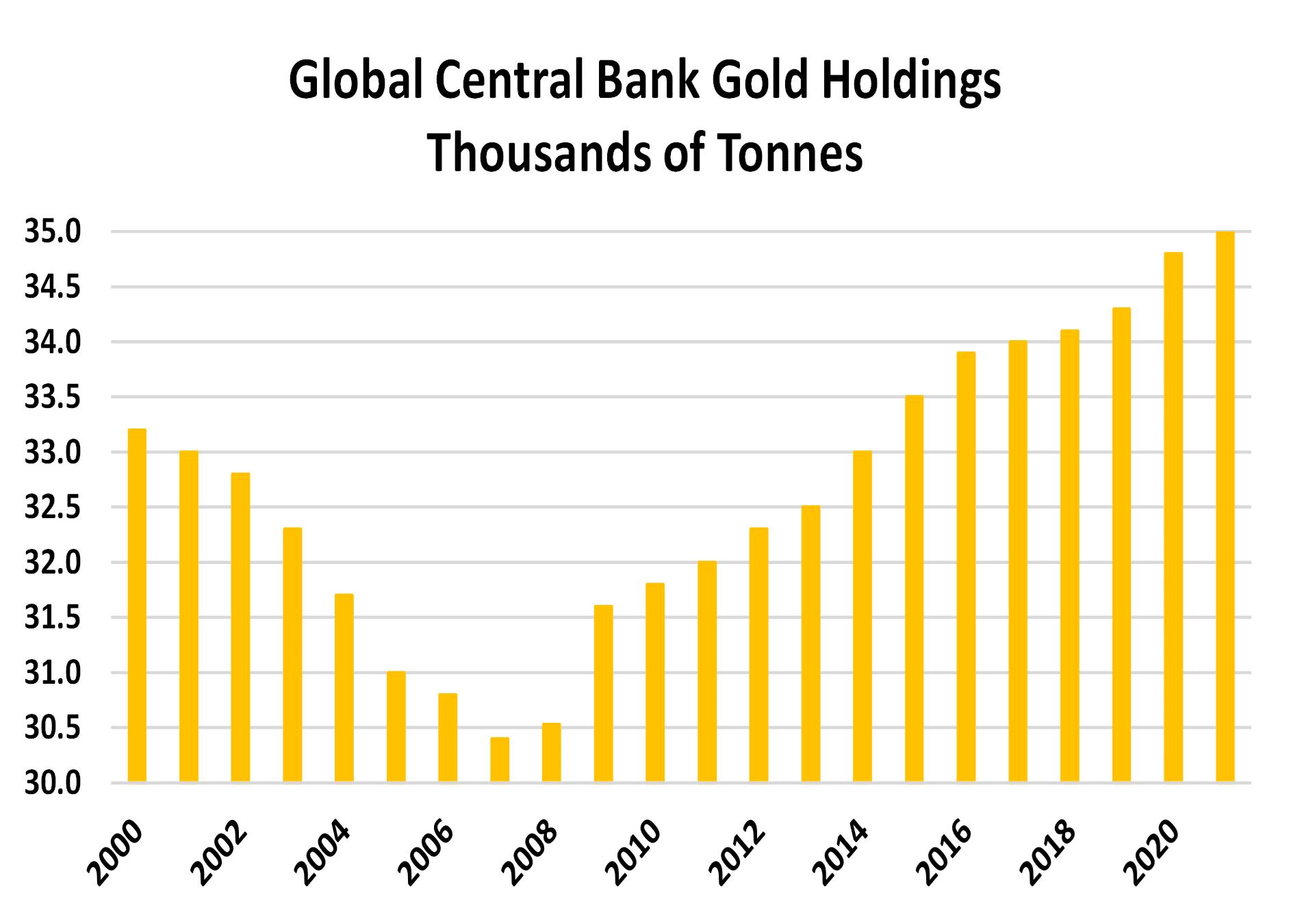
    Central-bank purchases have also provided important long-term support.

    Many countries continue increasing gold reserves as part of broader diversification strategies designed to reduce reliance on foreign currencies and strengthen financial resilience.

    Although short-term price movements can be volatile, gold continues serving as an important hedge for many diversified portfolios.


    Bitcoin Attempts to Rebuild Momentum

    Bitcoin has experienced significant volatility throughout the year but remains one of the best-performing major asset classes over longer time horizons.

    Institutional adoption, exchange-traded funds, and growing mainstream acceptance continue supporting the long-term investment case for digital assets.

    However, Bitcoin remains highly sensitive to broader market sentiment.

    When investors become more comfortable taking risk, cryptocurrencies often benefit. During periods of uncertainty, however, digital assets can experience sharp price declines.

    This relationship has caused Bitcoin to behave increasingly like a global macro asset influenced by inflation expectations, interest rates, and investor confidence.


    Interest Rates Continue to Influence Every Market

    Perhaps no single factor has had a greater impact on financial markets than interest rates.

    Central banks spent recent years raising borrowing costs to combat inflation. Although inflation has moderated compared with earlier peaks, policymakers remain cautious about declaring victory.

    Higher interest rates affect nearly every asset class:

    • Stocks face valuation pressure.
    • Bonds become more attractive.
    • Gold loses some appeal because it does not generate income.
    • Housing affordability declines.
    • Corporate borrowing becomes more expensive.
    • Currency markets experience greater volatility.

    Investors now carefully analyze every inflation report and central-bank statement for clues about future policy decisions.


    Bond Markets Signal Ongoing Uncertainty

    Government bond markets continue reflecting uncertainty about the economic outlook.

    Longer-term yields remain elevated compared with historical averages, indicating investors still expect inflation risks to persist.

    Higher bond yields can create challenges for stocks because investors may choose safer fixed-income investments instead of riskier assets.

    Bond markets are often considered one of the most important indicators of investor expectations, making them a critical area to watch during periods of economic transition.


    The U.S. Dollar Remains a Global Safe Haven

    The U.S. dollar continues playing a central role in international finance.

    During periods of global uncertainty, investors frequently move money into dollar-denominated assets because of the currency’s status as the world’s primary reserve currency.

    A stronger dollar can influence:

    • Commodity prices
    • International trade
    • Emerging markets
    • Corporate earnings
    • Currency exchange rates
    • Global investment flows

    Because many commodities are priced in dollars, changes in the currency often have ripple effects across the world economy.


    Oil Prices Add Another Layer of Risk

    Energy markets remain a major source of uncertainty.

    Oil prices have experienced significant fluctuations due to geopolitical tensions, supply concerns, and changing expectations for global demand.

    Higher energy prices can increase inflationary pressure, reduce consumer spending power, and affect corporate profitability.

    This is one reason investors continue monitoring geopolitical developments alongside economic data.


    Diversification Becomes Increasingly Important

    The current environment highlights the importance of diversification.

    Many financial advisers recommend spreading investments across multiple asset classes rather than concentrating heavily in a single sector.

    A diversified portfolio may include:

    • Stocks
    • Bonds
    • Gold
    • Cash
    • Real estate
    • International investments
    • Alternative assets

    Diversification cannot eliminate risk, but it can reduce the impact of volatility in any one area of the market.


    What Investors Should Watch Next

    Several upcoming developments could significantly influence financial markets:

    Inflation Reports

    Inflation data remains one of the most important indicators for central-bank decisions.

    Central-Bank Meetings

    Interest-rate guidance could alter expectations across stocks, bonds, currencies, and commodities.

    Corporate Earnings

    Company results will provide insight into consumer demand and business conditions.

    Employment Data

    Labor-market strength remains a critical measure of economic health.

    Geopolitical Developments

    International conflicts and trade disputes continue affecting investor sentiment.


    Outlook for the Second Half of 2026

    Analysts remain cautiously optimistic.

    Economic growth has slowed but has not collapsed. Inflation has moderated but remains above long-term targets in several regions. Corporate profits remain relatively strong, yet valuations in some sectors appear stretched.

    This combination suggests investors could continue experiencing periods of volatility even if the broader economy avoids a recession.

    Rather than expecting a smooth path higher, many strategists anticipate a market environment defined by frequent shifts in sentiment and increased sensitivity to economic news.


    Conclusion

    Global financial markets are entering a critical period.

    Stocks, gold, Bitcoin, bonds, currencies, and commodities are all responding to a rapidly changing economic landscape shaped by inflation, interest rates, technology, and geopolitics.

    For investors, the key may not be predicting every market move but maintaining discipline, staying diversified, and focusing on long-term objectives. In uncertain environments, patience and risk management often become just as important as identifying the next big opportunity.

  • EUR/USD Stuck at 1.14: Why the World’s Most Traded Currency Pair Can’t Find Its Next Direction

    EUR/USD Stuck at 1.14: Why the World’s Most Traded Currency Pair Can’t Find Its Next Direction

    EUR/USD Stuck at 1.14: Why the World’s Most Traded Currency Pair Can’t Find Its Next Direction


    EUR/USD Stuck at 1.14: Why the World’s Most Traded Currency Pair Can’t Find Its Next Direction

    Published: July 2026
    Category: Finance | Forex | Currency Markets | Global Economy

    The EUR/USD currency pair, the most actively traded foreign exchange pair in the world, continues to hover around the 1.14 support level, leaving traders uncertain about its next major move. Despite several attempts to rebound, the euro has repeatedly struggled to build sustained momentum against the U.S. dollar.

    The current trading range reflects growing uncertainty over the future direction of monetary policy in both the United States and the eurozone. Investors are balancing expectations for interest-rate decisions, inflation data, slowing economic growth, and geopolitical developments that continue to influence global financial markets.

    For currency traders, businesses, and investors, the 1.14 level has become one of the most closely watched technical zones of the year.


    Why Is the 1.14 Level So Important?

    In foreign exchange markets, support levels represent price areas where buying interest has historically been strong enough to prevent further declines.

    For EUR/USD, the 1.14 area has repeatedly attracted buyers over recent weeks.

    Technical analysts believe that holding above this level keeps the broader uptrend intact, while a decisive break below it could trigger additional selling as short-term traders exit their positions.

    Because EUR/USD accounts for roughly one-quarter of global foreign exchange trading volume, movements in this pair often influence broader financial markets.


    Federal Reserve Policy Continues to Drive the Dollar

    One of the biggest reasons EUR/USD remains under pressure is uncertainty surrounding U.S. monetary policy.

    Although inflation has moderated compared with previous years, Federal Reserve officials continue emphasizing that future policy decisions will depend on incoming economic data.

    Higher U.S. interest rates generally strengthen the dollar because international investors can earn better returns from dollar-denominated assets.

    As Treasury yields remain elevated, many investors continue favoring the U.S. dollar over other major currencies.


    European Central Bank Faces Different Challenges

    While the Federal Reserve focuses primarily on inflation and employment, the European Central Bank (ECB) must balance inflation control with weaker economic growth across several eurozone countries.

    Economic activity in parts of Europe has slowed because of:

    • Weak manufacturing output
    • Slower export demand
    • Higher energy costs
    • Soft consumer spending

    These challenges have reduced expectations for aggressive ECB policy tightening, limiting support for the euro.


    Inflation Remains a Key Market Driver

    Inflation data continues influencing both currencies.

    If U.S. inflation remains stubbornly high, traders may expect the Federal Reserve to maintain restrictive monetary policy, supporting the dollar.

    Conversely, weaker inflation could encourage expectations for future rate cuts, potentially allowing EUR/USD to recover.

    Similarly, inflation trends across the eurozone will influence future ECB decisions and investor confidence in the euro.


    Economic Data Is Sending Mixed Signals

    Recent economic reports have painted a mixed picture.

    In the United States:

    • Consumer spending remains relatively resilient.
    • The labor market has stayed stronger than expected.
    • Business investment has slowed modestly.

    In Europe:

    • Manufacturing activity remains weak.
    • Services continue providing some economic support.
    • Business confidence has improved slightly but remains below long-term averages.

    This divergence helps explain why EUR/USD has struggled to establish a clear trend.


    Technical Analysis: Key Levels to Watch

    Many forex traders are closely monitoring important technical levels.

    Support

    • 1.1400
    • 1.1350
    • 1.1300

    Resistance

    • 1.1450
    • 1.1500
    • 1.1600

    A sustained move above 1.1500 could improve bullish sentiment, while a break below 1.1400 may increase selling pressure.

    Technical levels should always be used alongside economic and fundamental analysis rather than as guarantees of future price movements.


    Geopolitical Events Add More Uncertainty

    Global geopolitical developments continue influencing currency markets.

    Investors remain focused on:

    • International trade negotiations
    • Energy market volatility
    • Middle East developments
    • Political uncertainty in Europe

    During periods of heightened uncertainty, the U.S. dollar often benefits from its status as the world’s primary reserve currency.


    How Businesses Are Affected

    EUR/USD movements affect far more than forex traders.

    Changes in exchange rates influence:

    • International trade
    • Tourism
    • Import and export costs
    • Corporate earnings
    • Overseas investments

    European exporters generally benefit from a weaker euro because their products become more competitive abroad, while importers often face higher costs.


    What Traders Are Watching Next

    Several upcoming events could determine the pair’s next major move:

    • U.S. inflation reports
    • Federal Reserve policy meetings
    • European Central Bank decisions
    • Eurozone GDP data
    • U.S. employment reports
    • Purchasing Managers’ Index (PMI) surveys
    • Consumer confidence indicators

    Each of these releases has the potential to increase market volatility.


    Expert Outlook

    Many currency strategists believe EUR/USD is likely to remain range-bound until markets receive clearer signals about future monetary policy.

    If U.S. inflation continues to ease and the Federal Reserve adopts a more accommodative tone, the euro could regain strength.

    However, if economic growth in Europe weakens further while the U.S. economy remains resilient, the dollar may continue outperforming the euro.

    For now, traders expect the 1.14 level to remain a critical area of support that could determine the currency pair’s direction during the coming months.


    Conclusion

    The EUR/USD pair continues to struggle around the 1.14 support level as investors weigh competing economic forces on both sides of the Atlantic. While the U.S. dollar benefits from relatively strong economic performance and higher interest rates, the euro faces challenges from slower growth and cautious monetary policy expectations.

    Until there is greater clarity from the Federal Reserve and the European Central Bank, EUR/USD is likely to remain sensitive to every major economic report. Traders and investors should monitor inflation, interest rates, and geopolitical developments closely, as these factors are expected to drive the next significant move in the world’s most traded currency pair.

  • Gold Jumps to a Two-Week High: Safe-Haven Demand Returns as Global Uncertainty Grows

    Gold Jumps to a Two-Week High: Safe-Haven Demand Returns as Global Uncertainty Grows

    Gold Jumps to a Two-Week High: Safe-Haven Demand Returns as Global Uncertainty Grows


    https://images.openai.com/static-rsc-4/upse8RdU8ADcjZJN2RYZT6YsMtWQKMfdgjpA_raota3BihPUqrIC2UIhybheFbB_lj2FagpbZBBW6_vDx_mN8gGeAwUvBbIwgByNCnaIs3RoUX8nua30RIrpwdxLvXSOuxEwqcl3WfPpW8ebvb0Ohl0LguOPDiJwDPCOT7wmt8CGmVSfBCi6FWJA0DOWVpjb?purpose=fullsize
    https://images.openai.com/static-rsc-4/TKR4bGeVwyy2Bop3dI4gXafL2sHEq-vUAbk1bWL--gs30kRYX_nqOOgbUV6V14FRV62s9RyExMZs_51QJ30ECGM6tsdnbAEM89pfRcGQJTcV6Yssthv8ATwc7DLEKT-2n6DEUp8bfP_dHgjDyYgTnVC43bVpCJnqTnGB7YEHq1GH8c5UP66nWAU2BW4zp7Qc?purpose=fullsize
    https://images.openai.com/static-rsc-4/MmqOsLX7ElTKv6rGsL81FP1KPlP2nIvFQpy4a4DikcIGl6oqJPb3CFnbYRTgYqWwiNx_62A-lTwm2v5Fh-bvot9hQjs7iQmj2PWyX7nwS1lrRRXBdtJuUiYw8bDo_QDitwP6xCIk-tpKRpbVBSAS4rzMMDnDwhwIx1bIz3gU6K-d-Bd76UDBm4cKd6vOJUha?purpose=fullsize

    7

    Gold Jumps to a Two-Week High: Safe-Haven Demand Returns as Global Uncertainty Grows

    Published: July 22, 2026
    Category: Finance | Commodities | Gold | Market News

    Gold prices climbed to their highest level in two weeks on Wednesday as investors sought safety amid escalating geopolitical tensions and shifted expectations for U.S. monetary policy. Spot gold rose above $4,130 per ounce during trading, while U.S. gold futures also advanced, supported by a weaker U.S. dollar, technical buying, and renewed safe-haven demand.

    The rally follows several volatile trading sessions during which gold struggled to maintain momentum after reaching record highs earlier this year. Market participants are now focusing on the upcoming U.S. Federal Reserve meeting, where policymakers are widely expected to leave interest rates unchanged but could provide new guidance on inflation and future monetary policy.


    Gold Regains Momentum

    After falling sharply last week, buyers returned to the gold market as bargain hunters stepped in.

    Spot gold briefly traded above $4,140 per ounce, marking its strongest performance since early July. Analysts say the rebound was driven by three major factors:

    • Increased safe-haven demand
    • A weaker U.S. dollar
    • Technical buying after the recent correction

    These developments helped reverse much of last week’s decline and restored confidence among precious-metals investors.


    Middle East Conflict Continues Supporting Gold

    Geopolitical uncertainty remains one of the biggest drivers of gold prices.

    The ongoing conflict involving the United States and Iran has increased concerns about global energy supplies and international trade. Oil prices have remained elevated, increasing worries that inflation could remain stubbornly high.

    Whenever geopolitical risks rise, many investors shift capital toward traditional safe-haven assets such as gold because of its long history as a store of value.


    Federal Reserve Meeting Takes Center Stage

    The next Federal Reserve meeting is expected to be one of the most important events for financial markets this month.

    Although economists generally expect interest rates to remain unchanged, investors will closely analyze every statement from policymakers for clues about future rate decisions.

    Gold typically benefits when markets expect lower interest rates because:

    • Holding gold becomes more attractive relative to bonds.
    • The U.S. dollar often weakens.
    • Investment demand for precious metals increases.

    However, if policymakers indicate that rates may stay higher for longer, gold could face renewed pressure.


    Dollar Weakness Boosts Bullion

    The U.S. dollar softened during Wednesday’s trading session.

    Since gold is priced globally in U.S. dollars, a weaker dollar makes bullion less expensive for buyers using other currencies, often increasing global demand.

    Currency movements remain one of the strongest short-term influences on precious-metal prices.


    Central Banks Continue Supporting the Market

    Long-term demand remains supported by central banks around the world.

    Many countries continue expanding their gold reserves to diversify away from foreign currencies and strengthen financial resilience.

    This steady institutional demand has become one of the strongest structural supports for the gold market and helps reduce the impact of temporary investor selling.


    Gold Mining Companies Prepare for Strong Earnings

    While investors focus on bullion prices, gold mining companies are preparing to report second-quarter earnings.

    Higher average gold prices are expected to significantly increase profits for many of the world’s largest miners. However, rising fuel prices and higher operating costs linked to energy markets could offset part of those gains.

    Mining companies are also investing in:

    • New exploration projects
    • Automation technology
    • Renewable energy
    • More efficient extraction methods

    Physical Gold Demand Remains Resilient

    Demand for physical gold has remained relatively stable despite recent volatility.

    Consumers continue purchasing:

    • Gold jewelry
    • Gold coins
    • Investment bars
    • Collectible bullion

    Jewelry demand in Asia and the Middle East continues to provide an important foundation for the global gold market.


    Key Levels Investors Are Watching

    Technical analysts believe several important price levels could determine gold’s next move.

    Resistance

    • $4,150
    • $4,200
    • $4,375

    Support

    • $4,100
    • $4,050
    • $4,000

    A sustained move above resistance could encourage additional buying, while a break below support may trigger profit-taking. These levels are technical reference points rather than guarantees.


    Risks That Could Affect Gold

    Several factors may influence prices over the coming weeks:

    • Federal Reserve policy decisions
    • Inflation reports
    • U.S. Treasury yields
    • U.S. dollar movements
    • Oil prices
    • Geopolitical developments
    • Central-bank buying activity

    Investors should monitor these indicators because they often drive short-term price swings.


    Outlook

    Many commodity analysts remain cautiously optimistic.

    Safe-haven demand, ongoing central-bank purchases, and expectations that interest rates may eventually stabilize continue supporting the long-term investment case for gold.

    At the same time, elevated oil prices and uncertainty surrounding inflation suggest that volatility is likely to remain high.

    For long-term investors, gold continues to play an important role as a portfolio diversifier and a hedge against economic and geopolitical uncertainty.

  • 🔥Gold Rebounds Above $4,070 as Ceasefire Hopes Shake Safe-Haven Markets

    🔥Gold Rebounds Above $4,070 as Ceasefire Hopes Shake Safe-Haven Markets

    Gold Rebounds Above $4,070 as Ceasefire Hopes Shake Safe-Haven Markets


    Image
    Image
    Image
    Image
    Image
    Image
    Image

    Gold Rebounds Above $4,070 as Ceasefire Hopes Shake Safe-Haven Markets

    Published: July 21, 2026
    Category: Finance | Commodities | Gold | Investing

    Gold prices moved higher on Tuesday, July 21, as investors reacted to diplomatic efforts aimed at easing tensions between the United States and Iran. After several volatile trading sessions, bullion gained more than 1%, with New York gold futures rising to about $4,071.90 per ounce. The move came as traders reassessed geopolitical risks, inflation expectations, and the outlook for U.S. interest rates. (The Wall Street Journal)

    Although hopes for a ceasefire reduced some immediate safe-haven demand, gold remained well supported because investors continue to worry about persistent inflation, elevated bond yields, and uncertainty surrounding the Federal Reserve’s next policy decision. Markets are widely expecting the Fed to leave interest rates unchanged at its upcoming meeting, but traders are still assigning meaningful odds to another rate increase later this year. (The Wall Street Journal)


    Gold Recovers After Recent Weakness

    Gold had spent much of the previous week under pressure as higher Treasury yields and a stronger U.S. dollar reduced the appeal of non-interest-bearing assets.

    Tuesday’s rebound reflected renewed buying from investors who viewed the recent pullback as an opportunity rather than a signal of a long-term downtrend.

    Analysts noted that bullion continues to find strong support whenever prices approach the $4,000-per-ounce level, which has become an important psychological floor for the market. (The Wall Street Journal)


    Diplomatic Efforts Calm Markets

    The latest price movement was driven largely by reports that international mediators were pushing for a ceasefire between the United States and Iran.

    While easing geopolitical tensions can sometimes reduce demand for safe-haven assets such as gold, the market response has been more balanced because investors remain concerned that energy prices and inflation could stay elevated.

    Oil prices have been one of the biggest influences on gold during recent weeks. Rising crude prices increase inflation risks, while falling oil prices can reduce pressure on central banks to tighten monetary policy. (The Wall Street Journal)


    Federal Reserve Remains the Biggest Driver

    Even more important than geopolitics is the outlook for U.S. interest rates.

    Gold generally performs better when investors expect lower interest rates because the opportunity cost of holding bullion declines.

    At present, markets expect the Federal Reserve to hold rates steady at its next meeting. However, futures markets continue to indicate roughly a 60% probability of another rate increase later this year if inflation remains stubborn. (The Wall Street Journal)

    For gold investors, every inflation report and every speech from Federal Reserve officials could trigger significant price swings.


    Central Banks Continue Buying Gold

    One of the strongest long-term supports for the gold market remains demand from central banks.

    According to the World Gold Council, 89% of reserve managers expect global central bank gold holdings to increase over the next 12 months, while a record share of respondents plan to add gold to their own reserves. (World Gold Council)

    This trend reflects several long-term objectives:

    • Diversifying reserve portfolios
    • Reducing dependence on foreign currencies
    • Protecting against geopolitical uncertainty
    • Strengthening financial stability

    Because central banks typically invest with multi-year horizons, their purchases provide an important source of demand even during periods of market volatility.


    Physical Demand Remains Strong

    Demand from consumers has also remained resilient.

    Jewelry purchases across Asia and the Middle East continue to support the physical market, while investors are steadily buying:

    • Gold bars
    • Gold coins
    • Gold-backed ETFs
    • Collectible bullion

    China’s physical gold demand has remained particularly supportive despite short-term price fluctuations. (The Wall Street Journal)


    Gold Mining Companies Benefit From High Prices

    Mining companies continue generating strong revenues thanks to historically elevated gold prices.

    However, producers also face growing challenges, including:

    • Higher labor costs
    • Rising diesel prices
    • More expensive mining equipment
    • Environmental compliance costs

    Companies with efficient operations are expected to outperform if gold prices remain near current levels.


    What Investors Should Watch

    Several events could determine gold’s direction during the coming weeks:

    Federal Reserve Meeting

    Interest-rate guidance will remain the single most important driver of bullion prices.

    Inflation Reports

    Lower inflation could support gold by reducing expectations for additional rate hikes.

    Bond Yields

    Higher Treasury yields often pressure gold prices.

    U.S. Dollar

    A stronger dollar usually makes gold more expensive for international buyers.

    Geopolitical Developments

    Any escalation—or lasting de-escalation—in the Middle East could quickly influence safe-haven demand.


    Expert Outlook

    Commodity analysts believe gold remains in a transitional phase.

    The World Gold Council recently described the second half of 2026 as a pivotal period in which geopolitical developments, interest-rate expectations, and investor positioning are likely to determine the metal’s next major trend. (World Gold Council)

    Some analysts believe gold could challenge previous highs if bond yields decline later this year, while others expect prices to remain range-bound until there is greater clarity on monetary policy.


    Conclusion

    Gold has regained momentum after rebounding above $4,070 per ounce, supported by bargain buying, resilient physical demand, and continued central-bank purchases. While hopes for a ceasefire in the Middle East have eased some immediate market anxiety, investors remain focused on inflation, bond yields, and the Federal Reserve’s next move.

    For long-term investors, gold continues to serve as an important portfolio diversifier and hedge against economic uncertainty. Although short-term volatility is likely to persist, strong official-sector demand and ongoing geopolitical risks suggest the precious metal will remain one of the world’s most closely watched assets throughout the second half of 2026. (The Wall Street Journal)


    Alt Text for Images

    1. Gold bullion bars stored inside a high-security bank vault.
    2. Professional commodities trader monitoring live gold price charts.
    3. Investor holding an investment-grade gold bullion bar.
    4. Central bank vault containing official gold reserves.
    5. Gold coins displayed on a financial newspaper beside market data.
    6. Financial analyst reviewing precious-metals charts on multiple monitors.
    7. Modern financial district skyline symbolizing global gold investment markets.
  • Bitcoin Whales Are Buying Again: Can BTC Rally Back Above $70,000 Before the End of 2026?

    Bitcoin Whales Are Buying Again: Can BTC Rally Back Above $70,000 Before the End of 2026?

    Bitcoin Whales Are Buying Again: Can BTC Rally Back Above $70,000 Before the End of 2026?


    Image
    Image
    Image
    Image

    Bitcoin Whales Are Buying Again: Can BTC Rally Back Above $70,000 Before the End of 2026?

    Published: July 2026
    Category: Finance | Cryptocurrency | Market Update

    Bitcoin is back in the spotlight as large investors—commonly known as “whales”—appear to be increasing their holdings following weeks of volatile trading. While Bitcoin has struggled to maintain momentum above the $65,000 level, blockchain data and renewed institutional interest suggest that some of the market’s biggest players are preparing for the next phase of the cryptocurrency cycle.

    The world’s largest digital asset has spent much of July moving between $62,000 and $65,000, reflecting a tug-of-war between buyers encouraged by easing inflation and sellers concerned about geopolitical tensions and interest-rate uncertainty. Recent spot Bitcoin ETF inflows and improved macroeconomic sentiment have also supported prices, although volatility remains elevated. (Investopedia)

    For investors, the key question is whether this period of consolidation is laying the groundwork for another rally—or simply delaying another correction.


    Bitcoin Finds Support After Weeks of Volatility

    After dropping below $60,000 late last month, Bitcoin staged an impressive recovery as financial markets responded positively to softer U.S. inflation data.

    The rebound pushed BTC back above $63,000, reversing much of June’s decline and restoring confidence among long-term investors. Analysts say the move reflects improving market sentiment rather than a dramatic change in Bitcoin’s underlying fundamentals. (CoinDesk)

    Even so, trading activity has become more cautious as investors wait for additional economic data and signals from central banks.


    Whale Investors Are Accumulating Bitcoin

    Large Bitcoin holders have attracted attention after reports indicated that major crypto wallets have continued accumulating coins despite recent market uncertainty.

    Historically, whale accumulation has often coincided with periods when experienced investors believe prices are attractive for long-term positions.

    While whale activity alone cannot predict future price movements, it is widely monitored because these investors often influence market liquidity and sentiment. Recent blockchain tracking has highlighted significant purchases by large holders. (Sharpe Terminal)


    Bitcoin ETFs Continue to Support Demand

    Another important factor supporting Bitcoin is continued interest in spot Bitcoin exchange-traded funds (ETFs).

    These investment products allow traditional investors to gain exposure to Bitcoin without directly owning or storing cryptocurrency.

    After several sessions of outflows earlier this month, ETFs recently returned to positive inflows, suggesting institutional investors remain interested despite ongoing volatility. (Investopedia)

    Growing ETF participation has become one of the strongest long-term drivers of demand because it broadens access to Bitcoin for pension funds, wealth managers, and retail investors.


    Inflation Remains a Major Driver

    Bitcoin has become increasingly sensitive to macroeconomic news.

    Recent inflation data came in lower than expected, encouraging investors to believe that central banks may avoid additional aggressive interest-rate increases.

    Lower inflation generally improves demand for risk assets, including technology stocks and cryptocurrencies, because investors anticipate easier financial conditions. (MarketWatch)

    However, economists caution that future inflation reports could quickly change market expectations.


    Geopolitical Risks Still Weigh on Crypto Markets

    Despite improving sentiment, geopolitical uncertainty remains one of Bitcoin’s biggest short-term risks.

    Renewed tensions involving the United States and Iran have periodically triggered “risk-off” trading across financial markets, pushing investors toward traditional safe-haven assets such as gold and government bonds. During one recent bout of market stress, Bitcoin fell below $63,000 alongside technology stocks. (Barron’s)

    These events highlight that Bitcoin now behaves more like a global financial asset than an isolated digital currency.


    Corporate Bitcoin Holders Face Pressure

    Companies that hold large Bitcoin reserves continue to attract investor attention.

    Some firms have recently sold portions of their holdings to strengthen cash reserves and support corporate financing needs, illustrating the challenges businesses face when cryptocurrency prices fluctuate sharply. One prominent example is Strategy (formerly MicroStrategy), which disclosed Bitcoin sales as part of its treasury management strategy. (Reuters)

    Although these sales have raised questions, many corporate holders continue viewing Bitcoin as a strategic long-term asset.


    What Technical Analysts Are Watching

    Market technicians are focused on several key price levels.

    Resistance

    • $65,000
    • $68,000
    • $70,000

    Breaking above these levels could encourage additional buying momentum.

    Support

    • $62,000
    • $60,000
    • $58,000

    If Bitcoin falls below these support zones, traders may expect increased volatility.

    Technical analysis should be considered alongside fundamental economic developments rather than used in isolation.


    Risks Investors Should Consider

    Although optimism has improved, several challenges remain:

    • Future Federal Reserve policy decisions
    • Inflation surprises
    • Geopolitical conflicts
    • Cryptocurrency regulations
    • Cybersecurity risks
    • Market volatility

    Bitcoin has historically experienced large price swings, making careful risk management essential.


    Outlook for the Rest of 2026

    Many analysts remain constructive on Bitcoin’s long-term outlook.

    Institutional adoption continues expanding, Bitcoin ETFs have increased mainstream participation, and blockchain technology remains a growing part of the global financial system.

    Nevertheless, the market is expected to remain highly sensitive to inflation data, interest-rate expectations, and geopolitical developments throughout the second half of 2026. Investors should prepare for continued volatility even if the broader long-term trend remains positive. (Investopedia)


    Final Thoughts

    Bitcoin’s recovery has renewed optimism across the cryptocurrency market, but the path ahead is unlikely to be smooth. Whale accumulation, ETF inflows, and improving macroeconomic conditions provide reasons for confidence, while inflation, global tensions, and regulatory uncertainty continue to create risks.

    For long-term investors, maintaining a diversified portfolio and focusing on disciplined investment strategies may be more effective than reacting to every short-term price swing.


  • Gold Prices Slide Below $4,000: Is This a Buying Opportunity or the Start of a Bigger Correction?

    Gold Prices Slide Below $4,000: Is This a Buying Opportunity or the Start of a Bigger Correction?

    Gold Prices Slide Below $4,000: Is This a Buying Opportunity or the Start of a Bigger Correction?


    Image
    Image
    Image
    Image
    Image
    Image
    Image

    Gold Prices Slide Below $4,000: Is This a Buying Opportunity or the Start of a Bigger Correction?

    Published: July 2026
    Category: Finance | Commodities | Precious Metals

    Global gold prices have entered one of their most closely watched periods of 2026 after falling below the psychologically important $4,000-per-ounce level. The decline comes after months of record-breaking gains that pushed bullion to all-time highs earlier this year.

    The recent pullback has surprised many investors because gold is traditionally viewed as one of the world’s safest assets during times of uncertainty. Instead of climbing on geopolitical tensions, the precious metal has weakened as rising U.S. Treasury yields, a stronger U.S. dollar, and expectations of higher interest rates reduced demand for non-yielding assets. (Reuters)

    Despite the correction, many analysts believe gold’s long-term outlook remains positive. Investors are now debating whether the current decline represents a healthy consolidation after an extraordinary rally—or the beginning of a more prolonged downturn.


    Why Gold Prices Are Falling

    Gold prices are influenced by several major economic forces, and multiple factors have combined to pressure the market in recent weeks.

    Rising Interest Rate Expectations

    The biggest challenge for gold has been renewed expectations that the U.S. Federal Reserve could keep interest rates higher for longer.

    Higher interest rates generally reduce the appeal of gold because the metal does not generate interest or dividend income. When government bonds offer higher yields, many investors shift money away from precious metals toward income-producing assets. (Reuters)


    Stronger U.S. Dollar

    Gold is priced globally in U.S. dollars.

    When the dollar strengthens, gold becomes more expensive for international buyers using other currencies. This typically reduces global demand and places downward pressure on prices. Recent gains in the U.S. dollar have therefore been another major headwind for bullion.


    Geopolitical Tensions Aren’t Always Bullish

    Normally, geopolitical conflicts increase demand for safe-haven assets like gold.

    However, the latest escalation in Middle East tensions has also pushed oil prices higher, increasing inflation concerns. Higher energy prices have strengthened expectations that central banks may maintain tighter monetary policy, offsetting gold’s traditional safe-haven appeal. (Reuters)


    Gold’s Incredible Rally Earlier This Year

    The recent correction follows one of the strongest rallies in gold’s history.

    Earlier in 2026, gold reached record highs above $5,400 per ounce, supported by geopolitical uncertainty, central-bank buying, and strong investor demand. According to the World Gold Council, gold set more than a dozen all-time highs before retreating as investors took profits and markets reassessed interest-rate expectations. (World Gold Council)

    Even after the recent decline, gold remains one of the best-performing major asset classes over the past year.


    Central Banks Continue Buying Gold

    One of the strongest long-term supports for the gold market remains central-bank demand.

    Many countries continue increasing their gold reserves as part of efforts to diversify away from foreign currencies and strengthen national financial stability.

    Central-bank purchases have become an increasingly important source of demand, helping offset periods of weaker investment flows. Analysts believe this trend could continue if geopolitical uncertainty remains elevated. (World Gold Council)


    What Does This Mean for Investors?

    Market experts are divided.

    Some believe the decline represents nothing more than a healthy correction after a powerful rally. Profit-taking is common after prices reach record highs, and periods of consolidation often occur before a longer-term trend resumes.

    Others warn that if interest rates continue rising and the dollar remains strong, gold could remain under pressure for several months.

    For long-term investors, the current environment highlights the importance of patience rather than reacting to short-term price swings.


    Physical Gold Demand Remains Healthy

    While financial markets have experienced volatility, demand for physical gold remains relatively resilient in many regions.

    Consumers continue purchasing:

    • Gold jewelry
    • Gold coins
    • Investment bars
    • Collectible bullion

    Physical demand often provides an important floor for prices during periods of financial-market weakness.


    Gold Mining Companies Face New Challenges

    Gold producers are also closely monitoring price movements.

    Although gold prices remain historically high, mining companies face increasing production costs due to:

    • Higher fuel prices
    • Labor shortages
    • Rising equipment costs
    • Environmental regulations

    Companies with lower operating costs remain better positioned to generate strong profits even if bullion prices continue to fluctuate.


    Factors Investors Should Watch

    Several upcoming developments could determine gold’s direction during the remainder of 2026:

    • Federal Reserve interest-rate decisions
    • U.S. inflation reports
    • Treasury bond yields
    • U.S. dollar performance
    • Geopolitical developments
    • Central-bank gold purchases
    • Global economic growth

    These indicators are likely to have a significant impact on investor sentiment toward precious metals.


    Could Gold Recover?

    Many analysts believe the longer-term case for gold remains intact despite recent weakness.

    If inflation begins to cool further, central banks eventually reduce interest rates, or geopolitical uncertainty intensifies, investors could once again increase allocations to safe-haven assets.

    The World Gold Council describes the second half of 2026 as a pivotal period in which geopolitical risk, interest-rate expectations, and investor positioning will largely determine gold’s next major move. (World Gold Council)


    Final Thoughts

    Gold’s recent decline below $4,000 per ounce has attracted significant attention from investors worldwide. Although higher interest-rate expectations and a stronger U.S. dollar have weighed on prices, the precious metal continues to benefit from strong long-term fundamentals, including central-bank buying and its role as a portfolio diversifier.

    Whether this correction becomes a buying opportunity or signals a deeper pullback will depend largely on inflation trends, Federal Reserve policy, and global geopolitical developments. For investors with a long-term horizon, maintaining a diversified portfolio and monitoring macroeconomic indicators remain the best strategies in an uncertain market.


    WordPress SEO

    Category

    • Finance
    • Commodities
    • Gold
    • Investing

    Tags

    Gold Prices, Gold News, Precious Metals, Gold Market, Bullion, Safe Haven, Federal Reserve, Inflation, U.S. Dollar, Interest Rates, Gold Investment, Gold Mining, Commodities, Central Banks, Market Update

    SEO Title

    Gold Prices Fall Below $4,000: What the Latest Market Correction Means for Investors

    Meta Description

    Gold prices have dropped below $4,000 per ounce as higher interest-rate expectations and a stronger U.S. dollar pressure the market. Discover what’s driving the decline and what investors should watch next.


    Alt Text for Images

    1. Stacked gold bars stored inside a secure bullion vault.
    2. Investor holding gold coins while monitoring live gold price charts on a laptop.
    3. Luxury gold jewelry displayed inside a modern jewelry showroom.
    4. Financial analyst studying gold price charts and commodity market data.
    5. Large open-pit gold mining operation with heavy excavation equipment.
    6. Safe deposit box containing investment-grade gold bullion bars and coins.
    7. **Global financial market illustration showing gold price trends and investment activity.
  • 🚨 Global Finance Update: AI Rally Faces Reality as Central Banks, Oil Prices, and Earnings Take Center Stage

    🚨 Global Finance Update: AI Rally Faces Reality as Central Banks, Oil Prices, and Earnings Take Center Stage

    https://images.openai.com/static-rsc-4/-6BePjU-yhZq2_EzcJhtQU6VgCl2dFU2lVctVfNvq7XnImlzZojfd0_EtER8EqH50WOF6I0lFCo-ZR8NYRgW7LMx6eyM1sdrxLacO45Lf-zX_eZUKhTLwSQl7zQNzN8AX5CDTLWMBPOtFaJI_bG1aZIkWEAoF2B2Ect32VnuUdeqqt_GyuhMHYHrQ1rNtVot?purpose=fullsize
    https://images.openai.com/static-rsc-4/H38ACo9NEiBOE261WVy6GmF6_7iz0W6vHaKk1i85_PY8NuHzVj5BoLojv2iMv3AC_iCkFKVZWvY7LUPkq4fclEoxpQ00wJNeitwSk5K1wbeGvi9BDSHpxm_Vl9JBip1Hde21cMg4W9GTFq-GXw9M1ogmJj62yMtyq0FsS5yJKxx7H6VSpSZ_bWKZ7_FNK1MD?purpose=fullsize
    https://images.openai.com/static-rsc-4/aubff0LD-bwROxd4FiUVhDfCAquhLweiT8GYEBm4nxc8V-NwF35hpTb-pqNpJSzSPnIsI9X18j0kSr3S3nmK_-pGxqVIrT4qxSxXgV4YeDp03ZPvjJBo_aNVTQ6AzjxCrLcWuKMeeVdv73ckwKl45OBDaNoR9I9xYTHhJ0bomBCtm1r_YJ83JUSZgKXsovwv?purpose=fullsize

    4

    Global Finance Update: Markets Brace for a Week That Could Shape the Rest of 2026

    Global financial markets are entering one of the most closely watched periods of the year as investors prepare for a series of events that could determine the direction of stocks, bonds, commodities, and currencies throughout the remainder of 2026. Earnings reports from some of the world’s largest technology companies, policy decisions from major central banks, and continuing geopolitical uncertainty are all converging at the same time.

    Although global stock indices remain near record highs, analysts are becoming increasingly cautious. Investors have enjoyed an extraordinary rally driven largely by artificial intelligence (AI), but questions are now emerging about whether corporate profits can continue growing quickly enough to justify today’s elevated valuations. At the same time, rising oil prices and renewed geopolitical tensions have added another layer of uncertainty to an already complex investment environment.

    AI Continues to Dominate Market Sentiment

    Artificial intelligence remains the most influential investment theme in global markets. Over the past year, companies involved in AI chips, cloud computing, data centers, and software infrastructure have attracted enormous investor interest.

    Major technology firms continue investing billions of dollars in expanding AI infrastructure, believing demand for generative AI services will continue growing across industries including healthcare, finance, manufacturing, education, and cybersecurity.

    Semiconductor manufacturers remain among the biggest winners because advanced AI systems require increasingly powerful processors. Demand for high-performance chips has created strong revenue growth for leading hardware suppliers and helped lift broader stock markets.

    However, analysts warn that expectations have become extremely high. Investors are no longer satisfied with strong earnings alone—they expect rapid revenue growth and clear evidence that AI investments are translating into sustainable profits. Any disappointment could trigger significant market volatility.

    Earnings Season Becomes the Next Major Test

    This week’s corporate earnings season is expected to play a decisive role in determining market direction.

    Several major companies are scheduled to release quarterly results, including firms in technology, banking, consumer spending, and industrial manufacturing. Investors will focus on:

    • Revenue growth
    • Profit margins
    • AI-related capital spending
    • Consumer demand
    • Executive forecasts
    • Hiring trends

    Technology companies remain under particular scrutiny because many have dramatically increased spending on AI infrastructure over the past two years. Investors want confirmation that these massive investments will eventually generate stronger profits rather than simply increasing costs.

    Central Banks Continue Their Careful Balancing Act

    Monetary policy remains another critical factor affecting global financial markets.

    The European Central Bank is widely expected to keep interest rates unchanged while monitoring inflation and economic growth. Policymakers remain cautious despite signs that inflation has moderated in many regions.

    In the United States, investors continue analyzing every statement from Federal Reserve officials for clues about future interest-rate decisions. Although inflation has cooled significantly compared with previous years, officials remain concerned that higher energy prices and geopolitical tensions could slow progress toward long-term inflation targets.

    Oil Prices Add Fresh Inflation Risks

    Energy markets have once again become one of the biggest drivers of investor sentiment.

    Renewed tensions in the Middle East have increased concerns about possible disruptions to global oil supplies. Higher crude oil prices affect nearly every sector of the economy because transportation, manufacturing, logistics, and agriculture all depend heavily on energy.

    If oil prices remain elevated, consumers may face:

    • Higher gasoline prices
    • More expensive airline tickets
    • Increased shipping costs
    • Rising food prices
    • Higher manufacturing expenses

    Financial markets generally become more volatile whenever energy prices rise rapidly because higher oil prices can push inflation upward and reduce corporate profits.

    Global Economic Growth Shows Mixed Signals

    Recent economic data present a mixed picture.

    The United States continues showing relatively resilient consumer spending and employment, helping support economic activity despite higher borrowing costs.

    Meanwhile, China’s economy has produced conflicting signals. Export performance has remained relatively strong, particularly in technology-related industries, while domestic demand and the property sector continue facing significant challenges. Investors are watching closely because China’s economic performance has important implications for global manufacturing, commodity demand, and international trade.

    Stock Valuations Raise New Questions

    One of the biggest debates among professional investors is whether global equity markets have become too expensive.

    Several valuation indicators suggest U.S. stocks are trading near historically elevated levels after the AI-driven rally. Some analysts compare today’s enthusiasm with previous periods of rapid technological innovation that eventually experienced sharp market corrections.

    This does not necessarily indicate an imminent crash. High valuations can persist for extended periods when corporate earnings continue growing. Nevertheless, experts emphasize that higher valuations generally reduce the margin of safety for investors and increase the market’s sensitivity to disappointing news.

    Banking Sector Remains Relatively Stable

    Despite ongoing market uncertainty, the global banking system appears considerably stronger than during previous financial crises.

    Banks continue maintaining healthy capital levels while benefiting from higher interest-rate environments that have supported lending margins. Financial regulators also continue monitoring liquidity conditions to ensure financial institutions remain resilient against potential market shocks.

    Stable banking conditions provide an important foundation for the broader economy because healthy credit markets support business investment and consumer spending.

    Key Risks Investors Should Watch

    Although the overall economic outlook remains constructive, several important risks deserve attention during the coming months:

    • Escalating geopolitical conflicts
    • Higher oil prices
    • Persistent inflation
    • Slower corporate earnings growth
    • Elevated stock valuations
    • Unexpected changes in central bank policy

    Markets often react quickly whenever multiple risks occur simultaneously, making diversification and disciplined investing increasingly important.

    Opportunities Still Exist

    Despite these challenges, analysts continue identifying several long-term investment themes that may support future growth.

    Artificial intelligence remains one of the strongest structural trends in global markets, while cloud computing, cybersecurity, renewable energy, advanced manufacturing, and digital infrastructure continue attracting significant investment.

    Long-term investors generally focus on diversified portfolios rather than attempting to predict short-term market movements. Economic cycles naturally produce periods of optimism and uncertainty, but disciplined investing has historically rewarded patience over time.

    Outlook for the Second Half of 2026

    Looking ahead, financial markets are expected to remain highly data-dependent.

    Upcoming inflation reports, employment figures, corporate earnings, and central-bank decisions will likely determine whether the recent market rally continues or enters a period of consolidation.

    While uncertainty remains elevated, the global economy continues demonstrating resilience. Businesses continue investing in technology, consumers remain active across many major economies, and financial institutions remain relatively well-capitalized.

    For investors, maintaining a balanced portfolio, following economic developments carefully, and avoiding emotional investment decisions may be the most effective strategy during a period of heightened market uncertainty.

  • Finance Update 2026: Cooling Inflation Lifts Markets While Oil Prices and Global Risks Keep Investors on Alert

    Finance Update 2026: Cooling Inflation Lifts Markets While Oil Prices and Global Risks Keep Investors on Alert

    https://images.openai.com/static-rsc-4/T3tFCOrQ1tlzjEiy2e85MCf7udzdMoVWPegQNpAwwLNcb3NmpFrRvhlOQxiy5jQ48H_wtWuXpsJVktQ_RF3CqSOklZMrkovc-ABTryOHWLQy6WxSlyfa1R_wgk0vetUmlwMJXcaoFMyMWYc68COznfUyMMvFOYWHMRTMlkH7TEseFuRuS1MLVajvG5Qzz9XS?purpose=fullsize
    https://images.openai.com/static-rsc-4/vZlMYpqwmkbJO7EB28ysGW_ou85z9HJ7KOrvSyxd77keBZBMeZI0xeMrKBzbfBjWv-c147kC_NqKFgCO-Jb2XpSydbOk8rONorZR8pnWu9vFUGeV0ww_jFxJkhQKG0Ev1IEQiYBXDUC6SzePB8UMaEUiarSGL0WGYjGf-f3NmToN-l1eJ6c_efqzgEfKmNtC?purpose=fullsize
    https://images.openai.com/static-rsc-4/EMt6V-ZfIgD7ecvH0DcDxcAe_7oolfBcV8Difj4hLILSagM-B4RCLsWG8FV0rdO8ltaIfJoGegPqKsL3ceF0kh0ZW-IRy7BGHPGGaQka9MH8kEEve6O7V1HnlN8cM_p6IojpejIqLwKqvSW_gSWJPg17HNto-4sCbONrQaITY9aos5-HZ1DpOqZ7rYMf-QhL?purpose=fullsize

    4

    Finance Update 2026: Cooling Inflation Lifts Markets While Oil Prices and Global Risks Keep Investors on Alert

    Category: Finance News

    Tags: Finance News, Global Markets, Inflation, Federal Reserve, U.S. Dollar, Investing, Stock Market, Bond Market, Oil Prices, AI, Personal Finance, Economic News, Global Economy, Interest Rates, Wealth Management

    Meta Description: Global financial markets gained after fresh inflation data eased concerns over interest rates, while higher oil prices and geopolitical tensions continue to influence investor sentiment.


    Finance Update 2026: Cooling Inflation Lifts Markets While Oil Prices and Global Risks Keep Investors on Alert

    Global financial markets entered the second half of July with renewed optimism after fresh economic data suggested inflation in the United States is continuing to moderate. The latest figures encouraged investors to believe that the Federal Reserve may leave interest rates unchanged in the near term, easing pressure on stocks, bonds, and the broader financial system.

    Despite the encouraging inflation data, uncertainty has not disappeared. Rising oil prices linked to geopolitical tensions, changing expectations for central bank policy, and continued investment in artificial intelligence (AI) remain major forces shaping the financial landscape.

    For investors, businesses, and consumers, understanding these developments is essential for making informed financial decisions.

    Inflation Shows Signs of Cooling

    One of the most closely watched economic indicators is inflation because it directly affects consumer purchasing power and central bank policy.

    Recent U.S. inflation reports showed that price pressures eased more than expected. Softer consumer and producer price data reduced expectations that the Federal Reserve would need another immediate interest-rate increase. Treasury yields also moved lower following the reports, supporting financial markets.

    Lower inflation is generally viewed positively because it may:

    • Reduce borrowing costs over time.
    • Support consumer spending.
    • Improve business confidence.
    • Ease pressure on financial markets.

    Although inflation remains above long-term targets, investors welcomed the latest data as a step in the right direction.

    The U.S. Dollar Weakens

    The softer inflation reports also affected currency markets.

    The U.S. dollar hovered near a one-month low against major global currencies as traders reduced expectations of an imminent Federal Reserve rate increase. A weaker dollar can benefit multinational companies by making U.S. exports more competitive, although it may also contribute to higher import costs.

    Currency markets continue reacting to:

    • Inflation data
    • Interest-rate expectations
    • Geopolitical developments
    • Global economic growth

    Exchange-rate movements remain an important consideration for international businesses and investors.

    Bond Markets Reflect Changing Expectations

    Government bond markets have also adjusted to the changing outlook.

    U.S. Treasury yields remained relatively stable after inflation cooled, while European government bond yields rose as investors anticipated additional interest-rate increases from the European Central Bank amid energy-related inflation concerns.

    Bond investors are currently balancing two competing forces:

    • Cooling inflation in the United States.
    • Rising energy prices linked to geopolitical tensions.

    These developments continue influencing borrowing costs worldwide.

    Oil Prices Add New Uncertainty

    Energy markets remain one of the biggest sources of uncertainty.

    Oil prices have increased following renewed tensions in the Middle East, raising concerns that transportation, manufacturing, and logistics costs could rise in the coming months. Higher energy prices often influence inflation because fuel affects nearly every part of the economy.

    Businesses with significant transportation expenses are monitoring fuel costs carefully while reviewing budgets and pricing strategies.

    Consumers may also experience higher gasoline and utility costs if elevated oil prices persist.

    AI Continues to Drive Investment

    Artificial intelligence remains one of the strongest themes in global financial markets.

    Technology companies continue investing billions of dollars in:

    • AI software
    • Data centers
    • Semiconductor manufacturing
    • Cloud computing
    • Cybersecurity
    • Automation

    Investors continue viewing AI as a long-term growth opportunity because businesses increasingly rely on intelligent software to improve productivity and reduce operating costs.

    Although technology stocks have experienced periods of volatility, AI-related investment remains a major driver of corporate spending.

    What Businesses Are Doing

    Companies across multiple industries are adapting to today’s economic environment by strengthening financial discipline.

    Many organizations are:

    • Expanding digital operations.
    • Improving supply-chain efficiency.
    • Investing in automation.
    • Managing operating costs.
    • Increasing cybersecurity spending.
    • Reviewing capital investment plans.

    Executives remain optimistic about long-term growth while preparing for continued economic uncertainty.

    What Investors Should Watch

    Financial markets may remain volatile during the coming weeks.

    Important economic events include:

    • Federal Reserve policy announcements
    • Employment reports
    • Corporate earnings
    • Inflation updates
    • Oil-price movements
    • Consumer spending data

    Each of these indicators provides valuable information about the strength of the global economy.

    Rather than reacting to every headline, many financial professionals encourage investors to maintain diversified portfolios aligned with their long-term goals.

    Practical Financial Strategies

    Periods of uncertainty often remind households to focus on financial fundamentals.

    Helpful strategies include:

    • Maintaining an emergency fund.
    • Paying down high-interest debt.
    • Reviewing monthly budgets.
    • Investing consistently according to personal goals.
    • Diversifying investments.
    • Continuing financial education.

    These habits cannot eliminate market risk, but they can improve long-term financial resilience.

    Looking Ahead

    The outlook for the remainder of 2026 will likely depend on how inflation, energy prices, and central bank decisions evolve. Cooling inflation has improved confidence across financial markets, but rising oil prices and geopolitical developments remain important risks.

    Investors should remember that financial markets naturally experience periods of volatility. Long-term success is typically built through disciplined planning, diversified investing, and informed decision-making rather than short-term reactions.

    As businesses continue embracing artificial intelligence and governments monitor inflation, the financial landscape will keep evolving. Staying informed, managing risk carefully, and focusing on long-term objectives remain some of the most effective ways to navigate today’s changing economy.

  • Markets Rally After Inflation Surprise: Why AI, Oil Prices, and Bank Earnings Could Shape the Economy Next

    Markets Rally After Inflation Surprise: Why AI, Oil Prices, and Bank Earnings Could Shape the Economy Next

    https://images.openai.com/static-rsc-4/e9lf1mqWgSpgicH3BApPqK0SlDf8ngcqziUh2xeKKdSaSDUN8g5Uv5kTEja82gPYgII5TfMyd8eyyPthYqL1biUgKQRt9v5c4-_L1tgEIO0oJUpro2F4jANfCgEfzFb0ruFSOIjIvoEu0iz0YG6AZTfpCivgS0nRwk5t2djdgXGErVB9Yh8FyQhgfyzPtRGQ?purpose=fullsize
    https://images.openai.com/static-rsc-4/igTMIDA2wvn_9WsmUWG2bGeWriHmL-ef46vjIiI_Jg42qpiOJ4i_F9_hfIiJwug0RcMifvT3WbkuyS0ZJHKDXfhQJgXpROA0U5QHnfosyU_mB-LnzdhWTQU1vKz97K3p5lAA4v02SstxSUP-lGcD20Naaq7bTpzwR_w3OMp-R1OkmHjlak8KOTLrucTFrjFf?purpose=fullsize
    https://images.openai.com/static-rsc-4/Z8mofXwZx3bwrJQYtzdVNCGwyl87e4fDdN8VubtzCIUZX0_sWThqweWOoQN0HeJuAMBsNRuRtN_p8ZqhjRo-ldpH6cl426M3PO-Yw0cy6vWKESxIoE7g07zGp4RASQVjKRAWl8NWood2rSQA2ovdBibFUURDYORAj6hEjHUFp93zxOu9bLvqRjki2Gk5tJx7?purpose=fullsize

    7

    Markets Rally as Inflation Cools: AI Investment, Oil Prices, and Bank Earnings Shape Global Business Outlook

    Category: Business & Finance News

    Tags: Business News, Finance News, Inflation, Federal Reserve, Stock Market, Wall Street, AI, Artificial Intelligence, Oil Prices, Bank Earnings, Investing, Global Economy, Business, Financial Markets, Economic News

    Meta Description: Global markets gained after lower-than-expected U.S. inflation eased concerns over interest rates. Here’s what the latest business and financial developments mean for investors, companies, and consumers.


    Markets Rally as Inflation Cools: AI Investment, Oil Prices, and Bank Earnings Shape Global Business Outlook

    Global financial markets received encouraging news after the latest U.S. inflation report showed price pressures easing more than economists expected. The data provided investors with renewed optimism that the U.S. Federal Reserve may keep interest rates unchanged at its upcoming meeting, helping stocks recover after weeks of uncertainty.

    However, the broader economic picture remains complex. Rising oil prices linked to geopolitical tensions, continued heavy investment in artificial intelligence (AI), and the start of second-quarter corporate earnings season are all influencing business decisions and investor sentiment.

    For businesses, consumers, and investors alike, the coming months are expected to remain shaped by inflation trends, central bank policy, energy prices, and rapid technological innovation.

    Inflation Eases More Than Expected

    The June Consumer Price Index (CPI) showed inflation slowing faster than analysts had forecast. Headline inflation cooled to 3.5% year over year, while monthly prices declined, largely due to lower gasoline prices during much of June. Core inflation, which excludes food and energy, also remained relatively stable.

    The report immediately improved investor confidence because inflation has been one of the Federal Reserve’s primary concerns over the past several years.

    Lower inflation generally means:

    • Reduced pressure for higher interest rates
    • Lower borrowing costs over time
    • Improved consumer purchasing power
    • Better financing conditions for businesses

    Although inflation remains above the Federal Reserve’s long-term target, the latest report suggests that price growth is moving in a more favorable direction.

    Wall Street Responds Positively

    Financial markets reacted quickly after the inflation report.

    Major U.S. stock indexes moved higher as traders reduced expectations that the Federal Reserve would raise interest rates later this month. Treasury yields declined while the U.S. dollar weakened slightly, reflecting expectations for a less aggressive monetary policy.

    Technology companies continued attracting investor attention, particularly businesses involved in artificial intelligence infrastructure, semiconductor manufacturing, and cloud computing.

    Financial analysts note that lower inflation often supports higher corporate valuations because businesses face lower financing costs and consumers may have greater spending power.

    Corporate Earnings Season Begins

    Attention is also turning toward quarterly earnings reports from major financial institutions.

    Large U.S. banks traditionally begin earnings season, providing investors with early insight into consumer spending, business lending, and the overall health of the economy. Market participants are closely watching loan growth, credit quality, and management guidance for the remainder of the year.

    Strong earnings could reinforce confidence that businesses continue performing well despite economic uncertainty.

    AI Continues Driving Business Investment

    Artificial intelligence remains one of the strongest investment themes in 2026.

    Companies across multiple industries continue increasing spending on:

    • AI software
    • Data centers
    • Cloud infrastructure
    • Advanced semiconductors
    • Cybersecurity
    • Automation tools

    Businesses view AI as an opportunity to improve productivity, reduce operating costs, and enhance customer experiences.

    Technology firms supplying AI hardware and software continue benefiting from strong corporate demand.

    Oil Prices Add New Uncertainty

    Despite encouraging inflation data, energy markets remain volatile.

    Renewed geopolitical tensions in the Middle East have pushed oil prices higher, increasing concerns that energy costs could place upward pressure on inflation again. Higher oil prices affect transportation, manufacturing, logistics, and consumer fuel expenses.

    Businesses with large transportation networks are carefully monitoring fuel costs while reviewing pricing strategies and operating budgets.

    Small Businesses Continue Investing

    Small and medium-sized businesses are also embracing technology despite economic uncertainty.

    Many organizations are investing in:

    • Cloud accounting systems
    • AI-powered customer support
    • Digital payment solutions
    • Inventory management software
    • Financial analytics platforms

    These technologies help improve efficiency while allowing businesses to operate with greater flexibility.

    For entrepreneurs, digital transformation is increasingly viewed as a competitive necessity rather than an optional investment.

    Consumers Remain Focused on Budgeting

    Although inflation has moderated, many households continue managing higher living costs.

    Financial advisors continue recommending practical money-management strategies such as:

    • Maintaining emergency savings
    • Reducing high-interest debt
    • Reviewing monthly budgets
    • Increasing retirement contributions when possible
    • Diversifying long-term investments

    These habits help households remain financially resilient during changing economic conditions.

    What Investors Are Watching Next

    The next several weeks could prove important for global financial markets.

    Investors will monitor:

    • Additional inflation reports
    • Producer Price Index (PPI) data
    • Federal Reserve policy decisions
    • Corporate earnings guidance
    • Oil price movements
    • Employment reports
    • Consumer spending trends

    Each of these indicators provides insight into the health of the broader economy and the potential direction of financial markets.

    Outlook

    The latest inflation report has improved market confidence, but uncertainty has not disappeared. Energy prices, geopolitical developments, and corporate earnings will continue influencing investor sentiment throughout the second half of 2026.

    For businesses, the current environment highlights the importance of balancing growth with careful financial management. Companies that invest in productivity-enhancing technologies while maintaining strong balance sheets may be better positioned for long-term success.

    For investors, experts continue emphasizing diversification, patience, and disciplined financial planning over attempts to predict short-term market movements.

    While headlines may change daily, the foundations of successful investing remain remarkably consistent: focus on long-term goals, manage risk carefully, and make informed decisions based on reliable information rather than short-term market noise.