For 25 July 2026, the biggest verified finance story is the growing concern that rising oil prices, new tariffs, and AI spending could push the global economy toward stagflation, while investors prepare for a critical week of central bank meetings and major tech earnings.
🚨 Stagflation Fears Shake Global Markets as Oil Hits $100 and Investors Brace for Fed Decision
Category: Finance News
Tags
Finance News, Global Markets, Oil Prices, Brent Crude, Federal Reserve, Interest Rates, Inflation, Stagflation, AI Stocks, Technology, Wall Street, Stock Market, Global Economy, Trade Tariffs, Business News, Investing, Bond Yields, Energy Markets, Economic Outlook, July 2026
Title:Global Markets on Alert: Oil Hits $100, AI Spending Soars, and a New Economic Threat Emerges
Description: Read the latest finance news for July 25, 2026, covering oil prices, stagflation fears, AI spending, Federal Reserve expectations, global stock markets, and investor outlook.
Image Alt Text
Brent crude oil refinery as global energy prices climb.
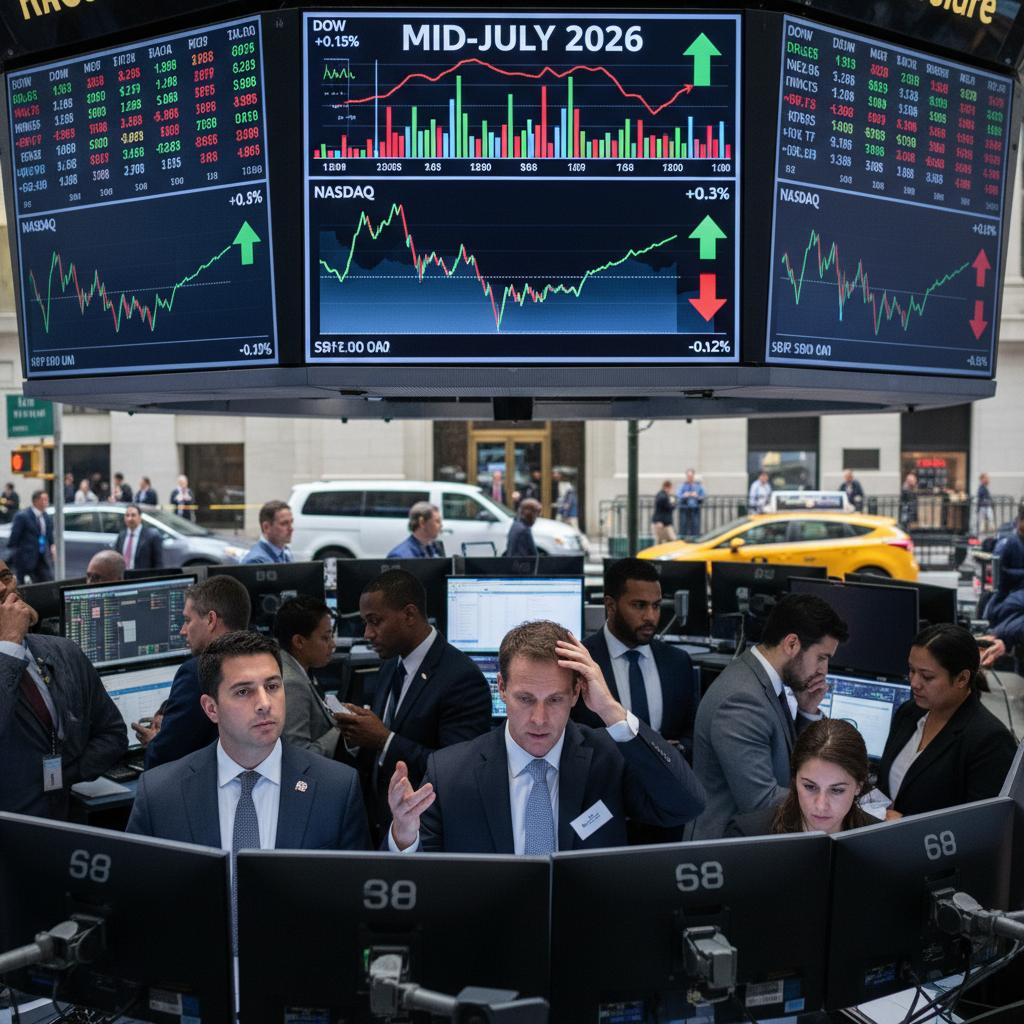
Traders reacting to market volatility on the New York Stock Exchange.
The U.S. Federal Reserve headquarters before a key policy meeting.
AI servers powering next-generation cloud computing.
Cargo ships highlighting international trade and tariffs.
Global financial chart tracking worldwide market performance.
Investor analyzing stock market data and economic indicators.
Global Markets Face a New Challenge
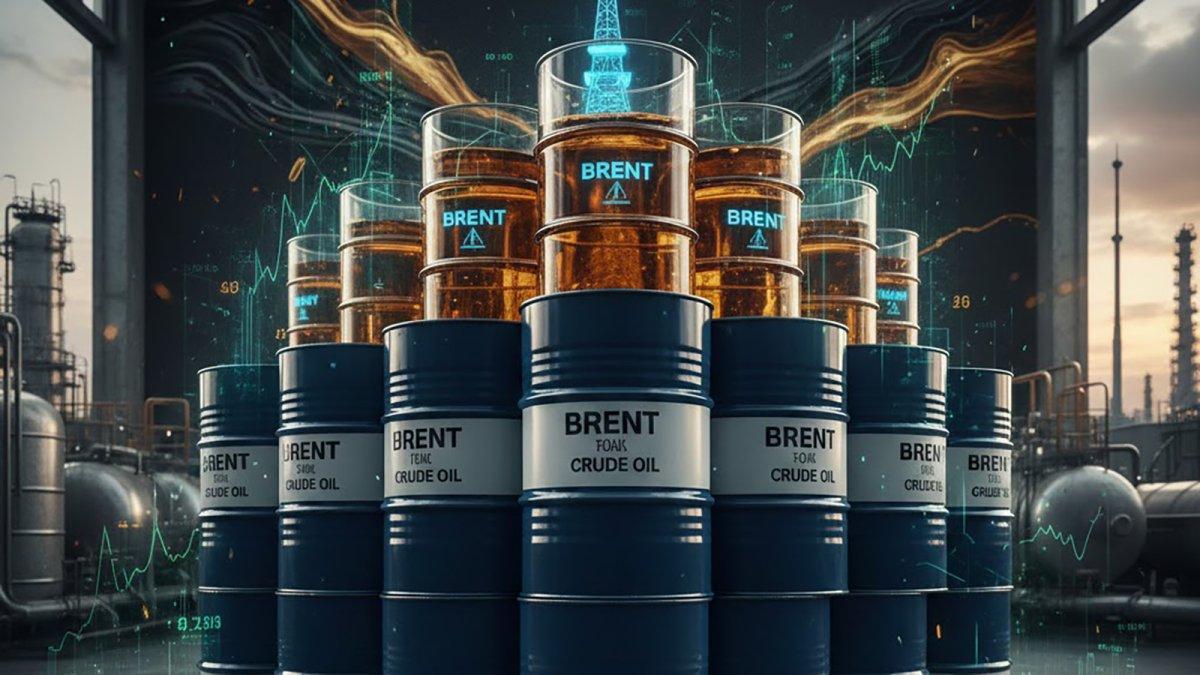
Global financial markets ended the week under pressure as investors weighed a combination of surging energy prices, expanding trade tensions, and uncertainty surrounding upcoming central bank decisions. Brent crude briefly reached $100 per barrel, renewing concerns that inflation could accelerate again just as many economies were beginning to stabilize. (Reuters)
Economists are increasingly discussing the possibility of stagflation—a period in which economic growth slows while inflation remains elevated. This combination is particularly challenging because central banks must balance supporting growth with controlling prices. (Reuters)
Oil Becomes the Biggest Market Driver
The sharp rise in oil prices follows heightened geopolitical tensions and disruptions to shipping routes in the Middle East. Higher crude prices increase costs for transportation, manufacturing, aviation, and logistics, potentially feeding through to consumer prices worldwide. (Reuters)
Energy analysts warn that sustained oil prices near $100 could make inflation more persistent, influencing the policy decisions of the U.S. Federal Reserve and other central banks. (The Wall Street Journal)
Investors Await the Federal Reserve
Attention is now turning to the upcoming Federal Reserve meeting. Markets broadly expect policymakers to leave interest rates unchanged, but investors will closely examine any guidance on future rate moves. Rising energy prices and inflation risks have increased speculation that additional tightening could still be possible later in the year. (The Wall Street Journal)
Bond yields have risen as investors reassess inflation expectations, while the U.S. dollar has remained relatively firm amid demand for safe-haven assets. (Reuters)
AI Spending Faces Greater Scrutiny
Artificial intelligence remains one of the strongest long-term investment themes, but investors are becoming more selective. Several major technology companies have significantly increased capital spending on AI infrastructure, prompting questions about whether those investments will generate sufficient future returns. (Reuters)
This week’s earnings from major technology companies are expected to provide important clues about revenue growth, cloud demand, and AI profitability. (Investors.com)
New Tariffs Add Pressure
Trade policy is also back in focus after the announcement of new U.S. tariffs affecting multiple trading partners. Businesses are evaluating how higher import costs could affect supply chains, pricing, and profit margins. Economists note that broader tariffs may add to inflation if companies pass higher costs on to consumers. (The Guardian)
What Investors Should Watch
During the coming week, markets will focus on:
Federal Reserve policy decisions
Major technology earnings
Oil price movements
Inflation expectations
Global trade developments
Bond market performance
Economic growth indicators
Each of these factors could influence stocks, bonds, currencies, and commodities as investors reassess the outlook for the second half of 2026. (The Wall Street Journal)
Outlook
Although markets remain volatile, analysts emphasize that long-term investment decisions should be based on diversified portfolios and company fundamentals rather than short-term headlines. The coming week is expected to provide important signals about inflation, corporate profitability, and the direction of monetary policy, making it one of the most closely watched periods of the year for global investors. (Investors.com)
IPO Boom Returns: Why Global Investors Are Pouring Billions into New Stock Listings in 2026
Featured Image
IPO Boom Returns: Why Global Investors Are Pouring Billions into New Stock Listings in 2026
The global market for Initial Public Offerings (IPOs) is experiencing its strongest recovery in years, signaling renewed confidence among investors, corporations, and financial institutions. After several years of higher interest rates, inflation concerns, and geopolitical uncertainty, companies are once again choosing to enter public markets as investor appetite continues to improve.
During the first half of 2026, global IPO proceeds increased dramatically, fueled by blockbuster technology offerings, artificial intelligence companies, and improving economic conditions. Market analysts believe the reopening of IPO markets represents one of the biggest financial stories of the year. (Ernst & Young)
Why IPO Markets Are Recovering
Several major factors have contributed to the resurgence.
Lower Inflation
Recent inflation data has eased investor concerns that central banks would continue aggressive interest-rate hikes. Lower inflation typically reduces borrowing costs and improves corporate valuations. (Reuters)
Strong Corporate Earnings
Major investment banks have reported stronger-than-expected earnings, supported by active capital markets, mergers, and IPO underwriting activity. This has strengthened confidence across Wall Street. (The Wall Street Journal)
AI Investment Boom
Artificial intelligence continues attracting enormous amounts of capital.
Investors are aggressively funding companies involved in:
AI software
Semiconductor manufacturing
Cloud infrastructure
Data centers
Robotics
Many AI-focused companies are now preparing public listings while investors remain willing to pay premium valuations. (Ernst & Young)
Record IPO Activity
According to industry reports, global IPO proceeds have more than tripled compared with last year despite fewer overall listings. Instead of many small offerings, investors are focusing on fewer but significantly larger IPOs. (Ernst & Young)
Some exchanges have reported their strongest fundraising performance in years, driven by mega-deals and technology companies. (The Financial Express)
Technology Leads the Market
Technology firms continue dominating public offerings.
Key sectors include:
Artificial Intelligence
Cybersecurity
FinTech
Cloud Computing
Semiconductor Manufacturing
Institutional investors believe these industries will continue benefiting from digital transformation over the next decade.
Investors Remain Selective
Despite renewed optimism, investors are being more disciplined than during previous IPO booms.
Fund managers now pay closer attention to:
Profitability
Cash flow
Debt levels
Revenue growth
Competitive advantages
Companies with weak financial fundamentals often struggle after listing, while businesses with sustainable earnings receive stronger demand.
Global Markets Show Signs of Strength
Several financial markets are showing renewed momentum.
The United States remains the largest IPO destination, while parts of Europe and Asia have also experienced improving market conditions.
Analysts expect additional high-profile companies to pursue listings during the second half of 2026 if market stability continues. (Ernst & Young)
Risks Investors Should Watch
Although optimism has returned, several risks remain.
Interest Rates
Unexpected inflation could force central banks to maintain higher interest rates longer than markets expect.
Geopolitical Tensions
Conflicts affecting energy markets could increase oil prices and create additional inflationary pressure.
Market Volatility
Technology stocks remain sensitive to earnings surprises and valuation concerns.
These risks could temporarily reduce IPO activity if uncertainty increases. (Reuters)
Outlook for the Rest of 2026
Most investment banks expect IPO momentum to continue through the remainder of the year.
Large institutional investors continue holding significant cash reserves, creating favorable conditions for companies seeking public financing.
Industries expected to generate the largest IPO activity include:
Artificial Intelligence
Healthcare Technology
Renewable Energy
Financial Technology
Defense Technology
Semiconductor Manufacturing
If inflation remains under control and corporate earnings stay healthy, analysts believe 2026 could become one of the strongest IPO years since the pandemic recovery. (PwC)
Final Thoughts
The return of IPO activity signals improving confidence across global financial markets. Investors are once again willing to fund companies with strong growth prospects, particularly in AI and advanced technology sectors. While risks remain from inflation, geopolitical tensions, and market volatility, the overall outlook has improved significantly compared with previous years.
For long-term investors, the current environment offers opportunities—but careful research remains essential before investing in newly listed companies. Successful IPO investing requires understanding a company’s business model, financial health, valuation, and competitive position rather than following market hype alone.
Alt Text for Images
Bankers and investors discussing an IPO roadshow presentation in a corporate boardroom.
Family reviewing household budget and mortgage documents at a kitchen table.
Stock market traders monitoring financial screens during an active trading session.
Financial analyst reviewing IPO prospectus and market reports in an office.
Business executives celebrating a company IPO by ringing the stock exchange opening bell.
Investor analyzing stock charts and financial data on a laptop.
Modern financial district skyline representing global capital markets and investment growth.
🔥 Wall Street Shaken: AI Stocks Retreat as Oil Prices Rise—What It Means for Global Investors
Finance News
6
Image Alt Text
Image 1: Traders work on the floor of the New York Stock Exchange as global markets react to economic news.
Image 2: AI semiconductor chips inside a modern data center powering artificial intelligence applications.
Wall Street Shaken: AI Stocks Retreat as Oil Prices Rise—What It Means for Global Investors
Global financial markets opened the week with increased volatility as investors weighed a combination of corporate earnings, rising oil prices, and renewed concerns over the lofty valuations of artificial intelligence (AI) companies. After months of strong gains fueled by enthusiasm for AI technologies, some of the world’s largest technology stocks experienced renewed selling pressure, prompting investors to reassess risks across global markets.
The decline did not signal panic selling, but it reminded investors that markets rarely move in a straight line. Analysts say the current environment is being shaped by three powerful forces: rapid AI investment, persistent inflation concerns, and uncertainty surrounding central-bank policy. Together, these factors are influencing everything from stock prices and bond yields to currency markets and commodity prices.
AI Stocks Face Their First Major Test
Artificial intelligence has been the defining investment theme of the past two years. Companies that design AI chips, build cloud infrastructure, or provide AI software have attracted enormous investor interest. Many of these firms have seen their share prices climb dramatically as businesses worldwide increased spending on AI tools.
However, recent trading sessions have shown that investors are becoming more selective. Rather than rewarding every company associated with AI, markets are now demanding evidence that heavy investment is translating into sustainable revenue growth and profits.
Several market strategists note that AI spending remains exceptionally strong, but expectations have risen even faster. That means even solid quarterly results can disappoint if they fail to exceed the market’s optimistic forecasts. This shift marks a transition from excitement-driven investing toward performance-driven investing.
Oil Prices Climb Again
At the same time, energy markets have become another major source of uncertainty.
Crude oil prices have moved higher amid ongoing geopolitical tensions and concerns about potential disruptions to global supply. Even modest increases in oil prices can ripple through the global economy because transportation, manufacturing, agriculture, and logistics all depend heavily on energy.
For consumers, higher oil prices may eventually translate into:
More expensive gasoline
Higher airline ticket prices
Increased shipping costs
Rising food prices
Higher household utility bills
Businesses also face pressure because higher operating costs can reduce profit margins if companies are unable to pass those expenses on to customers. Investors therefore watch energy markets closely as an early indicator of future inflation trends.
Why Inflation Still Matters
Although inflation has eased from the exceptionally high levels seen several years ago, it remains one of the biggest concerns for financial markets.
Central banks—including the U.S. Federal Reserve and the European Central Bank—have spent years raising interest rates to slow inflation and restore price stability. Their efforts have helped moderate price growth, but policymakers continue to stress that the job is not yet complete.
If energy prices continue rising, inflation could prove more persistent than expected. That would complicate future interest-rate decisions and potentially delay any easing of monetary policy.
For investors, the interaction between inflation and interest rates remains one of the most important drivers of market performance. Higher interest rates generally increase borrowing costs for businesses and consumers, while lower rates often support investment and economic growth.
6
Image Alt Text
Image 3: The U.S. Federal Reserve headquarters in Washington, D.C., where monetary policy decisions are made.
Image 4: The European Central Bank headquarters in Frankfurt, Germany.
Image 5: A financial analyst monitoring global stock markets and investment portfolios.
Corporate Earnings Become the Market’s Biggest Test
While artificial intelligence has remained the dominant investment theme throughout 2026, analysts believe quarterly corporate earnings will determine whether the stock market can continue climbing during the second half of the year.
Every earnings season provides investors with valuable insight into the health of businesses and the broader economy. This quarter, investors are paying close attention to several important indicators:
Revenue growth
Net profit margins
AI infrastructure spending
Consumer demand
Operating expenses
Executive forecasts for the remainder of the year
Technology companies face especially high expectations. Many have spent billions of dollars expanding AI data centers, purchasing advanced semiconductor chips, and developing new AI-powered services. Investors now want clear evidence that these investments are translating into stronger profits rather than simply increasing costs.
Financial analysts say companies that exceed earnings expectations while providing optimistic guidance could continue attracting investor interest. On the other hand, firms that report slowing growth or weaker forecasts may experience significant share-price declines.
Central Banks Continue Their Delicate Balancing Act
Another major factor influencing financial markets is monetary policy.
The U.S. Federal Reserve and the European Central Bank continue balancing two important objectives: controlling inflation while supporting economic growth.
Inflation has cooled considerably compared with its peak several years ago, but policymakers remain cautious. Rising energy prices, labor market strength, and geopolitical uncertainty could still create upward pressure on consumer prices.
Investors closely analyze every public statement from central-bank officials because even subtle changes in language can influence expectations for future interest-rate decisions.
Higher interest rates generally help reduce inflation by slowing borrowing and spending, but they can also limit economic growth by increasing financing costs for businesses and households.
Conversely, lower interest rates often encourage investment, home buying, and consumer spending, but reducing rates too quickly may risk allowing inflation to accelerate again.
For this reason, many economists expect central banks to remain cautious until inflation consistently returns to long-term targets.
The Global Economy Presents a Mixed Picture
Recent economic indicators show that global growth remains uneven.
United States
The U.S. economy continues demonstrating resilience despite higher borrowing costs. Consumer spending remains relatively healthy, unemployment remains low by historical standards, and many businesses continue investing in technology and infrastructure.
However, slower manufacturing activity and cautious consumer behavior suggest economic growth may moderate during the coming quarters.
Europe
European economies continue recovering gradually from recent inflation challenges.
Manufacturing activity has improved in some countries, although consumer confidence remains below long-term averages. Policymakers continue balancing inflation control with efforts to stimulate economic growth.
China
China remains one of the world’s most closely watched economies.
Exports have shown encouraging signs, particularly in electric vehicles, renewable energy technologies, and advanced manufacturing. However, domestic consumption and the property market continue facing challenges.
Because China plays a central role in global manufacturing and commodity demand, its economic performance has significant implications for financial markets around the world.
Banking Sector Remains Strong
Despite ongoing uncertainty, the banking sector continues showing resilience.
Large financial institutions generally maintain healthy capital reserves, strong liquidity, and improved risk management practices compared with previous financial crises.
Higher interest rates have also supported bank profitability by increasing lending margins.
Regulators continue monitoring risks related to commercial real estate, cybersecurity, and AI adoption, but overall financial stability remains significantly stronger than during previous periods of market stress.
Stable banking systems provide confidence that businesses and consumers will continue accessing credit, helping support broader economic activity even during periods of market volatility.
4
Image Alt Text
Image 6: Crude oil refinery and storage tanks illustrating global energy market trends.
Image 7: Global financial market chart showing worldwide stock market performance and economic indicators.
Are Stock Valuations Becoming Too Expensive?
One of the biggest questions facing investors today is whether global stock markets have become overvalued.
After months of strong gains, especially among AI-related companies, many valuation metrics suggest that parts of the market are trading at historically high levels. High valuations do not necessarily mean a market crash is imminent, but they can make stocks more sensitive to disappointing earnings, slower economic growth, or unexpected geopolitical events.
History has shown that periods of rapid technological innovation often lead to strong market rallies. During these periods, investors are willing to pay higher prices for companies they believe will benefit from long-term growth. However, when expectations become too optimistic, even small setbacks can trigger noticeable market corrections.
This is why many professional investors emphasize focusing on company fundamentals rather than chasing short-term market trends.
Key Risks Investors Should Watch
Although the global economy continues to demonstrate resilience, several important risks remain on the horizon.
1. Rising Energy Costs
Higher crude oil prices could increase transportation, manufacturing, and logistics expenses, eventually affecting consumer prices and corporate profit margins.
2. Inflation
While inflation has moderated compared with previous years, it has not completely disappeared. Persistent inflation could influence future interest-rate decisions and market performance.
3. Geopolitical Uncertainty
Conflicts and political tensions continue creating uncertainty for global supply chains, energy markets, and international trade.
4. Corporate Earnings
Technology companies face extremely high expectations. Strong earnings could extend the market rally, while weaker-than-expected results could trigger increased volatility.
5. Central Bank Decisions
Future interest-rate policy from major central banks remains one of the most important drivers of financial markets.
Opportunities That Continue to Attract Investors
Despite current uncertainty, many long-term investment themes remain attractive.
Artificial intelligence continues transforming industries including healthcare, finance, education, logistics, and manufacturing. Businesses worldwide continue increasing investment in AI software, cloud computing, and digital infrastructure.
Other sectors attracting investor interest include:
Renewable energy
Cybersecurity
Cloud computing
Semiconductor manufacturing
Digital payments
Healthcare technology
Infrastructure development
Diversified portfolios that combine growth opportunities with defensive assets may help investors navigate periods of market volatility.
Outlook for the Second Half of 2026
Looking ahead, analysts expect financial markets to remain highly data-driven. Upcoming inflation reports, employment data, central bank meetings, and corporate earnings announcements will all play a significant role in shaping investor sentiment.
While short-term volatility is likely to continue, the broader global economy still shows signs of resilience. Businesses continue investing in innovation, consumer spending remains relatively stable in many major economies, and financial institutions remain well-capitalized.
For long-term investors, maintaining a disciplined strategy, avoiding emotional decision-making, and focusing on quality investments remain prudent approaches during periods of uncertainty.
Conclusion
Global financial markets are entering a critical phase. The excitement surrounding artificial intelligence continues to drive innovation and investment, but investors are also confronting higher oil prices, uncertain monetary policy, and elevated market valuations.
The coming weeks will provide important signals about the health of the global economy. Corporate earnings, inflation data, and central bank decisions will help determine whether markets can maintain their momentum or enter a period of consolidation.
Although risks remain, long-term opportunities in technology, infrastructure, and digital transformation continue to support optimism for investors who maintain diversified portfolios and a long-term perspective.
Frequently Asked Questions (FAQ)
Why are AI stocks so important to the market?
AI companies have attracted major investment because many investors believe artificial intelligence will significantly improve productivity and create new business opportunities across multiple industries.
How do oil prices affect stock markets?
Higher oil prices can increase business costs, contribute to inflation, and reduce consumer spending, which may affect corporate profits and investor confidence.
Why do investors watch central banks?
Central banks influence interest rates, borrowing costs, inflation, and economic growth. Their policy decisions often have a significant impact on financial markets.
Should investors worry about market volatility?
Market volatility is a normal part of investing. Many financial professionals recommend maintaining diversified portfolios and focusing on long-term goals rather than reacting to short-term price movements.
Global Finance Update: Markets Brace for a Week That Could Shape the Rest of 2026
Global financial markets are entering one of the most closely watched periods of the year as investors prepare for a series of events that could determine the direction of stocks, bonds, commodities, and currencies throughout the remainder of 2026. Earnings reports from some of the world’s largest technology companies, policy decisions from major central banks, and continuing geopolitical uncertainty are all converging at the same time.
Although global stock indices remain near record highs, analysts are becoming increasingly cautious. Investors have enjoyed an extraordinary rally driven largely by artificial intelligence (AI), but questions are now emerging about whether corporate profits can continue growing quickly enough to justify today’s elevated valuations. At the same time, rising oil prices and renewed geopolitical tensions have added another layer of uncertainty to an already complex investment environment.
AI Continues to Dominate Market Sentiment
Artificial intelligence remains the most influential investment theme in global markets. Over the past year, companies involved in AI chips, cloud computing, data centers, and software infrastructure have attracted enormous investor interest.
Major technology firms continue investing billions of dollars in expanding AI infrastructure, believing demand for generative AI services will continue growing across industries including healthcare, finance, manufacturing, education, and cybersecurity.
Semiconductor manufacturers remain among the biggest winners because advanced AI systems require increasingly powerful processors. Demand for high-performance chips has created strong revenue growth for leading hardware suppliers and helped lift broader stock markets.
However, analysts warn that expectations have become extremely high. Investors are no longer satisfied with strong earnings alone—they expect rapid revenue growth and clear evidence that AI investments are translating into sustainable profits. Any disappointment could trigger significant market volatility.
Earnings Season Becomes the Next Major Test
This week’s corporate earnings season is expected to play a decisive role in determining market direction.
Several major companies are scheduled to release quarterly results, including firms in technology, banking, consumer spending, and industrial manufacturing. Investors will focus on:
Revenue growth
Profit margins
AI-related capital spending
Consumer demand
Executive forecasts
Hiring trends
Technology companies remain under particular scrutiny because many have dramatically increased spending on AI infrastructure over the past two years. Investors want confirmation that these massive investments will eventually generate stronger profits rather than simply increasing costs.
Central Banks Continue Their Careful Balancing Act
Monetary policy remains another critical factor affecting global financial markets.
The European Central Bank is widely expected to keep interest rates unchanged while monitoring inflation and economic growth. Policymakers remain cautious despite signs that inflation has moderated in many regions.
In the United States, investors continue analyzing every statement from Federal Reserve officials for clues about future interest-rate decisions. Although inflation has cooled significantly compared with previous years, officials remain concerned that higher energy prices and geopolitical tensions could slow progress toward long-term inflation targets.
Oil Prices Add Fresh Inflation Risks
Energy markets have once again become one of the biggest drivers of investor sentiment.
Renewed tensions in the Middle East have increased concerns about possible disruptions to global oil supplies. Higher crude oil prices affect nearly every sector of the economy because transportation, manufacturing, logistics, and agriculture all depend heavily on energy.
If oil prices remain elevated, consumers may face:
Higher gasoline prices
More expensive airline tickets
Increased shipping costs
Rising food prices
Higher manufacturing expenses
Financial markets generally become more volatile whenever energy prices rise rapidly because higher oil prices can push inflation upward and reduce corporate profits.
Global Economic Growth Shows Mixed Signals
Recent economic data present a mixed picture.
The United States continues showing relatively resilient consumer spending and employment, helping support economic activity despite higher borrowing costs.
Meanwhile, China’s economy has produced conflicting signals. Export performance has remained relatively strong, particularly in technology-related industries, while domestic demand and the property sector continue facing significant challenges. Investors are watching closely because China’s economic performance has important implications for global manufacturing, commodity demand, and international trade.
Stock Valuations Raise New Questions
One of the biggest debates among professional investors is whether global equity markets have become too expensive.
Several valuation indicators suggest U.S. stocks are trading near historically elevated levels after the AI-driven rally. Some analysts compare today’s enthusiasm with previous periods of rapid technological innovation that eventually experienced sharp market corrections.
This does not necessarily indicate an imminent crash. High valuations can persist for extended periods when corporate earnings continue growing. Nevertheless, experts emphasize that higher valuations generally reduce the margin of safety for investors and increase the market’s sensitivity to disappointing news.
Banking Sector Remains Relatively Stable
Despite ongoing market uncertainty, the global banking system appears considerably stronger than during previous financial crises.
Banks continue maintaining healthy capital levels while benefiting from higher interest-rate environments that have supported lending margins. Financial regulators also continue monitoring liquidity conditions to ensure financial institutions remain resilient against potential market shocks.
Stable banking conditions provide an important foundation for the broader economy because healthy credit markets support business investment and consumer spending.
Key Risks Investors Should Watch
Although the overall economic outlook remains constructive, several important risks deserve attention during the coming months:
Escalating geopolitical conflicts
Higher oil prices
Persistent inflation
Slower corporate earnings growth
Elevated stock valuations
Unexpected changes in central bank policy
Markets often react quickly whenever multiple risks occur simultaneously, making diversification and disciplined investing increasingly important.
Opportunities Still Exist
Despite these challenges, analysts continue identifying several long-term investment themes that may support future growth.
Artificial intelligence remains one of the strongest structural trends in global markets, while cloud computing, cybersecurity, renewable energy, advanced manufacturing, and digital infrastructure continue attracting significant investment.
Long-term investors generally focus on diversified portfolios rather than attempting to predict short-term market movements. Economic cycles naturally produce periods of optimism and uncertainty, but disciplined investing has historically rewarded patience over time.
Outlook for the Second Half of 2026
Looking ahead, financial markets are expected to remain highly data-dependent.
Upcoming inflation reports, employment figures, corporate earnings, and central-bank decisions will likely determine whether the recent market rally continues or enters a period of consolidation.
While uncertainty remains elevated, the global economy continues demonstrating resilience. Businesses continue investing in technology, consumers remain active across many major economies, and financial institutions remain relatively well-capitalized.
For investors, maintaining a balanced portfolio, following economic developments carefully, and avoiding emotional investment decisions may be the most effective strategy during a period of heightened market uncertainty.